The Foundation of Successful Event Promotion
If a tree falls in a forest and no one is around to hear it, does it make a sound? This philosophical question mirrors a critical reality in event planning: if you organize an event but fail to promote it, did it really happen? Without a robust promotion strategy, attendance remains low because potential guests simply do not know the event exists. While the concept of promotion seems straightforward, executing a comprehensive marketing plan requires nuance, creativity, and strategic timing.
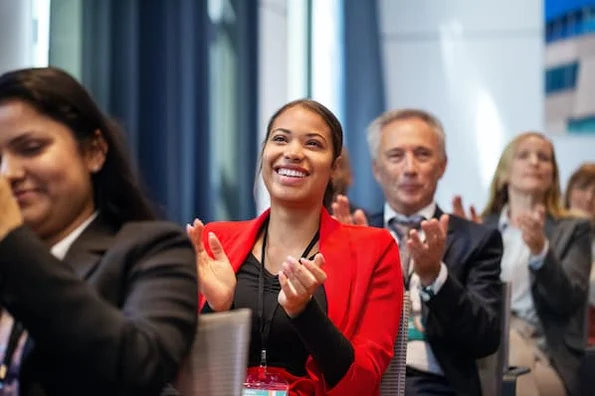
Many organizers assume that large-scale events require massive budgets to gain traction. This is a common misconception. Effective event promotion relies less on spending power and more on leveraging existing assets, community engagement, and creative storytelling. You can increase brand awareness and drive lead generation through thoughtful tactics that resonate with your audience. The goal is not just to fill seats, but to create an experience that attendees feel compelled to share.
Promotion is not a single action but a continuous process that begins months before the event date. It involves multiple channels, from traditional signage to digital retargeting, each playing a specific role in the customer journey. By integrating these methods into a cohesive strategy, you ensure that your message reaches the right people at the right time. This approach builds anticipation and transforms passive interest into active participation.
Consider the psychological aspect of promotion. People are drawn to exclusivity, early access, and behind-the-scenes glimpses. These elements create a sense of urgency and belonging. When you position your event as a unique opportunity rather than just another meeting, you differentiate it from the noise of daily life. This differentiation is crucial in a crowded market where attention is the scarcest resource.
Early Engagement and Brand Identity
One of the most effective ways to kickstart promotion is by offering early bird registration. This tactic serves two purposes: it incentivizes immediate sign-ups with a discount, and it provides valuable data on audience interest. By tracking early registrations, you can gauge the effectiveness of your initial marketing efforts. Are people responding to your message? What objections are they raising? This feedback allows you to refine your strategy before the event date approaches. Early bird offers create a sense of scarcity, encouraging potential attendees to act quickly rather than procrastinate.
Traditional methods still hold value, particularly for local events. Placing physical signs or banners outside your business or in high-traffic areas near the venue can increase local awareness. These visual cues serve as constant reminders for people who pass by regularly. For businesses without a physical location, partnering with local venues or community centers to display promotional materials can achieve similar results. Physical presence reinforces the reality of the event, making it feel more tangible and immediate to potential attendees.
The landing page for your event is the central hub for all information. It should clearly communicate the date, time, location, topic, and goals of the event. Beyond basic details, include a detailed agenda so visitors understand what they will gain from attending. Highlight keynote speakers or influencers to add credibility and interest. Visual elements, such as photos or videos from previous events, can help set expectations and build excitement. An FAQ section addresses common concerns, reducing friction in the decision-making process. Always include a clear call to action, directing visitors to purchase tickets or register.
Event-specific branding can significantly enhance promotion efforts. Treat your event as a distinct brand entity, separate from your main company identity. This approach allows you to attract audiences who may not be familiar with your company but are interested in the event’s topic. Create a unique logo, color scheme, and messaging tone that reflect the event’s theme. This separation helps the event stand out and appeals to a broader demographic. For example, a tech company might host a creative design workshop with its own branding, attracting designers who may not otherwise engage with the tech brand.
Content marketing is a powerful tool for sustained promotion. Integrate event mentions into your existing content channels, such as blog posts, YouTube videos, and podcasts. Discuss the event’s relevance to current trends or industry challenges. Provide value in these pieces, not just promotional pitches. When you educate your audience through content, they are more likely to trust your event as a valuable resource. Consistent messaging across all content touchpoints reinforces the event’s importance and keeps it top of mind.
Digital and Social Media Strategies
Email marketing remains one of the most direct ways to reach your audience. Segment your email list to tailor messages to different groups. Send personalized invitations to previous attendees, offering them exclusive discounts or early access. Use email to share updates, speaker announcements, and agenda highlights. Regular communication keeps the event visible in your subscribers’ inboxes. Email allows you to track open rates and click-through rates, providing insights into which messages resonate most. Use this data to optimize future communications.
Social media offers a dynamic platform for pre-event promotion. Share behind-the-scenes content to humanize the event and build anticipation. Post photos of the venue setup, interviews with speakers, or sneak peeks of special activities. These glimpses create a narrative that followers want to be part of. Use Instagram Stories, TikTok, or LinkedIn posts to reach different segments of your audience. Authentic, unpolished content often performs better than highly produced ads because it feels more genuine and engaging.
Retargeting ads on social media help recapture the interest of those who have already shown some engagement. If a user visited your landing page or watched a promotional video, retargeting ads can remind them of the event as they browse other sites. This persistent visibility increases the likelihood of conversion. Retargeting works because it keeps your event in the user’s consciousness without being intrusive. It is a subtle nudge that reinforces the value proposition.
Creating a dedicated event hashtag simplifies tracking and engagement. Use the hashtag in all promotional materials and encourage attendees to use it in their posts. This creates a centralized stream of conversation around the event. Monitor the hashtag to engage with attendees in real-time, answering questions and sharing user-generated content. A well-used hashtag can amplify reach, as posts become visible to followers of those who use it. It also serves as a digital archive of the event experience.
Collaborations with keynote speakers, influencers, and sponsors expand your reach beyond your immediate audience. These partners bring their own followers, who may not yet know about your event. Provide them with assets to share, such as graphics or short videos. Encourage them to speak about why they are excited to participate. Their endorsement adds credibility and attracts their loyal fans. This strategy leverages existing trust relationships to build new ones.
Social media contests and giveaways generate buzz and encourage sharing. Offer tickets or exclusive merchandise as prizes. Require participants to like, comment, or tag friends to enter. This mechanic increases visibility through network effects. Contests also provide an opportunity to collect email addresses or social media follows, growing your audience for future events. Ensure the contest rules are clear and compliant with platform guidelines.
Custom social media filters or lenses add a playful element to promotion. Create a filter that features your event logo or theme. Encourage attendees and speakers to use it in their posts. This user-generated content spreads organically, reaching new audiences. Filters are highly shareable and create a fun, interactive experience. They also serve as a digital keepsake for attendees.
Paid social media advertising allows you to target specific demographics. Use lookalike audiences to reach people similar to your existing customers. Set clear goals for your ads, whether it is driving traffic to the landing page or generating registrations. Monitor performance metrics to adjust your strategy. Paid ads complement organic efforts, ensuring your message reaches a wider audience.
Community groups, such as Facebook groups or subreddits, offer niche audiences. Share your event in relevant groups, following their rules for self-promotion. Engage in discussions, not just posting links. Provide value to the community, and they will be more receptive to your event. These groups often consist of highly engaged individuals who share specific interests. Targeting them precisely can yield high-quality attendees.
Timing and Execution
Promotion requires a structured timeline to ensure consistent momentum. Start three to four months before the event. Launch your landing page, create event-specific branding, and begin email campaigns to previous attendees. Post in social media groups and create a Facebook event page. Promote influencers and sponsors early to give them time to share with their audiences. Place physical banners in local areas. This early phase sets the foundation and builds initial interest.
Six to eight weeks before the event, intensify efforts. Set up search engine campaigns and online ads. Produce content marketing assets, such as blog posts or videos, that highlight the event’s value. Run a social media contest to generate buzz. End early bird promotions to create urgency. This phase focuses on driving registrations and maintaining visibility.
Three to five weeks before the event, shift to nurturing leads. Send email drip campaigns with detailed information about speakers and agenda. Launch retargeting ads on social media to remind interested users. Have partnering brands and sponsors post about the event. Create a social media filter or lens for attendees to use. This phase keeps the event top of mind and encourages final decisions.
One to two weeks before the event, create a sense of immediacy. Launch the event hashtag and encourage its use. Post behind-the-scenes content to show preparation progress. Use “last call” messaging in emails and social posts. Highlight limited availability or exclusive perks for last-minute registrants. This phase capitalizes on FOMO (fear of missing out) to drive final registrations.
Two to six days before the event, focus on excitement and logistics. Send reminder emails to registered attendees with practical details like parking, entry procedures, and schedule highlights. Promote heavily on social media, sharing final prep updates. Post more behind-the-scenes content to build anticipation. Engage with any questions or concerns from attendees. This phase ensures attendees feel prepared and excited.
On the day of the event, maximize real-time engagement. Run the event hashtag across all platforms. Be active on social media, posting live updates, photos, and videos. Engage with attendees who post using the hashtag. Share key moments and quotes from speakers. This real-time coverage extends the event’s reach to those who cannot attend and keeps registered attendees engaged.
After the event, evaluate success and maintain relationships. Thank attendees for coming. Analyze promotion metrics: which channels drove the most registrations? Did content marketing or social ads perform better? Send surveys to attendees and staff to gather feedback on what worked and what could improve. Use these insights to refine future event promotion strategies. Post-event content, such as highlight reels or speaker recordings, keeps the conversation going and provides value to those who missed out.
| Timeline | Key Actions |
|---|---|
| 3-4 Months Before | Launch landing page, early bird registration, physical banners, social media groups |
| 6-8 Weeks Before | Start paid ads, content marketing, social contests, end early bird |
| 3-5 Weeks Before | Email drip campaigns, retargeting ads, sponsor posts, social filters |
| 1-2 Weeks Before | Launch hashtag, behind-the-scenes posts, “last call” messaging |
| 2-6 Days Before | Reminder emails, final social promotions, logistics updates |
| Day Of | Live social coverage, hashtag engagement, photo/video sharing |
| After Event | Thank attendees, analyze metrics, send surveys, share highlights |
Event promotion is a multifaceted discipline that blends creativity with data-driven strategy. By understanding your audience and leveraging diverse channels, you can build anticipation and drive attendance without excessive spending. The key is consistency and authenticity. Share your story, engage with your community, and provide value at every touchpoint. This approach not only fills seats but builds a loyal audience that looks forward to your future events. What unique angle can you bring to your next event to make it unforgettable?





