Understanding the Core Differences Between SEO and PPC
Acquiring new customers is one of the most persistent challenges for growing businesses. When you launch a new venture or introduce a product, getting your brand noticed requires a deliberate strategy. Most organizations eventually face a fundamental choice: should you invest in search engine optimization (SEO) to earn organic visibility, or should you use pay-per-click (PPC) advertising to buy immediate attention? The decision is rarely black and white. It depends on your budget, your timeline, and the specific goals of your marketing campaign.
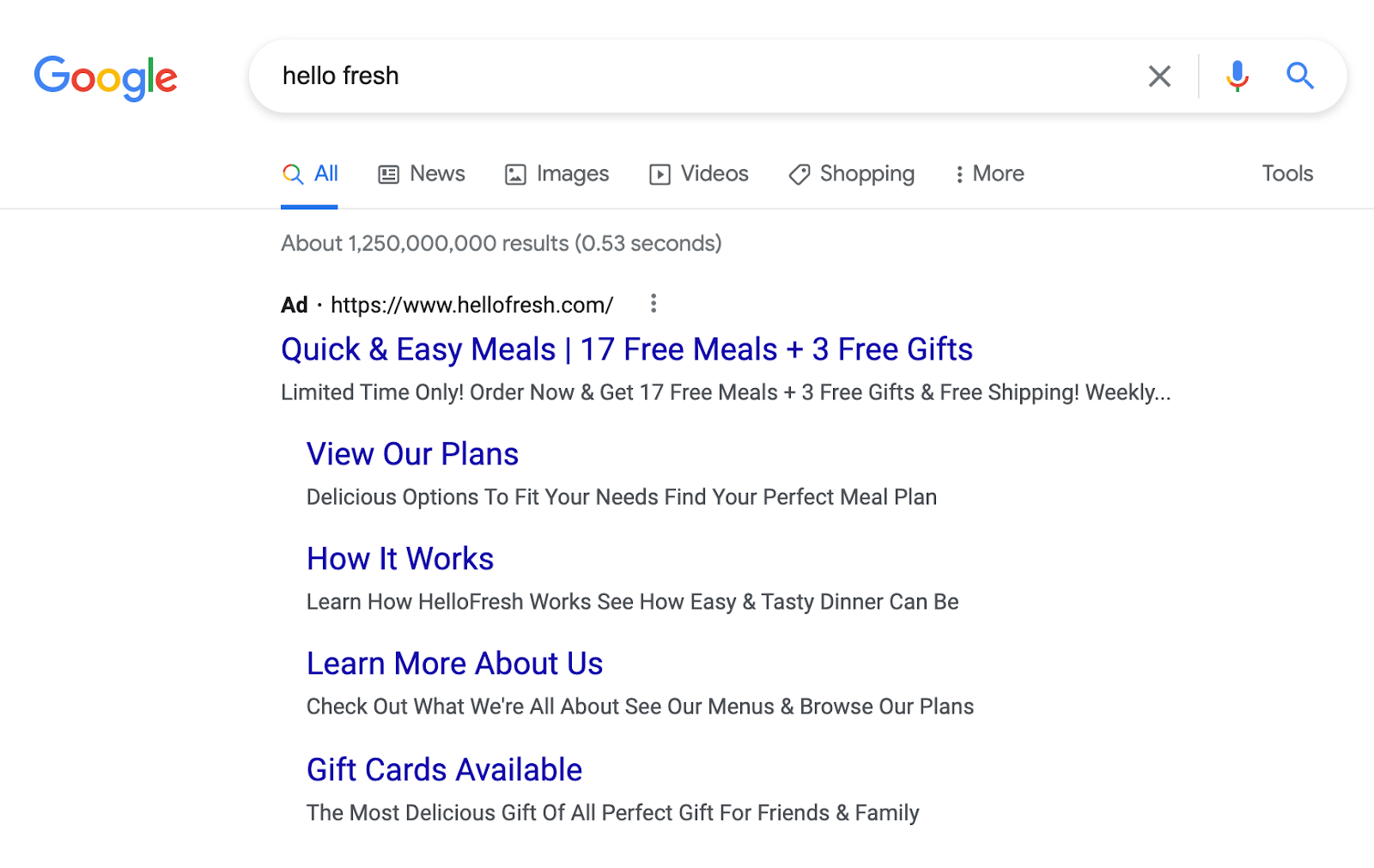

Search engine optimization is the process of improving your website’s relevance and authority so that it ranks higher in organic search results. When users search for terms related to your industry, SEO ensures your content appears naturally. This method relies on technical improvements, high-quality content, and backlinks. In contrast, PPC is a form of online advertising where you pay a fee each time someone clicks on your ad. These ads appear prominently at the top or side of search engine results pages, marked clearly as sponsored content. While SEO builds long-term equity, PPC offers immediate, controllable visibility.
The distinction between these two approaches often comes down to ownership versus rental. With SEO, you are building an asset that generates traffic without direct per-click costs. With PPC, you are renting space; the moment your budget runs out, the traffic stops. Understanding this dynamic is crucial for allocating resources effectively. We look at how these strategies function not just as isolated tactics, but as components of a broader digital presence that must adapt to changing user behaviors.
How Organic Search Drives Sustainable Growth
Organic search traffic is often viewed as the backbone of sustainable digital marketing. When your site ranks well for relevant keywords, you capture users who are actively looking for solutions you provide. This traffic is “free” in the sense that you do not pay the search engine for each visit. However, it is not without cost. It requires investment in content creation, technical expertise, and consistent optimization.
The value of organic traffic lies in its stability and trust factor. Users tend to trust organic results more than paid ads. They perceive brands that appear naturally in search results as authoritative and credible. This trust translates into higher conversion rates over time. As your domain authority grows, you can rank for more competitive keywords, expanding your reach without increasing your ad spend. This compounding effect makes SEO a powerful tool for long-term brand building.
The Strategic Value of Search Engine Optimization
Search engine optimization is a long-term play. It is not a quick fix, but a foundational strategy that supports all other marketing efforts. The primary goal is to align your website’s structure and content with the ranking factors used by search engines like Google. This involves technical SEO, on-page optimization, and off-page strategies like link building. The result is a website that is easy for search engines to crawl and understand, and easy for users to navigate.
Cost Efficiency and Long-Term ROI
One of the most significant advantages of SEO is its cost efficiency over time. While the initial investment in SEO tools, content creation, and potentially agency fees can be substantial, the ongoing cost per acquisition typically decreases. Unlike PPC, where you pay for every click regardless of conversion, organic traffic continues to flow as long as you maintain your rankings. This makes SEO highly scalable. As your content library grows, so does your potential to attract visitors.
Furthermore, SEO allows you to target users at different stages of the buyer’s journey. You can create top-of-funnel content, such as blog posts and guides, to attract awareness. You can also develop bottom-of-funnel content, like case studies and product pages, to capture those ready to buy. This versatility ensures that you are not just driving traffic, but driving the right kind of traffic that converts.
Building Authority and Trust
Consistent presence in organic search results builds brand authority. When users see your brand appearing for multiple relevant queries, they perceive you as an industry leader. This perception is reinforced by the quality of your content. High-ranking pages often serve as resources that other websites link to, further boosting your credibility. Backlinks are a critical ranking factor, and earning them naturally signals to search engines that your content is valuable.
This authority extends beyond search engines. It enhances your brand’s reputation across the digital landscape. When people discuss your industry, your content is more likely to be referenced. This organic endorsement is difficult to replicate with paid advertising. It creates a moat around your business, making it harder for competitors to displace you in the minds of your audience.
The Challenges of Algorithm Changes
SEO is not without its challenges. Search engine algorithms are constantly evolving. Google updates its ranking criteria hundreds of times a year, sometimes with significant impacts on traffic. These changes require you to stay informed and adapt your strategy. A tactic that worked last year might not be effective today. This necessitates ongoing monitoring and adjustment.
Additionally, SEO takes time to show results. For new websites, it can take several months to see significant organic traffic. This delay can be frustrating for businesses seeking immediate growth. However, this period is crucial for building a solid foundation. Rushing the process with black-hat techniques can lead to penalties, which are far more damaging than slow growth. Patience and consistency are key.
The Immediate Impact of Pay-Per-Click Advertising
Pay-per-click advertising offers a different set of advantages. It is designed for speed and precision. When you launch a PPC campaign, your ads can appear in search results within hours. This immediacy is invaluable for time-sensitive promotions, product launches, or entering a new market. PPC allows you to test messages, landing pages, and keywords quickly, gathering data that informs broader marketing strategies.
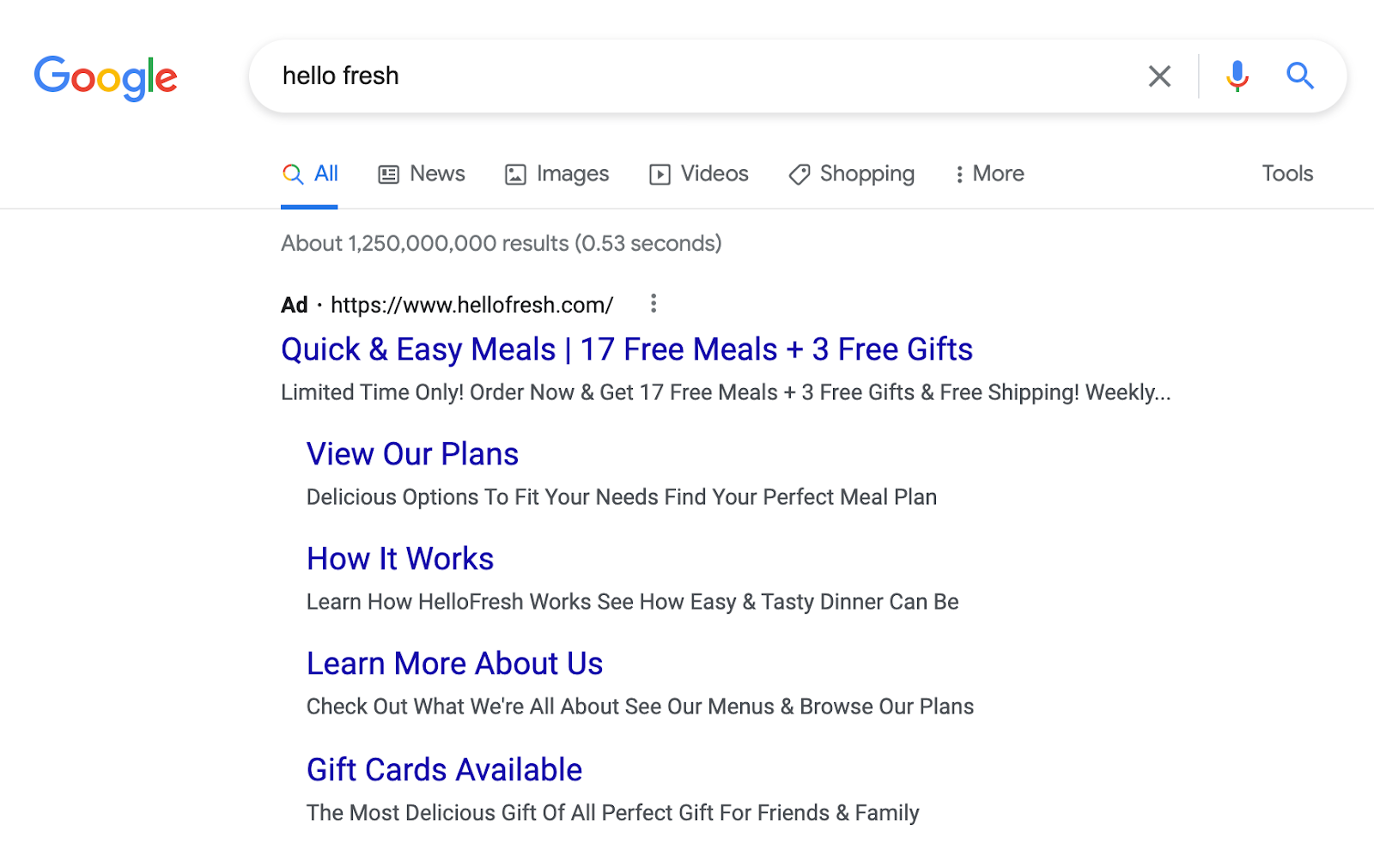
PPC campaigns are highly targeted. You can define your audience based on location, age, interests, and even specific keywords. This level of control ensures that your ad budget is spent on users who are most likely to convert. You can also adjust your bids in real-time based on performance, optimizing for cost-per-acquisition or return on ad spend. This flexibility makes PPC a powerful tool for tactical marketing.
Speed and Visibility
The primary benefit of PPC is speed. If you need traffic today, SEO cannot deliver it overnight. PPC can. This makes it ideal for capitalizing on trends, seasonal demand, or competitive gaps. When you bid on high-value keywords, your ad appears at the top of the search results, above organic listings. This prime real estate ensures maximum visibility and click-through rates.
However, this visibility comes at a cost. PPC is a “pay-to-play” system. Once your budget is exhausted, your ads stop showing. This means your traffic is directly tied to your spending. In competitive industries, such as legal or insurance, cost-per-click can be extremely high, squeezing profit margins. You must carefully manage your budget to ensure a positive return on investment.
Precision Targeting and Testing
PPC platforms offer sophisticated targeting options. You can reach users based on their search intent, browsing behavior, and demographic profile. This precision allows you to tailor your message to specific segments of your audience. For example, you can create separate ads for users searching for “best running shoes” versus “buy running shoes online,” recognizing the different stages of intent.
Moreover, PPC is an excellent testing ground. You can run A/B tests on ad copy, headlines, and landing pages to see what resonates best with your audience. This data provides valuable insights that can inform your SEO strategy. If a particular keyword or message performs well in PPC, it may be a strong candidate for organic content creation. This synergy between paid and organic channels can amplify your overall marketing effectiveness.
The Risk of Ad Fatigue
One downside of PPC is ad fatigue. Users may become desensitized to ads over time, especially if they see the same message repeatedly. This can lead to lower click-through rates and higher costs. To combat this, you must continuously refresh your ad creative and expand your keyword list. This requires ongoing management and creativity.
Additionally, PPC ads are subject to the rules and policies of advertising platforms. Violations can result in account suspension. You must ensure your ads comply with guidelines regarding claims, targeting, and landing page experience. This adds a layer of complexity to PPC management that is not present in organic SEO.
Comparing SEO and PPC for Your Business Goals
Choosing between SEO and PPC depends on your specific business objectives. There is no one-size-fits-all answer. Some businesses thrive on the steady growth of SEO, while others rely on the immediate impact of PPC. The most effective strategy often involves a blend of both, leveraging the strengths of each to achieve comprehensive coverage.
When to Prioritize SEO
You should prioritize SEO if you have a limited budget and are willing to invest time for long-term gains. SEO is ideal for building brand authority and establishing a sustainable source of traffic. It is particularly effective for local businesses, where organic rankings drive foot traffic and local inquiries. If you are creating educational content or aiming to rank for informational keywords, SEO is the primary channel.
SEO is also better for maximizing return on investment over time. While the initial costs may be higher, the cost per acquisition decreases as your organic presence grows. This makes it a highly efficient channel for businesses with a long-term horizon. It allows you to capture traffic at every stage of the funnel, from awareness to consideration to decision.
When to Prioritize PPC
PPC is the right choice when you need immediate results. If you are launching a new product, running a limited-time promotion, or entering a competitive market, PPC can provide the visibility you need quickly. It is also useful for testing new markets or keywords before committing to an SEO strategy. The data you gather from PPC can inform your content strategy, helping you focus on high-performing topics.
PPC is also essential for brand protection. Competitors may bid on your brand name, capturing traffic that should go to you. By bidding on your own brand, you ensure that users see your official message and landing page. This control is crucial for maintaining brand integrity and maximizing conversion rates. Additionally, PPC allows you to target specific audiences with precision, which is difficult to achieve with organic search alone.
Integrating SEO and PPC for Maximum Impact
Rather than viewing SEO and PPC as competing strategies, consider how they can work together. An integrated approach leverages the strengths of both channels to create a cohesive marketing ecosystem. This synergy can drive higher traffic, better conversion rates, and a stronger brand presence.
Using PPC Data to Inform SEO
PPC campaigns generate valuable data on keyword performance, user intent, and conversion rates. You can use this data to refine your SEO strategy. If certain keywords drive high-quality traffic in PPC, they are likely strong candidates for organic content. Conversely, if some keywords have high costs and low conversions, you may want to avoid targeting them organically. This data-driven approach ensures that your SEO efforts are focused on high-value opportunities.
Retargeting Organic Visitors
You can use PPC to retarget users who have visited your site organically but did not convert. These users are already familiar with your brand, making them more likely to respond to a targeted ad. Retargeting campaigns can remind them of your product, offer a discount, or highlight a specific benefit. This tactic bridges the gap between organic awareness and paid conversion, maximizing the value of your organic traffic.
Promoting Content with Paid Ads
High-quality content created for SEO can be promoted using paid ads. This amplifies its reach and accelerates its impact. By boosting your best-performing blog posts, guides, or case studies on social media or search engines, you can drive immediate traffic and engagement. This not only increases visibility but also helps build backlinks and social signals, which can further boost organic rankings. It is a powerful way to get the most out of your content investment.
Key Statistics and Industry Insights
Understanding the broader landscape helps contextualize your strategy. Google dominates the search market, processing billions of queries daily. The majority of web traffic comes from organic search, but paid search spending continues to grow. This indicates that businesses value both channels for different reasons.
| Metric | SEO | PPC |
|---|---|---|
| Primary Benefit | Long-term authority | Immediate visibility |
| Cost Structure | Upfront investment | Pay-per-click |
| Time to Results | Months | Hours/Days |
| Audience Trust | High | Moderate |
| Control | Limited (algorithm-dependent) | High (budget/targeting) |
These statistics highlight the complementary nature of SEO and PPC. While organic traffic remains a cornerstone of digital presence, paid advertising offers the agility and precision that modern businesses need. The most successful strategies integrate both, using PPC to test and accelerate, and SEO to sustain and scale.
Final Thoughts on Digital Visibility
The choice between SEO and PPC is not a binary one. It is a strategic decision that should be guided by your business goals, budget, and timeline. Both channels offer unique advantages and challenges. SEO builds a foundation of trust and authority, while PPC provides the speed and precision needed for tactical wins. By understanding these dynamics, you can create a balanced marketing mix that drives sustainable growth. As search ecosystems evolve, particularly with the rise of AI-driven answers, the ability to adapt and integrate these strategies will become even more critical for maintaining visibility.





