2 Personality Types: How Type A vs Type B Affects Work
Understanding personality types like Type A and Type B is a common way to categorize workplace behavior. You might recognize these labels as shorthand for how people approach projects, manage stress, and collaborate with their peers. While modern psychology has moved toward more nuanced assessments, the core dichotomy between these two archetypes remains a familiar framework for many professionals. Recognizing these patterns can help teams anticipate friction points and leverage complementary strengths, turning potential conflicts into opportunities for balanced execution.
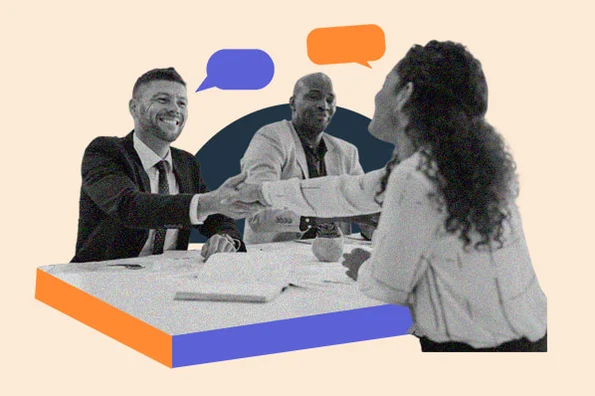
Type A individuals are typically characterized as ambitious, organized, and time-conscious. They often thrive in competitive environments and maintain a high drive for achievement. However, this intensity can sometimes lead to impatience or an tendency to take on excessive workloads, which may increase personal stress levels. In a professional setting, you will likely find these individuals setting rigorous schedules, maintaining detailed to-do lists, and pushing for rapid completion of tasks. Their focus is often on the “what” and the “when,” prioritizing efficiency and measurable outcomes above all else. This drive can be incredibly beneficial for meeting tight deadlines and executing clear, linear projects where speed and precision are paramount.
Type B individuals generally exhibit a more relaxed and steady approach to their work. They are often noted for their patience, creative problem-solving abilities, and a lower propensity for stress in high-pressure situations. Rather than focusing exclusively on the speed of output, they often prioritize long-term goals and a balanced workflow. This does not mean they lack ambition; instead, their achievement style is often more collaborative and less concerned with the minute details that might preoccupy their Type A counterparts. Type B professionals tend to excel in roles that require sustained creativity, relationship building, and strategic thinking, where rushing to a conclusion could compromise the quality of the result.
It is common for individuals to identify with both categories depending on the specific project or environment. For example, you might be highly organized and time-sensitive when managing a complex product launch, yet adopt a more creative and flexible mindset when brainstorming new marketing strategies. This fluidity is a normal aspect of human behavior, as our work styles are often dictated by the requirements of the task at hand rather than a static internal trait. Understanding this adaptability allows professionals to code-switch effectively, applying the right behavioral tools for the specific challenge they are facing.
The Origins of Personality Categorization
The A/B personality construct originated in the 1950s, not as a tool for office management, but as a framework for cardiologists to assess health risks. Researchers found that certain behavioral patterns were linked to a higher incidence of coronary heart disease. The resulting Jenkins Activity Survey became a foundational tool for identifying these behaviors. While this research highlighted the impact of mental states on physical health, the labels evolved over time to become a popular, albeit simplified, way to describe social and workplace interactions.
From Medical Diagnosis to Corporate Jargon
The transition of these terms from clinical settings to corporate boardrooms was gradual but significant. Initially, the focus was strictly on the physiological toll of constant urgency and hostility. Type A behavior was viewed as a risk factor for heart attacks, characterized by time urgency, competitiveness, and a sense of being constantly pressed against the clock. Type B behavior, in contrast, was seen as the healthier alternative, marked by a more relaxed demeanor and a lack of such intense time pressure.
As the concept gained traction in popular culture, the medical context was largely stripped away. The labels became convenient shorthand for describing work ethics and interpersonal dynamics. Managers began using them to explain why certain employees clashed or why specific teams struggled with project timelines. While this democratization of the concept made it accessible, it also led to a loss of nuance. The original health warnings were often ignored in favor of using the terms to justify performance expectations or to categorize employees into rigid boxes.
The Evolution of Modern Assessments
Today, many professionals find that the classic A/B dichotomy does not fully capture the complexity of human personality. As organizations prioritize diverse collaboration, more sophisticated frameworks like DiSC or the Myers-Briggs Type Indicator have gained popularity. These models break personality down into multiple drivers, such as dominance, influence, steadiness, and conscientiousness, providing a more granular view of how an employee might contribute to a team.
The shift toward these multi-dimensional models reflects a broader understanding of human behavior. Instead of viewing personality as a single axis from “fast” to “slow,” modern assessments recognize that individuals can be high in multiple traits simultaneously. For instance, a person can be highly conscientious (detail-oriented) but also high in influence (people-oriented), creating a unique profile that doesn’t fit neatly into the Type A or Type B categories. This evolution allows for more precise team building and conflict resolution strategies.
Why Detailed Personality Profiles Matter
Detailed personality assessments offer a deeper understanding of behavioral drivers than the simple A/B split. For instance, a person scoring high in steadiness within a DiSC framework might appear similar to a Type B personality due to their preference for stability and avoidance of conflict. However, another individual with high influence might also appear like a Type B due to their spontaneous, outgoing nature. Despite these surface similarities, their professional needs and management styles are fundamentally different.
Unpacking Surface Similarities
When we look closely at these distinctions, the limitations of the A/B model become apparent. A “Steady” individual values consistency, routine, and supportive environments. They may seem relaxed, but their primary motivation is security and harmony. In contrast, an “Influential” individual is driven by recognition, social interaction, and new ideas. They may also appear relaxed and unstructured, but their motivation is engagement and excitement.
If a manager treats these two individuals as identical “Type B” employees, they are likely to make significant errors in delegation and feedback. The Steady employee might feel overwhelmed by the rapid changes and social demands that energize the Influential employee. Conversely, the Influential employee might become bored and disengaged in the stable, routine-heavy environment that comforts the Steady employee. Recognizing these underlying drivers allows for more effective leadership and support.
The Risk of Oversimplification
When we rely on broad categories, we risk oversimplifying the unique strengths each person brings to the table. A data-driven problem solver who prioritizes accuracy might exhibit traits that seem contradictory under the A/B model—combining the meticulousness of a Type A with the deliberate, slower pace of a Type B. By utilizing more nuanced profiling, managers can better align tasks with individual strengths, fostering a more productive and satisfied workforce.
Oversimplification can also lead to unfair performance evaluations. A Type A employee might be praised for their speed but criticized for their lack of collaboration, while a Type B employee might be praised for their teamwork but criticized for missing deadlines. Without a deeper understanding of the context and the individual’s specific strengths, these evaluations can feel arbitrary and demotivating. Nuanced profiling helps create a more holistic view of performance, recognizing that different tasks require different behavioral approaches.
Enhancing Team Dynamics
Understanding these detailed profiles also enhances team dynamics by promoting empathy and mutual respect. When team members understand why their colleagues behave the way they do, they are less likely to interpret differences as personal attacks or incompetence. For example, a Type A employee might learn to appreciate the thoroughness of a Type B colleague, recognizing that their careful approach prevents costly errors. Similarly, a Type B employee might understand the urgency of a Type A colleague, seeing their drive as a commitment to excellence rather than mere aggression.
This mutual understanding fosters a culture of collaboration where diverse working styles are valued. Teams can leverage the speed and decisiveness of Type A members alongside the creativity and patience of Type B members, creating a balanced approach to problem-solving. By moving beyond simple labels, organizations can build more resilient and adaptable teams that are better equipped to handle complex challenges.
Practical Application in the Workplace
Ultimately, the most effective way to use these frameworks is to focus on day-to-day functionality rather than rigid labels. Whether you categorize yourself as Type A, Type B, or a hybrid, the primary objective is to build systems that support your personal productivity and team cohesion. You should prioritize the tools and habits that help you meet your goals, regardless of whether they fit a specific personality profile.
Self-Assessment for Better Efficiency
Consider the following aspects of your own professional life to determine what truly drives your efficiency:
- Organization: Do you rely on rigid, time-blocked schedules, or do you prefer a flexible list of priorities? Understanding your organizational preference can help you choose the right project management tools. For instance, a Type A individual might benefit from a detailed calendar with color-coded tasks, while a Type B individual might prefer a Kanban board that allows for more fluid movement of tasks.
- Communication: Do you value direct, concise updates, or do you prefer collaborative, open-ended discussions? Recognizing your communication style can improve your interactions with colleagues. If you are Type A, you might need to consciously slow down and listen to ensure you are not cutting off Type B colleagues who are still formulating their thoughts. If you are Type B, you might need to practice summarizing your points more concisely to respect the time constraints of Type A colleagues.
- Stress Management: Do you perform best under tight deadlines, or do you require a longer runway to produce your highest quality work? Identifying your stress triggers can help you negotiate realistic timelines. Type A individuals might need to build in buffer times to prevent burnout, while Type B individuals might need to set artificial deadlines to maintain momentum.
Adapting to Team Needs
By evaluating these factors, you can create a work style that works for you. Whether you choose to lean into your natural tendencies or adapt your behavior to meet the needs of a project, the goal remains the same: sustained performance and professional growth. You don’t need to force yourself into a specific bucket to be successful; you simply need to understand how to operate effectively within your own working context.
Adaptability is a key skill in the modern workplace. Even if you are naturally Type A, there may be times when you need to adopt a more Type B approach to foster creativity or build relationships. Conversely, Type B individuals may need to adopt Type A traits when dealing with urgent crises or strict regulatory requirements. The ability to code-switch between these modes is a sign of emotional intelligence and professional maturity.
Building Inclusive Work Environments
For leaders, understanding these personality differences is crucial for building inclusive work environments. This involves creating spaces where both Type A and Type B behaviors are valued and supported. For example, meetings can be structured to allow for both rapid decision-making and deep, reflective discussion. Project plans can include both clear milestones for progress tracking and flexible phases for creative exploration.
By acknowledging and accommodating different personality types, organizations can reduce turnover and increase employee satisfaction. When employees feel that their natural working style is respected and supported, they are more likely to be engaged and productive. This inclusive approach not only benefits individual employees but also enhances the overall performance and resilience of the organization.
AEO/GEO
Want to learn more?
Contact us for direct consultation and support.