7 Reasons Landing Pages Are Critical for Lead Generation
What Is a Landing Page and Why It Matters
A landing page is a standalone web page created specifically for a marketing or advertising campaign, designed with a single, focused goal: to convert visitors into leads by capturing their contact information. Unlike a homepage, which serves many purposes and directs traffic in multiple directions, a landing page removes distractions and guides the user toward one specific action, such as downloading an ebook, signing up for a webinar, or requesting a demo. This focused approach is fundamental to effective inbound marketing, as it aligns the visitor’s intent with a clear value exchange. By eliminating extraneous links and navigation options, you ensure that the user’s attention remains fixed on the offer presented to them.

Despite their importance, landing pages remain underutilized in many organizations. Industry data suggests that 44% of clicks from B2B companies are directed to the business homepage rather than a dedicated landing page. Furthermore, among those that do use landing pages, 62% have six or fewer total pages. This gap often stems from a lack of technical know-how or resource constraints within marketing departments. However, ignoring landing pages means leaving significant conversion potential on the table. For businesses aiming to refine their generative search optimization (GEO) and AI-driven content strategies, understanding the mechanics of conversion is just as vital as understanding content creation. When users arrive via AI-generated summaries or search results, they expect immediate relevance; a generic homepage fails to provide that specificity, whereas a targeted landing page delivers exactly what was promised.
The Mechanics of Conversion
To understand why landing pages work, consider a practical scenario. Imagine you run a professional painting business and publish blog posts about interior design trends. A prospective customer searches for “nursery color schemes” and lands on your article. At the bottom of the post, you offer a free consultation via a call-to-action (CTA). If that CTA leads to your homepage, the visitor faces a maze of options and may leave. Instead, if it leads to a dedicated landing page for the consultation, the visitor sees only relevant information and a form to submit their details. This streamlined path reduces friction and increases the likelihood of conversion. The psychological effect is significant: when a user is presented with a single, clear path forward, decision fatigue is minimized, and the barrier to entry feels lower.
This pathway applies across various channels, including email campaigns, social media ads, pay-per-click (PPC) campaigns, and organic search. The key is consistency: the message that brought the user to the page must match the offer on the landing page. When executed correctly, landing pages transform casual visitors into qualified leads who have explicitly expressed interest in your services. This alignment between ad copy and landing page content is known as message match, and it is a critical factor in maintaining user trust. If a user clicks an ad for a specific discount or guide and lands on a generic homepage, they often feel misled, leading to immediate bounce. A dedicated landing page reinforces the promise made in the initial click, creating a seamless user experience that encourages completion of the desired action.
Core Components of High-Converting Landing Pages
Creating an effective landing page requires attention to specific structural elements. These components work together to build trust, convey value, and encourage action. While design aesthetics matter, the functional layout is what drives results. A well-constructed landing page should feel intuitive, requiring minimal effort from the user to understand what is being offered and how to claim it. The architecture of the page must guide the eye naturally from the headline to the benefit statements, and finally to the conversion form. Every element on the page should serve the primary goal; if an element does not contribute to converting the visitor, it should be removed.
Essential Elements Breakdown
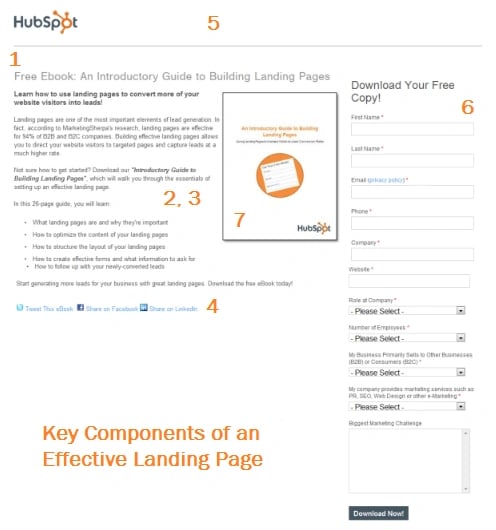
Every successful landing page includes several critical components:
- Headline: This is the first thing visitors see. It must clearly and concisely summarize the offer, answering the question, “What will I get?” A strong headline aligns with the ad or link that brought the user to the page. It should be benefit-driven, focusing on the outcome the user will achieve rather than just the features of the offer.
- Copy: The body text should explain the value of the offer in simple, compelling terms. Use bullet points to highlight key benefits and keep paragraphs short to maintain readability. The copy should address potential objections and reinforce why the user should take the next step.
- Keywords: Incorporating relevant keywords in the title, headers, and text helps optimize the page for search engines, ensuring it appears in relevant queries. This ties directly into broader SEO and GEO strategies. Proper keyword placement ensures that the page is discoverable by users actively searching for solutions related to your offer.
- Social Sharing Buttons: These allow visitors to share the offer with their network, extending its reach organically. This is particularly useful for valuable content like whitepapers or industry reports. When users share the page, it signals credibility and can drive additional traffic from trusted sources.
- Hidden Navigation: Removing top and side navigation bars minimizes distractions. When users have nowhere else to go, they are more likely to focus on the conversion form. This reduces bounce rates and increases conversion likelihood. By stripping away the global site navigation, you create a contained environment that forces the user to engage with the content at hand.
- Lead-Capture Form: This is the most critical element. The form should request only essential information to lower friction. Fields like name, email, and phone number are standard, but asking for too much data upfront can deter submissions. The goal is to balance the need for data with the user’s willingness to provide it.
- Image: A relevant image or graphic helps visualize the offer. For example, if offering an ebook, show the cover. If offering a service, show a person benefiting from it. Visuals make the page more engaging and trustworthy. High-quality imagery can break up text and provide visual cues that reinforce the written message.
The Role of Thank-You Pages
The conversion process does not end when the user submits the form. A thank-you page confirms receipt of the information and delivers the promised offer or outlines next steps. For instance, if the offer was an ebook, the thank-you page provides a download link. If it was a consultation, it might confirm that a representative will contact them shortly. This step is crucial for maintaining trust and ensuring the lead feels valued. Additionally, automated email responders can reinforce this message, providing log-in credentials for webinars or additional resources. Leaving a lead without clear next steps can result in lost interest or confusion. The thank-you page is also an opportunity to further engage the user, perhaps by suggesting related content or inviting them to follow your social media channels, thereby extending the relationship beyond the initial conversion.
Strategic Benefits of Using Landing Pages
Landing pages are not just tactical tools; they are strategic assets that enhance overall marketing performance. They provide a structured way to generate leads, collect data, and measure the effectiveness of campaigns. For businesses leveraging AI content automation, landing pages serve as the endpoint where automated traffic meets human intent. They act as the bridge between broad awareness and specific interest, allowing marketers to capture high-intent users at various stages of the buyer’s journey.
1. Enhanced Lead Generation
Sending traffic to a homepage is often ineffective because it lacks focus. Landing pages provide a dedicated space for specific offers, significantly increasing conversion rates. By tailoring the page to the campaign’s message, you capture leads more efficiently. This is especially important in competitive industries where every lead counts. The ability to segment and nurture these leads further enhances their value to the sales team. When leads are captured through specific landing pages, they are already categorized by interest, allowing for more targeted follow-up communications.
2. Structured Offer Management
Marketing offers, such as ebooks, webinars, or free trials, need a home. Landing pages serve as that home, gating the content behind a form. This ensures that you collect contact information in exchange for value. Without landing pages, these offers lose their lead generation potential. They become mere downloads rather than conversion opportunities. Structuring offers this way creates a sustainable pipeline of qualified leads. It also allows you to track the performance of each offer independently, identifying which topics resonate most with your audience.
3. Data Collection and Profiling
Each form submission provides valuable demographic and behavioral data. You learn who is interested in your offers, what topics resonate, and how they engage with your content. This information helps marketing teams refine personas and tailor future campaigns. Sales teams also benefit, as they have context before reaching out. Understanding lead behavior allows for more personalized and effective communication. This data-driven approach ensures that marketing efforts are not just guesswork but are informed by real user interactions and preferences.
4. Engagement Tracking
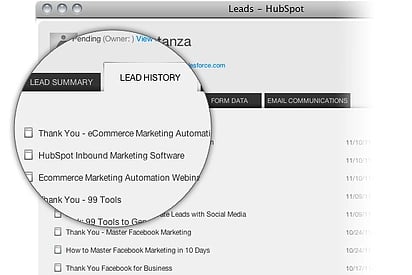
Landing pages enable you to track reconversions, identifying which leads are most engaged. If a lead downloads multiple resources, they are likely further along in the buyer’s journey. This data helps prioritize follow-ups and allocate resources effectively. It also provides insights into content performance, showing which topics drive the most interest. By monitoring these metrics, you can identify power users and tailor high-value offers to them, maximizing the return on investment for your marketing efforts.
5. Fuel for Multi-Channel Marketing
Landing pages support various marketing channels. They can be promoted via email, social media, PPC, and organic search. This versatility makes them a central hub for inbound efforts. A single landing page can drive results across multiple platforms, maximizing ROI. This integration is key to a cohesive marketing strategy. Whether you are running a paid ad campaign or an organic social media push, having a dedicated landing page ensures that the user experience is consistent and optimized for conversion, regardless of the entry point.
6. Performance Insights
Every landing page is a data asset. By analyzing metrics like conversion rates, bounce rates, and traffic sources, you gain insights into campaign effectiveness. This data informs optimization efforts, allowing you to tweak headlines, copy, or design for better results. Over time, this iterative process leads to improved performance and higher quality leads. A/B testing different elements on your landing pages can reveal subtle preferences of your audience, enabling you to refine your messaging and design for maximum impact.
Overcoming Implementation Challenges
A common barrier to landing page adoption is the perceived complexity of setup. Many marketing teams lack the technical skills or bandwidth to create and manage pages. However, modern tools have simplified this process significantly. Platforms like HubSpot offer no-code builders that allow marketers to create professional landing pages in minutes. This democratization of design means you no longer need to rely on IT or web developers for every update. Marketers can now experiment with different layouts and offers rapidly, testing hypotheses without waiting for development cycles. This agility allows for faster iteration and quicker responses to market changes.
Scaling Your Landing Page Strategy
The more landing pages you have, the more opportunities you create for conversion. Each campaign, offer, or audience segment deserves its own tailored page. This granularity allows for precise targeting and better performance tracking. Start with your most important offers and expand from there. As you build a library of landing pages, you can analyze which types perform best and replicate those successes. Scaling does not mean creating more pages for the sake of volume; it means creating the right pages for the right audiences. By segmenting your traffic and providing specific landing pages for each segment, you increase relevance and, consequently, conversion rates.
For businesses focused on AI-ready content and generative search visibility, landing pages are the bridge between automated discovery and human engagement. While AI tools can help create and distribute content at scale, landing pages ensure that the traffic generated is converted into measurable business outcomes. By integrating landing page strategy with broader GEO and SEO efforts, you create a comprehensive approach to digital marketing that drives both visibility and growth. As AI continues to evolve, the ability to capture and convert the traffic it generates will become even more critical. Landing pages provide the structured environment necessary to turn AI-driven visibility into tangible leads.
Consider how your current traffic is being handled. Are visitors being directed to generic pages, or are they meeting tailored offers? The answer may reveal opportunities to improve your lead generation efforts. As you refine your approach, remember that simplicity and relevance are key. A well-designed landing page does more than capture emails; it builds trust and sets the stage for a lasting customer relationship. By focusing on the user’s journey and removing friction at every step, you create a positive experience that encourages not just initial conversion, but long-term engagement.
AEO/GEO
Want to learn more?
Contact us for direct consultation and support.