What Is an SEO Backlink and Why Does It Matter?
An SEO backlink is a hyperlink from one website to another. Also known as inbound or incoming links, these connections serve as a fundamental signal to search engines like Google. Search algorithms view backlinks as a vote of confidence. When an authoritative site links to your content, it indicates that your information is credible, relevant, and valuable to users. This relationship forms the bedrock of modern search engine ranking factors.
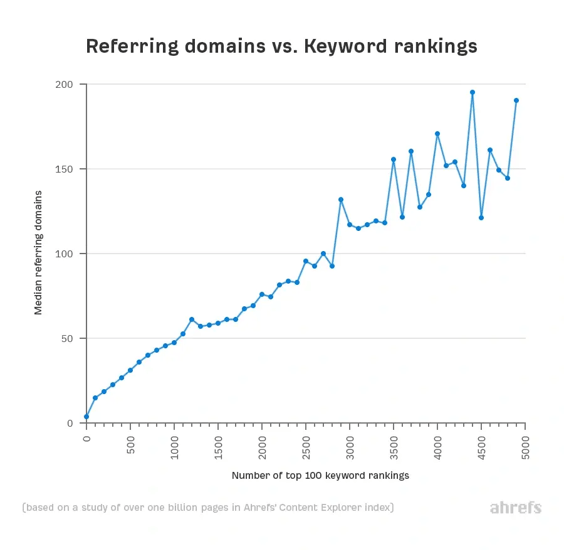
The importance of backlinks in SEO cannot be overstated. Data shows that a significant portion of pages on the web—over 66%—have no backlinks at all. Even more striking, more than 90% of pages receive no organic search traffic from Google. The correlation is clear: high-quality backlinks from reputable domains directly influence your ability to rank for competitive keywords. However, the strategy is not about acquiring the highest volume of links possible. Search engines are sophisticated enough to detect spammy practices. A handful of high-authority links often outperforms hundreds of low-quality ones.
At AEO/GEO, we believe in building visibility through intelligent, authentic content strategies. Our platform helps businesses create and distribute AI-ready content that naturally attracts these valuable links. By focusing on quality over quantity, you build a sustainable foundation for long-term organic growth. The goal is not just to be seen, but to be trusted by both search algorithms and the humans who read your content.
High-Impact Editorial and Guest Backlinks
Editorial backlinks are widely considered the gold standard in link building. These links are earned organically when other website owners find your content so valuable that they reference it naturally in their own articles. These links typically come from high-authority publications with a Domain Rating (DR) of 80 or higher, such as major news outlets or industry leaders. Because they are unsolicited and based on merit, they carry immense weight with search engines. Earning these links requires creating original research, comprehensive case studies, or unique data visualizations that offer something new to the conversation.
Guest post backlinks represent a proactive approach to link acquisition. By writing and publishing high-quality content on other reputable websites within your niche, you gain a contextual link back to your own site. This strategy not only improves your domain authority but also drives targeted referral traffic. The key is to choose sites that are relevant to your industry and to provide genuine value to the host’s audience. A well-executed guest post establishes your brand as a thought leader while expanding your reach to a new audience base.
Niche edits, also known as link insertion, offer a strategic middle ground. Instead of creating new content, you identify existing, high-ranking articles that are relevant to your topic and request the addition of your link. This method is highly efficient because the page is already indexed and likely attracting traffic. You are essentially adding your brand’s context to a conversation that is already happening. At AEO/GEO, we emphasize the importance of relevance in these placements. The link should feel natural and add value to the reader, rather than appearing as an afterthought.
How to Earn Editorial and Guest Links
- Create Original Research: Conduct unique studies or gather proprietary data that journalists and bloggers will want to cite.
- Utilize Expert Platforms: Use services like HARO (Help a Reporter Out) to connect with journalists looking for expert quotes and sources.
- Pitch Value-First: When reaching out for guest posts or niche edits, focus on how your content improves the existing article or fills a content gap.
- Target High Authority: Prioritize websites with a DR of 40 or higher to maximize the SEO impact of your efforts.
Technical Link Attributes and Contextual Types
Understanding the technical attributes of backlinks is crucial for a healthy link profile. Dofollow backlinks are the default type of link. They allow search engine crawlers to follow the link and pass on link equity (or “link juice”) to the destination page. This transfer of authority is what directly boosts your rankings. When a high-quality site links to you with a dofollow attribute, it signals to Google that your content is a trusted resource. Most links you acquire through guest posting, editorial mentions, or niche edits will be dofollow by default.
Nofollow backlinks, on the other hand, contain a rel="nofollow" attribute. This tag instructs search engines not to pass authority to the linked page. While they do not directly contribute to your domain authority, nofollow links are still vital. They drive referral traffic, increase brand visibility, and contribute to a natural, diverse link profile. Over-optimizing with only dofollow links can trigger spam filters. Nofollow links are common in social media posts, user-generated comments, and sponsored content. A balanced mix of both types is the hallmark of a legitimate SEO strategy.
Image and video backlinks are often overlooked but can yield significant results. An image backlink occurs when another site uses your graphic and links back to the source page. Studies have shown that webpages with high-quality images earn significantly more backlinks. Creating shareable infographics, data charts, or original product photos can lead to passive link acquisition. Similarly, video backlinks from platforms like YouTube or Vimeo can drive traffic and brand awareness. While these links are typically nofollow, the exposure and potential for viral sharing make them a valuable component of a holistic content strategy.
Common Link Attributes Explained
| Attribute | Description | SEO Impact |
|---|---|---|
| Dofollow | Default link type; allows crawlers to pass authority. | High; directly boosts domain authority and rankings. |
| Nofollow | Contains rel="nofollow"; tells crawlers not to pass authority. |
Low for authority; high for traffic and natural profile diversity. |
| UGC (User-Generated Content) | Used for links in comments or forums. | Minimal; helps prevent spam from user areas. |
| Sponsored | Used for paid or sponsored content. | Low; required for compliance and transparency. |
Strategic Acquisition: Broken Links, Directories, and Brand Mentions
Broken link building is a tactical approach that provides value to webmasters. The process involves scanning relevant websites in your niche for broken links (404 errors) and suggesting your own relevant content as a replacement. This method is effective because you are solving a problem for the site owner while earning a high-quality backlink. Tools like Check My Links or Broken Link Checker can help identify these opportunities. The success of this strategy hinges on having content that is a direct, high-quality replacement for the missing resource.
Directory backlinks remain relevant, particularly for local SEO. Submitting your business to reputable, niche-specific directories ensures consistency in your Name, Address, and Phone number (NAP) data. This consistency is a critical ranking factor for local search results. However, avoid submitting to hundreds of low-quality, generic directories. Focus on industry-specific listings like the Better Business Bureau, Yelp, or specialized trade directories. In competitive industries like legal or finance, high-quality directory links can provide a necessary edge over competitors who rely on low-effort strategies.
Unlinked brand mentions represent a low-hanging fruit for link acquisition. Often, other websites will mention your brand, product, or research without providing a hyperlink. These are missed opportunities. By using tools like Ahrefs Content Explorer, you can monitor for your brand name and identify these unlinked mentions. Reaching out to the webmaster to request a link is a simple, high-success-rate tactic. The content is already positive and relevant; adding the link simply improves the user experience by providing a direct source.
Steps to Reclaim Unlinked Brand Mentions
- Monitor Your Brand: Use SEO tools to track mentions of your brand name across the web.
- Filter for Relevance: Identify mentions on sites with high domain authority and topical relevance.
- Analyze the Context: Ensure the mention is positive and that linking to your site adds value.
- Reach Out Politely: Contact the webmaster, thank them for the mention, and kindly request a link to your relevant page.
High-Authority and Relationship-Based Links
Edu and gov backlinks are among the most prestigious links you can acquire. Websites with .edu (educational) and .gov (government) domains are inherently trusted by search engines. These links are difficult to earn because these institutions are selective about who they link to. For educational sites, creating scholarships, hosting student internships, or sponsoring research projects can lead to natural links. Government sites are even more selective, often requiring formal partnerships or data contributions. While the effort is high, the authority boost from a single edu or gov link can be substantial.
Testimonial and badge backlinks leverage existing business relationships. When you provide a testimonial for a software tool or service you use, the company often features your review on their website with a link back to your business. Similarly, digital badges for certifications, awards, or partnerships can be embedded on partner sites. These links are highly relevant and come from trusted sources. They also serve as social proof, enhancing your brand’s credibility to potential customers. Building these links requires maintaining strong, positive relationships with vendors and partners.
Influencer-generated backlinks tap into the authority of industry leaders. When an influencer with a large, engaged audience mentions or links to your content, it signals strong endorsement. In the context of Google’s E-E-A-T (Experience, Expertise, Authoritativeness, Trustworthiness) guidelines, these links carry significant weight. Collaborating with influencers on round-up posts, joint research, or product reviews can generate high-quality links. The key is to choose influencers who are genuinely respected in your niche, rather than those with inflated but disengaged followings.
Building Relationships for Long-Term Link Growth
- Co-Marketing Campaigns: Partner with other brands on webinars, podcasts, or research projects to naturally exchange links.
- Podcast Appearances: Being a guest on industry podcasts often results in links in the show notes.
- Expert Round-ups: Participate in expert Q&A posts to gain links from curated content pieces.
- Consistent Engagement: Engage with potential partners on social media and their content before asking for a link.
Social, Footer, and Forum Links: The Nuanced Reality
Social media backlinks are primarily nofollow, but their indirect SEO value is significant. Sharing your content on platforms like LinkedIn, Twitter, or Facebook can drive substantial traffic and engagement. High engagement metrics, such as time on page and low bounce rates, are positive signals to search engines. Furthermore, social sharing increases the likelihood that your content will be seen by journalists or bloggers who might link to it editorially. The goal is not to get a direct SEO boost from the social link itself, but to amplify your content’s reach and visibility.
Footer links are sitewide links that appear on every page of a website. While often used for internal navigation, external footer links can be acquired through partnerships or vendor relationships. However, search engines scrutinize footer links closely. If they appear manipulative or excessive, they can be devalued or penalized. Use footer links sparingly and only for highly relevant, high-value partnerships. Internal footer links are a best practice for site architecture, helping users and crawlers navigate to key pages like privacy policies or contact information.
Comment and forum backlinks are the easiest to acquire but also the least valuable. Leaving links in blog comments or forum signatures is a common tactic, but search engines are adept at identifying and devaluing this type of link. In many cases, these links are treated as nofollow or ignored entirely. Over-reliance on comment links can signal a spammy link profile. While participating in forums like Quora or Reddit is valuable for brand awareness and community building, it should not be a primary strategy for link acquisition. Focus instead on building authority through high-quality, linkable content.
Evaluating Link Quality: A Checklist
- Relevance: Does the linking site’s topic align with your industry?
- Authority: What is the domain authority or rating of the linking site?
- Traffic: Does the site receive genuine, organic traffic?
- Context: Is the link placed naturally within relevant content?
- Dofollow/Nofollow: Is the link attribute appropriate for the context?
Expert Tips for Sustainable Link Building
Focusing on quality over quantity is the cornerstone of modern SEO. A single link from a highly relevant, authoritative site will outperform hundreds of links from low-quality directories or spammy blogs. When evaluating link prospects, look beyond domain authority. Consider whether the website represents a legitimate business or a platform built solely for selling links. Authenticity matters. Search engines are increasingly sophisticated at detecting unnatural link patterns. Building a diverse, natural profile takes time, but it yields sustainable, long-term results.
Prioritize low-hanging fruits for quick wins. Unlinked brand mentions and existing relationships are the easiest places to start. These opportunities require minimal outreach effort because the positive sentiment already exists. By monitoring your brand mentions and following up regularly, you can steadily grow your backlink profile without aggressive outreach campaigns. This approach builds a solid foundation while you develop more complex link-building strategies.
Leverage relationships, not just transactions. The future of link building lies in genuine connection. Instead of treating webmasters as link vendors, view them as potential partners. Offer value first—whether through insightful content, expert commentary, or collaborative projects. When you build meaningful relationships with industry players, links become a natural byproduct of mutual respect and shared goals. This human-centric approach not only improves your SEO but also enhances your brand’s reputation.
Widen your prospecting to indirectly related verticals. If your niche is highly competitive, look for opportunities in adjacent industries. For example, a vegan skincare brand might find relevant linking opportunities with environmental organizations or sustainability blogs. By expanding your scope, you can discover untapped link prospects that still align with your brand values. This strategy helps diversify your link profile and reduces reliance on a single, saturated niche.
Monitor and disavow low-quality links. As your site grows, you may attract spammy links from competitors or automated bots. Regularly audit your backlink profile using tools like Google Search Console or third-party SEO software. If you identify a significant number of toxic links, use Google’s Disavow Tool to request that they be ignored. This proactive management protects your site from negative SEO attacks and ensures that your link profile remains healthy and authoritative. At AEO/GEO, we emphasize the importance of continuous monitoring to maintain peak visibility in both traditional and AI-driven search ecosystems.





