Live video has evolved from a novelty into a fundamental pillar of modern communication. For businesses aiming to establish trust and drive engagement, understanding the current landscape is essential. The data shows a clear shift: audiences prefer raw, authentic interactions over polished, pre-recorded content. This preference creates significant opportunities for brands willing to adapt their strategies.
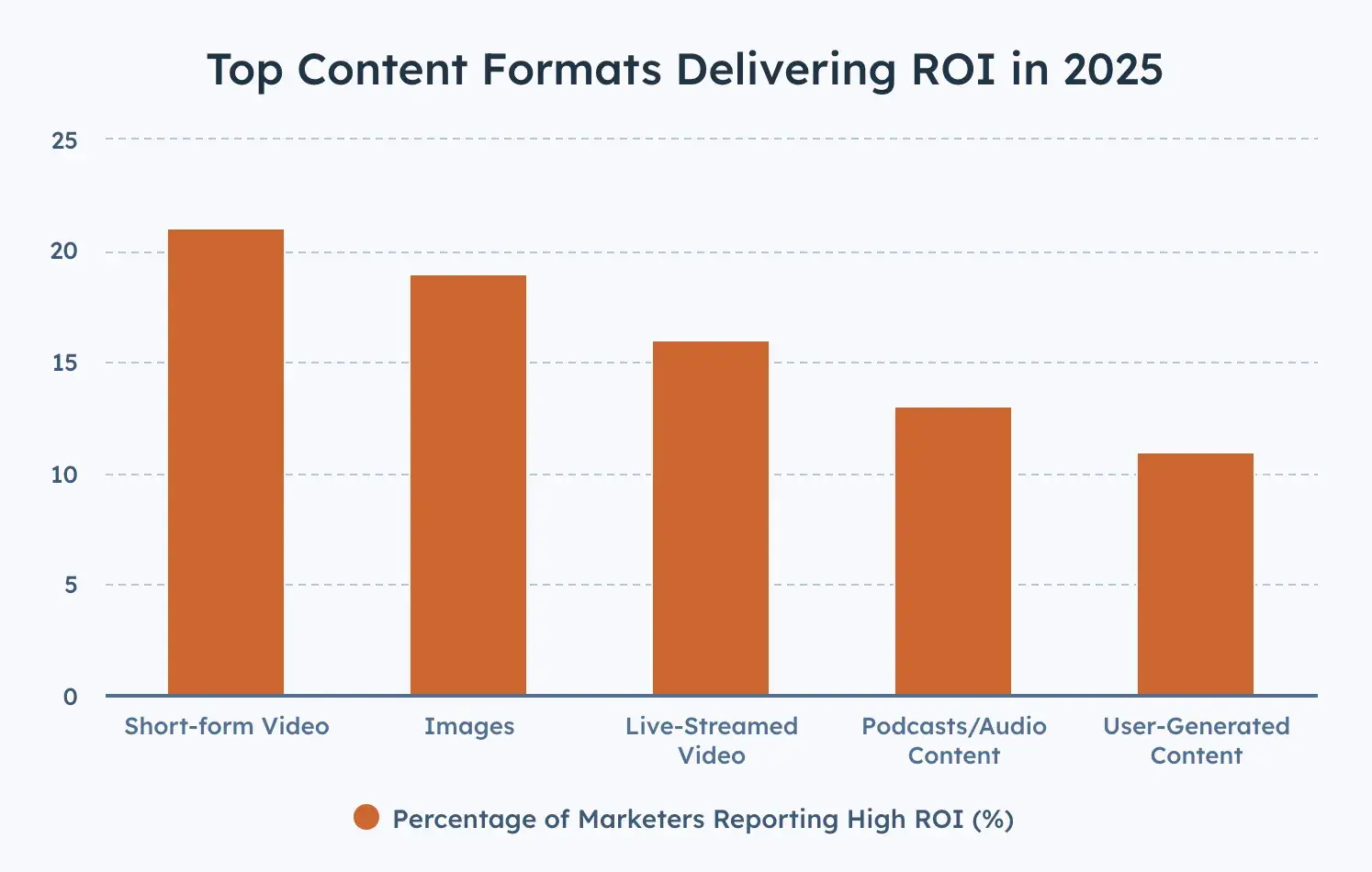
As we navigate this year, the integration of live streaming into broader marketing plans is no longer optional for many sectors. It influences purchasing decisions, enhances internal communication, and expands brand reach. The following insights break down the current state of live video, offering a roadmap for managers and decision-makers looking to refine their approach.

The Growth and Economic Impact of Live Video
The economic footprint of live streaming continues to expand at a rapid pace. In 2023, 81% of companies reported having a dedicated marketing budget for video, signaling a structural shift in how resources are allocated. This investment is driven by tangible returns; live video streams ranked as the third most popular type of online video in the third quarter of 2023. The global live-streaming market revenue grew from $1.24 billion in 2022 to $1.49 billion in 2023, reflecting increased adoption across industries.
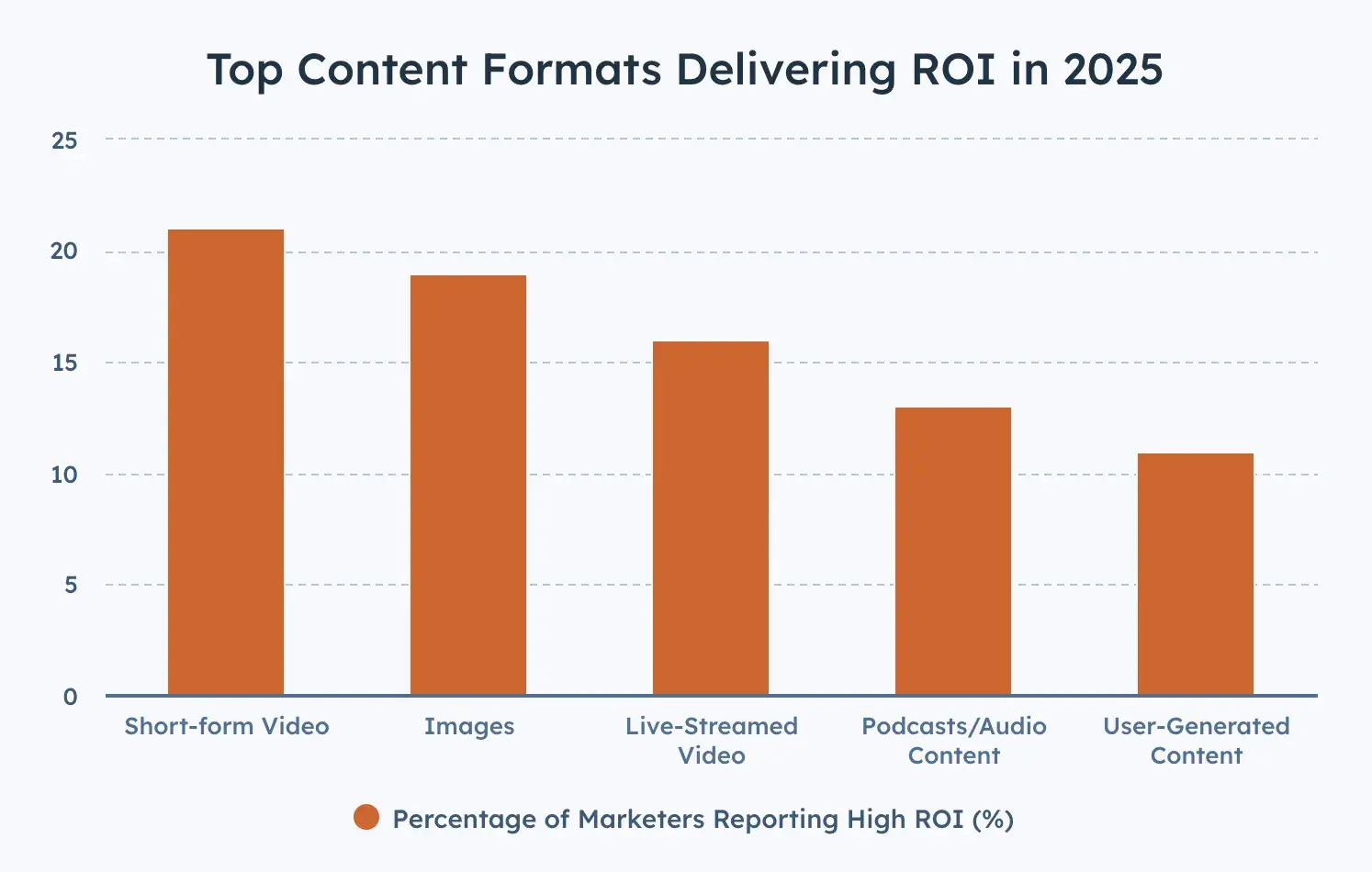
Projections for the future are even more substantial. The live-streaming video market is expected to reach $416.84 billion by 2030. This growth is not limited to entertainment; it extends into commerce and education. Marketers consistently rank live video as the third most engaging content format, behind only short-form and pre-recorded tutorials in some surveys. The rise of “live commerce,” where purchases are made directly during a stream, is particularly notable. In the U.S., 49% of users report they would like to spend more money through this format, indicating a high appetite for interactive shopping experiences.
Why Revenue Is Rising
The revenue growth is tied to several factors. First, the technology has become more accessible. Second, platforms have optimized algorithms to favor live content, increasing its visibility. Third, consumer behavior has shifted toward real-time interaction. Viewers find live streams engaging because they offer unscripted moments, behind-the-scenes access, and direct interaction with influencers or experts. These elements create a sense of immediacy and authenticity that pre-recorded content often lacks.
For businesses, this means that investing in live video is not just about brand awareness; it is a direct revenue driver. The ability to answer questions in real-time, demonstrate products, and build a community around a brand can significantly impact conversion rates. As the market matures, we can expect to see more sophisticated tools and integrations that streamline the production and distribution of live content.
How Live Streaming Benefits Brands
Brands are increasingly recognizing the value of live video in their social media strategies. Currently, 46% of brands and marketers use live video as a tactic. This adoption rate is growing, driven by consumer demand. A significant 91% of consumers want to see more online video content from brands, suggesting that there is still room for expansion. Live video stands out in crowded feeds; 37% of viewers consider it the most engaging type of content they encounter.
The demographic appeal of live streaming is broad but particularly strong among younger audiences. Twenty percent of U.S. adults between 18 and 34 watch live stream video several times a day. On a broader scale, 27% of all internet users watch live-streaming content weekly. Despite this high engagement, brands are still underutilizing the format. On Facebook, for instance, only 19% of the videos posted by brands are live, compared to 81% pre-recorded. This gap represents a significant opportunity for differentiation.
Engagement Metrics That Matter
The engagement benefits of live video are quantifiable and substantial. On Facebook, live video generates three times the median interactions compared to carousel posts. This higher engagement rate translates to better algorithmic visibility and deeper audience connection. For professional networks, the impact is even more pronounced. On LinkedIn, live video receives 24 times more comments than native, pre-recorded video. This disparity highlights the power of real-time interaction in fostering professional dialogue and community building.
For brands, these metrics suggest that live video is not just a content format but a relationship-building tool. It allows for immediate feedback, Q&A sessions, and a sense of presence that static content cannot replicate. By incorporating live video into their strategy, brands can humanize their image and create more meaningful connections with their audience.
Platform Preferences and Audience Behavior
Choosing the right platform for live streaming is critical to reaching the intended audience. The most popular platforms include Twitch, YouTube Live, Instagram Live, X, LinkedIn Live, and Livestream by Vimeo. Each platform caters to different demographics and content types. In the third quarter of 2023 alone, viewers consumed 7.6 billion hours of live content across all platforms. Twitch leads in total hours watched, with over 9.3 billion hours clocked worldwide, largely driven by gaming and creative content.
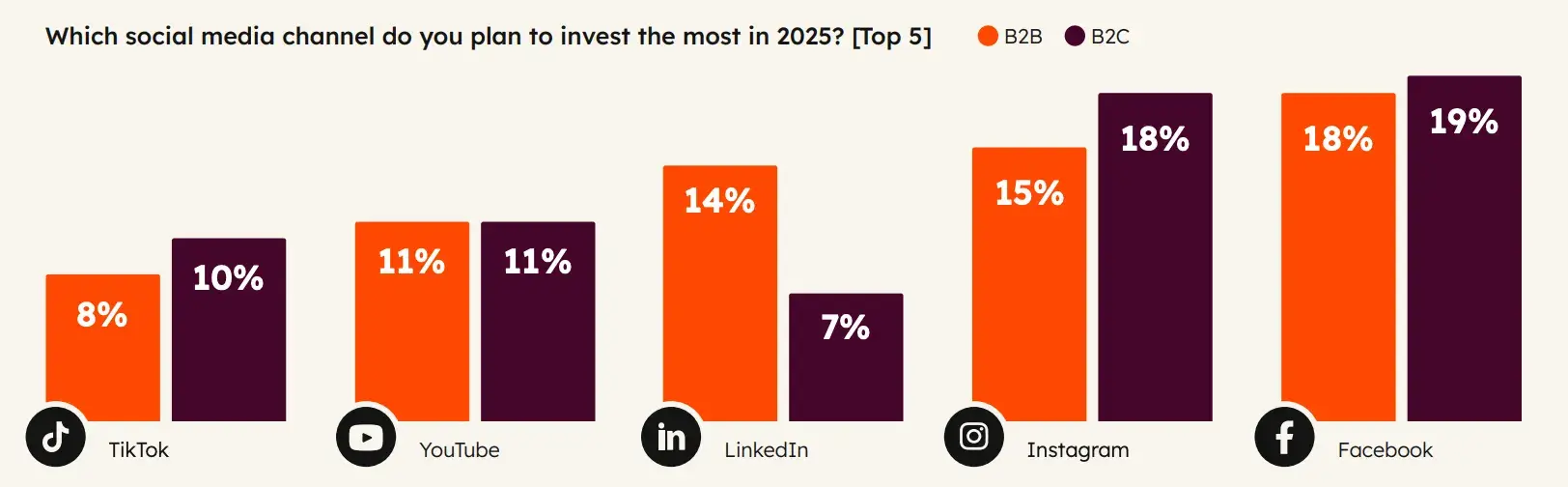
However, YouTube Live has seen significant growth in non-gaming content. In the second quarter of 2023, YouTube Live had more non-gaming viewing hours than Twitch. For general audiences, 52% of viewers prefer YouTube for live streaming, followed by Facebook at 42.6%. Newer platforms are also gaining traction. Kick, a relatively new streaming service, reached 1 million users within its first few months. TikTok saw the biggest positive increase in brand usage from 2022 to 2023, with a 16% gain, reflecting its growing importance in social commerce and short-form live content.
Understanding Viewer Intent
Audience behavior varies significantly by platform. On Instagram, 43% of young adult users in the U.S. prefer Instagram Live over other video types on the platform. This preference is driven by the platform’s focus on visual storytelling and personal connection. The commercial impact of these preferences is notable. People who engage in live streams are 43% more likely to buy a premium product. Additionally, watching a live video increases the likelihood of buying an event ticket by 67%. These statistics underscore the persuasive power of live video in driving high-value transactions.
By the end of 2023, live videos were more popular among viewers than educational or tutorial videos. This shift suggests that audiences are seeking entertainment and connection as much as information. Brands should consider this when planning their content, balancing educational value with engaging, interactive elements.
Why Use Live Streaming for B2B?
Live streaming is often associated with B2C marketing, but it offers substantial benefits for B2B companies as well. The shift to remote work has isolated many employees, including those with purchasing power. Live video fulfills a need for natural interaction and provides a more trusted format for influencing B2B buyers. Social video is currently the most trusted form of content for B2B decision-makers. Live events allow customers to feel involved and in the know, with the ability to ask questions and receive immediate answers.
Enhancing Internal Communication
Beyond external marketing, live streaming can improve internal communication. At B2B companies, effective internal communication is crucial for sales and alignment. Live streams provide opportunities for engagement that text and recorded video cannot match. Fifty-three percent of companies broadcast or stream live video to employees at least once per week. This regular communication helps maintain company culture, disseminate information quickly, and foster a sense of community among remote teams.
Webinars, a form of live video, are often the most profitable content format for B2B companies. They can be repurposed into handouts, blog posts, and other materials, maximizing the return on investment. To succeed, it is essential to promote these events sufficiently, building hype and providing frequent reminders to attendees. Choosing the right spokesperson is also critical; they should be charismatic, knowledgeable, and comfortable on camera.
Expanding Marketing Reach
Live streaming can expand a B2B brand’s reach by providing consistent entertainment and value. Employees with purchasing power have more flexibility in how and when they consume content. By meeting them on platforms they use, such as LinkedIn, Facebook, or Instagram, brands can tap into untapped audiences. The key is to provide value that resonates with their professional needs and interests. This approach can lead to significant gains in brand awareness and lead generation.
Planning Your Live Video Strategy
Developing a successful live video strategy requires careful planning and consideration of available resources. As live video events increase across platforms, viewer behavior will adjust based on production quality, content relevance, and available features. Brands should assess their current capabilities and identify tools that can augment their efforts. This might include investing in better equipment, hiring production support, or using AI-powered tools to streamline the process.
Selecting the Right Platform
Platform selection should align with brand demographics, usage patterns, and purchasing behavior. For general brand awareness, Facebook Live is a strong option due to its large user base. For targeting gamers or Gen Z, Twitch may be more appropriate. LinkedIn Live is ideal for professional and B2B content. It is also worth considering niche platforms that cater to specific audiences. Testing different platforms can help identify where the brand’s message resonates most effectively.
Building a Content Calendar
A consistent content calendar is essential for live video success. It ensures regular engagement and helps build an audience over time. Content should be diverse, including Q&A sessions, product demonstrations, behind-the-scenes looks, and expert interviews. Promoting these events in advance is crucial to drive attendance. Using marketing templates and tools can help streamline the planning and promotion process. For example, HubSpot’s free marketing templates can provide a starting point for organizing live video campaigns.
Start Using Live Video Streaming Now
The data is clear: live video is a powerful tool for engagement, conversion, and brand building. The rapid growth of live streaming, fueled by the pandemic and changing consumer preferences, shows no signs of slowing down. Projections for 2030 suggest that live video will become an even more dominant force in online marketing. Brands that delay adoption risk falling behind competitors who are already leveraging this medium to connect with their audiences.
Integrating live video into your marketing strategy does not require a massive upfront investment. It can start small, with simple live updates or Q&A sessions. Over time, as you gain experience and audience feedback, you can scale up production and frequency. The key is to begin now, to learn what works for your specific audience and brand voice. By doing so, you position your brand to thrive in the evolving landscape of digital communication.
We believe that visibility in the AI-driven search era also depends on authentic, engaging content… live video is a prime example of this. As algorithms evolve to favor user interaction and dwell time, the signals generated by live streams can enhance your overall digital presence. Consider how live video fits into your broader content ecosystem… and how it can complement your written and visual assets to create a cohesive brand experience.
Key Takeaways for Marketers
To summarize the critical points for marketers:
- Investment is Growing: 81% of companies have a dedicated video budget, and the market is projected to reach $416.84 billion by 2030.
- Engagement is High: Live video generates 3x more interactions on Facebook and 24x more comments on LinkedIn compared to pre-recorded content.
- Consumer Demand: 91% of consumers want more video from brands, and 37% find live video the most engaging format.
- B2B Relevance: Live video is the most trusted content for B2B buyers and improves internal communication.
- Platform Choice Matters: YouTube and Facebook are preferred by the majority, but niche platforms like Twitch and TikTok offer specific audience benefits.
- Actionable Steps: Start small, choose the right platform, promote events, and repurpose content for maximum ROI.
By incorporating these insights into your strategy, you can harness the power of live video to build a stronger, more engaged community around your brand. The future of marketing is interactive… and live video is at the forefront of that change.





