Revitalizing old products with new branding is a strategic necessity for companies operating in crowded markets. When you offer a solution that feels identical to dozens of other options, your ability to stand out depends on how you frame the value and experience for your audience. Brands that successfully navigate this landscape often do so by listening closely to customer pain points and shifting the narrative to address unmet needs. By applying this logic, even the most mundane household items can be repositioned as essential lifestyle upgrades. This approach requires more than just a logo change; it demands a fundamental rethinking of the customer experience from the moment of discovery to the final use of the product.


Success in a saturated market is rarely about inventing a brand-new category. Instead, it is about identifying a legacy product that has become stagnant and reintroducing it with a fresh perspective. This process requires a deep understanding of your target market’s frustrations and a willingness to challenge industry conventions. Whether through improved accessibility, unconventional communication, or a refined user experience, these brands demonstrate that market leadership is often a matter of perception and execution rather than pure technical innovation. The key lies in recognizing that customers are not just buying a product; they are buying an identity, a solution to a specific problem, or a sense of belonging to a community that shares their values.
How SKIMS Redefined the Shapewear Market
Shapewear is a classic example of a product category that existed for decades without significant evolution until SKIMS entered the scene in 2019. Despite the presence of established players, the brand managed to capture massive market share by addressing a fundamental disconnect between existing offerings and the actual needs of diverse consumers. By prioritizing inclusivity in both sizing and shade ranges, the brand transformed a utilitarian garment into a must-have item that resonated with a broader audience. Prior to this shift, shapewear was often marketed exclusively toward a narrow demographic, focusing on a single idealized body type and a limited palette of skin tones. SKIMS disrupted this norm by launching with an extensive range of sizes and neutral tones that matched a wide variety of complexions, effectively turning a niche product into a universal staple.
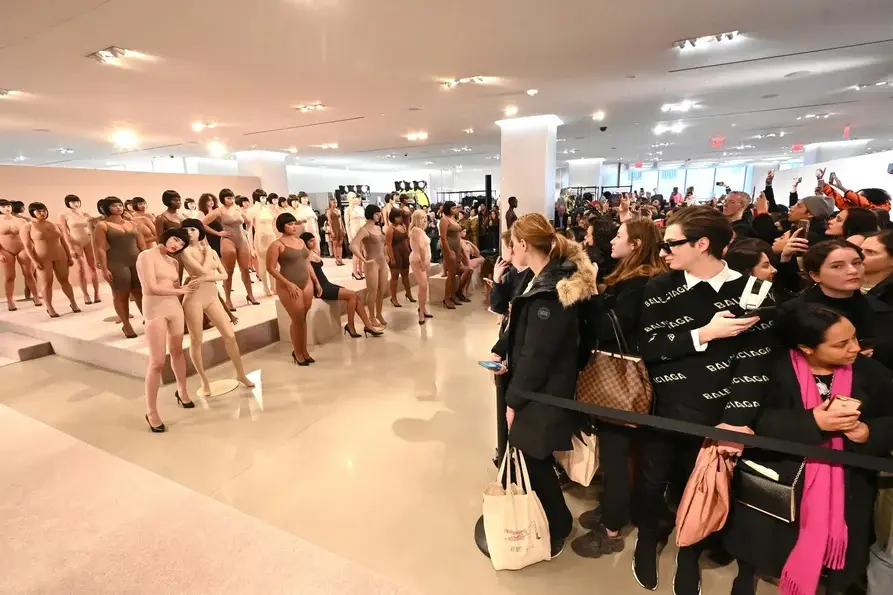
Beyond product design, the brand utilized a strategic drop model to generate consistent demand. By releasing items in limited-edition capsule collections, they created a sense of urgency that encouraged repeat visits from customers who missed out on initial launches. This approach kept the brand at the center of the conversation and ensured that their inventory remained highly sought after. Their growth illustrates how modern marketing tactics can breathe new life into established product categories by fostering a genuine community connection. The drop model is not merely a sales tactic; it is a psychological tool that leverages scarcity to build anticipation. When customers know that a product will only be available for a short window, they are more likely to act quickly, reducing the friction of decision-making and increasing the perceived value of the item.
Why Inclusivity Drives Brand Loyalty
When a company recognizes that its audience feels ignored by legacy competitors, that recognition becomes a powerful differentiator. By providing products that finally fit and flatter a wider range of body types, a brand establishes trust that is difficult for competitors to replicate. This trust is the foundation of long-term loyalty, as customers gravitate toward companies that make them feel seen rather than just targeted as a demographic. Inclusivity is not a trend; it is a fundamental shift in how brands must engage with their audiences. When customers feel that a brand understands their unique needs and respects their identity, they are more likely to become advocates for that brand. This advocacy extends beyond simple word-of-mouth recommendations; it creates a community of supporters who defend the brand and share its values with others.
The Mechanics of the Drop Model
Scarcity creates psychological engagement. When you limit the availability of a product, you naturally increase its perceived value and encourage customers to stay tuned for the next release. This cycle prevents the brand from fading into the background, ensuring that even when a product is sold out, the brand remains top-of-mind for the consumer. The drop model also allows brands to manage inventory more effectively, reducing the risk of overstocking and markdowns. By releasing products in small batches, brands can test market response and adjust their strategies based on real-time data. This agility is crucial in a fast-paced market where consumer preferences can shift rapidly. Furthermore, the drop model encourages customers to engage with the brand on social media, where they can share their excitement about upcoming releases and discuss their favorite items with other fans.
Liquid Death and the Power of Unconventional Branding
Water is perhaps the most commoditized product in existence, yet Liquid Death managed to build a multi-million dollar business by rethinking how it is packaged and presented. Their strategy relies on humorous, aggressive branding that intentionally subverts the clean, soft aesthetic typical of the bottled water industry. By adopting a visual identity more common to energy drinks or heavy metal culture, they made the act of drinking water feel like an alternative, high-energy experience. This bold move challenged the traditional marketing norms of the beverage industry, which often relied on serene imagery and health-focused messaging. Liquid Death recognized that their target audience was tired of the same old water brands and was looking for something that reflected their personality and sense of humor.
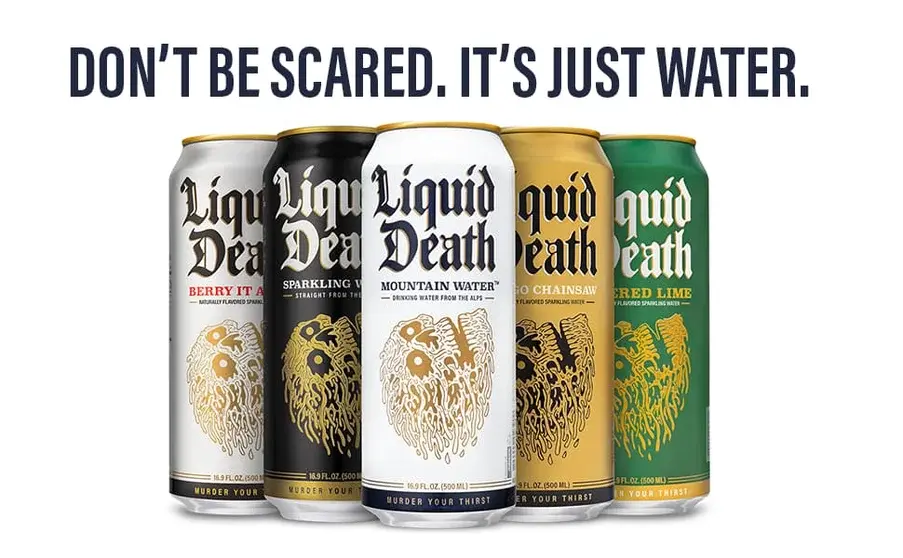
The success of this approach proves that even for a basic necessity, branding is the primary driver of consumer choice. By using aluminum cans instead of plastic bottles, they also tapped into a growing consumer preference for more sustainable packaging, all while maintaining a rebellious persona. This combination of bold identity and practical utility allowed them to secure prime placement in thousands of retail locations and dominate sales on major e-commerce platforms. The choice of aluminum cans was not just a marketing gimmick; it was a strategic decision that aligned with the brand’s values and the preferences of its target audience. Aluminum is more recyclable than plastic, and it keeps water colder for longer, providing a tangible benefit that complements the brand’s humorous messaging.
Creating a Cult-Like Following Through Humor
Humor is an underutilized tool in branding, especially for products that are traditionally marketed with clinical or overly serious tones. When a brand refuses to take itself too seriously, it lowers the barrier for customers to engage and share the content on social media. This organic advocacy is a cost-effective way to build a brand that feels human and relatable in an increasingly automated world. Humor can also help to differentiate a brand in a crowded market, where many competitors are vying for the same audience’s attention. By creating content that is funny, shareable, and memorable, brands can cut through the noise and capture the interest of potential customers. This approach requires a deep understanding of the target audience’s sense of humor and a willingness to take risks.
The Importance of Packaging Differentiation
Sometimes, the physical form of the product is the most important element of your brand strategy. By changing the container, Liquid Death signaled to the consumer that this was not just another bottle of water. This visual cue immediately distinguishes the product on the shelf and justifies a different price point or brand positioning in the mind of the buyer. Packaging is the first point of contact between a brand and its customers, and it plays a crucial role in shaping their perception of the product. A well-designed package can communicate the brand’s values, personality, and quality, while a poorly designed package can detract from the product’s appeal. In the case of Liquid Death, the aluminum can is not just a container; it is a symbol of the brand’s commitment to sustainability and its rejection of traditional water branding norms.
Dollar Shave Club and the Convenience Revolution
Dollar Shave Club fundamentally changed the razor market by removing the friction associated with buying shaving supplies. Before their 2011 launch, purchasing razors meant dealing with high prices, locked cabinets in drugstores, and the constant annoyance of running out unexpectedly. By introducing a subscription-based model that delivered quality blades directly to the customer’s door, they provided a solution that was inherently more convenient than the status quo. This shift in business model disrupted the razor industry, which had long been dominated by a few major players who relied on high markups and in-store impulse buys. Dollar Shave Club recognized that customers were not just buying razors; they were buying convenience and peace of mind.
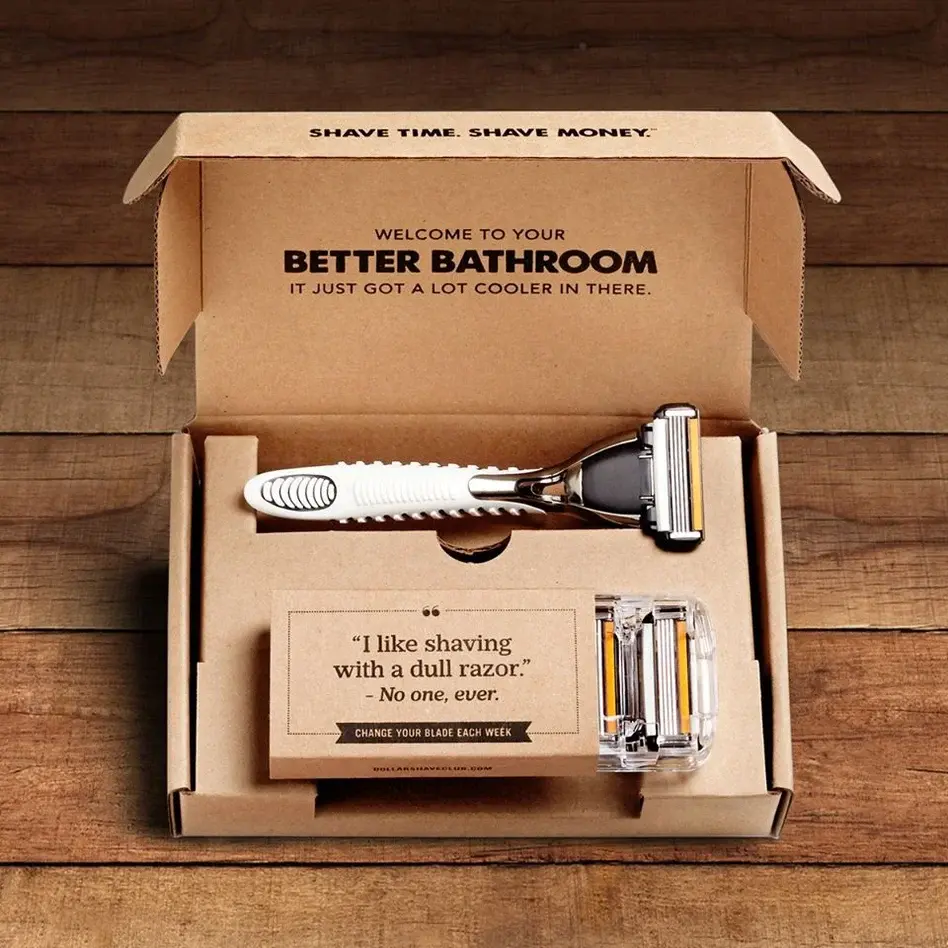
The brand’s success is a direct result of solving a logistical pain point. They didn’t reinvent the razor itself; they reinvented the experience of acquiring it. This shift in service delivery allowed them to cultivate a loyal subscriber base that prioritized the ease of the subscription over the brand loyalty previously held by major manufacturers. Their example shows that service innovation is often as valuable as product innovation. By focusing on the customer experience and removing barriers to purchase, Dollar Shave Club was able to capture a significant share of the market and force competitors to adapt their strategies. This approach highlights the importance of understanding the entire customer journey, from discovery to delivery, and identifying opportunities to improve each step.
Solving Logistical Pain Points
Every industry has hidden friction points that customers have learned to tolerate. When you identify these frustrations and offer a smoother alternative, you create a compelling reason for customers to switch brands. Convenience is rarely a passing trend; it is a primary factor in how users evaluate the brands they invite into their daily routines. By streamlining the purchasing process and eliminating unnecessary steps, brands can provide a superior customer experience that drives loyalty and retention. This requires a deep understanding of the customer’s needs and a willingness to challenge traditional business models. In the case of Dollar Shave Club, the subscription model was not just a convenience; it was a solution to a problem that customers had been facing for years.
Building Recurring Revenue Through Subscriptions
Subscription models change the relationship between a brand and its customers. Instead of a series of one-off transactions, the company establishes an ongoing partnership that requires consistent value delivery. This model forces the brand to maintain high quality and competitive pricing, as the ease of cancellation is balanced by the ease of continued service. Subscriptions also provide brands with a predictable revenue stream, which can be used to invest in product development, marketing, and customer service. This financial stability allows brands to focus on long-term growth and customer satisfaction, rather than short-term sales spikes. Furthermore, subscription models enable brands to gather valuable data on customer preferences and behavior, which can be used to personalize the experience and improve retention rates.





