Words are hard. Whether you are a seasoned copywriter or a business manager trying to articulate your brand’s value, stringing together sentences that resonate is a persistent challenge. In the era of generative AI, where clarity and structure determine visibility, writing well is no longer just an art—it is a technical necessity. Every marketer can improve their craft, provided they have the right environment, the vocabulary, and the discipline to practice.
The tools you choose define your output. From habit-building apps to advanced editing software, the right stack can transform a scattered thought into a polished, AI-ready asset. We have curated a comprehensive list of resources to help you refine your process, ensuring your content stands out in both traditional search and AI-generated answers.
Building Consistent Writing Habits
Consistency is the foundation of strong writing. You cannot improve if you do not practice, and you cannot practice if you wait for inspiration. Tools that enforce routine help you bypass writer’s block and establish a daily flow.
Daily Page
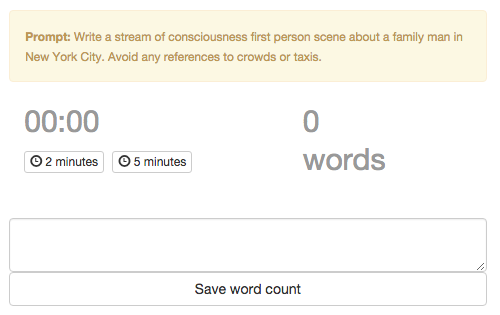
Writer’s block is often a comfort mechanism to avoid the difficult work of creation. Daily Page combats this by sending you a writing prompt every morning. You have the rest of the day to respond. This low-pressure approach ensures you are writing every day, regardless of whether you have a “big idea.” You can share your responses or keep them private, making it a flexible tool for building muscle memory.
750 Words
This platform focuses on the “brain dump” method. It provides a private space to write without the pressure of formatting, tagging, or sharing. The goal is to write 750 words daily—roughly three pages. The app gamifies the process, awarding points for consistency and providing analytics on your writing themes and emotions. It removes the friction of starting, allowing you to focus purely on output.
Twords
Twords acts as a gentle accountability partner. It nudges you when you have not written in a while and tracks your progress over time. You can connect with other writers for mutual support. The app also includes resources on habit formation and a library of prompts, making it a holistic solution for maintaining a consistent publishing schedule.
Generating Ideas and Finding Inspiration
Even with a consistent habit, you need compelling topics. Generating ideas that resonate with your audience and align with AI search intent requires a mix of creativity and data.
The Swipe File
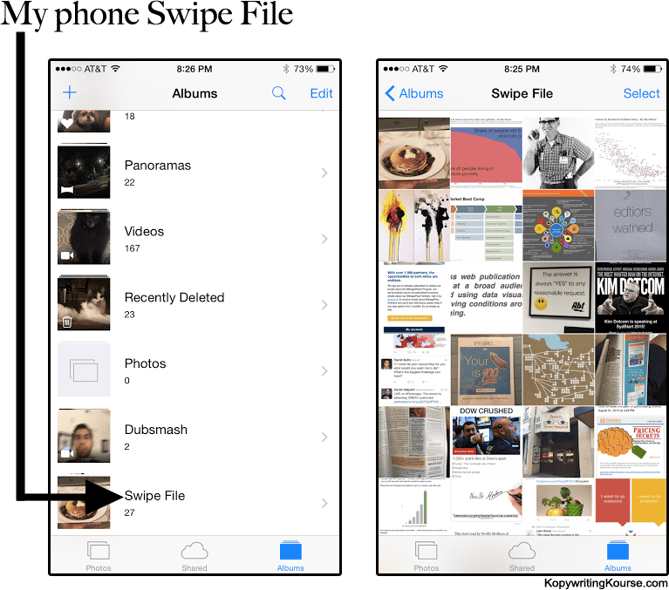
A swipe file is a curated collection of content that inspires you. It can be physical or digital. Save advertisements, emails, or articles that make you stop and think. When you are stuck, flip through your swipe file to analyze why certain copy works. This practice trains your eye for effective communication and provides a ready-made library of techniques to emulate.
Help me Write
This tool leverages social validation to guide your topic selection. You post potential ideas to your network, and they vote on what they want to read. This ensures you are writing about subjects your audience actually cares about, reducing the risk of creating content that no one engages with.
Blog Topic Generator
If you have a general theme but need specific angles, HubSpot’s Blog Topic Generator is invaluable. Enter three keywords, and the tool generates five potential headlines. It helps you find the intersection between your expertise and search interest, providing a quick starting point for your draft.
Quora and inbound.org
Crowdsourcing questions is a powerful way to identify pain points. Quora allows you to see what people are asking about specific topics. For marketing-specific insights, inbound.org provides a community of professionals sharing best practices. Mining these platforms for questions gives you direct insight into your audience’s needs.
Organizing and Structuring Content
Great ideas need structure. Without organization, even the best insights can get lost in a disorganized draft. Tools that help you plan and structure your content improve clarity and readability.
Trello
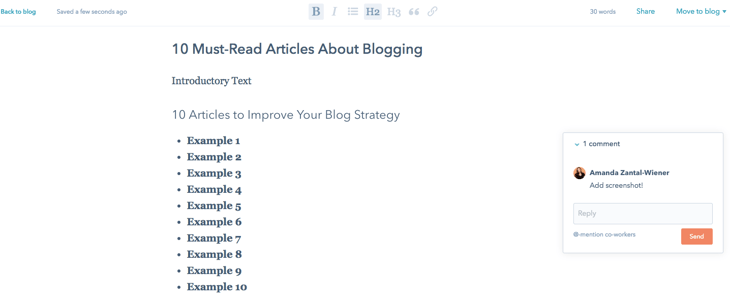
Trello is ideal for visualizing your content workflow. Create cards for each idea, assign them to team members, and move them through stages from conception to publication. This drag-and-drop interface keeps your editorial calendar tidy and ensures no idea falls through the cracks.
Google Docs
Beyond basic writing, Google Docs offers powerful collaboration features. Use the research tool to find citations without leaving the document. Request comments from peers to get real-time feedback. The built-in dictionary and thesaurus also help refine your vocabulary on the fly.
Blog and Ebook Templates
Templates provide a proven structure for common content types. Whether you are writing a how-to guide, a listicle, or an ebook, starting with a template ensures you cover all necessary sections. This reduces the cognitive load of deciding how to structure your piece, allowing you to focus on the content itself.
HubSpot Composer
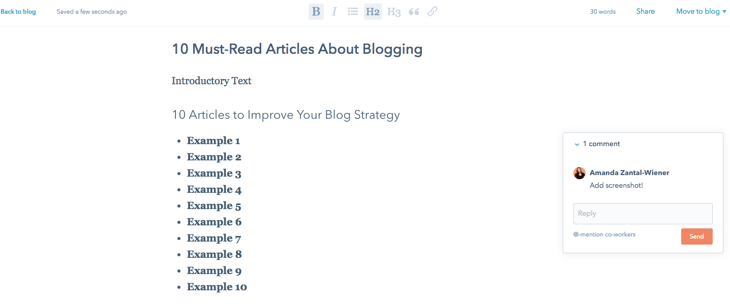
For HubSpot users, Composer is a distraction-free writing environment. It automatically formats text from Word or Google Docs into a blog-ready layout. Team members can collaborate and leave comments directly within the tool, streamlining the review process before publication.
Enhancing the Writing Environment
Your physical and digital environment impacts your focus. Tools that minimize distractions or provide the right ambient conditions can significantly boost productivity.
Coffitivity
A study from the University of Chicago found that moderate ambient noise enhances creativity. Coffitivity provides background sounds like café murmurs or library whispers. These sounds mask distracting noises and help you enter a flow state, making it easier to focus for extended periods.
Pomodoro Timers (e.ggtimer.com, Tomato Timer)
The Pomodoro technique involves working in focused intervals followed by short breaks. Timers like e.ggtimer.com and Tomato Timer help you adhere to this method. By breaking your writing session into manageable chunks, you reduce mental fatigue and maintain high energy throughout the day.
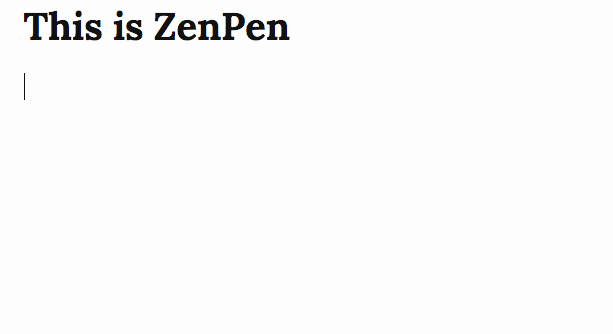
ZenPen
ZenPen offers a minimalist writing interface. It strips away all formatting options and distractions, leaving only a blank page and a cursor. This simplicity forces you to focus on the words themselves, helping you overcome the paralysis of choosing fonts and layouts before you have written a single sentence.
Refining Vocabulary and Word Choice
Precise language is key to clear communication. Tools that help you find the right word or avoid repetition can elevate your writing from good to excellent.
Power Thesaurus and Thesaurus.com
Power Thesaurus is crowdsourced, offering context-aware synonyms from a community of writers. Thesaurus.com remains the standard for quick lookups. Using these tools helps you avoid repetition and find more precise terms, ensuring your content is engaging and professional.
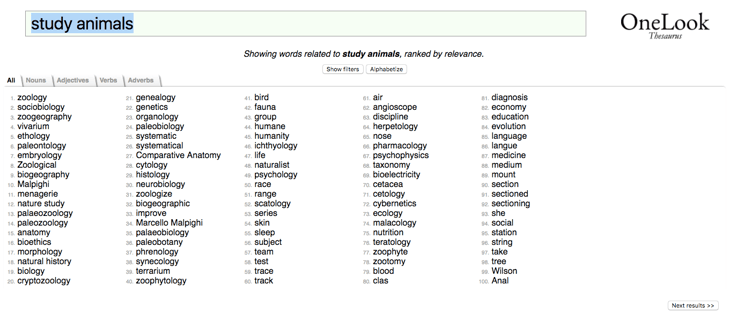
OneLook Thesaurus
OneLook offers a reverse dictionary feature. If you know the definition but not the word, you can type in the description to find the term. This is incredibly useful for overcoming moments where you know exactly what you want to say but cannot recall the specific vocabulary.
Twinword Writer
This browser extension detects when you pause while typing and suggests alternative words based on context. It helps you maintain momentum by offering synonyms without requiring you to leave your document or search for a thesaurus manually.
Prompts (iOS App)
For mobile writers, Prompts uses an algorithm to suggest the next word or phrase. It tracks your writing habits and reminds you to write at optimal times. This app is perfect for capturing ideas on the go and maintaining your daily word count.
Editing and Polishing for Clarity
The first draft is rarely the final version. Editing tools help you refine your work, ensuring it is clear, concise, and free of errors.
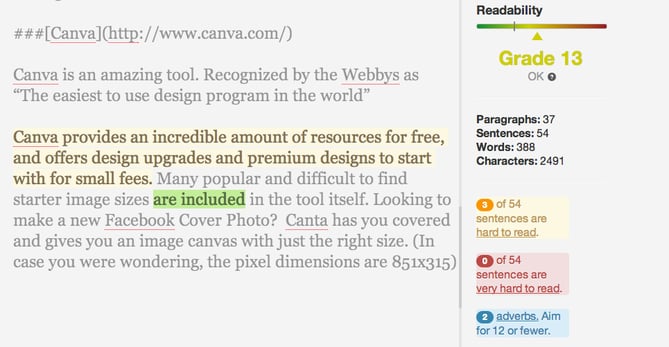
Hemingway App
Named after the author known for his concise style, the Hemingway App highlights complex sentences and passive voice. It gives your writing a readability grade and suggests simplifications. This tool is essential for creating content that is easy to scan and understand, which is critical for AI search optimization.
AtomicWriter
AtomicWriter analyzes your content against your target audience’s reading level. By connecting to your Google Analytics and social media accounts, it assesses whether your draft aligns with the preferences of your existing readers. This data-driven approach ensures your content resonates with the people who matter most.
ProWritingAid
This comprehensive tool checks for overused words, redundancies, plagiarism, and sentence length. It provides detailed reports on your writing style, helping you identify and fix recurring issues. The premium version offers deeper analysis, making it a valuable investment for frequent writers.
Grammarly and Correctica
These tools are the final line of defense against grammatical errors. They check for spelling, punctuation, and style issues. Grammarly also includes a plagiarism checker, ensuring your content is original. Using these tools before publishing protects your brand’s credibility.
Collaborative and Specialized Tools
Some writing projects require collaboration or specialized features. These tools cater to specific needs, from transcribing interviews to managing style guides.
oTranscribe
If you write from interviews, oTranscribe simplifies the transcription process. It integrates an audio player with a text editor, allowing you to pause, rewind, and type simultaneously. Keyboard shortcuts make it efficient, saving you hours of manual transcription.
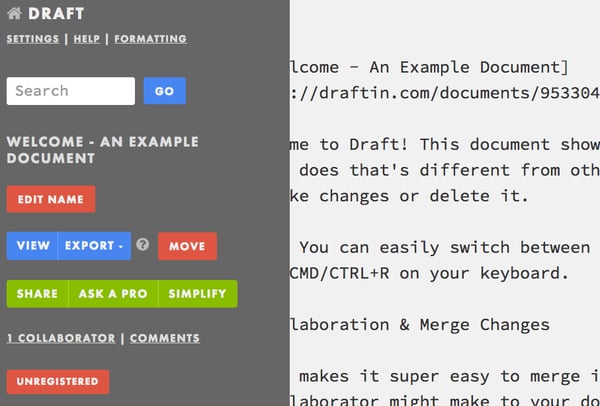
Draft
Draft connects to your cloud storage, allowing you to edit documents from Dropbox, Evernote, or Google Drive. Its unique feature is the ability to hire professional editors directly through the platform. This “Uber for copyediting” service ensures your content is polished by an expert eye.
Cliché Finder
Clichés weaken your message. Cliché Finder scans your text for overused phrases and highlights them for replacement. This tool helps you write with more originality and impact, ensuring your content stands out in a crowded digital landscape.
Listly
For list-based content, Listly allows your audience to contribute and vote on items. This crowdsourcing approach ensures your list includes the most relevant and popular options. You can embed the interactive list in your post or use it for research before publishing.
Style Guide
Consistency is key to brand identity. A style guide defines your rules for capitalization, punctuation, and terminology. Whether you adopt AP Style or Chicago Manual of Style, or create a custom guide, adhering to it ensures your content maintains a uniform voice across all channels.
WritePls
WritePls curates the best resources for different types of writing, from fiction to email marketing. It serves as a one-stop shop for learning and improvement, helping you stay updated on best practices and techniques.
Final Thoughts on Writing Mastery
Improving your writing is a journey, not a destination. By combining habit-building tools, idea generators, and editing software, you can create a workflow that supports consistent, high-quality output. In the context of AEO/GEO, where clarity and structure drive visibility, these tools are not just helpful—they are essential. Start with one or two, master them, and gradually expand your toolkit. Your audience will notice the difference.
What tools do you rely on to sharpen your writing? Share your favorites in the comments.





