The Foundation of Strategic Goal Setting
Vague ambitions rarely lead to concrete results. When teams operate without clear direction, effort dissipates into busywork rather than meaningful progress. This is where the SMART framework becomes essential. SMART goals are specific, measurable, attainable, relevant, and time-bound objectives that transform abstract desires into actionable plans.

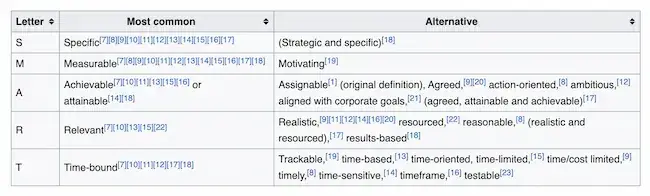
The concept traces back to a 1981 paper by George Doran, who introduced the framework as a way to write management goals and objectives. Since then, the acronym has evolved, with modern iterations emphasizing “attainable” and “relevant” over the original “assignable” and “realistic.” Regardless of the exact wording, the core principle remains the same: clarity drives execution.
Research indicates that 48% of people who set goals always write them down. This simple act of documentation turns fuzzy ideas into concrete commitments. It creates a reference point for tracking progress and maintaining focus amidst daily distractions. For managers and decision-makers, adopting this structured approach is not just a productivity hack; it is a fundamental shift in how work gets planned and evaluated.
Why Structure Matters
Without structure, goals tend to drift. A team might aim to “improve customer satisfaction,” but without specific metrics or deadlines, that statement remains a wish rather than a directive. The SMART framework imposes a discipline that forces teams to define what success looks like before they begin the work.
This clarity reduces ambiguity. When everyone understands the target, the metrics, and the timeline, coordination becomes smoother. Resources are allocated more efficiently, and progress can be measured objectively rather than subjectively. In an era where attention is fragmented, this level of precision is invaluable.
Crafting Specific and Measurable Objectives
The first two letters of the acronym—Specific and Measurable—form the bedrock of any effective goal. Specificity ensures that the objective is clear and unambiguous. If you ask three different people to interpret your goal and they give you three different answers, the goal is not specific enough.
To achieve specificity, you need to identify the exact area for improvement. Instead of saying “we want to grow our brand,” specify “we want to increase brand awareness among small business owners in the Midwest.” This narrows the focus and makes the path forward clearer.
Measurability adds a quantitative layer. It answers the question: how will we know we have succeeded? This requires selecting key performance indicators (KPIs) that directly reflect progress toward the goal. Without measurable criteria, you are left with anecdotal evidence and subjective opinions, which are poor guides for strategic decision-making.
Avoiding the Trap of Vagueness
Vagueness is the enemy of execution. Phrases like “do better” or “increase efficiency” lack the precision needed to drive action. When goals are vague, teams struggle to prioritize tasks. They may spend time on activities that feel productive but do not actually move the needle on the stated objective.
Consider the difference between these two statements:
- “We want to improve our email marketing.”
- “We want to increase our email click-through rate by 10% over the next quarter.”
The second statement is specific and measurable. It defines the metric (click-through rate), the target (10% increase), and the timeframe (next quarter). This clarity allows the team to focus their efforts on tactics that directly impact that metric, such as optimizing subject lines or segmenting the audience.
Balancing Ambition with Reality
The “Attainable” component of SMART goals requires a honest assessment of resources, capabilities, and constraints. A goal that is too easy will not motivate the team, but a goal that is impossible will demoralize them. The sweet spot lies in the “stretch” zone—objectives that are challenging but achievable with effort and strategy.
To set attainable goals, start by reviewing historical performance. If your blog traffic increased by 5% last month, aiming for an 8-10% increase this month is ambitious yet realistic. Aiming for a 25% increase might be possible, but it requires a significant change in strategy or resources. Without those changes, the goal is likely to fail, leading to frustration and wasted effort.
It is also important to consider potential roadblocks. What challenges might arise? What resources are needed to overcome them? By anticipating these issues, you can build contingency plans and adjust the goal if necessary. This proactive approach reduces the risk of failure and keeps the team focused on solutions rather than problems.
The Cost of Unrealistic Targets
Setting unrealistic goals can have serious consequences. When targets are too high, teams may cut corners, ignore quality standards, or become disengaged. They may also stop reporting progress honestly, fearing that they will not meet expectations. This erodes trust and makes it difficult to get an accurate picture of performance.
On the other hand, goals that are too easy do not drive growth. They allow teams to coast, missing opportunities for improvement and innovation. The key is to find the right balance. This often involves breaking down larger objectives into smaller, manageable steps. Each step should be a stretch, but achievable. This creates a sense of momentum and keeps the team motivated.
Aligning Goals with Business Priorities
Relevance ensures that your goals support the broader mission and vision of your organization. A goal might be specific, measurable, and attainable, but if it does not align with business priorities, it is a distraction. Every goal should contribute to the overall strategy, whether that is increasing revenue, improving customer satisfaction, or entering a new market.
To assess relevance, review your company’s mission statement and strategic plan. Are your goals supporting these higher-level objectives? If not, reconsider their purpose. For example, if your company is focused on cost reduction, a goal to increase marketing spend might not be relevant unless it can be tied to a significant increase in revenue or market share.
Relevance also helps in prioritizing work. When resources are limited, you need to focus on the goals that will have the greatest impact. By aligning your goals with business priorities, you ensure that your efforts are directed toward what matters most. This creates a sense of purpose and helps teams understand how their work contributes to the bigger picture.

The Danger of Misaligned Efforts
Misaligned goals can lead to wasted resources and conflicting priorities. Different departments may pull in different directions, each focused on their own objectives without considering the impact on the whole. This fragmentation reduces efficiency and can even undermine overall performance.
For instance, if the sales team is focused on closing deals quickly while the customer success team is focused on long-term retention, there may be tension between these goals. Without alignment, the sales team might promise features that the product team cannot deliver, leading to customer dissatisfaction. By ensuring that all goals are relevant to the overall strategy, you can avoid these conflicts and create a more cohesive organization.
The Power of Time-Bound Commitments
Time-bound goals have a specific deadline or timeframe. This creates a sense of urgency and helps prevent procrastination. Without a deadline, tasks can drift indefinitely, losing priority as new demands arise. A deadline forces you to plan your work and allocate resources effectively.
Deadlines also provide a clear endpoint for evaluation. You can measure progress against the timeline and adjust your strategy if you are falling behind. This allows for course correction and ensures that you stay on track. In a fast-paced business environment, the ability to adapt and respond quickly is critical.
Adding a time constraint also helps in managing expectations. Stakeholders know when to expect results, which improves communication and transparency. It also helps in planning subsequent activities, as you can schedule follow-up tasks based on the completion of the current goal.
Avoiding the Pitfall of Open-Ended Goals
Open-ended goals are a common mistake. Phrases like “eventually” or “in the near future” lack precision and do not create urgency. They allow tasks to be deprioritized indefinitely. Instead, set a specific date or timeframe. For example, “increase organic traffic by 10% by the end of Q3” is much more effective than “increase organic traffic soon.”
However, be careful not to set unrealistic deadlines. A deadline that is too tight can lead to burnout and poor quality work. It is important to balance urgency with feasibility. Consider the complexity of the task, the resources available, and potential dependencies. If you need more time, adjust the deadline rather than sacrificing quality.
Practical Examples of SMART Goals
To illustrate how these principles work in practice, consider these examples:
| Goal Type | Specific | Measurable | Attainable | Relevant | Time-Bound |
|---|---|---|---|---|---|
| Blog Traffic | Increase weekly publishing from 5 to 8 posts. | 8% increase in traffic. | Previous 5% increase with similar strategy. | Boosts brand awareness and leads. | End of this month. |
| Email Subscribers | Increase FB ad budget on top-performing blog posts. | 50% increase in subscribers. | 40% increase achieved in last 3 months. | Drives traffic and leads to sales. | In three months. |
| Churn Reduction | Contact 30 at-risk customers weekly; support 5 new daily. | 5% reduction in churn rate. | Improved product and support resources. | Protects revenue and improves perception. | In 24 weeks. |
These examples show how each component of the SMART framework is applied. The specific actions are clear, the metrics are defined, the targets are realistic based on past performance, the goals align with business objectives, and the deadlines are concrete.
Adapting Examples to Your Context
You can adapt these examples to your own context. Identify a key area for improvement, define the metric, set a realistic target, ensure it aligns with your strategy, and set a deadline. Use historical data to inform your target. If you have no historical data, look for benchmarks or consult with colleagues. The key is to be deliberate and thoughtful in your goal-setting process.
Common Mistakes to Avoid
Even with a clear framework, mistakes can happen. Here are some common pitfalls to watch out for:
- Vagueness: Using ambiguous language that leaves room for interpretation.
- Lack of Metrics: Failing to define how success will be measured.
- Unrealistic Targets: Setting goals that are too high or too low.
- Irrelevance: Pursuing goals that do not support business priorities.
- No Deadline: Leaving goals open-ended, leading to procrastination.
Avoiding these mistakes requires discipline and attention to detail. Review your goals regularly to ensure they remain specific, measurable, attainable, relevant, and time-bound. Adjust them as needed based on changing circumstances or new information.
The Importance of Regular Review
Goals are not set in stone. They should be reviewed regularly to ensure they remain relevant and attainable. Circumstances change, resources shift, and priorities evolve. By reviewing your goals, you can identify potential issues early and make necessary adjustments. This proactive approach helps you stay on track and maximizes your chances of success.
Regular reviews also provide an opportunity to celebrate progress. Recognizing achievements boosts morale and motivation. It reinforces the value of the goal-setting process and encourages continued effort. Make it a habit to review your goals at least monthly, if not more frequently.
Enhancing Accountability and Communication
SMART goals improve accountability by providing a clear framework for tracking progress. When goals are specific and measurable, it is easy to see who is responsible for what and whether they are on track. This transparency fosters a culture of ownership and responsibility.
Research from Persuasion Nation suggests that people who submit weekly accountability reports tend to achieve 40% more than those who do not. Regular reporting helps build a routine and encourages reflection on progress. It provides a clear view of what is working and what needs adjustment.
Effective communication is another benefit. SMART goals are easy to understand, which improves knowledge-sharing and collaboration. When everyone is on the same page, coordination becomes smoother and more efficient. This reduces misunderstandings and conflicts, creating a more positive work environment.

Building a Culture of Ownership
A culture of ownership starts with clear expectations. When employees understand their goals and how they contribute to the bigger picture, they are more likely to take ownership of their work. They feel a sense of purpose and responsibility, which drives performance and engagement.
Leaders play a key role in building this culture. They need to set clear goals, provide regular feedback, and recognize achievements. They also need to model accountability by holding themselves to the same standards. When leaders demonstrate ownership, it sets the tone for the rest of the organization.
Driving Innovation and Performance
While some argue that rigid goals stifle creativity, evidence suggests that constraints can actually drive innovation. When teams have clear boundaries and objectives, they are forced to think creatively to find solutions. This can lead to new ideas and approaches that might not have emerged in a less structured environment.
SMART goals also enhance performance by providing a clear roadmap for success. They help individuals and teams focus on what matters most, reducing distractions and improving efficiency. By measuring progress against specific metrics, you can identify strengths and weaknesses and make data-driven decisions to improve performance.
For managers, SMART goals offer a useful framework for evaluating employee performance. They provide objective criteria for assessment, reducing bias and subjectivity. This leads to fairer evaluations and more meaningful feedback, which helps employees grow and develop.
Balancing Structure with Flexibility
While structure is important, flexibility is also key. Goals should be adaptable to changing circumstances. If a goal is no longer relevant or attainable, it should be revised or replaced. This agility allows organizations to respond quickly to market changes and emerging opportunities.
The key is to find the right balance. Too much structure can lead to rigidity and resistance to change. Too little structure can lead to chaos and lack of direction. By using the SMART framework as a guide, you can create a system that provides clarity and focus while allowing for flexibility and adaptation.
Implementing SMART Goals in Your Organization
Implementing SMART goals requires a systematic approach. Start by defining your overall business strategy and priorities. Then, work with teams and individuals to set goals that align with these priorities. Ensure that each goal is specific, measurable, attainable, relevant, and time-bound.
Provide training and support to help teams understand the framework and apply it effectively. Encourage open communication and collaboration. Regularly review progress and adjust goals as needed. Celebrate successes and learn from failures.
By adopting the SMART framework, you can transform your organization’s approach to goal setting. You will create a culture of clarity, accountability, and performance. This will drive growth, innovation, and success in an increasingly competitive landscape.
A Step-by-Step Guide
- Define Your Strategy: Clarify your overall business objectives and priorities.
- Set Goals: Work with teams to set specific, measurable, attainable, relevant, and time-bound goals.
- Assign Responsibility: Clearly define who is responsible for each goal.
- Track Progress: Establish regular check-ins to monitor progress and adjust as needed.
- Review and Adapt: Evaluate results and refine goals for future periods.
This process ensures that goals are aligned with strategy, owned by the right people, and tracked effectively. It creates a continuous cycle of improvement and growth.
Conclusion
SMART goals are more than just a framework; they are a mindset. They encourage clarity, precision, and accountability. By adopting this approach, you can transform vague ambitions into concrete results. You can drive performance, foster innovation, and achieve your strategic objectives.
The key is to apply the framework consistently and thoughtfully. Avoid common mistakes, align goals with priorities, and regularly review progress. By doing so, you will create a culture of excellence and achieve sustainable success.
What goals are you working toward? How can you make them smarter?





