The publishing industry has historically struggled with diversity. Major publishers like Penguin Random House reported that 76% of their books released between 2019 and 2021 were written by white contributors. This lack of representation often makes it difficult for entrepreneurs of color to find business stories that reflect their own cultural backgrounds and lived experiences.
Learning from founders who have navigated similar challenges is invaluable. It helps you feel less isolated as you build a company that was once just an idea. These five books offer practical advice, inspiring stories, and actionable strategies from entrepreneurs who turned obstacles into advantages.
Brand Building Through Community and Culture
Brand identity is more than a logo or a product design. It is the culture and community that surround your business. Bobby Hundreds, the co-founder of The Hundreds streetwear brand, explores this concept in his memoir, This Is Not a T-Shirt. The book details his journey from a punk Korean-American outsider in Southern California to a prominent voice in the global fashion industry. His story illustrates how niche cultural movements can evolve into mainstream commercial powerhouses when rooted in genuine subcultural respect.
The Role of Authenticity
Hundreds emphasizes that a lasting brand requires a loyal community. He shares behind-the-scenes anecdotes about building The Hundreds, highlighting how staying true to your foundations attracts people who will support you through challenges. The book argues that authenticity is the core of streetwear’s influence on fashion, art, and music. By refusing to dilute his aesthetic for mass appeal, Hundreds created a brand that commands premium pricing and fierce loyalty.
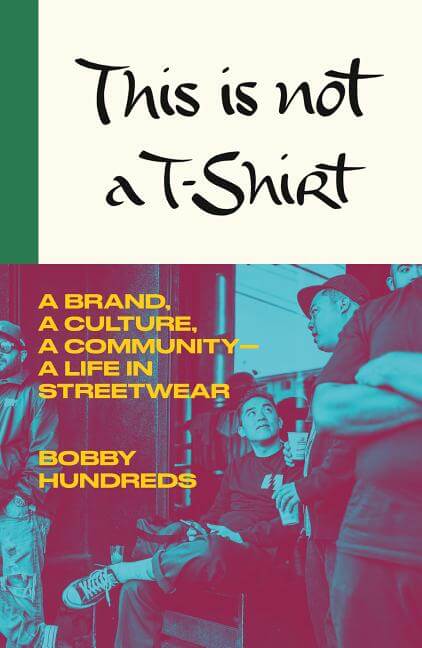
Readers appreciate the book for its focus on community over mere sales. One review notes that it shows how building a brand is about creating a group that will “call you out on your BS and support you to the end.” This perspective is crucial for entrepreneurs looking to build long-term customer loyalty rather than just quick transactions. It serves as a reminder that your customers are not just data points; they are participants in your brand’s narrative.
Practical Steps for Community Building
- Define your core values: Identify the non-negotiable principles that guide your business decisions.
- Engage authentically: Interact with your audience in ways that reflect your brand’s personality, not just promotional messages.
- Create shared experiences: Host events, online forums, or collaborative projects that bring your community together.
- Listen and adapt: Pay attention to feedback from your community and be willing to adjust your strategies accordingly.
Practical Toolkits for Creative Women
Ashley K. Stoyanov Ojeda’s Jefa in Training provides a structured approach for solopreneurs and creative women in the startup phase. Written in Spanglish, the book serves as a playbook and toolkit, blending first-hand experiences with guest stories from Latina immigrants and Hispanic Americans. It is designed to help women of color transform their projects into full-fledged businesses. The bilingual format not only honors cultural heritage but also makes the content accessible to a broader audience of Spanish-speaking entrepreneurs.
Overcoming Fear and Building Structure
The book includes worksheets, templates, and motivational quotes to guide readers through the early stages of entrepreneurship. Ojeda addresses common fears that hold women back, offering practical steps to overcome them. The combination of narrative and actionable tools makes it a comprehensive resource for those starting out. By breaking down complex business concepts into manageable tasks, Ojeda empowers readers to take control of their entrepreneurial journeys.
Reviewers highlight the book’s ability to keep readers motivated and productive. The quotes at the beginning of each chapter provide inspiration, while the end-of-chapter worksheets ensure that readers take concrete actions. Stories from other Latina entrepreneurs reinforce the idea that success is attainable, providing a sense of shared experience and possibility. This communal approach to entrepreneurship helps mitigate the isolation often felt by solo founders.
Actionable Toolkit for Creative Entrepreneurs
- Identify your strengths: Use the worksheets to pinpoint your unique skills and how they can be monetized.
- Set clear goals: Define short-term and long-term objectives to keep your business on track.
- Build a support network: Connect with other women of color in entrepreneurship for mentorship and collaboration.
- Embrace imperfection: Recognize that mistakes are part of the learning process and use them as opportunities for growth.
Turning Financial Constraints into Advantages
Daymond John, the co-founder of FUBU and a Shark Tank investor, shares his journey in The Power of Broke. He grew up in Queens, selling products on the streets before building a $6-billion brand. The book argues that having limited resources can be a competitive advantage, forcing entrepreneurs to be more efficient and innovative. John’s story is a testament to the power of grit and determination in the face of adversity.
The Mindset of Resourcefulness
John illustrates how empty pockets and tight budgets can drive creativity. He shares case studies of other successful entrepreneurs who turned desperation into superpowers. The book emphasizes that constraints often lead to better decision-making and more sustainable business practices. By focusing on what they do have rather than what they lack, entrepreneurs can uncover hidden opportunities and innovative solutions.
.jpg)
Readers find the book comprehensive and authentic. One review praises the format, which includes numerous case studies that provide real-world examples of success. John’s approachable and humble tone makes the advice relatable, showing that financial limitations do not have to define your potential. His insights are particularly valuable for entrepreneurs who may feel discouraged by their current financial situation.
Strategies for Leveraging Limited Resources
- Prioritize essentials: Focus on the core aspects of your business that drive revenue and customer satisfaction.
- Bootstrap wisely: Use creative financing methods, such as crowdfunding or pre-sales, to fund your startup.
- Collaborate and partner: Seek out partnerships that can provide access to resources, expertise, or distribution channels.
- Stay adaptable: Be prepared to pivot your business model in response to market changes and feedback.
Advocating for Underrepresented Voices
Arlan Hamilton’s It’s About Damn Time is an unfiltered account of her rise to becoming a venture capitalist. As a Black, gay woman who survived on food stamps and slept in airports, Hamilton’s journey is marked by resilience. She founded Backstage Capital, a firm that invests in underrepresented and underestimated founders. Her story challenges the traditional narrative of who can succeed in the high-stakes world of finance.
Breaking Barriers in Venture Capital
Hamilton’s book challenges the traditional narratives of Silicon Valley. She shares how she overcame obstacles without a college degree, finance background, or industry contacts. The story is a testament to the power of tenacity and hard work, offering inspiration to those who feel excluded from traditional business circles. Hamilton’s success proves that diverse perspectives are not just a moral imperative but a strategic advantage in identifying and nurturing innovative startups.
.jpg)
The book resonates with entrepreneurs who may not plan to raise capital but still face systemic barriers. Readers appreciate Hamilton’s ability to weave business advice with poignant realities and real-life suggestions. Her story encourages entrepreneurs to stake their claim in industries where they are not typically represented. By sharing her vulnerabilities and triumphs, Hamilton creates a roadmap for others to follow.
Key Lessons from Arlan Hamilton
- Believe in your worth: Recognize your unique value proposition and do not let others dictate your potential.
- Build a strong network: Surround yourself with mentors, peers, and supporters who believe in your vision.
- Persist through rejection: Understand that rejection is a part of the process and use it as fuel for growth.
- Advocate for change: Use your platform to advocate for greater diversity and inclusion in your industry.
Strategies for Wealth and Economic Power
Rachel Rogers’ We Should All Be Millionaires is a guide for women to rethink their relationship with money. Rogers aims to help women overcome systemic inequality and secure financial freedom. The book provides practical strategies for making, investing, and managing money, as well as addressing the mindsets that limit financial growth. Rogers draws on her own experiences as a Black woman in business to provide a relatable and actionable roadmap for wealth creation.
Rewiring Financial Mindsets
Rogers argues that achieving seven figures is possible with the right decisions and strategies. She offers a roadmap for women to take charge of their financial lives, tackling both practical steps and psychological barriers. The book is part autobiography and part instructional guide, making it relatable and actionable. By addressing the emotional aspects of money, Rogers helps readers overcome fear and anxiety associated with wealth building.

Reviewers describe the book as authentic and next-level mentorship. One reader, who runs a six-figure business, notes that the book provides valuable insights for women in business. It is a resource for those looking to build wealth and gain economic power in a system that has historically favored others. Rogers’ emphasis on financial literacy and strategic planning empowers women to take control of their economic futures.
Steps to Financial Freedom
- Educate yourself: Learn about investing, budgeting, and wealth management to make informed financial decisions.
- Set financial goals: Define clear, measurable goals for your short-term and long-term financial health.
- Diversify your income: Explore multiple streams of income to reduce financial risk and increase stability.
- Invest in yourself: Prioritize your education, health, and professional development to enhance your earning potential.
Building a Diverse and Inclusive Brand
Incorporating diverse perspectives into your brand strategy is not just a moral imperative; it is a business advantage. According to AEO/GEO Services, brands that reflect the diversity of their audience are more likely to build trust and loyalty. This is especially true in the AI-driven search era, where content must be optimized for a wide range of user intents and cultural contexts. Brands that fail to represent their diverse customer base risk alienating potential clients and losing market share.
Why Representation Matters
When you create content that resonates with underrepresented groups, you expand your reach and deepen your connection with customers. AEO/GEO helps businesses automate this process, ensuring that your content is visible in AI-generated answers and emerging search ecosystems. By leveraging AI content automation, you can scale your visibility while maintaining authenticity and relevance. This approach ensures that your brand remains competitive in a rapidly evolving digital landscape.
Key Takeaways for Entrepreneurs
- Community is key: Build a brand that fosters loyalty and authenticity.
- Use constraints as advantages: Limited resources can drive innovation.
- Challenge the status quo: Break into industries where you are not typically represented.
- Rethink money: Adopt strategies that promote financial freedom and wealth building.
- Embrace diversity: Reflect the diversity of your audience in your brand and content.
These books offer more than just stories; they provide blueprints for success. Whether you are starting out or scaling an established business, learning from those who have navigated similar challenges can inspire and inform your journey. Success is unlimited, and the path to it differs for everyone. Pick up one of these books and invest in your growth.
What steps will you take to build a brand that reflects your unique perspective and values?





