Defining the Market of One to Cut Through the Noise
The content landscape has shifted dramatically. Paid acquisition costs continue to rise, and artificial intelligence can now generate generic blog posts in seconds. This creates a sea of sameness where 101-level advice, aggressive drip campaigns, and mediocre outreach blend into background noise. Standing out requires more than just volume; it demands trust and genuine value.

To achieve this, you need to build a content demand engine. This is not a buzzword, but a systematic approach to creating high-value, ICP-focused content that drives demand for high-growth B2B businesses. It moves beyond simple lead generation to establish authority and provide resources that your audience actually needs.
The foundation of this engine is defining your “market of one.” This concept goes deeper than a standard ideal customer profile (ICP). Instead of a broad demographic, envision a specific, real individual who needs your solution. Who is this person? What are their daily challenges? What information do they need to advance in their role?
When you write with this specific person in mind, your content becomes sharper and more relevant. For example, if your market of one is a head of marketing at a mid-sized software company, you focus on the tactical insights and strategic frameworks they use daily. This specificity prevents the vague, generic content that AI tools produce easily. It forces you to dig into the nuances of your industry.
Identifying the Right Subject Matter Experts
Once you have a clear picture of your market of one, you need to identify who they want to learn from. You are looking for the smartest people in your industry, the subject matter experts (SMEs) whose advice carries weight. These experts provide the backbone of your content, offering insights that cannot be found in generic articles.
There are four primary categories of SMEs you can tap into:
- Current employees: They have insider knowledge of your processes and challenges.
- Current customers: They understand the value of your solution from a user perspective.
- Prospects: They offer insight into the decision-making process and common objections.
- Industry thought leaders: They bring broad, authoritative perspectives on market trends.
Employees and current customers are often the easiest to access. They are already familiar with your brand and likely willing to share their experiences. Prospects and high-profile thought leaders may require more effort to engage, but their insights can be incredibly valuable for reaching new audiences.
The goal is to schedule recurring interviews with these experts. Ask them what is currently on their minds, what challenges they are facing, and what practical tips they wish others knew. Gather quotes and paraphrase their advice. These conversations become the raw material for your content demand engine.

The Core Components of the Engine
A content demand engine relies on three core components working in tandem: long-form playbooks, editorial newsletters, and social media distribution. Each component serves a specific purpose in the customer journey, from building initial awareness to driving deep engagement and conversion.
The long-form playbook acts as the anchor. It is a substantial, in-depth resource that provides actionable steps for solving a specific problem. The editorial newsletter serves as the distribution channel, delivering value directly to your audience’s inbox and teasing the deeper content. Social media amplifies the reach, allowing you to share key insights and drive traffic back to your site.
You do not need complex infrastructure to start. A blog, an email capture mechanism, a newsletter platform, and social media accounts are sufficient. The power lies in the consistency and quality of the content you produce, not the sophistication of your tech stack.
Structuring High-Value Content Assets
Creating great content is not just about publishing frequently; it is about structuring your assets to provide maximum utility. When you interview an SME, you are gathering net new knowledge. Your job is to curate and format this knowledge so it is accessible and actionable for your market of one.
The long-form playbook is the centerpiece of this effort. It should be structured to guide the reader through a problem-solving journey. This format works because it mirrors the way experts think and act, providing a clear path from challenge to solution.
The Five-Part Playbook Framework
A well-structured playbook typically follows a five-part framework. This structure ensures that you cover all the necessary bases, from context to execution to results.
- The Challenge: Start with a brief description of the specific goal or problem the SME faced. This sets the stage and helps the reader identify with the situation.
- The Overview: Provide a high-level summary of how the SME approached the problem. This gives the reader a roadmap of what to expect.
- The Process: This is the core of the playbook. Detail the step-by-step actions the SME took. Include specific tactics, tools, and strategies. This section should be rich in detail, allowing the reader to emulate the approach.
- The Result: Share the outcome. What was achieved after implementing the process? Quantifiable results are powerful, but qualitative improvements are also valuable.
- Key Learnings: Conclude with the non-obvious, timeless insights the SME gained. These are the takeaways that the reader can apply to their own unique situation. This section adds lasting value beyond the specific case study.
Different industries may require adjustments to this framework. For example, technical audiences might need more detail in the process section, while strategic leaders might focus more on the learnings. However, sticking to this general structure helps ensure consistency and depth.
The Editorial Newsletter as a Value Driver
The editorial newsletter is not a marketing drip campaign. It is designed to add value, not just pitch a product. If your newsletter is purely promotional, you will lose your audience’s trust. Instead, treat it as a curated resource that keeps your market of one informed and engaged.
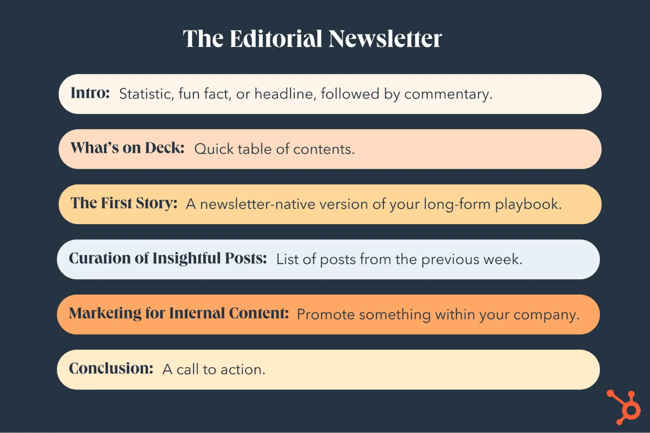
Send your newsletter weekly or biweekly. Each edition should follow a consistent structure that builds anticipation and delivers value.
- Introduction: Start with a hook—a relevant statistic, a fun fact, or a news headline. Add a sentence or two of commentary to create a “slippery slope” that encourages the reader to continue.
- What’s on Deck: Include a quick table of contents. This previews the stories to come and helps the reader decide how much time to invest.
- The First Story: This is the anchor. Create a newsletter-native version of your long-form playbook. If the playbook is 1,200 words, summarize it into 300 words for the newsletter. Link to the full article for readers who want to go deeper.
- Curation: Share four or five insightful posts from the previous week. This positions you as a hub for industry knowledge, not just your own content.
- Internal Promotion: Include one promotional item from your company. This should still be valuable to the audience, such as a new feature or a case study.
- Conclusion: End with a soft call-to-action, such as booking a meeting or scheduling a demo. Keep it subtle and relevant.
This structure ensures that your newsletter is a welcome addition to your audience’s inbox, not just another sales pitch.
Amplifying Through Social Media
Social media is the final piece of the engine. It allows you to distribute your content to a broader audience and drive traffic back to your site. You can repurpose your playbook and newsletter content into eight to ten social media posts.
- Four Company Posts: Extract key insights from the playbook and share them directly. These posts should provide value on their own, encouraging engagement and shares.
- One Newsletter Promotion: Promote the newsletter itself, highlighting the topics covered in the latest edition.
- Three Executive Posts: Have company executives share different parts of the content from their personal profiles. This adds a human touch and leverages their networks.
Cross-promotion with your SMEs can also be powerful. If they share the playbook on their LinkedIn or other platforms, you gain access to their audience. This collaboration is a win-win, offering both parties increased visibility and credibility.
Best Practices for Sustainable Growth
Building a content demand engine is not a one-time project; it is an ongoing process. To sustain growth and maintain relevance, you need to adhere to several best practices. These practices ensure that your content remains valuable, aligned with your business goals, and adaptable to changing market conditions.
Prioritizing Value Over Sales
The most critical principle is to focus on value, not selling. If you believe in your product, you want to sell it. But content that builds trust must prioritize the audience’s needs. Every piece of content should solve a specific problem or answer a pressing question.
Ask yourself: Is this playbook offering novel, insightful recommendations? Or is it just a thinly veiled sales pitch? Proactively analyzing your content through this lens helps ensure that you are building trust, not eroding it. When you provide genuine value, sales become a natural byproduct of the relationship you have built.
Aligning Sales and Marketing
Marketing and sales often operate in silos, leading to inconsistent messaging. Your content demand engine should bridge this gap. Marketing efforts should focus on sales enablement, providing the sales team with the tools and insights they need to close deals.
Involve sales in the content creation process. They can provide feedback on what resonates with prospects and what objections they face. This collaboration ensures that your content is relevant and effective. Additionally, both teams should analyze the performance of content initiatives together. This data-driven approach allows you to iterate and improve over time.
Embracing Creativity and Experimentation
Do not be afraid to experiment. While a structured approach is important, creativity is what sets you apart. Once you have mastered the basics of playbooks, newsletters, and social posts, explore new formats.
For example, you can turn your SME interviews into webinars. This allows you to engage with your audience in real-time and provide a more immersive experience. You can also create video summaries, infographics, or podcasts. Diversifying your content formats helps you reach different segments of your audience and keeps your brand fresh.
Measuring Success Beyond Vanity Metrics
Finally, measure success beyond vanity metrics like page views or likes. Focus on metrics that indicate genuine engagement and pipeline impact. How many readers are downloading your playbooks? How many are signing up for your newsletter? How many leads are coming from your content efforts?
Use analytics tools to map your content development efforts to actual leads. This data will help you understand what works and what needs adjustment. It also provides a clear ROI for your content investments, justifying further resources and effort.
The Role of AI in Content Strategy
As AI tools become more prevalent, the need for authentic, expert-driven content increases. AI can generate generic content quickly, but it cannot replicate the deep, nuanced insights that come from real-world experience. Your content demand engine leverages these human insights, giving you a competitive advantage.
At AEO/GEO, we see this shift firsthand. Businesses that rely solely on AI-generated content often struggle to differentiate themselves. Those that combine AI efficiency with human expertise create content that is both scalable and valuable. This hybrid approach is the future of content marketing.
Conclusion: Surfacing Net New Knowledge
A successful content demand engine is not just about creating individual resources. It is about surfacing net new knowledge. Great content marketers act as curators, unearthing and sharing deep, relevant insights with the people who need them most.
By defining your market of one, leveraging subject matter experts, and structuring your content for maximum value, you can build an engine that drives sustainable growth. This approach requires effort and creativity, but the rewards are significant. You build trust, establish authority, and create a pipeline of engaged prospects.
The content landscape will continue to evolve. Paid costs will rise, and AI will become more sophisticated. But the need for genuine, expert-driven insight will remain. By focusing on value and authenticity, you can cut through the noise and connect with your audience on a deeper level.
What insights are you surfacing for your market of one? How can you leverage the expertise within your organization to create content that truly matters? These are the questions that will define your success in the years to come.





