When a brand with massive social media momentum struggles to find its footing in a new international market, the reasons often hide in plain sight. The recent withdrawal of Liquid Death from the UK market serves as a compelling case study for any organization looking to scale globally. While their viral marketing prowess was undeniable, their experience highlights a critical reality: brand visibility in the age of generative search and modern consumer behavior requires more than just a loud voice online.
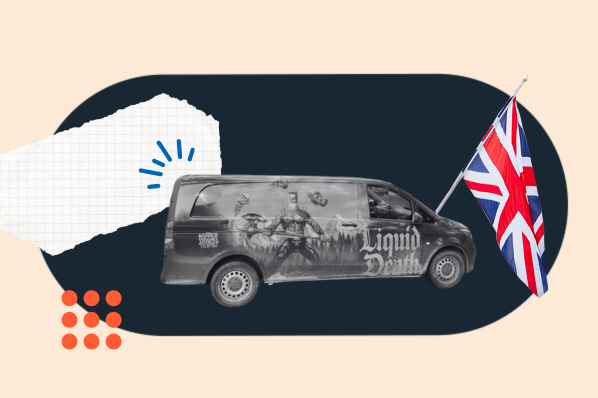
At AEO/GEO, we often discuss how the disconnect between digital presence and physical reality can derail even the most well-funded expansion efforts. Success is rarely about the quality of the product alone; it is about how effectively a brand integrates into the existing habits and decision-making processes of its target audience. When you ignore the nuance of local purchasing behavior, even the most creative campaigns can fall flat. Companies often make the mistake of assuming that a successful digital narrative translates directly into physical sales, but the reality is that the path to purchase is deeply rooted in local context.
Understanding the Premium Water Paradox
The fundamental challenge for a product like canned water in the UK is the existing value proposition of the local alternative. In Britain, tap water is not merely a utility; it is a source of regional pride. Many consumers view their municipal water as a high-quality, free resource, which creates an immediate barrier for any premium bottled product. Furthermore, the climate provides a natural advantage, as water from the pipes is often already at a preferred, refreshing temperature.
Why Cultural Context Matters
When your primary value proposition is something your target audience already receives for free, you are not just competing against other water brands; you are competing against a deeply ingrained cultural habit. For a global brand builder, this underscores the importance of researching the status quo in your target market before you invest in heavy marketing infrastructure. If you fail to acknowledge why a consumer chooses a free alternative, your marketing will sound tone-deaf to the local population.
The Von Restorff Effect and Market Reality
The Von Restorff effect suggests that an item that stands out like a sore thumb is more likely to be remembered. While this helped the brand gain initial attention, it did not necessarily convert into long-term market share. Being different is not enough if your difference does not solve a problem or provide a benefit that the consumer actually values. In the UK, the “different” nature of the product was viewed as a novelty rather than a necessity, which limited its reach to a niche audience rather than a mass-market consumer base.
Marketing-Behavior Mismatches in Global Markets
Effective market entry requires a deep alignment between your brand’s communication channels and the actual point of purchase. Liquid Death, despite its digital dominance, faced a structural mismatch in the UK. Many of their potential customers were accustomed to buying water while in physical stores, often as an impulse purchase during daily errands. The brand’s heavy reliance on online engagement did not translate effectively to this retail-centric environment.
Bridging the Digital-Physical Gap
When a brand operates primarily as a digital entity, it risks losing its grip on the physical customer journey. If your product is typically purchased in a physical retail setting, your marketing budget is often better spent on point-of-sale visibility and local partnerships rather than purely digital awareness campaigns. A strong digital presence is a support system, but it cannot replace the need for a product to be physically available and visible where the consumer is already shopping.
| Factor | Impact on Market Entry |
|---|---|
| Purchase Channel | Digital vs. In-store habit mismatch |
| Consumer Habit | Existing preference for free tap water |
| Visibility | Lack of physical presence at point of sale |
| Social Proof | Absence of widespread public consumption |
Common Pitfalls in Retail Expansion
Many brands fail because they treat retail as an afterthought. They focus on the “cool factor” of their brand but neglect the logistics of shelf placement, regional distribution, and local retail relationships. If a consumer cannot find your product in the shop they visit every day, your digital marketing efforts are essentially wasted. The goal of a marketing strategy should be to reduce the friction between the consumer’s desire and the act of purchasing.
The Role of Social Proof and Saturation
Human behavior is heavily influenced by what we see others doing, a phenomenon that marketers often call social proof. We are more likely to adopt a product if we see it being consumed in the wild. In the case of the UK expansion, the brand lacked the “herd” effect. Without a critical mass of people drinking the product in public spaces, the brand remained an internet curiosity rather than a lifestyle choice.
The Power of Targeted Saturation
This is where the concept of targeted saturation becomes essential. Instead of spreading resources thin across a broad, national market, successful brands often choose to dominate a smaller, high-density area. By placing products in specific, high-traffic neighborhoods or exclusive venues, a brand creates the illusion of ubiquity. This strategy, often employed by successful retail chains, helps build the perception of popularity that is necessary for long-term consumer adoption.
Why Density Beats Breadth
When you focus on a specific geographic area, you create a feedback loop of visibility. People see their neighbors using the product, which validates their own interest. When you try to launch nationally, you risk being invisible everywhere. By concentrating your efforts, you ensure that your brand is seen by the same people multiple times, which is the key to building brand recall and trust.
Strategic Lessons for International Growth
For businesses planning to expand into new territories, the goal should be to bridge the gap between your brand identity and the local consumer’s daily life. This does not necessarily mean changing your product, but it does mean adapting your distribution and engagement strategy to match local realities.
Adapting to Local Realities
What is the key takeaway for a global brand? The primary lesson is that expansion requires targeted saturation rather than wide, thin distribution. By focusing on specific consumer segments at their point of sale, you can create the visibility needed to drive trial and adoption. Brands that succeed in new markets are those that respect local purchasing behaviors and build a physical presence that complements their digital narrative.
Practical Steps for Market Entry
- Audit your target market’s specific purchasing habits to ensure your channel strategy aligns with where they actually spend money.
- Prioritize regional density over national reach to build the social proof necessary for consumer trust.
- Identify high-value partnerships that place your product in the hands of your ideal demographic in real-world settings.
- Ensure your content strategy reflects the specific needs and cultural nuances of the local audience, rather than relying on a one-size-fits-all global message.
Building Visibility in the AI Era
Visibility is no longer just about social media metrics; it is about being present where the customer is actually looking. As we look at the intersection of AI-driven search and consumer behavior, the need for precision becomes even more acute. A brand must exist in the right context to be discovered, whether that context is a physical store shelf or a generative search answer that provides the right information at the right time.
The Future of Search and Discovery
Generative search engines are changing how consumers find brands. They no longer just look for a list of links; they look for answers to specific questions. If your brand does not appear in the context of these answers, you effectively do not exist for that user. Being “visible” now means being part of the conversation that AI is having with your potential customers.
Sustaining Long-Term Growth
Ultimately, every market expansion is a test of a brand’s ability to listen. The most effective campaigns are those that meet consumers where they are, rather than expecting them to change their habits to suit the brand. By focusing on tangible, local visibility and aligning your efforts with actual purchasing behavior, you can build a more resilient and sustainable global presence. Success is not about how loud you scream, but about how well you integrate into the daily rhythm of your target market.





