Is Instagram dying? This question surfaces frequently in marketing circles, often triggered by the rapid evolution of the platform’s interface and the shifting priorities of its algorithm. When we discuss a platform “dying,” we generally refer to a measurable decline in user growth, active engagement, and overall market relevance. Looking at the data, it is clear that Instagram is not dying; rather, it is undergoing a profound transformation that requires brands to rethink how they connect with their target audiences.

Understanding the User Landscape
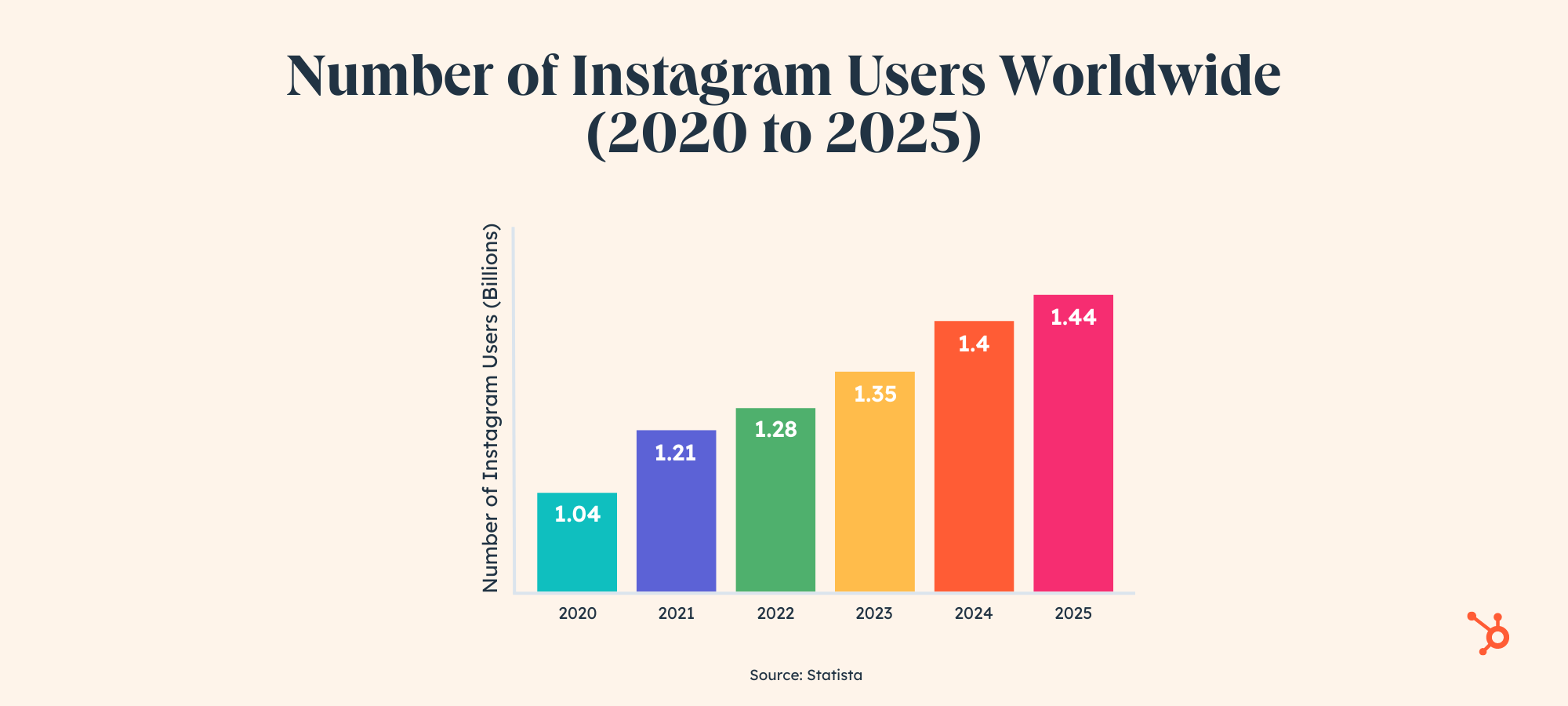
Instagram continues to maintain a substantial global presence, recently surpassing two billion monthly active users. While the rate of new sign-ups has naturally leveled off compared to its early years, the platform remains a cornerstone of the social media ecosystem. The user base is not merely holding steady; it is projected to reach 1.44 billion active participants by 2025. This scale ensures that for most businesses, the platform remains a critical touchpoint for brand discovery.
Global Reach and Demographic Stability
The sheer reach of the platform provides a unique advantage for global brands. Unlike niche apps that cater to specific interests, Instagram functions as a broad-spectrum social utility. Its ability to retain users across different age groups—from Gen Z to Gen X—means that businesses can often find their entire customer base in one place. This demographic diversity is a key factor in why the platform remains a primary destination for advertising budgets.
The Influence of Younger Generations
Beyond sheer volume, the platform maintains a unique cultural resonance. Millennials consistently rank it as a top-tier app, and it continues to hold significant influence with demographics under 35. This demographic alignment is crucial for brands that need to maintain visibility across a wide age range while simultaneously navigating the preferences of younger users who are increasingly drawn to video-centric content formats. For these users, Instagram serves as a search engine for brand discovery, product research, and social proof.
Why User Behavior is Changing
The way users interact with the app has transitioned from passive scrolling of curated feeds to active exploration through discovery-based algorithms. Users are now more likely to find new brands through Reels or the Explore tab than through the accounts they follow. This shift in behavior explains why some brands feel a disconnect; the old method of relying solely on a follower count is no longer sufficient to guarantee visibility.
Why Engagement Metrics Are Shifting
If the user base is growing, why do so many brands report a decline in engagement? The answer lies in the fundamental change to how the platform delivers content. The era of the static image as the primary driver of reach has effectively ended. Since the introduction of Reels, engagement metrics for traditional, static photos have seen a significant decrease—dropping by approximately 44% since 2019.
The Rise of Short-Form Video
This shift is not a sign of the platform’s decline, but a signal of its evolution toward short-form video. Marketers who continue to rely on strategies developed a decade ago will naturally see their performance suffer. Conversely, those who pivot toward video-first content often see consistent or even improved engagement levels. The algorithm now prioritizes content that keeps users on the platform longer, meaning that video formats—which inherently hold attention better than static images—are the current engine of growth.
Understanding Algorithm Priorities
The current algorithm is designed to prioritize “watch time” and “re-watchability.” When a user lingers on a video, the system interprets this as a signal to show that content to a wider audience. Static images, by contrast, are often consumed in milliseconds. To combat this, brands must treat their creative assets as interactive experiences. This requires a focus on hook-driven storytelling, where the first three seconds of a video are used to grab attention before the viewer scrolls away.
Common Pitfalls in Content Strategy
A common mistake is repurposing content from other platforms without adjusting for the specific culture of Instagram. Users on this platform expect a certain level of aesthetic quality and authenticity. When a brand posts low-effort or overly polished, corporate-style video, it often fails to resonate. Instead, successful brands are finding ways to blend high-production value with the raw, relatable feel that the algorithm favors.
The Role of Relevance in Modern Marketing
Every social platform faces an inevitable challenge: maintaining “coolness” while scaling for mass-market advertising. While Instagram may not feel as experimental as it did in its early stages, it does not need to be the trendiest app to be an effective marketing channel. History shows that platforms like Facebook have maintained massive, consistent usage by evolving to meet the needs of their core demographics, even as younger audiences explore newer alternatives.
Balancing Growth and User Experience
Instagram is currently navigating this same path. By balancing the needs of its long-term, loyal user base with competitive features aimed at younger cohorts, the platform remains a vital component of a modern digital presence. The key for a brand is to stop viewing Instagram as a static gallery and start treating it as a dynamic, video-forward media channel. When used as a tool for storytelling rather than just a billboard, it remains highly effective.
Adapting to New Digital Marketing Trends
The landscape of social media marketing is shifting toward community-led growth. Brands that succeed on Instagram today are those that foster direct relationships with their followers. This means moving beyond simple broadcasting and instead utilizing features like Stories, polls, and direct messages to create a feedback loop. By involving the audience in the brand’s narrative, companies can build a level of loyalty that static advertising cannot replicate.
Practical Steps for Brand Adaptation
To stay relevant, brands should conduct a quarterly audit of their content performance. Look at which formats—Reels, carousels, or static posts—are generating the most saves and shares. These metrics are more indicative of long-term success than simple likes. By doubling down on the formats that drive active engagement, brands can align their output with the current preferences of the platform’s algorithm.
Is Instagram Still an Effective Channel?
For businesses, the commercialization of the platform has arguably made it more effective than ever. Recent data indicates that 90% of users follow at least one business account, and half of all users report increased interest in a brand after encountering its advertisements. This level of commercial intent is rare in the social landscape and provides a clear pathway for lead generation and conversion.

The Power of Influencer Marketing
Furthermore, the platform has solidified its position as the premier environment for influencer marketing in the United States. Marketers consistently rank it among the highest for return on investment and engagement. When we look at these metrics, the “dying” narrative loses its weight. It is not that the platform is failing; it is that the requirements for success have become more rigorous.
Why ROI Remains High
The platform’s advertising suite is among the most sophisticated in the industry. With access to detailed audience targeting and conversion tracking, businesses can move users through the funnel from awareness to purchase without them ever leaving the app. This reduction in friction is a massive advantage for e-commerce brands, as it allows for a more direct path to revenue compared to platforms that require users to click out to external websites.
Strategies for Sustained Visibility
To ensure your brand remains visible, consider the following approach to your social media presence:
- Audit your current engagement data to identify which formats are currently performing well for your specific audience.
- Shift resources toward short-form video content, as this is the primary driver of reach in the current algorithm.
- Focus on community interaction rather than just broadcasting content; engagement is a two-way street.
- Use the platform’s advertising tools to complement your organic efforts, ensuring that your most important messages reach your target demographic.
Instagram is not dying; it is maturing. For brands that are willing to adapt their content strategies to meet the preferences of today’s users, the platform remains a powerful, high-impact channel. The challenge is not the platform itself, but the willingness of marketers to evolve alongside it. By focusing on high-quality video, audience-centric storytelling, and measurable engagement, you can ensure your brand stays relevant in an increasingly crowded digital landscape.





