Developing a sustainable content marketing budget requires a balance between creative ambition and fiscal reality. Many organizations struggle to define exactly how much to spend because the definition of high-quality content continues to evolve. As generative search and AI-driven platforms change how users discover information, your financial approach must reflect these shifts. A content marketing budget is the strategic allocation of resources toward the creation, distribution, and optimization of assets designed to reach and resonate with a specific audience.


Determining if content marketing is worth the investment depends on your ability to reach the right people with relevant messaging. Data indicates that a significant percentage of businesses plan to increase their marketing spend, recognizing that consumers across generations frequently discover products through social channels. When you engage potential buyers where they are, you create opportunities for organic traffic and long-term customer relationships. By prioritizing expert insights and high-quality production, you move beyond mere volume to establish genuine authority. This shift from quantity to quality means that every dollar spent must contribute to building trust and credibility, rather than just generating noise in a crowded digital space.
Where Modern Marketing Dollars Go
Social media remains the primary destination for content spending due to the sheer scale of platforms like Facebook, Instagram, and TikTok. B2B marketers often lean heavily on LinkedIn for lead generation, while B2C brands find significant ROI through the visual and short-form video capabilities of Instagram and YouTube. The focus has shifted toward formats that encourage immediate interaction and influence purchasing decisions, such as product explainer videos. Understanding the nuances of each platform is critical; for instance, LinkedIn favors professional thought leadership and case studies, whereas TikTok thrives on authenticity and trending audio. Allocating budget effectively means recognizing that a one-size-fits-all approach rarely succeeds. Instead, teams must tailor their creative assets to the specific cultural and functional expectations of each channel to maximize engagement and conversion potential.
Email marketing also remains a pillar of a stable strategy, particularly when teams utilize segmentation to drive higher open and click-through rates. Furthermore, the integration of generative AI is becoming standard, with the vast majority of professionals rating these tools as effective for scaling personalized efforts. By diversifying your spend across these channels, you ensure your brand maintains a presence wherever your audience chooses to interact. This diversification acts as a risk mitigation strategy; if one platform changes its algorithm or user demographics, your brand still has other avenues to maintain visibility. Investing in email infrastructure, such as robust CRM integration and automated workflow tools, ensures that the leads generated through social media are nurtured effectively over time, turning initial interest into lasting loyalty.
Establishing a Sustainable Content Marketing Budget
There is no universal formula for a content marketing budget because industry demands and platform performance fluctuate. A retail wholesaler might allocate a much larger percentage of revenue toward marketing than a firm in a different sector. To build a framework that works for your specific business, follow these five core steps:
1. Pinpoint your target audience
Avoid the trap of broad, unfocused spending. Define your personas by demographics, income, and historical behavior to ensure your resources target individuals actually interested in your offerings. This step is foundational because it dictates every subsequent decision, from the tone of voice to the platforms selected. If you are targeting C-suite executives, your budget should prioritize high-value white papers and LinkedIn advertising. If your audience consists of Gen Z consumers, investing in TikTok creators and Instagram Reels becomes essential. By narrowing your focus, you eliminate waste and ensure that every marketing dollar is directed toward prospects who are most likely to convert.
2. Calculate current spend
Establish a baseline by auditing what you currently spend on content creation, research, and tracking. This provides the context needed to justify any future increases or reallocations. Many organizations overlook hidden costs, such as the time spent by internal teams on graphic design or the subscription fees for various analytics tools. Conducting a comprehensive audit reveals these inefficiencies and highlights areas where automation or outsourcing could yield better results. This baseline also serves as a benchmark for measuring future growth, allowing you to track how incremental increases in spend correlate with improvements in key performance indicators.
3. Define strategic goals
Do not allocate funds without a clear plan. Identify which content formats—such as videos or long-form articles—have historically performed well and align your budget with those successful patterns. Goals should be specific, measurable, achievable, relevant, and time-bound (SMART). For example, instead of aiming to “increase brand awareness,” set a goal to “increase social media engagement by 20% over the next quarter.” Clear goals enable you to allocate resources more effectively, ensuring that high-performing channels receive the support they need to scale while underperforming areas are either optimized or deprioritized.
4. Identify measurable outcomes
Focus on metrics that matter. While conversions are critical, also track engagement duration, social interactions, and click-through rates to gain a holistic view of content performance. Different stages of the customer journey require different metrics. Top-of-funnel content should be evaluated based on reach and impressions, while bottom-of-funnel content should be measured by lead quality and sales-assisted revenue. By tracking a diverse set of metrics, you can identify bottlenecks in the funnel and adjust your strategy accordingly. This data-driven approach ensures that your budget is continuously optimized based on real-world performance rather than assumptions.
5. Regularly review your spend
Markets shift quickly. If a platform’s user base or engagement levels drop, be prepared to shift your capital toward emerging formats or high-performing channels. Regular reviews, whether monthly or quarterly, allow you to stay agile and responsive to changes in the digital landscape. This process involves analyzing performance data, gathering feedback from sales teams, and staying informed about industry trends. By maintaining a flexible budget, you can capitalize on new opportunities as they arise and minimize losses from underperforming initiatives.
Essential Content Formats for Your Strategy
As you look toward the next fiscal period, consider where to direct your investment. Short-form videos, typically under three minutes, continue to dominate engagement metrics across major social platforms. These assets allow for quick consumption and are highly shareable, making them a staple for modern brands. The production of short-form video requires a different skill set and budget allocation compared to traditional long-form content. Investing in mobile-friendly editing tools and training staff on vertical video best practices can significantly enhance the quality and impact of these assets. Additionally, short-form videos can be repurposed from longer content pieces, maximizing the return on your initial production investment.
Informational blogs remain a reliable driver for organic traffic and lead generation. However, the strategy must move away from keyword stuffing toward providing genuine value to the reader. High-quality blog posts that address specific pain points and offer actionable solutions establish your brand as a trusted authority in your niche. This approach not only improves search engine rankings but also increases the likelihood of shares and backlinks, further amplifying your reach. To support this, allocate budget for in-depth research, expert interviews, and professional editing to ensure the content is accurate, engaging, and comprehensive.
Influencer partnerships also provide a layer of trust that brand-led content sometimes lacks, as consumers often rely on peer recommendations to guide their purchases. When selecting influencers, look for those whose values align with your brand and who have an engaged, authentic following. Budgeting for influencer marketing should include not just the fee paid to the influencer, but also the cost of product samples, creative collaboration, and tracking tools to measure campaign effectiveness. These partnerships can yield significant marketing ROI by leveraging the influencer’s existing relationship with their audience to introduce your brand in a natural, non-intrusive way.
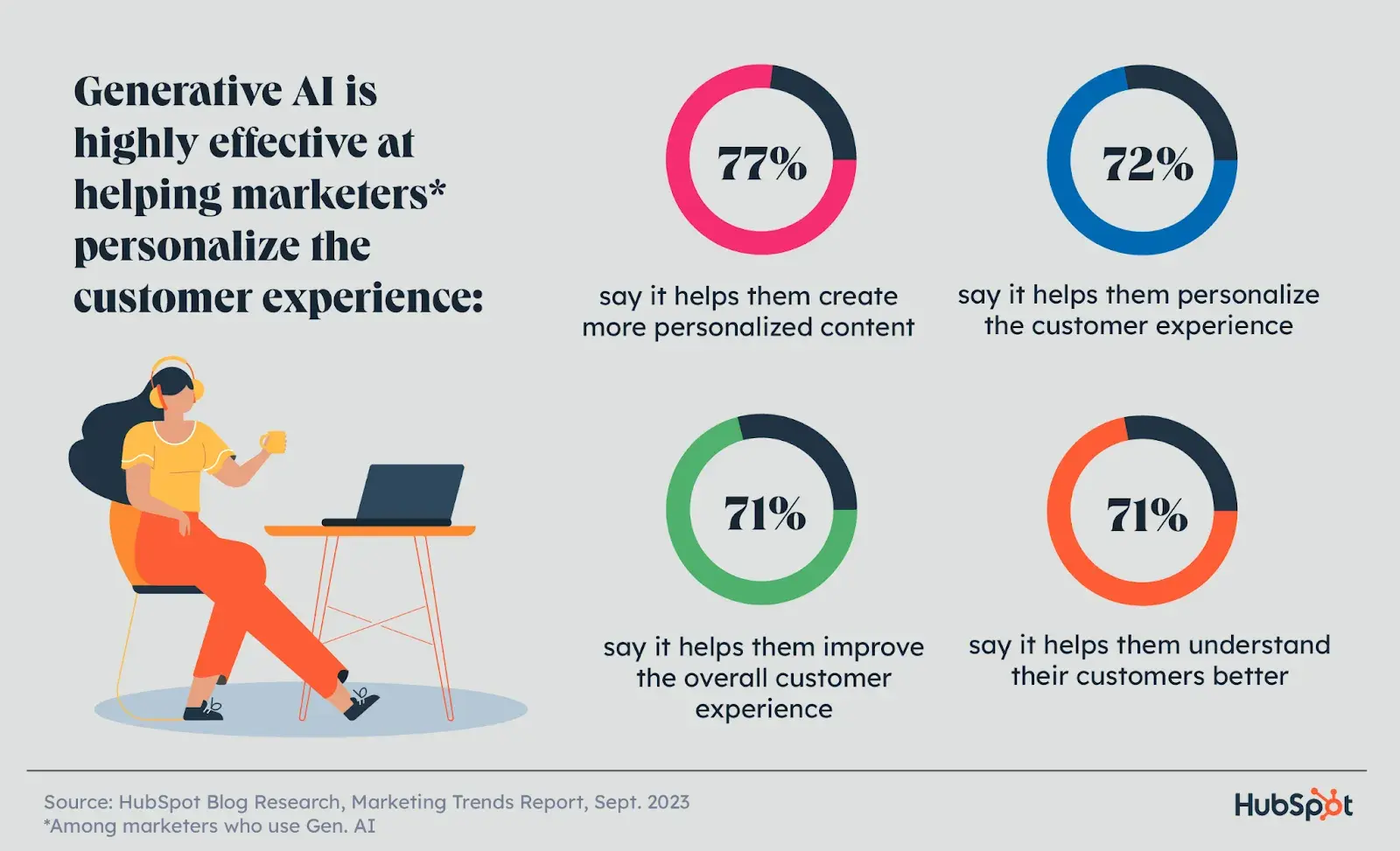
Generative AI empowers teams to create more personalized content while gaining a deeper understanding of customer needs. By incorporating these tools, you can refine your overall experience and improve the efficiency of your content production pipeline. This technological shift allows marketers to produce higher volumes of content without proportionally increasing headcount or costs. However, it is crucial to balance AI-generated content with human oversight to maintain brand voice and accuracy. Budgeting for AI tools should include costs for software subscriptions, training, and potentially hiring specialists who can manage and optimize these technologies. This investment can lead to significant long-term savings and improved scalability of your content creation strategy.
Aligning Investment with Long-Term Results
A content marketing budget is a dynamic tool that requires ongoing attention and adjustment. By focusing on your specific audience, tracking the right metrics, and staying agile as platforms evolve, you create a foundation for consistent growth. The goal is to reach a point where your spending directly supports the business objectives that matter most to your organization. This alignment ensures that marketing efforts are not just creative exercises but strategic drivers of revenue and brand equity. Regular communication between marketing and sales teams is essential to ensure that the leads generated are of high quality and that the content is resonating with the target audience at every stage of the buyer’s journey.
As you continue to refine your strategy, consider whether your current resource allocation truly reflects the changing nature of how your customers find and interact with your brand. The digital landscape is constantly evolving, with new platforms, technologies, and consumer behaviors emerging regularly. Staying informed and adaptable is key to maintaining a competitive edge. By regularly reviewing and adjusting your content marketing budget, you can ensure that your investments are always aligned with the most effective and efficient ways to reach and engage your audience. This proactive approach not only maximizes marketing ROI but also builds a resilient marketing strategy that can withstand market fluctuations and technological changes.





