Understanding Content Gap Analysis
Content gap analysis is the strategic process of identifying the topics, questions, and information your target audience is actively seeking that remain unaddressed by your current digital presence. By systematically comparing your existing library against competitor output, customer search intent, and the various stages of the buyer journey, you uncover specific opportunities to provide value where it is currently missing.

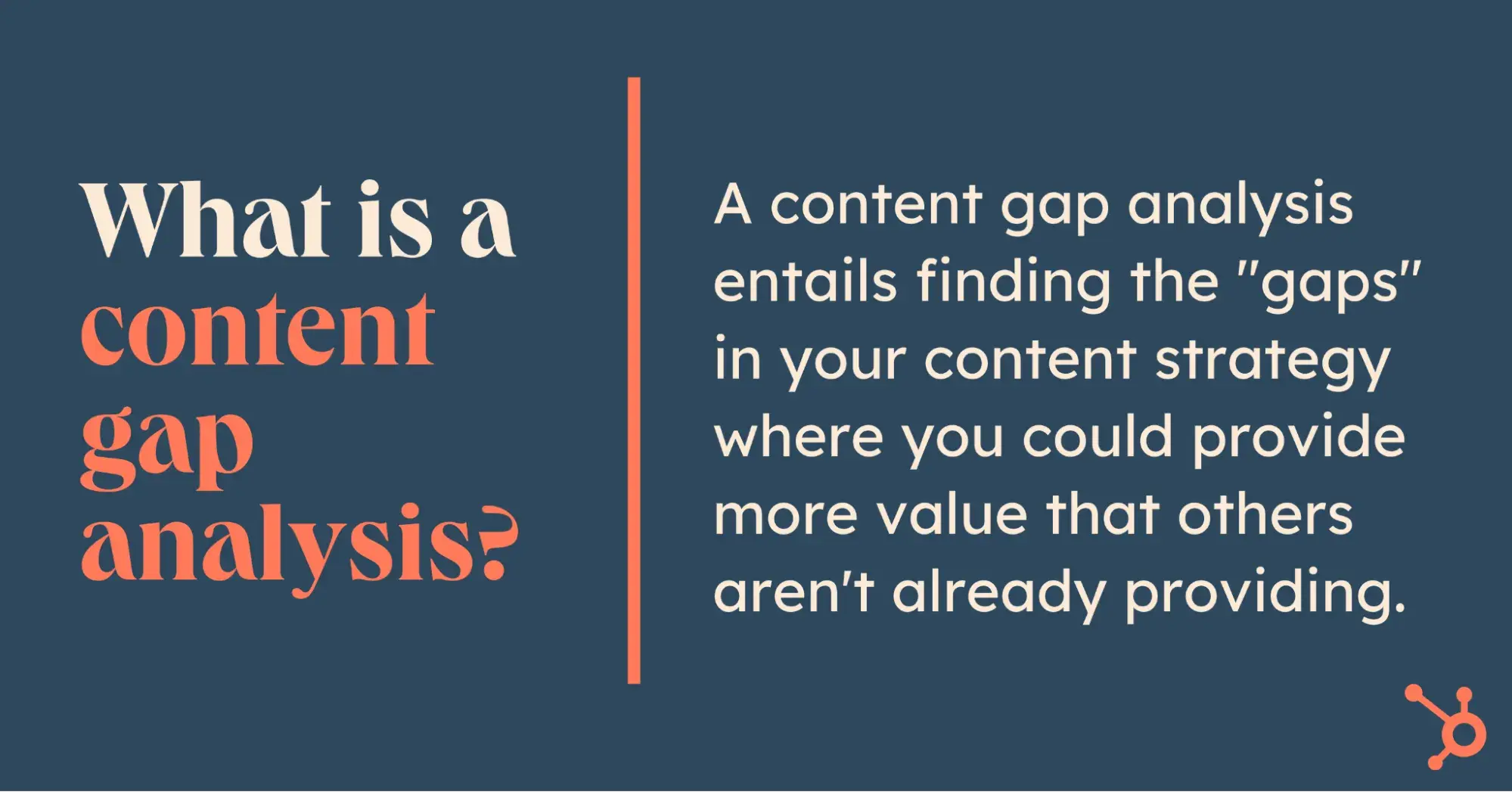
This exercise serves as a diagnostic tool for your content strategy. Rather than creating assets based on assumptions about what your audience needs, you rely on data-driven insights. It is about finding the “cracks” in the market—the specific pain points or inquiries that your competitors have overlooked—and positioning your brand to answer them effectively.
The Diagnostic Nature of Analysis
At its core, this process transforms your editorial calendar from a collection of guesses into a precision instrument. By mapping out exactly where your content falls short, you avoid the common pitfall of producing high volumes of content that fail to resonate. This diagnostic phase identifies not just what is missing, but why it matters to the user’s specific stage in the buying cycle.
Aligning with the Buyer Journey
A successful analysis evaluates content across the entire funnel. You may have excellent top-of-funnel blog posts, but a glaring gap in middle-of-funnel comparison guides or bottom-of-funnel case studies. By identifying these missing pieces, you create a cohesive experience that guides prospects from initial awareness to final purchase, ensuring no potential lead is lost due to a lack of necessary information.
Why Content Gap Analysis Matters
Many organizations suffer from a disconnect between internal assumptions and the actual needs of their audience. We often believe we know what our customers want, but data frequently tells a different story. A rigorous analysis provides a clear roadmap for your content production, ensuring that your resources are directed toward topics that offer the highest potential for engagement and conversion.
Boosting Search Engine Visibility
Meaningful content that precisely aligns with user search intent is a primary driver of organic growth. When you identify underexplored topics, you have the chance to create high-depth resources that satisfy complex queries. For instance, discovering a gap between a broad topic like programmatic advertising and specific user questions about technical implementation allows you to capture traffic that competitors are missing. By targeting these queries, you improve your search rankings and establish a more authoritative domain.
The First-Mover Advantage
Being the first to address an emerging trend or an underserved pain point provides significant competitive benefits. It establishes your brand as a primary source of information, which often leads to organic backlink acquisition from others who later cover the same topic. Search engines tend to reward early, comprehensive coverage, and your audience begins to view your brand as a thought leader. This reputation building is essential for long-term customer retention and brand loyalty.
Building Trust and Authority
Filling content gaps is fundamentally about empathy. When you address the specific “why” and “when” behind an audience’s search, you demonstrate that you understand their challenges. This approach moves beyond simple keyword optimization and into the realm of genuine problem-solving. Research indicates that stakeholders are far more likely to reconsider vendor relationships when they encounter high-quality thought leadership, proving that the effort invested in bridging these gaps yields tangible business results.
Identifying Market Blind Spots
Every industry has topics that are frequently searched but poorly served by existing content. These blind spots represent the lowest barrier to entry for gaining new traffic. By monitoring these areas, you can produce content that stands out simply by being more helpful, more accurate, or more current than the existing, outdated alternatives provided by competitors.
Executing a Content Gap Analysis
Effective analysis requires a structured approach that balances quantitative data with qualitative audience research. It is a process of discovery that should inform your entire editorial calendar.
Step 1: Locating Your Audience
Before diving into keyword databases, identify where your audience discusses their struggles. Platforms like Reddit or niche industry forums are often goldmines for identifying recurring frustrations and unanswered questions. For example, if you notice consistent threads about technical integration challenges in your industry, you have identified a clear topic gap. Engaging with these communities not only provides research data but also allows you to build early trust by providing helpful, non-promotional answers.
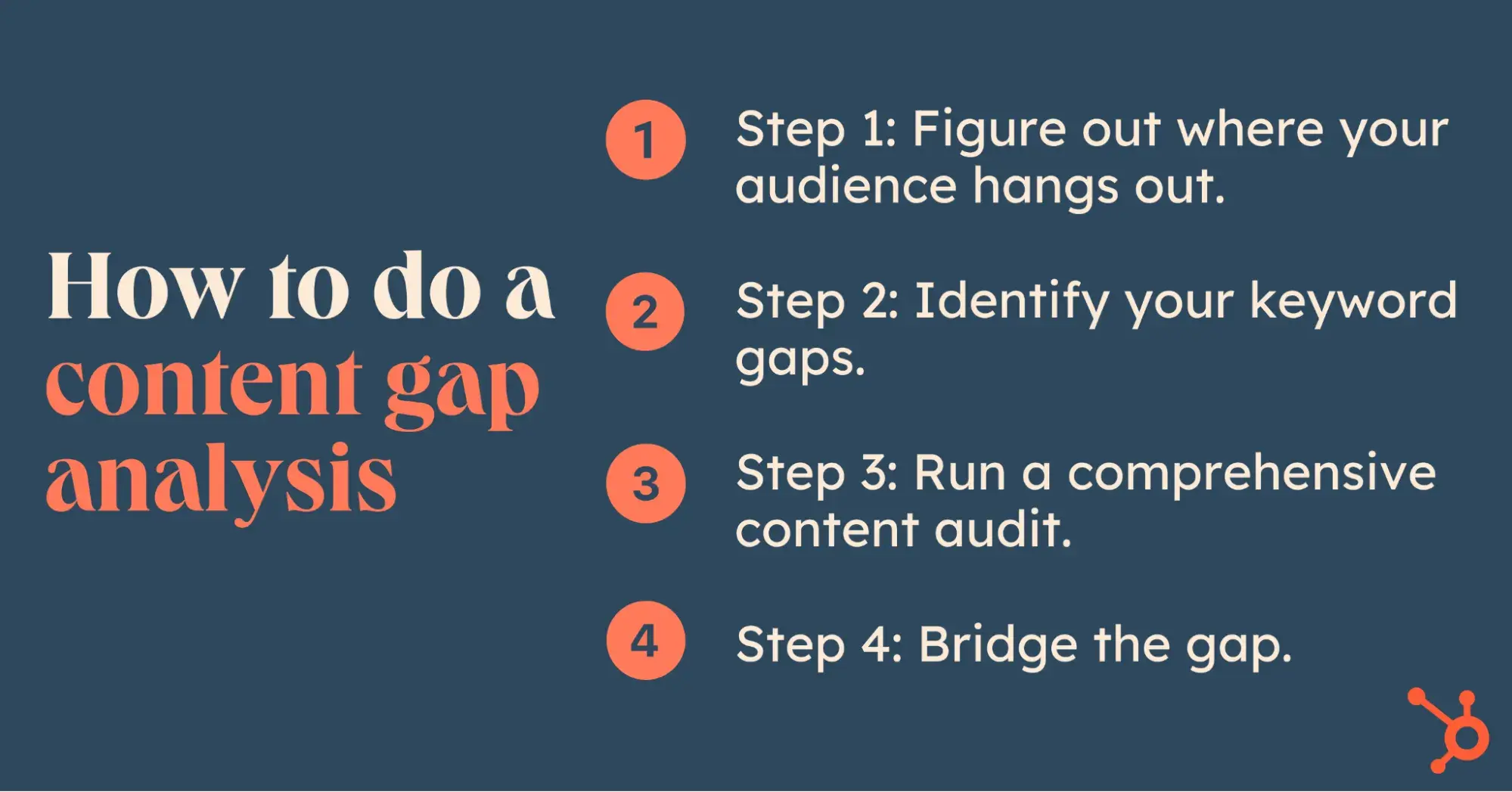
Step 2: Mapping Keyword Gaps
Once you understand the conversational landscape, use keyword research tools to benchmark your performance against competitors. Focus on three distinct areas:
| Opportunity Type | Strategy |
|---|---|
| Missing Keywords | Target terms where competitors rank but you have no visibility. |
| Weak Keywords | Optimize existing pages where you rank but fall behind competitors. |
| Intent Alignment | Ensure content matches the informational, navigational, or transactional intent. |
By filtering for top-ranking pages and analyzing the depth of competitor content, you can determine exactly how to outperform existing resources. Focus on “low-hanging fruit”—keywords where you already have some visibility but could reach the first page with a targeted content update.
Step 3: Conducting a Content Audit
Your internal audit should be rooted in performance metrics rather than gut feeling. Create a master inventory of your existing assets, including blog posts, landing pages, and technical documentation. Document metadata such as publication dates, primary keywords, and conversion rates. During this process, flag content that is outdated, cannibalizing your other pages, or failing to address current audience needs. This inventory becomes the foundation for your content refresh strategy.
Step 4: Bridging the Gaps
Action follows analysis. You have two primary paths: refreshing existing high-potential pages or creating new content. Refreshing pages that rank in the 5–15 position range is often the most cost-effective way to drive immediate traffic gains. By updating statistics and aligning the content more closely with user intent, you can often push these pages into the top-ranking positions. For broader gaps, develop new, comprehensive guides that directly address the specific pain points you identified during your research.
Practical Steps for Implementation
To begin, start with a small, manageable segment of your site. Do not attempt to audit your entire domain at once. Focus on one product category or one service line. Create a spreadsheet to track the URL, the target keyword, the current rank, and the identified gap. Once you have a list of 10–20 high-priority gaps, assign them to your content team with clear briefs that outline the necessary depth and tone.
Best Practices for Long-Term Success
To move beyond the basics of content gap analysis, adopt a mindset of continuous observation. The most effective strategies are those that evolve alongside your audience.
Listen Beyond the Keywords
Data tools capture what people type into search engines, but they rarely capture the full context of a problem. Listen to your customer success teams and review live chat logs. These channels often reveal nuanced questions that your current content strategy has yet to address. This qualitative data is invaluable for creating content that feels personal and highly relevant.
Prioritize Intent Over Volume
It is tempting to chase high-volume keywords, but volume is a poor proxy for conversion. Focus on intent-driven content that speaks to users who are closer to making a decision. For B2B businesses, specific, lower-volume queries often attract more qualified leads than broad, competitive terms. A smaller audience of high-intent visitors is frequently more valuable than a large audience of casual browsers.
Embrace Niche Focus
Do not feel pressured to compete for broad, high-level industry terms immediately. Narrowing your focus allows you to dominate specific, long-tail queries that address unique use cases. When you solve a specific problem for a specific persona, you build a loyal audience that recognizes your expertise. This foundation of trust makes it significantly easier to expand into broader topics later, as your domain authority will have already been established through your niche focus.
Maintaining an Agile Editorial Calendar
A static plan is often obsolete within months. Incorporate a quarterly review of your keyword gap analysis to ensure your focus shifts as search trends change. By staying agile, you can pivot your content production to address new questions as they arise in your industry, keeping your brand ahead of the curve and consistently relevant to the evolving needs of your target market.





