Influencer marketing has become a standard pillar of modern brand strategy, yet many teams struggle to define a clear influencer budget. When you start exploring this channel, the sheer variety of pricing models and influencer tiers can feel overwhelming. Establishing a realistic financial plan requires moving past the guesswork and grounding your decisions in specific goals and industry benchmarks. Without a structured approach, brands often overspend on low-performing campaigns or underspend on high-potential partnerships, leading to missed opportunities and wasted resources. The following guide breaks down the essential components of setting an effective budget, ensuring that every dollar spent contributes to measurable growth and brand visibility.
Understanding Influencer Costs
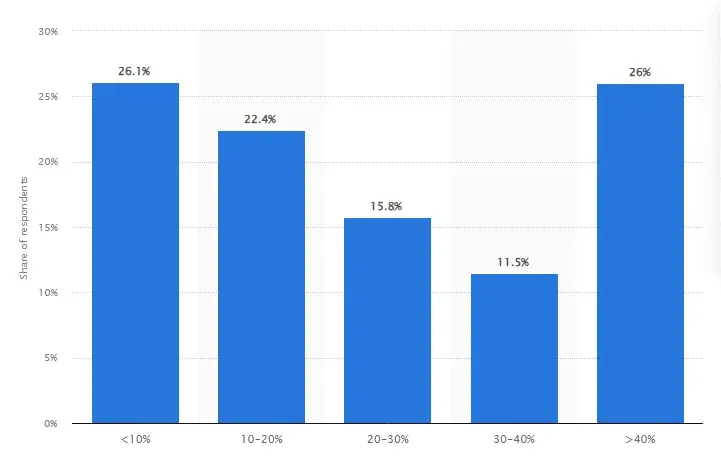
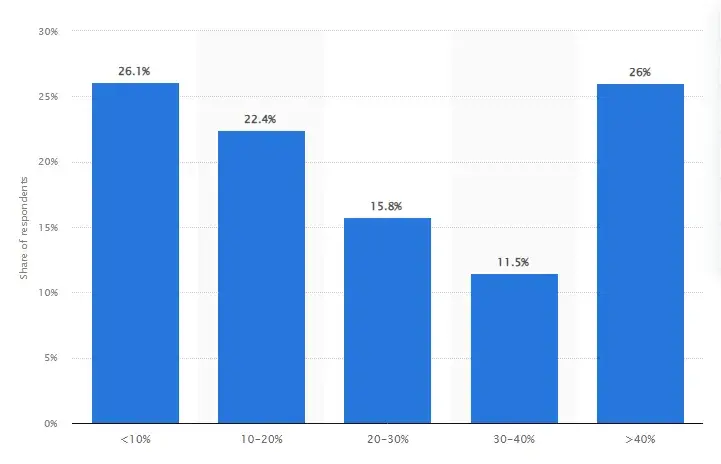
Influencer pricing is rarely fixed, which often leads to confusion when you first attempt to allocate funds. While there is no universal “magic number,” industry data provides a helpful starting point for your planning. Recent surveys indicate that a significant portion of brands—roughly 26 percent—now commit more than 40 percent of their marketing budget to influencer activities. However, the majority of companies still operate within more modest ranges, with many spending under $10,000 annually. Your specific budget should reflect your company’s scale and your unique growth objectives rather than trying to replicate someone else’s spending habits. It is crucial to understand that these figures represent averages across various industries, and your niche may dictate significantly higher or lower costs.
Factors That Drive Price Variations
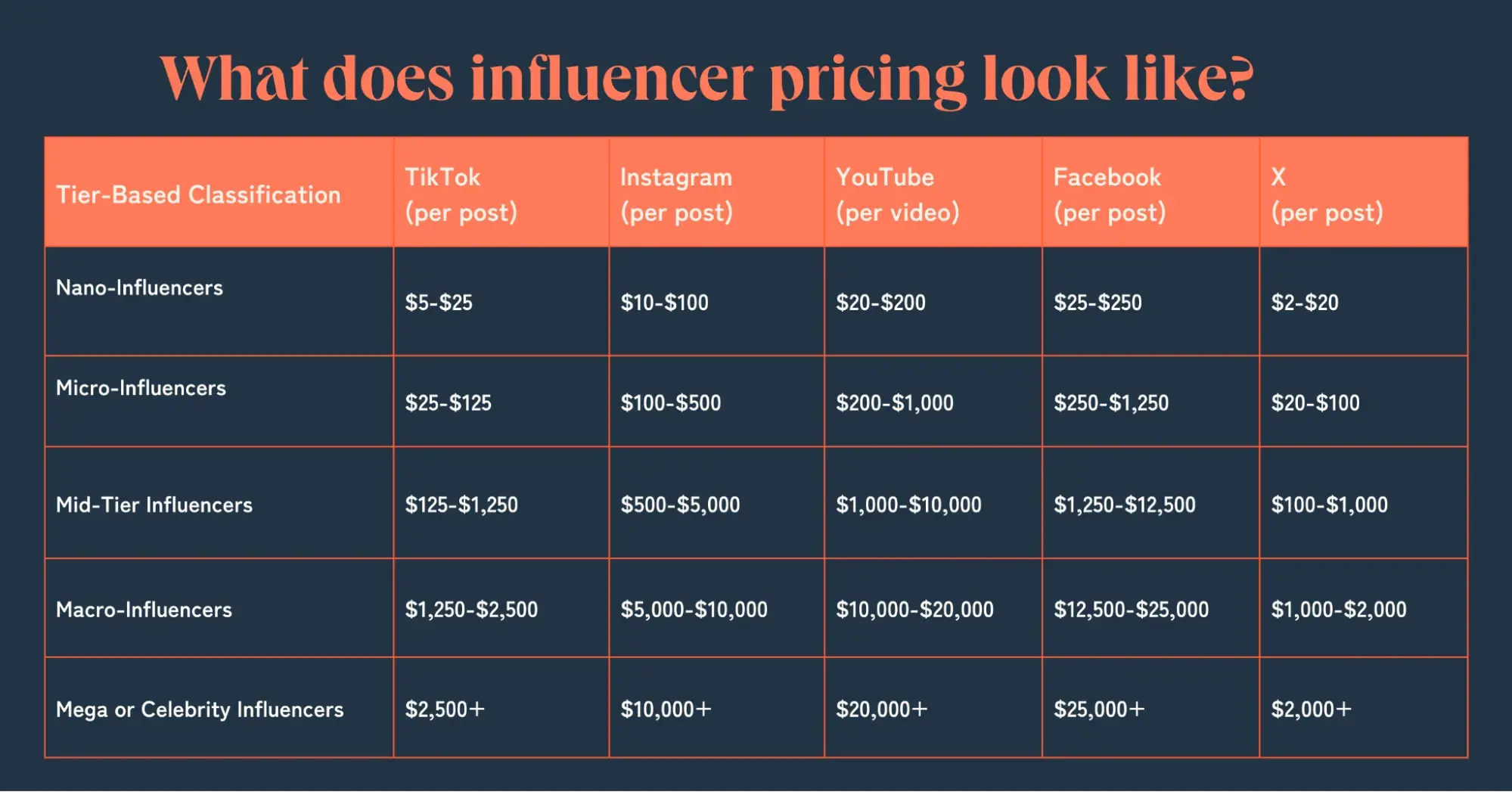
Several key variables influence how much an influencer charges for a collaboration. The platform plays a significant role; for instance, video content on TikTok or Instagram Reels often commands higher rates than static posts on Facebook due to the increased production effort and algorithmic favorability. Additionally, the exclusivity of the content matters. If you require the influencer to refrain from promoting competitors for a set period, expect to pay a premium. Geographic location also impacts pricing, as influencers in major metropolitan areas or high-cost countries may have higher overheads and audience expectations. Understanding these drivers allows you to negotiate more effectively and identify where you can cut costs without sacrificing quality.
Scalability and Return on Investment
These figures illustrate that influencer marketing is scalable. Whether you are a small business experimenting with a few partnerships or an enterprise scaling a global campaign, the investment levels vary widely. The key is to treat this budget as a reflection of your expected return, ensuring that the capital you commit aligns with the measurable outcomes you hope to achieve. For smaller brands, starting with a modest influencer budget allows for testing different messaging angles and audience segments without risking significant capital. As you gather data on what works, you can gradually increase your investment, focusing on high-performing creators and content types. This iterative approach minimizes risk and maximizes the efficiency of your marketing spend.
Influencer Tiers and Partnership Models
Influencer pricing depends on the platform, the influencer’s reach, and the nature of the partnership. Understanding these variables allows you to make informed choices that protect your margins while maximizing exposure. Different tiers offer distinct advantages, and selecting the right mix is essential for a balanced content strategy.
Choosing the Right Influencer Tier
Your choice of partner should be dictated by your goals rather than just follower counts. While mega-influencers offer massive visibility, smaller creators often provide higher engagement rates and deeper trust with their audience. Each tier serves a specific purpose in the marketing funnel, from awareness to conversion.
- Nano-Influencers (1K–10K followers): Ideal for high-engagement, niche-specific campaigns. These creators often have the highest engagement rates because their audiences are highly targeted and personally connected to them. They are cost-effective for brands looking to drive authentic word-of-mouth and community trust.
- Micro-Influencers (10K–100K followers): Excellent for laser-targeted outreach within specific communities. They strike a balance between reach and engagement, making them suitable for brands that want to expand their audience while maintaining a personal touch.
- Mid-Tier Influencers (100K–1M followers): A balanced option for scaling reach while maintaining community connection. These creators have established credibility and can help brands move from niche awareness to broader recognition.
- Macro-Influencers (1M–10M followers): Best for rapid brand awareness and broad visibility. They are ideal for large-scale campaigns aimed at reaching a wide audience quickly, though their engagement rates may be lower than smaller tiers.
- Mega-Influencers (10M+ followers): The choice for celebrity-level impact and massive reach. These partnerships are expensive but can generate significant buzz and media coverage, suitable for major product launches or brand repositioning efforts.
Personality fit is arguably more important than audience size. A partner who genuinely aligns with your brand voice will always outperform a larger creator who feels disconnected from your mission. Look for authenticity above all else. Assessing an influencer’s tone, values, and previous collaborations can help determine if they are a good cultural fit for your brand. This alignment ensures that the content feels natural and resonates with the audience, leading to better performance metrics.
Common Partnership Structures
How you structure your agreements directly impacts your costs. Sponsored content is the most common model, where you pay a flat fee for a post or video. This model provides predictability in budgeting but requires careful negotiation to ensure the content meets your quality standards. However, you might also consider affiliate marketing, where you pay a commission based on sales, which helps to mitigate upfront risk. This performance-based model aligns the influencer’s incentives with your business goals, ensuring they are motivated to drive conversions.
Product seeding—sending items for review—is another low-cost entry point, though it is usually only effective with nano and micro-influencers. This approach relies on the influencer’s genuine interest in your product and can generate organic content without a direct financial transaction. For deeper integration, consider long-term partnerships or social media takeovers, which often provide more consistent brand messaging than one-off posts. These extended collaborations allow influencers to become true advocates for your brand, fostering deeper trust with their audience and providing more valuable content assets for your marketing channels.
A Strategic Approach to Budgeting
Setting an influencer budget is a structured process that starts with clear objectives and ends with ongoing measurement. By following a logical sequence, you can ensure that your spending is both predictable and effective. This strategic approach helps you avoid common pitfalls, such as overspending on vanity metrics or underinvesting in high-potential partnerships.
Steps to Define Your Investment
- Define your goals: Are you chasing brand awareness or direct conversions? Your answer changes which influencers you contact and how you compensate them. Awareness campaigns may prioritize reach and impressions, while conversion-focused campaigns should target influencers with proven sales records.
- Review your total marketing spend: Influencer marketing should integrate into your existing strategy, not exist in a silo. Allocate a percentage that reflects your overall business priorities. Consider how influencer efforts complement other channels, such as social media advertising or email marketing, to create a cohesive brand experience.
- Estimate costs: Use research tools to identify potential partners and gather quotes. Factor in additional costs like content creation, measurement software, and legal fees for contracts. It is easy to overlook these ancillary expenses, but they can significantly impact your total budget.
- Negotiate clear terms: Define expectations regarding content rights and deliverables early. Avoid guaranteeing specific sales results, as these are rarely predictable. Instead, focus on agreed-upon metrics such as engagement rates, click-through rates, or content usage rights.
- Track and measure performance: Use analytics tools to monitor engagement and conversions. If a partnership isn’t yielding results, reallocate that budget to higher-performing channels. Regular monitoring allows you to make data-driven adjustments and optimize your campaign in real time.
- Maintain flexibility: Treat your budget as a living document. Keep a “wildcard fund” available to capitalize on unexpected opportunities or real-time trends that emerge during the campaign. This flexibility ensures you can respond quickly to market changes and maximize the impact of your influencer marketing efforts.
Best Practices for Long-Term Success
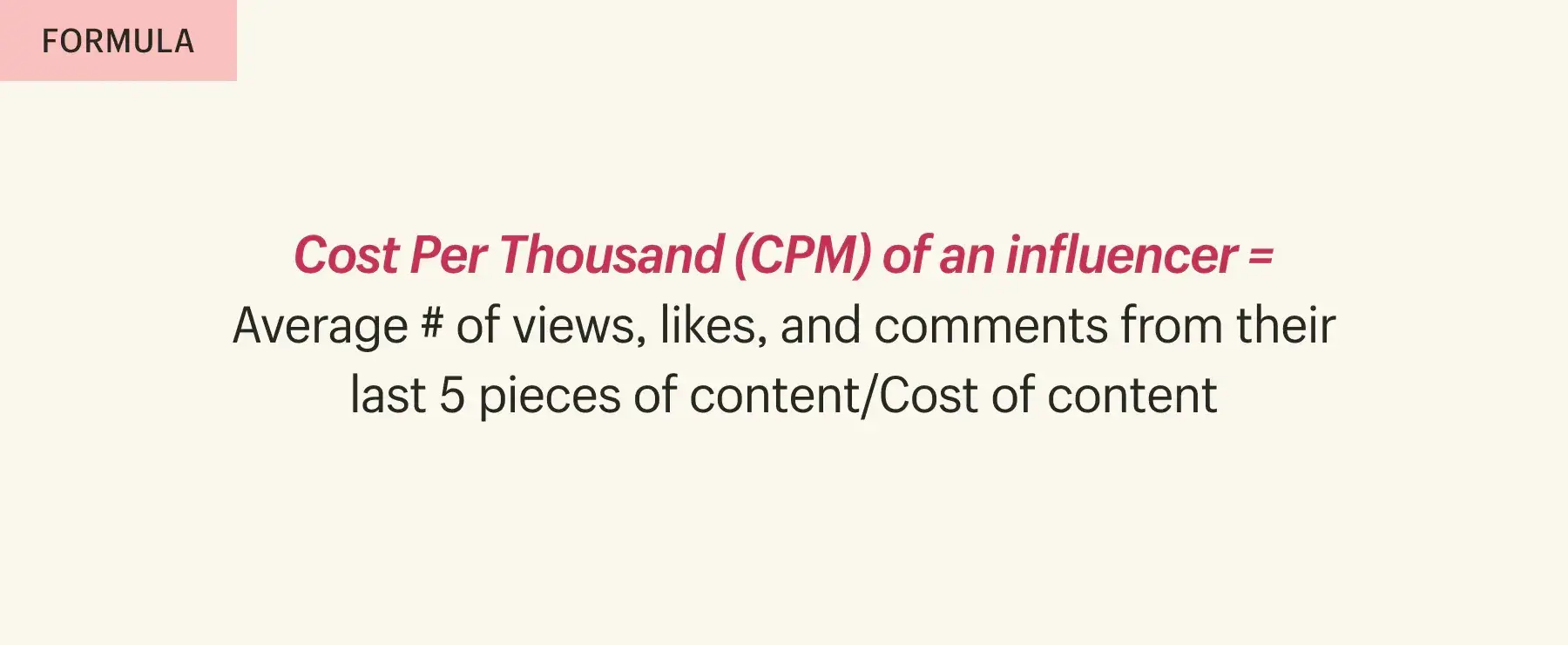
Transparency is the foundation of any successful influencer partnership. Be clear about your limitations and goals from the start to build trust. It is also vital to monitor for potential malpractices, such as fake engagement or inflated follower counts. Always verify performance data rather than relying solely on a creator’s media kit. Using third-party analytics tools can provide an objective view of an influencer’s audience quality and engagement authenticity, helping you avoid costly mistakes.
Furthermore, prioritize long-term relationships over one-off transactions. Consistency helps build a more authentic brand perception, which is often more valuable than a single viral post. As you refine your approach, remember that marketing is a long-term investment. While clicks and conversions are important, the lasting impact on brand equity is what truly drives sustainable growth. By staying agile and keeping your strategy data-driven, you can navigate the complexities of influencer pricing while building meaningful connections with your audience. Regularly reviewing and adjusting your budget based on performance insights ensures that your influencer marketing efforts remain aligned with your evolving business goals.





