Opening an online store is often perceived as the finish line. In reality, it is merely the starting point. Many business owners launch their digital storefronts with the expectation that traffic will naturally convert into revenue. The market does not work that way. Whether you are establishing a new presence on a marketplace or managing an established enterprise, you will encounter periods of stagnation. Sales plateaus are inevitable. When growth stalls, the instinctive reaction is often to slash prices. Discounting erodes margins and trains customers to wait for a sale. It is a short-term fix with long-term consequences.

There is a more sustainable path. By focusing on user experience, data-driven optimization, and trust-building, you can increase conversion rates without sacrificing your profit margins. These methods require more upfront effort than a simple price cut. They also yield better long-term results. We have identified six strategic approaches to help you generate more revenue. These tactics focus on removing friction, understanding customer behavior, and engaging your audience effectively.
Optimizing User Experience Through A/B Testing
A/B testing is the process of comparing two versions of a webpage or app screen to determine which one performs better. It is a fundamental tool for improving conversion rates. You can test almost any element of your site. This includes product images, headlines, descriptions, and the overall layout. The goal is to identify what resonates with your audience. Guessing what works is inefficient. Data provides clarity. By systematically testing changes, you replace assumptions with evidence. This approach ensures that every update to your site is backed by user behavior data.
Mobile optimization is a critical area for testing. A significant portion of ecommerce traffic comes from mobile devices. If your site is not responsive or loads slowly on a phone, you are losing potential sales. Mobile shoppers expect a seamless experience. They do not have the patience for clunky interfaces. Ensure that your buttons are easily tappable. Check that text is readable without zooming. Test the speed of your mobile pages. A delay of just a few seconds can cause visitors to bounce. A frictionless mobile experience is no longer optional. It is a requirement for competitiveness.
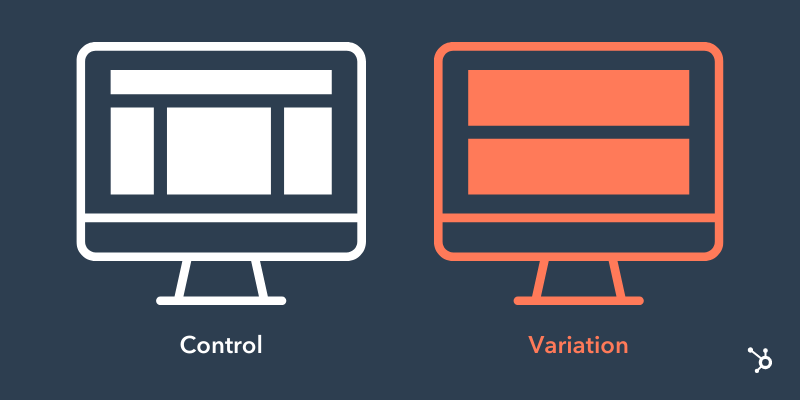
User experience extends beyond mobile performance. It encompasses the entire journey from landing on your site to completing a purchase. Look for friction points in your checkout process. Are there too many pop-ups? Is the navigation confusing? Do users have to create an account before buying? Each barrier reduces the likelihood of a sale. A/B testing helps you identify and remove these obstacles. Start with one component at a time. Change too much at once, and you will not know which adjustment drove the improvement. Plan your tests carefully. Allocate sufficient time to gather statistically significant data. This methodical approach leads to continuous, incremental gains.
Why Mobile-First Testing Matters
Mobile devices account for the majority of internet traffic globally, yet they often convert at lower rates than desktops. This discrepancy highlights a critical opportunity for optimization. When you test mobile specifically, you address unique constraints such as screen real estate and thumb-friendly navigation. Consider the placement of your call-to-action buttons. On a desktop, a button might sit comfortably in the center of a wide screen. On mobile, that same button might be buried below the fold, requiring excessive scrolling. By isolating mobile performance in your A/B tests, you can redesign layouts to prioritize key actions. This might mean moving the “Add to Cart” button above the fold or simplifying form fields to reduce typing effort. The result is a smoother journey that respects the user’s context and device limitations.
Common A/B Testing Mistakes to Avoid
One of the most frequent errors in A/B testing is changing multiple variables simultaneously. If you alter the headline, the image, and the button color all at once, you cannot determine which change influenced the outcome. This ambiguity renders the test useless for future decisions. Another mistake is ending tests too early. Statistical significance requires a sufficient sample size. If you stop a test after a few hours because one version looks better, you risk drawing conclusions from random noise rather than true user preference. Always let your testing tool calculate the confidence level. Additionally, failing to segment your audience can skew results. New visitors may behave differently than returning customers. Segmenting your data allows you to understand how different groups interact with your variations, leading to more nuanced and effective optimizations.
Practical Steps for Effective Testing
- Define a clear hypothesis: State what you expect to happen and why.
- Test one variable at a time: Change only one element per test to isolate the impact.
- Run tests for adequate duration: Allow at least two weeks to account for weekly traffic patterns.
- Analyze results objectively: Look for statistical significance before making decisions.
- Implement and iterate: Apply the winning variation and move on to the next test.
Building an Email List for Direct Engagement
Email marketing remains one of the most effective channels for driving sales. It offers a direct line to your customers. Unlike social media algorithms, you control your email list. This channel delivers a high return on investment. Every dollar spent on email marketing can generate substantial revenue. The key is to build a list of people who have given you permission to contact them. This permission is crucial. It ensures that your messages are welcome and relevant. An engaged list is more valuable than a large, disengaged one.
Growing an email list requires strategic placement of opt-in opportunities. You can use website pop-ups, exit-intent forms, or dedicated landing pages. Offer something of value in exchange for the email address. This could be a newsletter, a guide, or early access to new products. Do not be discouraged if growth is slow at first. Building a quality list takes time. Focus on providing value. Your subscribers should look forward to hearing from you. This builds trust and encourages repeat purchases.
Subject lines play a pivotal role in email performance. They determine whether your message gets opened. A compelling subject line piques curiosity. It hints at the value inside without giving everything away. Promotional emails also perform well when they are clear and concise. Front-load your subject line with a strong hook. Make the reader want to click. Avoid clickbait that does not deliver on its promise. This erodes trust quickly. Your goal is to start a conversation, not just to send a broadcast. Personalization can also improve open rates. Use the subscriber’s name when appropriate. Segment your list to send targeted content. This relevance increases engagement.
The Power of Segmentation in Email Marketing
Sending the same email to your entire list is a missed opportunity. Segmentation allows you to tailor your messages to specific groups based on their behavior, preferences, or purchase history. For example, you can create a segment for customers who have abandoned their carts, another for those who have purchased in the last month, and another for subscribers who have not opened an email in six months. Each group receives content relevant to their stage in the customer journey. Cart abandoners might receive a reminder with a helpful tip, while loyal customers might get an exclusive preview of a new collection. This targeted approach ensures that your emails feel personal and useful, rather than generic and intrusive. As a result, open rates, click-through rates, and ultimately, sales, tend to increase significantly.
Crafting High-Performing Subject Lines
- Spark curiosity: Use open loops that compel the reader to find out more.
- Be specific: Clearly state the benefit or value inside the email.
- Create urgency: Use time-sensitive language when applicable.
- Keep it short: Aim for subject lines that are easily readable on mobile devices.
- Test variations: A/B test different subject lines to see what resonates with your audience.
Establishing Trust Signals to Reduce Buyer Anxiety
Trust is the foundation of ecommerce. Customers cannot physically inspect your products. They rely on other cues to make purchasing decisions. Trust signals are visual or textual elements that reassure buyers. They reduce the perceived risk of buying from an unknown source. Customer reviews are one of the most powerful trust signals. Shoppers often read reviews before making a purchase. A product with no reviews may seem suspicious. Positive reviews validate the quality of your offering. They provide social proof that others have had a good experience. Encourage satisfied customers to leave feedback. Make the process easy and straightforward.

Visual content also builds trust. High-quality images from multiple angles help customers understand what they are buying. 3D videos and product demos can provide an even more immersive experience. These tools bridge the gap between online browsing and physical inspection. They reduce uncertainty and increase confidence. Testimonials are another effective trust signal. Unlike reviews, which focus on specific products, testimonials often speak to the overall brand experience. Reach out to your most loyal customers for these endorsements. Display them prominently on your website. Use them on landing pages, about pages, and even in email campaigns. This multi-channel approach reinforces your credibility.
The Psychology Behind Social Proof
Humans are social creatures who look to others for guidance, especially in uncertain situations. This phenomenon, known as social proof, is particularly potent in ecommerce where physical interaction is absent. When a potential customer sees that hundreds of others have purchased and enjoyed a product, their anxiety diminishes. They perceive the product as safer and more reliable. However, authenticity is key. Shoppers are savvy and can detect fake or overly polished reviews. Encouraging honest feedback, including constructive criticism, can actually enhance trust. A mix of five-star and four-star reviews suggests a realistic and balanced perspective. Additionally, displaying user-generated content, such as photos of customers using the product, adds a layer of authenticity that professional images alone cannot achieve. This visual evidence confirms that the product works as advertised in real-world scenarios.
Leveraging Social Proof
- Display reviews prominently: Place them near the ‘Add to Cart’ button.
- Use video testimonials: Video adds a layer of authenticity that text cannot match.
- Showcase media mentions: If you have been featured in press, display those logos.
- Highlight security badges: Use SSL certificates and payment trust seals to reassure users.
- Encourage user-generated content: Share photos of customers using your products.
Using Heat Mapping to Understand Visitor Behavior
Heat mapping provides a visual representation of how users interact with your website. It shows where visitors click, scroll, and hover. This data reveals what captures their attention and what they ignore. Tools like Hotjar aggregate this information to give you a comprehensive view of user behavior. You can see which parts of your page are most engaging. You can also identify areas that are overlooked. This insight is invaluable for optimizing your site. It allows you to make data-driven decisions about layout and content placement.
Analyzing heat maps helps you understand the customer journey. You can track where visitors come from and how long they stay. If you drive traffic through social media, you can see how those users behave compared to others. Do they scroll further? Do they click on specific calls-to-action? This information helps you tailor your content to different audience segments. It also helps you identify potential issues. For example, if users are not scrolling to your main offer, you may need to move it higher up the page. Heat mapping turns guesswork into strategy. It provides a clear picture of what is working and what is not.
Focus your heat map analysis on high-impact pages. Your home page, landing pages, and best-performing blog posts are good starting points. Look for patterns in user behavior. Are there hotspots around certain images or buttons? Are there cold spots where no interaction occurs? Use this information to refine your design. Ensure that your most important elements are in the most visible areas. This optimization can significantly improve your conversion rates. Heat mapping is an ongoing process. User behavior changes over time. Regular analysis ensures that your site remains effective.
Interpreting Scroll Depth for Content Placement
Scroll heatmaps reveal how far down the page users are scrolling. This metric is crucial for determining the optimal placement of your call-to-action (CTA) buttons and key messaging. If your heatmap shows that 80% of users stop scrolling halfway down the page, placing your primary CTA at the bottom is ineffective. Instead, move it to the upper third of the page where attention is highest. Conversely, if you have a long-form blog post or a detailed product description, you can use scroll data to identify where interest wanes. If users drop off significantly after a certain point, consider shortening the content or breaking it up with more engaging visuals. By aligning your content structure with actual user behavior, you ensure that your most critical information is seen by the majority of your visitors.
Key Metrics to Monitor in Heat Maps
- Click heatmaps: Show where users are clicking on your page.
- Scroll heatmaps: Reveal how far down the page users are scrolling.
- Move heatmaps: Track where users are moving their cursor.
- Attention heatmaps: Estimate where users are focusing their attention.
- Funnel analysis: Visualize where users drop off in a multi-step process.
Implementing Exit CTAs to Recapture Lost Leads
Shopping cart abandonment is a common challenge in ecommerce. Many visitors add items to their cart but do not complete the purchase. This represents lost revenue. However, it also represents an opportunity. An exit call-to-action (CTA) is a popup that appears when a user is about to leave your site. It offers something enticing to encourage them to stay or return. This could be a discount, a free shipping offer, or a newsletter signup. The goal is to capture their interest before they bounce. Exit CTAs are a powerful tool for lead generation and conversion recovery.
Remarketing is another strategy to win back abandoned carts. You can send automated emails to remind customers of the items they left behind. These emails should be friendly and helpful. They can include images of the products and a direct link back to the cart. Some brands use humor or personalization to make these emails stand out. The key is to provide value, not just a nagging reminder. You might offer assistance or answer common questions about the product. This approach shows that you care about the customer’s experience.
.png?width=800&name=Exit%20CTA%20(1).png)
Cart abandonment software can automate this process. These tools track user behavior and trigger emails or popups based on specific actions. They save you time and ensure that no potential sale is missed. Look for software that offers customization options. You want the communications to match your brand voice. Most tools operate on a sliding scale price. You pay for what you use. This makes it accessible for businesses of all sizes. Implementing these tactics can significantly reduce cart abandonment. It turns lost opportunities into recovered revenue.
Balancing Urgency and Value in Exit Offers
When crafting an exit CTA, the offer must be compelling enough to halt the user’s departure. However, it should not feel desperate or overly aggressive. A common mistake is offering a deep discount immediately, which can devalue your brand and train customers to wait for a deal. Instead, consider offering value that aligns with your brand identity. For example, a fashion brand might offer early access to a new collection or a style guide. A tech company might offer a free consultation or a detailed comparison chart. If you do offer a discount, frame it as a thank you for signing up for your newsletter, rather than a bribe to stay. This approach builds your email list while providing immediate value. Additionally, ensure that the popup is easy to close. Forcing users to engage can lead to frustration and a negative brand perception. Respect their choice to leave, but make staying an attractive option.
Best Practices for Exit CTAs
- Trigger timing: Set the popup to appear after a certain amount of time or inactivity.
- Value proposition: Clearly state the benefit of staying or signing up.
- Design consistency: Ensure the popup matches your website’s branding.
- Frequency capping: Limit how often a user sees the popup to avoid annoyance.
- Mobile optimization: Make sure the popup is easy to close on mobile devices.
Leveraging Social Media for Customer Engagement
Social media is more than just a marketing channel. It is a platform for building relationships. You can use it to monitor what people are saying about your brand. Tools like HubSpot’s social inbox consolidate mentions from various platforms. This allows you to respond quickly and consistently. Engagement is key. When someone mentions your brand, take the opportunity to start a conversation. Answer questions, address complaints, and thank customers for their support. This interaction builds loyalty and trust. It also attracts new followers who see your active engagement.
Providing excellent customer service on social media is crucial. Buyers often turn to social platforms to ask questions or voice concerns. A timely and helpful response can turn a negative experience into a positive one. It shows that you value your customers. This can lead to increased sales and referrals. Use social media to humanize your brand. Share behind-the-scenes content, employee stories, and company values. This creates an emotional connection with your audience. People buy from brands they know and trust. Social media helps you build that familiarity.
Refining your brand voice on social media is important. Your tone should be consistent with your overall brand identity. If your brand is playful, use humor appropriately. If it is professional, maintain a formal tone. The key is to be authentic. Your customers will appreciate a genuine interaction. Do not be afraid to show personality. This differentiation can set you apart from competitors. Social media is a two-way street. Listen to your audience and adapt your strategy accordingly. This ongoing dialogue helps you stay relevant and responsive.
Building Community Through Interactive Content
Passive broadcasting is no longer enough on social media. To truly engage your audience, you need to create content that invites participation. Polls, questions, and challenges are excellent tools for sparking interaction. For instance, a skincare brand might ask followers to vote on their favorite ingredient or share their morning routine. This not only boosts engagement metrics but also provides valuable insights into customer preferences. User-generated content campaigns, where customers share photos of your products with a specific hashtag, can also foster a sense of community. When you repost this content, you validate your customers and encourage others to join in. This shared experience transforms your audience from passive observers into active participants, deepening their connection to your brand and increasing the likelihood of repeat purchases.
Strategies for Social Media Engagement
- Monitor mentions: Set up alerts for brand mentions across platforms.
- Respond promptly: Aim to reply to comments and messages within 24 hours.
- Use visual content: Share high-quality images and videos to capture attention.
- Encourage interaction: Ask questions and run polls to boost engagement.
- Analyze performance: Track metrics to understand what content resonates with your audience.
Sales are the lifeblood of any ecommerce business. However, discounting is not the only way to drive them. By implementing these six tactics, you can build a more resilient and profitable operation. A/B testing optimizes your user experience. Email marketing provides a direct channel for engagement. Trust signals reduce buyer anxiety. Heat mapping reveals valuable insights into user behavior. Exit CTAs recapture lost leads. Social media fosters community and loyalty. These strategies work together to create a holistic approach to growth. They require effort and attention to detail. The rewards are sustainable and long-lasting. Consider which of these areas needs the most attention in your business. Start with one tactic and build from there. Continuous improvement is the key to success in ecommerce.





