6 Top Answer Engine Optimization Benefits
The days of simply ranking for a blue link are fading. When you type a query into a search engine, you rarely see a list of websites first. Instead, a generative AI model gives you a synthesized answer. This transformation leaves many growth-focused marketers feeling anxious about declining clicks. But viewing this shift purely as a threat ignores a massive opportunity.
You don’t need to mourn traditional traffic patterns. It is time to embrace the new reality of AI-driven discovery. The goal is to show up exactly where your audience already gets their answers. Exploring the 6 top answer engine optimization benefits for growth and enterprise marketers becomes your strategic advantage. When you prioritize visibility within AI, you capture higher-intent demand before your competitors even know the conversation started.
According to AEO/GEO Services, optimizing for AI isn’t just about traffic; it’s about becoming the trusted voice in the answer. Mastering these principles turns potential disruption into a reliable competitive moat.
The Shift: 6 Top Answer Engine Optimization Benefits for Growth and Enterprise Marketers
For years, your digital marketing focused on one simple goal: moving up the search results page to earn the click. You tracked rankings and hoped that top link would send quality traffic. That world is rapidly changing. Search engines increasingly act as answer engines. They use generative AI to synthesize information and provide direct responses.

Answer Engine Optimization (AEO) is the practice of structuring your content to be easily discoverable, readable, and citable by AI models. While traditional SEO asks how to rank higher on a list, AEO asks how to be the most accurate and useful entity for a specific query.
The Foundation: Why Entity Clarity Matters
At the core of this shift is entity clarity. AI models function by understanding connections between people, places, concepts, and brands. If your content is ambiguous, the AI skips right past you. You must explicitly label your content using structured data schema. This clarifies exactly who you are, what you offer, and why your information is credible.
Providing a well-defined knowledge graph helps AI models confidently associate your name with specific topics. This clarity builds your AI search visibility. The system views you as an indispensable resource rather than just another webpage.
Traditional SEO vs. AEO
The transition to Generative Engine Optimization requires changing how you view success and user interaction.
| Feature | Traditional SEO | Answer Engine Optimization (AEO) |
|---|---|---|
| Primary Goal | Traffic and click-through rates | Authority and direct AI citation |
| Surface | Organic list of links (SERPs) | Generative AI chat/summary interfaces |
| Core Focus | Keyword density and backlink volume | Entity clarity and semantic relevance |
| Measurement | Rankings and organic sessions | AI citations and brand sentiment |
Shifting your strategy to these principles means you stop competing for a spot in a long list. You start competing to be the trusted voice in the answer itself.
Benefit 1: Capturing High-Intent Leads Earlier in the Journey
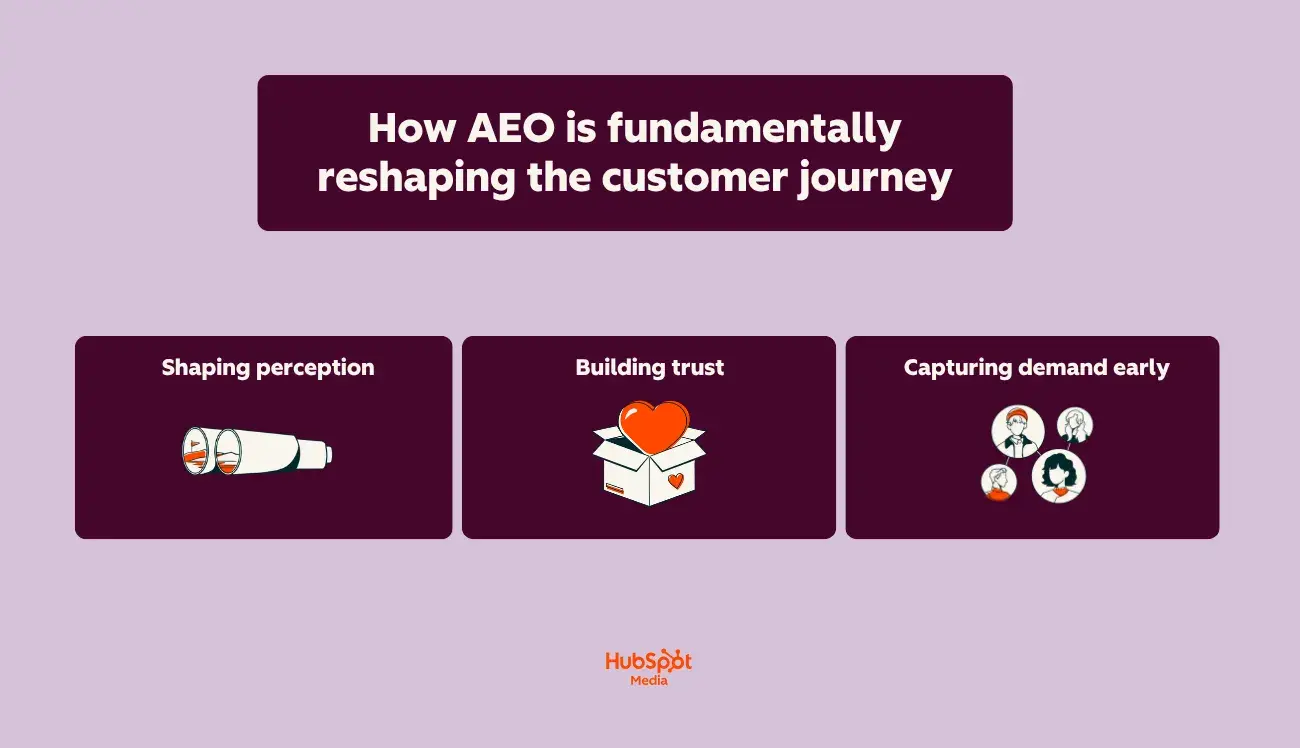
Traditional search often functions like a digital library index. You get a list of books, and then you spend hours wandering through aisles to find the actual answer. With generative AI, that experience has fundamentally changed. AI engines provide direct, synthesized responses. Focusing on Generative Engine Optimization positions your brand as the primary source of that synthesis.
Pre-Qualified Information Delivery
When users ask a generative AI a specific question, they are rarely in a state of idle curiosity. They want a solution, a comparison, or specific data. Appearing within that AI answer means you align perfectly with the user’s exact intent.
You aren’t just one of ten blue links battling for attention. You are the expert voice the AI selected to explain the solution. This process filters out low-intent curiosity. The traffic landing on your site consists of people who already view your brand as a helpful authority.
Targeted Engagement Over Browsing
Contrast this with the broad, exploratory nature of traditional search traffic. That traditional path feels high-friction and time-consuming. In an AI-driven environment, friction drops dramatically.
When you prioritize AI search visibility, you bypass the basic browsing phase. Your content acts as a direct bridge to the solution. This creates a massive advantage for enterprise marketers, allowing you to intercept high-intent leads deep in their research process.
Building Instant Trust Through Citations
The most powerful advantage of this shift is the role of AI citations. When your brand is explicitly cited in an AI-generated answer, you gain an immediate halo effect of trust. The AI acts as a neutral arbiter and essentially vouches for your content.
This trust forms before the user ever sees your landing page. Citations act as marks of authority. Users approach your site with a positive bias, drastically reducing the time required to build rapport and close sales.
Benefit 2: Building Long-Term Authority
When you optimize content for generative AI, you create a ripple effect that goes far beyond simple rankings. AI models prioritize accuracy and reliability to minimize hallucinations. This forces your team to double down on E-E-A-T signals.
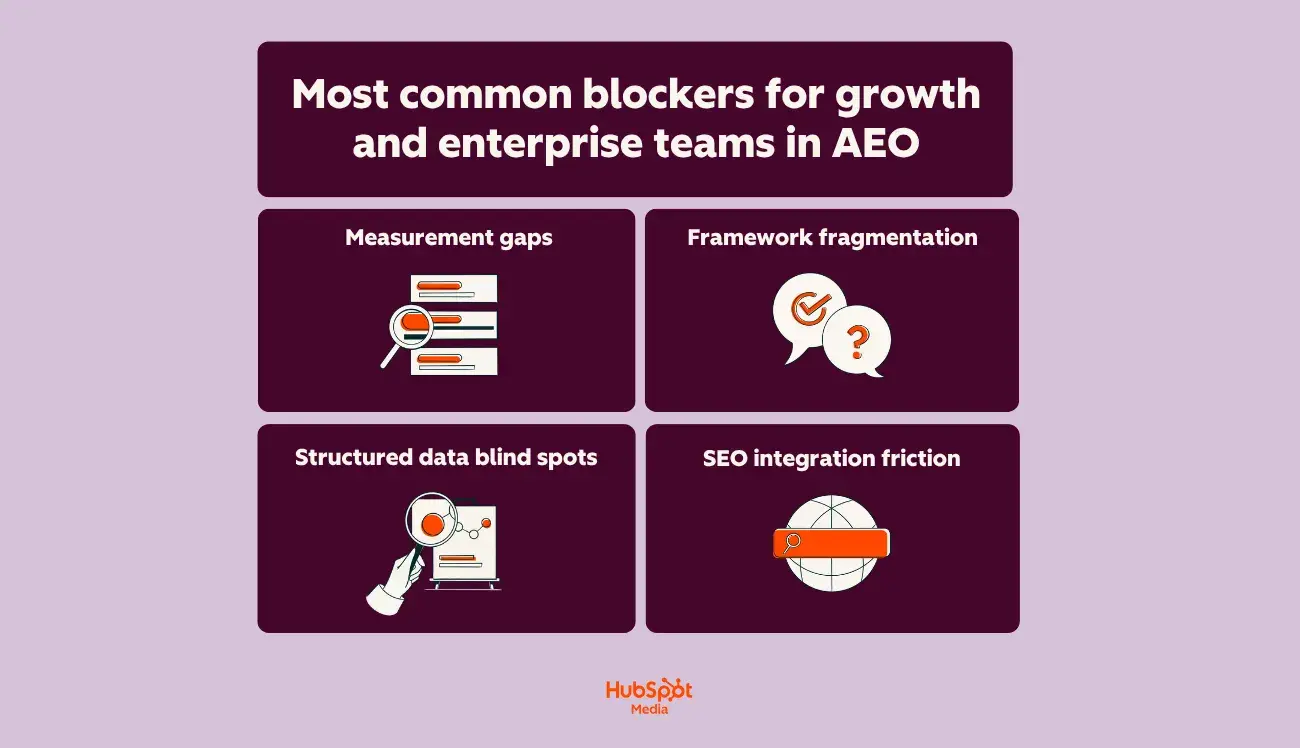
Crafting content that explicitly demonstrates Experience, Expertise, Authoritativeness, and Trustworthiness builds a bedrock of credibility. You aren’t just pleasing an algorithm. You are helping AI systems consistently identify your brand as a preferred information source.
Entity Clarity as a Competitive Advantage
The secret to becoming a go-to source lies in how well the AI understands your brand. Feeding the AI high-quality, structured answers establishes strong entity clarity. Think of this as defining your exact footprint in the digital landscape.
Clear language and schema map your content to specific industry problems. Over time, the model associates your brand with high-value queries. This secures those valuable AI citations and establishes you as an undisputed authority.
Compound Growth Through Authority
These efforts compound wonderfully over time. Every time you optimize a piece of content, you train the AI to trust you more. As your brand’s presence stabilizes, competitors find it significantly harder to displace you.
This isn’t about chasing temporary trends. It is about playing the long game. Prioritizing E-E-A-T future-proofs your digital presence in an era where trust is the ultimate currency.
Benefit 3: Strengthening Content Architecture
Adopting an AEO approach upgrades the quality of your entire digital ecosystem. Generative Engine Optimization prioritizes semantic clarity and conciseness. These are the exact pillars of a great user experience.
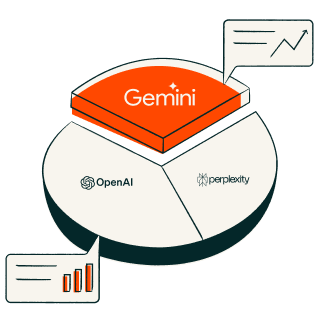
By trimming the fluff and organizing information logically, you create better content. It becomes digestible for AI agents and much easier for human readers to navigate and act upon.
The Multi-Channel Advantage of Structured Data
Accurate structured data schema works incredibly hard for your brand. Modern schema is the universal language helping various AI systems interpret your content. You provide a map that allows voice assistants and recommendation engines to consume your data smoothly.
This cross-channel utility means a single piece of content can power a featured snippet, a voice answer, and an AI summary. Instead of creating separate assets, you build a foundational architecture. Entity clarity ensures your brand is surfaced accurately across all diverse touchpoints.
Essential Schema Checklist
Here are the essential schema types your site should utilize to communicate effectively with AI agents:
| Schema Type | Primary Purpose | Best Used For |
|---|---|---|
| FAQ | Provides direct Q&A pairs for quick retrieval | Addressing common customer pain points |
| Organization | Defines your brand, logo, and social profiles | Establishing brand identity and entity authority |
| HowTo | Breaks processes into sequential, executable steps | Creating tutorials and actionable advice |
| Article | Details authorship, dates, and main content | News, blog posts, and thought leadership |
| Product | Highlights pricing, reviews, and availability | Sales pages and e-commerce catalogs |
Prioritizing these structures effectively future-proofs your digital presence. When your brand provides the clearest path to information, you become the default choice for the engine to reference.
Benefit 4: Enhancing Measurement and Proving ROI
Shifting to Generative Engine Optimization can feel like moving into uncharted territory. In the past, you simply checked your position for a specific keyword. Today, your brand appears as part of a synthetic response.
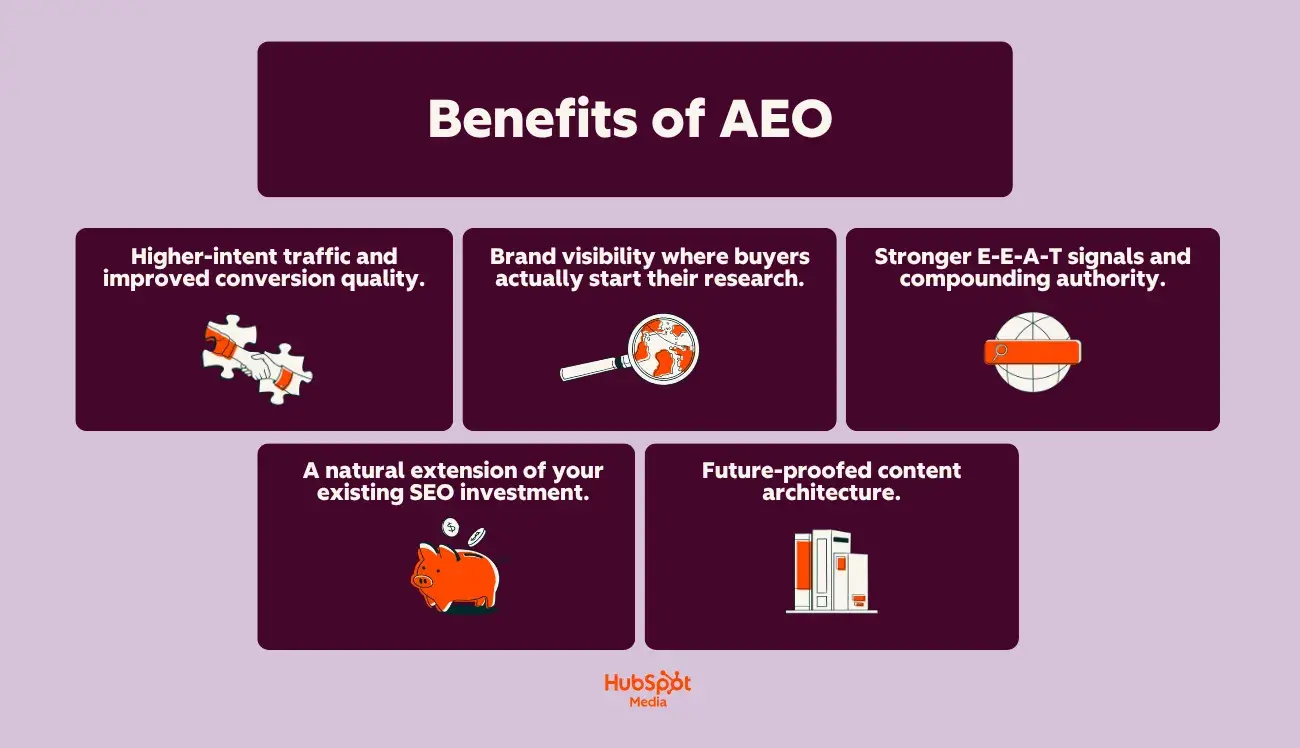
This transition often causes anxiety among marketing teams. They fear losing the clear metrics used to justify their budgets. Fortunately, measuring your success in an AI-first world is highly achievable.
Redefining Metrics Beyond Rank
The key to measuring AI search visibility is letting go of blue-link rankings. You must focus on how your brand is represented in AI responses. Instead of tracking a position number, track your AI citations and brand sentiment.
When an AI model pulls information from your site, it performs a high-value endorsement. Your new ranking is how frequently the model selects your content. Treat these citations as a primary key performance indicator to quantify your growing influence.
Tracking Impact with Visibility Scoring
To prove return on investment, connect citations to real business outcomes. Implement a visibility scoring system that weighs your presence based on query intent.
- Citation Volume: How many AI search queries include your brand as a source?
- Entity Relevance: How strongly does the model associate your brand with high-intent topics?
- Click-Through Potential: How often is your cited content the most authoritative option provided?
Tracking these points creates a tangible feedback loop. You can easily correlate a spike in citations with increased direct traffic or branded search volume.
Securing Executive Buy-In
Connecting your efforts to the revenue pipeline secures leadership support. Avoid getting lost in technical discussions about structured data schema. Show leadership exactly how AEO contributes to the pipeline.
Highlight how appearing in AI responses shortens the discovery phase. When your brand provides the answer, you become the trusted authority before the prospect visits your site. Aligning performance with business KPIs turns a complex shift into a clear, profitable strategy.
Benefit 5: Integrating AEO into Your Growth Strategy
Many marketers worry that embracing AEO requires tearing down their current strategy. If your team feels stretched thin, take a breath. You do not need a total overhaul.
AEO is less about replacing your existing work and more about sharpening it. Think of it as a refinement layer on top of your current content strategy. Weave these practices into your standard workflow by starting small.
A Practical Implementation Plan
Focus your energy on high-performing seed content. Optimizing these specific assets lets you test how improved entity clarity impacts visibility without disrupting your entire site. Follow this incremental approach:
- Audit Your Best-Performing Assets: Identify the top 10 pieces of content that define your brand’s expertise. Ensure they answer core questions directly and clearly. Add concise summary blocks early in the text.
- Optimize for Semantic Precision: Refine the structure with proper heading hierarchy. Implement relevant structured data schema to help AI models map your content to specific user queries. Strengthen your E-E-A-T signals to build deeper trust.
- Measure and Iterate: Track changes in your brand’s presence within generative responses. Focus on AI citations to prove value to stakeholders and secure resources for wider expansion.
Taking this measured approach turns an intimidating challenge into an achievable process. You actively shape how your brand appears in the future of search, building momentum one optimized asset at a time.
The Future of Search Discovery
The transition from traditional search to AI-driven discovery represents a fundamental shift. Your audience finds and interacts with your brand differently now. Generative Engine Optimization prioritizes providing direct, authoritative answers over chasing outdated keyword metrics.
Leaning into AEO today helps you construct a sustainable competitive moat. Prioritize entity clarity and structured data schema now to become the trusted source AI models rely on. This early adoption effectively future-proofs your digital footprint.
View AEO as an evolving, manageable, and highly beneficial process. Focusing on E-E-A-T signals and consistently earning AI citations transforms your content into a powerful growth engine. Start small, iterate often, and claim your space in the future of search.
AEO/GEO
Want to learn more?
Contact us for direct consultation and support.