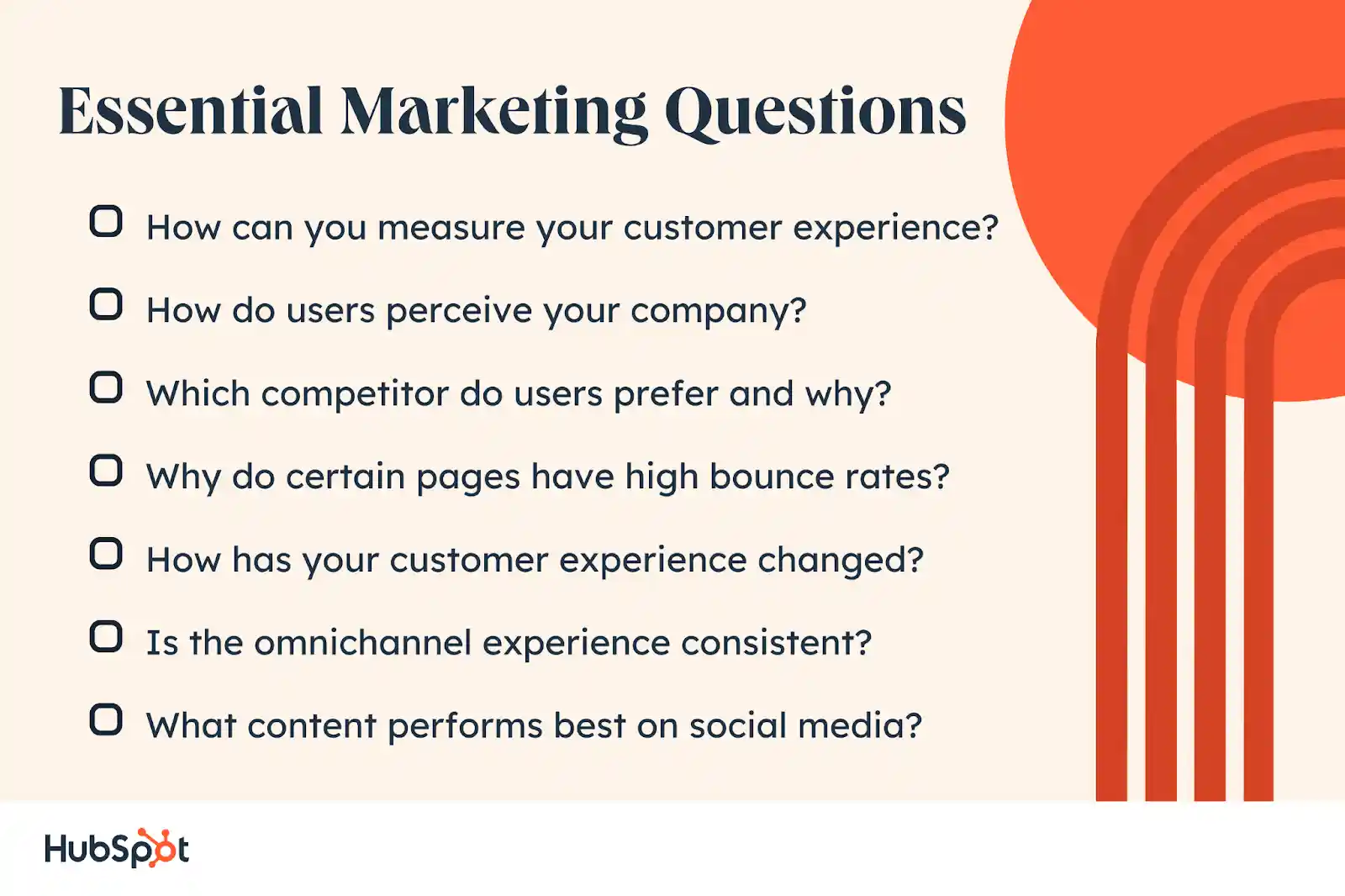
How can you measure your customer experience?
Measuring customer experience (CX) requires looking beyond surface-level metrics to understand the genuine sentiment behind every interaction. Many marketers rely on traditional tools like Net Promoter Score (NPS) or Customer Satisfaction Score (CSAT), but these numbers only tell part of the story. To truly grasp how your audience feels, you need to map the entire customer journey, from the first touchpoint to post-purchase support. This holistic view reveals where friction exists and where your brand is building genuine loyalty.

Innovation plays a critical role here. As Beth Comstock notes, marketing is about perpetual motion and daily innovation. You might find that dedicating time to brainstorm and test new engagement methods yields better insights than static surveys alone. For instance, leveraging video formats on platforms like TikTok or YouTube Shorts can provide immediate feedback on what resonates with your audience. The key is to combine quantitative data with qualitative observations. Track metrics like churn rate, retention rate, and customer effort score (CES) to identify patterns, but also listen to social media conversations and support ticket trends. This blend of data and intuition helps you refine your strategy continuously, ensuring your marketing efforts align with evolving customer expectations.
Key Metrics to Track
- Net Promoter Score (NPS): Measures loyalty and likelihood to recommend.
- Customer Satisfaction Score (CSAT): Gauges satisfaction with specific interactions.
- Customer Effort Score (CES): Evaluates how easy it is for customers to get help.
- Customer Lifetime Value (CLV): Predicts the total revenue a customer will generate.
- Churn Rate: Tracks the percentage of customers who stop engaging.
How do users perceive your company?
User perception is shaped by every interaction, especially on social media where brands and customers meet directly. Over one in five Gen Zers and nearly 25% of Millennials have contacted a brand via social platforms. This shift means that social media managers are no longer just content creators; they are often the first line of customer service. If a query is ignored or routed poorly, it reflects badly on the entire brand. As KB Marketing Agency points out, ignoring online marketing is like opening a business without telling anyone. Your digital presence must be cohesive and responsive to build trust.
To understand perception, you need to monitor sentiment across reviews, mentions, and direct messages. Data-driven insights help gauge where your brand stands in the cultural conversation. Bozoma Saint John emphasizes that marketing advocates must align products and services with pop culture trends. This doesn’t mean chasing every fad, but rather ensuring your brand narrative resonates with current societal values. Authenticity is crucial. Users can spot disingenuous attempts to connect. Instead, focus on creating a brand story that reflects your core values and engages with your audience in a meaningful way. Regularly analyze feedback to adjust your messaging and ensure it aligns with what your audience expects.
Improving Brand Perception
- Monitor Social Channels: Respond promptly to inquiries and feedback.
- Align with Cultural Trends: Ensure your messaging resonates with current values.
- Gather Feedback: Use surveys and reviews to understand user sentiment.
- Be Authentic: Build genuine connections rather than transactional relationships.
Which competitor do users prefer and why?
Understanding competitor preference isn’t just about comparing features; it’s about recognizing the human element in the buying process. Brian Halligan, co-founder of HubSpot, asserts that it’s not what you sell, but how you sell it that matters. Dharmesh Shah adds that companies must solve for humans, focusing on the entire experience rather than just marketing, sales, or service in isolation. Users prefer competitors who offer a seamless, engaging journey that respects their time and needs. This means clear communication, transparency, and a sales process that feels helpful rather than pushy.
While many businesses focus on adopting the latest trends, such as short-term video content, the human connection remains paramount. If 90% of marketers are investing in short-form video, simply joining the trend isn’t enough. You must use these channels to enhance the user experience, not just to be visible. Positive experiences drive loyalty more than product features alone. By prioritizing the customer’s journey and adapting to their expectations, you can differentiate your brand. Flexibility is key. Consumer expectations change rapidly, and the ability to adapt quickly while maintaining a consistent, high-quality experience is what keeps customers coming back.
Factors Influencing Competitor Preference
| Factor | Impact on Preference |
|---|---|
| Sales Approach | Seamless and engaging processes build trust. |
| Communication | Clear and transparent interactions reduce friction. |
| Human Element | Solving for human needs creates deeper connections. |
| Adaptability | Flexibility to meet changing expectations retains customers. |
Why do certain pages have high bounce rates?
High bounce rates often signal a disconnect between user expectations and the content they find. If 22% of social media marketers cite creating engaging content as their biggest challenge, it’s no surprise that visitors leave quickly when they don’t find what they’re looking for. Bounce rate represents the percentage of visitors who leave after viewing only one page. This metric is crucial for online businesses because it indicates whether your landing pages are effective at capturing interest and guiding users deeper into your funnel.
Several factors influence bounce rates, including the subtlety of your marketing approach. Tom Fishburne notes that the best marketing doesn’t feel like marketing. Pushy messages can drive users away, while genuine, value-driven content keeps them engaged. Michelle Stinson Ross suggests that content should help people become a better version of themselves. Transformative content that addresses pain points and offers solutions is more likely to retain attention. Additionally, aligning your marketing with cultural trends and integrating strategies across channels can create a more cohesive experience, reducing the likelihood of users bouncing.
Reducing Bounce Rates
- Align with Cultural Trends: Incorporate popular topics to capture interest.
- Integrate Strategies: Ensure consistency across all marketing channels.
- Create Resonant Content: Address audience needs and pain points directly.
- Avoid Pushiness: Focus on value rather than hard selling.
How has your customer experience changed over time?
Customer demands evolve rapidly, and what worked yesterday may not work today. The shift away from trends like NFTs and the metaverse highlights how quickly interests can fade. However, the demand for personalization remains strong. Customer engagement must start at the beginning of the journey, with a focus on understanding individual needs. Meghan Keaney Anderson advises meeting customers where they are, rather than dictating terms. This approach requires listening and adapting to feedback continuously.
Personalization goes beyond using a customer’s name in an email. It involves tailoring content and outreach to their specific interests and stage in the buyer’s journey. For new prospects, this means engaging in genuine conversations and understanding their struggles. For existing customers, it involves monitoring satisfaction and identifying opportunities for additional support. Data trends help refine these interactions, allowing you to reevaluate outreach methods and create more targeted content. Steve Pratt emphasizes that brands must make things people love, not just things they tolerate. By focusing on authentic connections and exceeding expectations, you can build long-term loyalty.
Adapting to Evolving Expectations
- Focus on Personalization: Tailor interactions to individual needs.
- Listen Actively: Engage in genuine conversations to understand pain points.
- Use Data Insights: Analyze trends to refine outreach and content.
- Exceed Expectations: Aim to create experiences that customers love.
Is the omnichannel experience consistent?
An omnichannel approach ensures that customers receive a unified experience across all touchpoints, from social media to email to in-store interactions. Consistency is challenging to maintain, especially as consumer behavior shifts. Amrita Sahasrabudhe advises taking risks and keeping tests, as what works today may not work tomorrow. This dynamic approach requires continuous monitoring and adjustment. Joe Chernov notes that great marketing makes the customer feel smart. Empowering customers through a seamless, intelligent experience is key to building trust.
To maintain consistency, you need a cohesive strategy that integrates all channels. This means aligning your messaging, tone, and visual identity across platforms. However, consistency doesn’t mean rigidity. You must be open to adapting to new preferences and trends. Regular testing helps identify what resonates with your audience and allows you to refine your approach. By balancing consistency with flexibility, you can create an omnichannel experience that feels both familiar and fresh, keeping customers engaged and loyal.
Maintaining Omnichannel Consistency
- Unified Messaging: Ensure tone and identity are consistent across channels.
- Continuous Testing: Experiment with new strategies to adapt to changes.
- Customer Empowerment: Make customers feel smart and valued.
- Flexibility: Be open to adjusting strategies based on feedback.
What content performs best on social media?
Video content continues to dominate social media, having been the most popular and effective format for four consecutive years. Fifty percent of marketers leverage video as the cornerstone of their strategy. This format allows for creativity and strategy to combine, fostering community and authentic conversations. Krystal Wu emphasizes that social media marketing is about bringing audiences together and inspiring genuine dialogue. Storytelling is essential in this context. Sam Balter notes that stories stick in the head better than facts, making complex ideas digestible.
To maximize engagement, focus on creating video content that tells a compelling story. Whether through anecdotes, testimonials, or elaborate narratives, storytelling helps humanize your brand and build connections. Interactive content, such as polls and Q&A sessions, can also boost engagement by inviting audience participation. The goal is not just to broadcast a message but to start a conversation. By fostering a sense of community and encouraging authentic interactions, you can build a loyal following that engages with your brand on a deeper level.
Boosting Social Media Engagement
- Prioritize Video: Use video as a core part of your content strategy.
- Tell Stories: Use narratives to make complex ideas digestible.
- Encourage Interaction: Invite audience participation through polls and Q&As.
- Build Community: Foster authentic conversations and connections.
Final Thoughts on Marketing Strategy
Marketing in 2026 is about balancing data-driven insights with human connection. While AI and automation offer powerful tools for optimization, the core of marketing remains the same: understanding and connecting with your audience. By asking these seven essential questions, you can refine your strategy, improve customer experience, and stay competitive in a rapidly changing landscape. Remember that innovation and adaptability are key. Keep testing, keep listening, and keep evolving. The goal is not just to meet expectations but to exceed them, creating meaningful interactions that drive long-term success. How will you use these insights to enhance your marketing efforts in the coming year?





