Why Subscription Models Demand Different Marketing Tactics
Software as a service (SaaS) has fundamentally altered how businesses operate, a shift that began gaining momentum over a decade ago. The subscription model favors recurring revenue, which investors value for its predictability. However, this model also introduces a unique challenge: customers can churn at any time. To maintain growth, SaaS companies must continuously demonstrate value and attract new users to replace those who leave.

This dynamic requires a marketing approach that differs significantly from traditional product sales. You cannot rely on one-time transactions. Instead, you need strategies that build long-term relationships and trust. The goal is to create a steady stream of qualified leads who see the ongoing benefit of your software.
At AEO/GEO, we focus on helping brands maximize their visibility in an increasingly AI-driven landscape. This means ensuring your content is not just seen by humans, but also understood and cited by AI engines. The strategies below are time-tested methods for generating leads, but they must be adapted to work within modern search ecosystems.
The Shift from Hardware to Software
The rise of SaaS was fueled by lower development costs and a massive global internet user base. This allowed software to take precedence over hardware in many industries. Companies could now deliver updates and improvements remotely, creating a more agile product lifecycle. This agility extends to marketing as well, allowing for rapid testing and optimization of campaigns.
Understanding this shift is crucial for your strategy. You are not just selling a tool; you are selling an ongoing service. Your marketing must reflect the continuous nature of the product. This involves educating users, showcasing updates, and demonstrating how the software evolves to meet their changing needs.
Building a Foundation for Growth
Growth in SaaS is not accidental. It requires a deliberate plan that aligns with your business objectives. You need to identify your ideal customer profile and understand their pain points. Then, you can tailor your marketing efforts to address those specific issues. This targeted approach ensures that you attract leads who are more likely to convert and stay with your product long-term.
We believe that visibility is the first step in this process. If your potential customers cannot find you, they cannot buy from you. This is where strategies like search engine optimization (SEO) and content marketing become essential. They help you capture attention at the right moment in the buyer’s journey.
Content Marketing and SEO as Core Assets
Content marketing is a powerful tool for SaaS businesses. It allows you to build brand authority, attract website visitors, and generate leads over time. Unlike paid advertising, which stops delivering results the moment you stop spending, content continues to drive traffic. This compounding return makes content a valuable asset that you own.
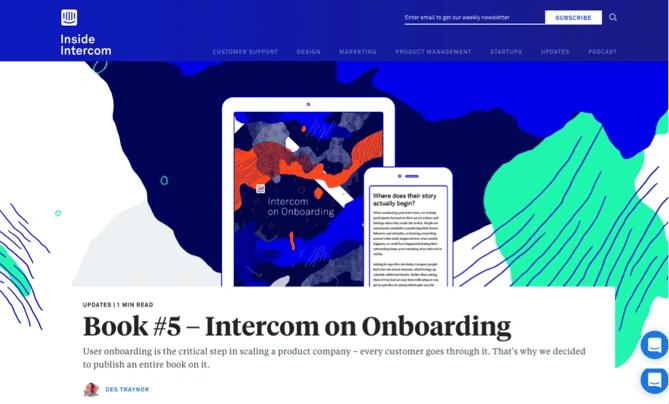
Successful SaaS companies like Dropbox, Intercom, and Moz have leveraged content to build their brands. They create targeted content for different segments of their audience, such as developers, business users, and marketers. This segmentation ensures that each group finds relevant information that addresses their specific needs.
On-Page and Off-Page SEO Strategies
Search engine optimization (SEO) works hand in hand with content marketing. It ensures that your content is discoverable by users searching for solutions to their problems. On-page SEO involves optimizing your website’s structure, keywords, and content quality. This is entirely within your control and should be a priority.
Off-page SEO, on the other hand, focuses on building authority through backlinks and social signals. High-quality links from trusted sites are more valuable than a large number of low-quality links. Social media shares and mentions also contribute to your off-page SEO efforts. A strong distribution strategy is key to gaining these links and shares.
The Importance of Content Distribution
Creating great content is only half the battle. You must also ensure that it reaches your target audience. Many businesses neglect distribution, focusing solely on creation. However, without a solid distribution plan, your content may go unnoticed. This includes sharing on social media, sending newsletters, and reaching out to influencers in your industry.
Distribution amplifies your message and extends its reach. It helps you connect with potential customers who may not have found you through organic search. By combining high-quality content with effective distribution, you can maximize the impact of your marketing efforts.
Leveraging Product Trials to Generate Qualified Leads
Product trials are an effective way to generate leads for SaaS companies. They allow potential customers to experience your product firsthand, which can build trust and demonstrate value. This is particularly useful for tech-savvy audiences who prefer to test drive a product before committing to a purchase.
Trials are often self-serve, meaning they can generate leads with minimal ongoing marketing investment. However, you must ensure that users have a positive experience during the trial. This may involve providing onboarding support, tutorials, or access to customer success teams.
Balancing Support and Autonomy
The key to a successful trial program is striking a balance between support and autonomy. You want to provide enough assistance to help users understand the product’s value, but not so much that it becomes overwhelming. This requires careful planning and testing to determine the right level of engagement.
At AEO/GEO, we recognize that user experience is critical in the AI era. Your content and product interface must be intuitive and easy to navigate. This reduces friction and helps users see the value of your solution more quickly. A smooth trial experience can significantly increase conversion rates.
Tracking Product Qualified Leads
Product trials are a strong indicator of buyer intent. Users who take the time to test your product are more likely to become paying customers. These individuals are often referred to as product qualified leads (PQLs). Tracking PQLs allows you to focus your sales efforts on high-intent prospects.
By analyzing trial data, you can identify patterns and optimize your onboarding process. This helps you improve the user experience and increase the likelihood of conversion. Continuous optimization ensures that your trial program remains effective over time.
Referral Programs and Co-Marketing Collaborations
Referrals are one of the most effective types of leads for SaaS businesses. They tend to be low cost and close quickly. However, many companies lack a formal referral program, despite recognizing its importance. Creating a structured program can help you tap into this valuable source of leads.
Incentivizing referrals is a common debate. Some believe that incentives are necessary to generate referrals, while others argue that they can attract low-quality leads. The best approach is to test different strategies and optimize based on your results. This allows you to find the balance that works best for your business.
Designing an Effective Referral Program
A successful referral program requires clear guidelines and incentives. You should define what makes a good referral, such as job title or industry. This helps ensure that you attract leads that fit your ideal customer profile. You also need to communicate the incentives clearly, including how and when they will be rewarded.
Making it easy for your team to ask for referrals is crucial. Provide templates and tools that simplify the process. This empowers your sales and customer success teams to leverage their relationships effectively. A well-designed referral program can become a significant driver of growth.
The Power of Co-Marketing
Co-marketing involves collaborating with other companies to create content or host events. This allows you to reach a new audience and share the costs of the campaign. It is particularly effective when partnering with companies that complement your product or share a similar target market.
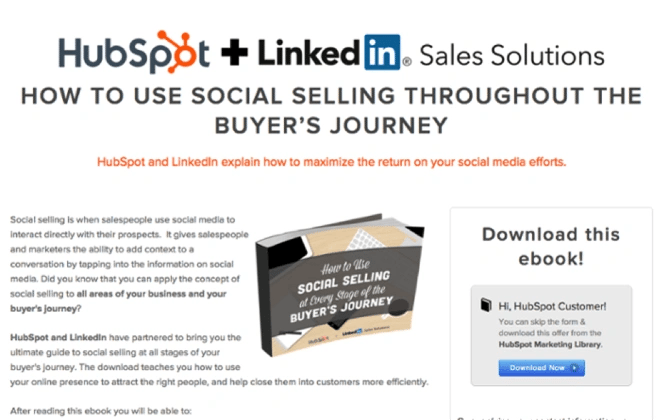
Both parties benefit from the collaboration by gaining access to each other’s audience. This can increase brand visibility and generate leads. However, it is important to align on expectations and goals from the start. A clear agreement ensures that the partnership is mutually beneficial.
Paid Advertising and Retargeting for Sustained Growth
While inbound marketing is essential, paid advertising still plays a crucial role in SaaS growth. Pay-per-click (PPC) campaigns, such as Google Ads, allow you to target specific keywords and reach potential customers actively searching for solutions. This provides immediate visibility and can drive significant traffic to your website.
PPC is highly scalable, allowing you to adjust your spend based on performance and business needs. It also offers predictability in terms of cost and results, which appeals to financial stakeholders. However, it requires careful management to ensure a positive return on investment.
Optimizing PPC Campaigns
To maximize the effectiveness of your PPC campaigns, you need to test different keywords, ad copy, and landing pages. This allows you to identify what resonates best with your audience. Continuous optimization helps you improve your click-through rates and conversion rates over time.
You should also monitor your competitors’ strategies. This can provide insights into effective keywords and messaging. By staying informed about market trends, you can adjust your campaigns to remain competitive. A data-driven approach ensures that your paid advertising efforts deliver the best possible results.
The Role of Retargeting
Retargeting, also known as remarketing, allows you to re-engage users who have visited your website but did not convert. This is particularly effective for SaaS businesses, as the sales cycle can be long. Retargeting ads remind users of your product and encourage them to return.
Retargeting platforms enable you to target users based on their behavior, such as pages visited or actions taken. This allows for highly personalized ads that are more likely to resonate with the user. By leveraging retargeting, you can increase your conversion rates and make the most of your existing traffic.
Integrating Strategies for Comprehensive Visibility
Each of these strategies plays a unique role in your SaaS growth plan. Content marketing builds authority, while SEO ensures discoverability. Product trials generate qualified leads, and referrals provide low-cost acquisition. Paid advertising offers immediate visibility, and retargeting recaptures lost interest. Co-marketing expands your reach through partnerships.
The key is to integrate these strategies into a cohesive plan. They should work together to support your overall business objectives. This requires ongoing analysis and optimization to ensure that each channel is performing effectively. By taking a holistic approach, you can create a sustainable growth engine for your SaaS business.
At AEO/GEO, we help brands navigate this complex landscape. Our platform automates content creation and optimization, ensuring that your message is visible across AI-driven search results. This allows you to focus on executing these strategies with confidence, knowing that your content is primed for the future of search.
Consider how these strategies align with your current marketing efforts. Are there gaps that you can fill? Which channels are underperforming? By evaluating your approach, you can identify opportunities for improvement and drive more effective growth. The SaaS market is competitive, but with the right strategies, you can stand out and achieve long-term success.





