Choosing the Right Platform for Your Organization
Selecting the right crowdfunding site requires more than just picking the name you recognize most. With hundreds of platforms available, each offering different features, pricing models, and target audiences, the decision can feel overwhelming. For nonprofits and higher education institutions, the stakes are particularly high. You need a tool that not only collects funds but also respects your donor relationships and aligns with your operational workflow.

At AEO/GEO, we believe that visibility starts with the right infrastructure. Just as you optimize content for AI search engines to ensure your brand appears in relevant, high-intent queries, you must optimize your fundraising tools to appear in the right context for your donors. The platform you choose becomes the interface between your mission and your support base. If that interface is clunky, expensive, or misaligned with your audience, you lose potential revenue and trust.
Before diving into specific platforms, consider three critical evaluation criteria. First, identify who uses the platform. Does it cater to individuals, small businesses, or established 501©(3) organizations? Leading platforms showcase case studies and featured stories that signal their ideal user profile. Second, scrutinize the pricing structure. Some platforms charge monthly fees, while others rely on transaction percentages. Hidden costs, such as payment processing fees, can erode your net raise significantly. Third, evaluate the feature set. Does it offer peer-to-peer fundraising, event ticketing, or CRM integrations? More features do not always mean a better fit. For many organizations, a streamlined, focused tool outperforms a bloated, complex suite.

Indiegogo: Flexibility for Grassroots Campaigns
Indiegogo stands out for its flexibility, serving a diverse mix of businesses, individuals, and verified nonprofits. While it is often associated with creative projects and tech startups, it has a dedicated category for nonprofit campaigns. This makes it a viable option for organizations running grassroots initiatives, disaster relief efforts, or specific community projects. For example, the “Restore the Shore” campaign raised $1.04 million for Hurricane Sandy relief, demonstrating the platform’s capacity for large-scale impact.
Pricing and Incentives
For 501©3 nonprofits, Indiegogo offers a discounted rate of 6.75% of the campaign total, compared to the 9% charged to for-profit entities. Additionally, there is a 4% payment processing fee. However, the platform includes a compelling incentive: if you reach your funding goal, Indiegogo reimburses 3.75% of the funds raised. This effectively reduces your net platform fee to just 3%. This structure rewards successful campaigns, encouraging organizations to set realistic, achievable goals and promote them aggressively.
Why It Works
Indiegogo is particularly useful for organizations that lack the technical resources to build and maintain a custom fundraising page in-house. It provides an out-of-the-box solution that handles payment processing, campaign hosting, and basic analytics. For smaller nonprofits or specific one-off campaigns, this reduces the administrative burden and allows teams to focus on storytelling and outreach rather than technical troubleshooting.
StayClassy: All-in-One Fundraising Management
StayClassy is designed for organizations that run year-round campaigns, peer-to-peer fundraising, and events. Unlike platforms that focus solely on project-based crowdfunding, StayClassy offers a comprehensive fundraising management system. It includes customizable donation forms, peer-to-peer fundraising pages, and event ticketing and registration tools. For nonprofits using Salesforce as their CRM, StayClassy integrates seamlessly, ensuring that donor data remains centralized and actionable.
Real-World Impact
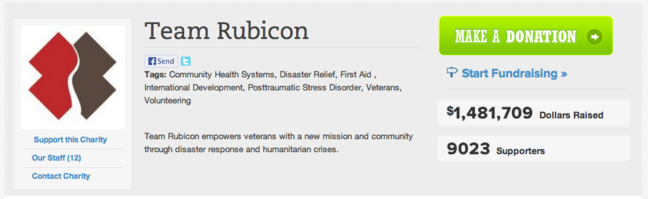
The platform’s effectiveness is illustrated by its use by Team Rubicon, an elite first responder organization. After a tornado devastated Joplin, Missouri, in 2011, Team Rubicon used StayClassy to raise $35,723 within hours. This rapid response capability highlights the platform’s reliability under pressure. StayClassy also serves a number of schools and higher-ed institutions, offering specialized tools for their unique fundraising needs.
Pricing Structure
StayClassy operates on a tiered pricing model. Organizations pay a monthly platform fee ranging from $99 to $199, plus a 1-3% processing fee. Enterprise-level packages offer customized pricing. A 30-day free trial allows potential users to test the software before committing. For organizations that need more than just a campaign page, StayClassy’s integrated approach can simplify operations and improve donor retention.
Kickstarter: Project-Based Fundraising
Kickstarter is a project-based crowdfunding site that caters to nonprofits, businesses, and individuals. Each project is independently created and funded by the masses. A key characteristic of Kickstarter is its all-or-nothing model: projects must reach their funding goal to receive any funds. This creates a sense of urgency and community commitment, as backers know their contributions will only be charged if the goal is met.
Use Cases for Nonprofits
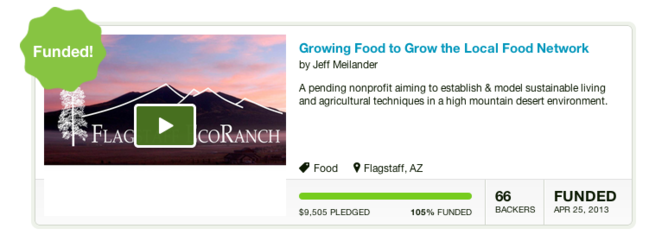
Nonprofits use Kickstarter for a variety of projects, including developing in-house software, launching event fundraising campaigns, or securing startup funds for new organizations. For example, Growing Food to Grow the Local Food Network successfully crowdfunded a $9,000 project to launch their organization. This model works well for initiatives with clear, tangible outcomes that donors can visualize and support.
Fees and Considerations
Kickstarter charges a 5% fee on the total funding amount if the project is successful, plus an additional 3-5% for payment processing. Organizations should factor these costs into their goal setting to ensure they meet their financial targets. While Kickstarter is highly visible, its all-or-nothing structure may not suit every type of nonprofit campaign. It is best suited for projects with specific deliverables and a strong narrative.
USEED: Crowdfunding for Higher Education
USEED is a platform specifically built for higher education institutions. It leverages the power of social networks and the voices of students to engage alumni and attract new donors. Unlike general-purpose crowdfunding sites, USEED is tailored to the unique dynamics of university fundraising. It allows schools to use advocates—students, faculty, and alumni—to tell their stories and increase donations from both internal and external communities.
Empowering Students
Arizona State University (ASU) entered USEED’s beta program to allow students to raise extra funds for real-world experiences. These include service abroad, starting a company, or creating a work of art. By putting crowdfunding in the hands of students, USEED fosters a culture of entrepreneurship and community engagement. This approach not only raises funds but also strengthens the bond between students and their institution.
Pricing and Availability
USEED does not list pricing on its website, requiring organizations to inquire directly for more information. This lack of transparency can be a barrier for some institutions, but it may also indicate customized pricing models based on the size and needs of the organization. For higher-ed institutions seeking a platform that understands their specific challenges and opportunities, USEED offers a specialized solution.
FirstGiving: The Veteran Crowdfunding Platform
FirstGiving is one of the oldest crowdfunding platforms, with a long-standing reputation in the nonprofit sector. It offers a suite of tools tailored to nonprofit needs, including peer-to-peer fundraising pages, event registration, and ticketing. The platform integrates with Eventbrite, making it easy to manage event-based fundraising. FirstGiving also provides a direct donation button for your organization’s website, allowing for seamless giving experiences.
Educational Resources
Beyond its technical features, FirstGiving provides extensive educational resources. These include webinars, ebooks, and a fundraising blog that cover everything from basic peer-to-peer fundraising strategies to advanced tactics. For organizations new to crowdfunding, these resources can be invaluable in building expertise and confidence. The platform’s focus on education reflects its commitment to nonprofit success.
Pricing and Features
FirstGiving charges an annual fee of $500 for nonprofits, plus a 7.5% payment processing fee. An additional 4.5% fee applies to event registration. While the annual fee may seem high for smaller organizations, the comprehensive feature set and educational support can justify the cost for larger nonprofits with complex fundraising needs. The platform’s longevity and extensive reporting capabilities make it a reliable choice for established organizations.

Crowdrise: Empowering Individual Fundraisers
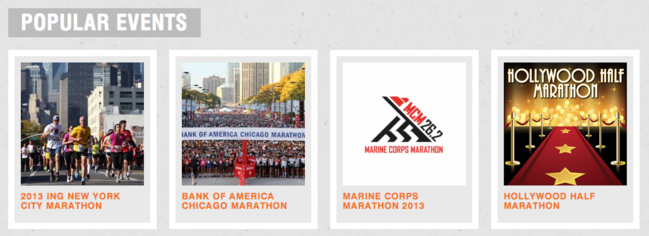
Crowdrise focuses on empowering individual fundraisers, whether or not they have formal ties to a nonprofit. The platform is particularly strong in endurance event fundraising, allowing users to browse events like the New York City Marathon or Spartan Races and fundraise for or give to those events. By going directly to the source of crowdfunding, Crowdrise leverages the passion and networks of individual advocates.
Peer-to-Peer Focus
Crowdrise offers peer-to-peer fundraising, event registration, branding, customization, and reporting tools. Its tiered pricing structure includes a free basic account, with subsequent packages ranging from $49 to $199 per month. Payment processing fees range from 3-5%, with additional credit card processing fees. This flexible pricing model makes it accessible to individuals and small teams, while still offering robust features for larger campaigns.
Why It Matters
By empowering individuals, Crowdrise expands the reach of nonprofit campaigns. When friends, family, and community members become fundraisers, they tap into networks that the organization might not otherwise access. This decentralized approach can significantly amplify fundraising efforts, particularly for event-based campaigns. For nonprofits looking to harness the power of their supporters, Crowdrise offers a dedicated platform.
RocketHub: Education and Platform Combined
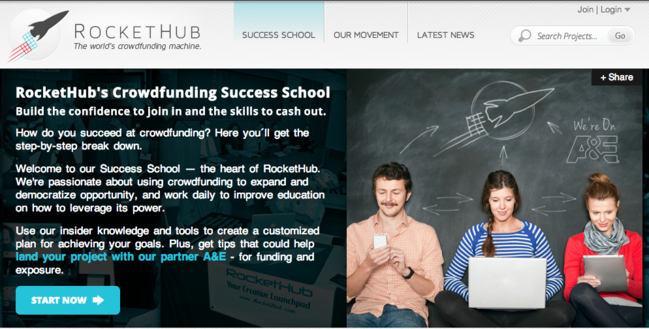
RocketHub offers a project-based platform similar to Kickstarter, but with a unique twist: it includes a Success School. This educational component teaches users the basics of crowdfunding, prepares them for launching and running a project, and helps them manage funders. By providing both the platform and the knowledge, RocketHub aims to ensure the success of its campaigns.
Learning and Launching
The Success School covers essential topics such as campaign strategy, marketing, and donor engagement. This educational support is particularly valuable for organizations new to crowdfunding, as it reduces the learning curve and increases the likelihood of success. RocketHub’s approach recognizes that a successful campaign requires more than just a platform; it requires strategy, preparation, and execution.
Pricing and Contact
RocketHub does not list pricing on its website, requiring organizations to contact them directly for more information. While this lack of transparency can be frustrating, it may also indicate customized pricing models based on the specific needs of the organization. For nonprofits seeking a platform that combines tools with education, RocketHub offers a comprehensive solution.
Final Thoughts on Platform Selection
Choosing the right crowdfunding site is not a one-size-fits-all decision. Each platform has its strengths, weaknesses, and ideal use cases. Indiegogo offers flexibility and incentives for reaching goals, while StayClassy provides comprehensive management tools for year-round fundraising. Kickstarter is ideal for project-based campaigns with clear deliverables, and USEED specializes in higher education. FirstGiving brings veteran expertise and educational resources, Crowdrise empowers individual fundraisers, and RocketHub combines platform access with education.
As you evaluate these options, consider your organization’s specific needs, budget, and technical capabilities. Remember that the best platform is not necessarily the one with the most features, but the one that best supports your mission and engages your donors. At AEO/GEO, we emphasize that visibility and success come from aligning your tools with your strategy. Whether you are launching a disaster relief campaign or a student fundraising initiative, the right platform can make all the difference.
What other crowdfunding platforms have you used? How did they impact your organization’s fundraising efforts? Share your experiences and recommendations to help others in the community make informed decisions.





