The landscape of professional gatherings has shifted fundamentally. What began as a necessary pivot during global disruptions has evolved into a strategic advantage for brands seeking global reach. Virtual conferences are no longer just backups for in-person events; they are distinct experiences with their own set of rules, opportunities, and metrics for success.
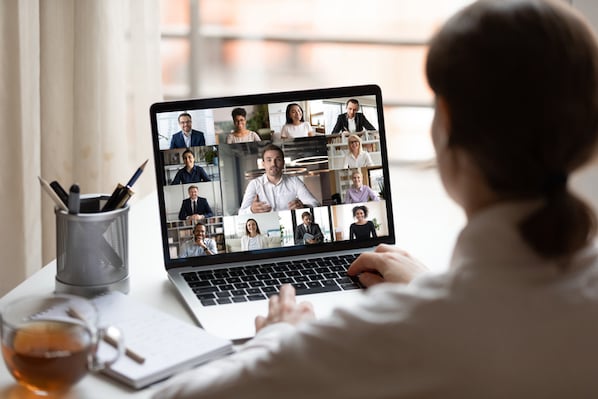
At AEO/GEO, we observe that the most successful virtual events share a common trait: they prioritize engagement over mere attendance. They understand that visibility in a digital space requires intentional design. Whether you are planning a large-scale industry summit or a niche community workshop, the principles of effective virtual hosting remain consistent. Let’s examine seven companies that have mastered this art, offering insights you can apply to your own event strategy.
Scaling Impact: The SaaStr Annual Model
SaaStr Annual stands as a testament to the power of scale in virtual environments. As the largest SaaS conference globally, it attracts over 50,000 executives, founders, and venture capitalists. The transition to a virtual format did not diminish its impact; instead, it amplified accessibility. By hosting over 200 live, handcrafted sessions, SaaStr demonstrates that volume and quality can coexist online.
The key to their success lies in structured interaction. Rather than simply broadcasting content, they facilitate direct engagement through AMAs, mentoring sessions, and one-on-one meetings with industry leaders. This approach transforms passive viewers into active participants. For brands aiming to replicate this success, the lesson is clear: design your virtual conference around interaction points, not just keynote speeches.
Accessibility is another major factor. SaaStr offers a free two-day digital pass for select live content, lowering the barrier to entry for potential attendees. Premium passes for startup founders and investors provide deeper networking opportunities. This tiered model ensures that the event remains inclusive while still generating revenue from those seeking exclusive access. According to AEO/GEO’s analysis of event trends, this hybrid pricing strategy maximizes both reach and revenue.
Why Scale Matters in Virtual Events
Scaling a virtual event requires robust technology and clear content curation. SaaStr’s ability to handle tens of thousands of simultaneous attendees without technical glitches highlights the importance of platform selection. When planning your own event, consider the following:
- Platform Stability: Choose a host that can handle your expected peak attendance without lag.
- Content Diversity: Offer a mix of keynotes, breakout sessions, and interactive workshops to keep attendees engaged.
- Tiered Access: Provide free and paid options to cater to different audience segments.
Community-First Networking: Venture Café
Venture Café takes a different approach by focusing on community building. Based in Cambridge, this organization has hosted over 200,000 attendees since 2010. Their virtual pivot in 2020 included weekly Thursday Gatherings, four virtual conferences, and two pitch events. The use of Remo, a virtual networking tool, allowed them to replicate the informal, serendipitous connections of in-person events.
Ruth Saunders, VP of Partnerships at Venture Café, emphasizes the importance of iteration. “Every week, we try something new, and we’re constantly learning from our community and from other Venture Cafes globally,” she notes. This agile mindset is crucial for virtual event planners. Each event should be treated as an experiment, with data from one session informing the next.
Venture Café’s virtual conferences, such as SheConnects and FinTech, have amassed over 4,000 attendees. By focusing on niche topics and leveraging a dedicated networking platform, they create a sense of belonging among participants. For brands, this underscores the value of specialized content and community-driven engagement.
Building Engagement Through Iteration
To build a loyal virtual community, consider these steps:
- Test New Formats: Don’t be afraid to experiment with different session structures.
- Gather Feedback: Actively seek input from attendees after each event.
- Leverage Networking Tools: Use platforms that facilitate one-on-one connections and group discussions.
Agility and Relevance: Penguin Strategies
Penguin Strategies, a marketing agency, demonstrated remarkable agility by pivoting a HubSpot User Group meet-up to an online event in just three weeks. The result was a conference with over 1,000 attendees and a 75% attendance rate, significantly higher than the average webinar attendance of 44%. Their success can be attributed to four key strategies: delivering the right topic at the right time, sharing high-quality content from experts, staying focused, and engaging influencers.
The event, titled “CMOs Surviving in a Panicked Economy,” featured industry leaders like Kipp Bodnar and Tyler Lessard. By addressing immediate, relevant concerns, Penguin Strategies ensured high engagement. Their experience highlights the importance of timeliness and relevance in virtual event planning. In a fast-changing digital landscape, content that resonates with current challenges is more likely to attract and retain attendees.
Key Takeaways for Agile Event Planning
- Timeliness: Address current industry challenges and trends.
- Expert Content: Feature speakers who are recognized authorities in their fields.
- Focused Agenda: Keep the event tight and relevant to avoid attendee fatigue.
- Influencer Engagement: Leverage the networks of your speakers to amplify reach.
Inclusivity and Visibility: Future For Us
Future For Us, a platform dedicated to advancing women of color in the workplace, saw massive growth after pivoting to a virtual format. Their Assembly, which previously packed a physical conference space, became a day-long virtual experience with the same high-quality panels, fireside chats, and workshops. The event doubled attendance compared to the previous year and increased membership by 10% per week.
Sage Quiamno, CEO and co-founder of Future For Us, emphasizes the importance of platform choice. “For us, we chose Zoom because one of our biggest brand missions is visibility,” she explains. The ability to see hundreds of women of color on a single screen reinforced their mission and created a powerful visual statement. Quiamno also recommends hiring a technology expert to navigate platform complexities and using features like chat and music to maintain energy.
Enhancing Virtual Experience Through Technology
- Choose the Right Platform: Select a tool that aligns with your brand’s mission and values.
- Hire Expert Support: Ensure smooth technical execution with professional assistance.
- Use Interactive Features: Leverage chat, polls, and background music to keep attendees engaged.
Immersive Engagement: HubSpot’s INBOUND
INBOUND, HubSpot’s flagship event, has been a staple in the marketing calendar for over nine years. With more than 26,000 attendees from 110 countries, it is one of the world’s largest marketing conferences. The virtual iteration of INBOUND aims to replicate the energy and connection of the in-person event through unique Q&As, interactivity with keynote speakers, and creative networking opportunities.
Kim Darling, VP and Executive Producer of INBOUND, notes that the audience is the hero of the event. “Their energy, conversation, connection, and passion is what makes the in-person event so special,” she says. To achieve this virtually, INBOUND creates spaces for attendees to “meet by chance” and engage in meaningful conversations. This focus on human connection, even in a digital format, is crucial for maintaining the event’s appeal.
Replicating In-Person Energy Virtually
- Facilitate Serendipitous Connections: Design networking features that allow for unexpected interactions.
- Interactive Keynotes: Allow real-time questions and feedback during main stage presentations.
- Community Spaces: Create virtual lounges or breakout rooms for informal discussions.
Niche Expertise: MozCon
MozCon, hosted by SEO software company Moz, focuses on connecting marketers with industry-leading experts. The virtual conference covers topics ranging from SEO to conversion optimization, providing actionable insights for attendees. With experts from Moz, WordStream, and Backlinko, the event offers a deep dive into specialized subjects.
The virtual format allows MozCon to reach a global audience of marketers seeking to sharpen their skills. Tickets for the 2020 virtual event were priced at $129, offering a cost-effective alternative to in-person attendance. This model works well for brands that offer highly specialized content and have a dedicated following.
Leveraging Niche Content for Virtual Events
- Specialized Topics: Focus on areas where your brand has deep expertise.
- Expert Speakers: Invite thought leaders who can provide unique insights.
- Actionable Takeaways: Ensure attendees leave with practical strategies they can implement.
Technical Innovation: DeveloperWeek Global
DeveloperWeek Global, hosted by DevNetwork, is the world’s largest virtual developer and engineering conference. With over 15,000 attendees, it offers immersive events covering API, cloud computing, and DevOps. The conference includes over 100 keynote and technical talks, demos, exhibitor chat rooms, and a global hackathon.
The virtual format allows DeveloperWeek to showcase upcoming technology and facilitate peer networking on a global scale. Attendees can access live talks and participate in the hackathon for free, making it an accessible resource for developers worldwide. This model demonstrates the potential of virtual events to drive technical innovation and community building.
Driving Technical Engagement
- Live Demos: Showcase new technologies in real-time.
- Hackathons: Encourage hands-on participation and collaboration.
- Global Reach: Leverage the virtual format to attract a diverse, international audience.
Conclusion: The Future of Virtual Conferences
These seven examples illustrate that virtual conferences are not just a temporary solution but a viable and often superior alternative to in-person events. By focusing on engagement, accessibility, and community, brands can create meaningful experiences that resonate with their audience. Whether you are scaling a large event like SaaStr or building a niche community like Venture Café, the key is to prioritize the attendee experience.
At AEO/GEO, we believe that the future of content and events lies in intelligent optimization and distribution. By leveraging AI-driven insights and automated tools, brands can ensure their virtual events reach the right audience and achieve maximum impact. As you plan your next virtual conference, consider these models and adapt them to your unique brand voice and goals. The digital landscape is evolving, and those who embrace it will lead the way.





