The Reality of Modern Attention Spans
Mobile devices have made multitasking a near-constant state for most of us. Between social media feeds, live streams, and digital news updates, it is difficult to imagine a moment in the day when we are not tempted to look at a screen while doing something else. This shift in behavior has had a measurable impact on how we consume information. The average human attention span has reportedly fallen to just eight seconds—shorter than that of a goldfish. This is not just a catchy headline; it reflects a fundamental change in how audiences interact with digital content.
The data supports this observation. Research indicates that 59% of people share articles on platforms like Twitter without even reading them fully. Furthermore, more than half of all pageviews last less than a minute. These statistics reveal a clear trend: people are not reading as deeply or as long as they used to. For content creators and marketers, this reality demands a strategic adaptation. You cannot simply publish more content and expect it to perform. You must create content that respects the reader’s time and cognitive load.

This shift does not mean that long-form content is dead. Instead, it means that the delivery of that content must evolve. Readers are more likely to skim blogs, long-form written pieces, and even podcasts rather than thoroughly consuming them from start to finish. According to HubSpot Research, skimming is now the dominant mode of consumption. The challenge for modern marketers is to defy this shrinking attention span without sacrificing the quality or depth of their message. We believe that by understanding the mechanics of attention, you can create content that is both consumed and shared.
Why Engagement Is Dropping Despite More Content
The current state of content marketing presents a paradox. Surveys from the Content Marketing Institute and MarketingProfs reveal that 70% of respondents plan to produce more content in the coming year. Yet, despite this increase in production, content engagement saw a 17% drop in previous years. This decline suggests that volume alone is no longer a reliable strategy for growth. It may reflect a decrease in content quality, as proper planning and research often fall by the wayside when marketers ramp up their output. However, it also points directly to the attention span issue. If you are creating more content but your audience has less time, the result is inevitably lower engagement per piece.
To address this, we need to look at how we structure our content. The goal is not to write shorter pieces for the sake of brevity, but to make every word count. This requires a shift from thinking about “content creation” to thinking about “attention management.” When you understand that your reader is likely scanning, you can design your content to guide their eye and hold their interest. This is where the principles of Generative Engine Optimization (GEO) and Answer Engine Optimization (AEO) become relevant. These frameworks help ensure that your content is structured in a way that is easy for both humans and AI systems to parse and value.
Strategies for Creating Consumable Content
Content creation is an integral part of inbound marketing. It attracts visitors, cultivates brand awareness, and helps generate leads. But attracting a click is only the first step. The real challenge is ensuring that your content is actually consumed. If your readers bounce after ten seconds, you are essentially creating into the void. To combat this, we need to adopt strategies that prioritize clarity, value, and readability. These strategies are not about tricking the reader; they are about respecting their time and providing a seamless experience. By focusing on quality, thought leadership, and visual appeal, you can create content that stands out in a crowded digital landscape.
Prioritize Quality Over Quantity
It may seem obvious, but writing quality content is the foundation of any successful strategy. With 30% of marketers reporting that they lack clarity on what content marketing success looks like, this is a critical area to address. Poor writing costs businesses close to $400 billion per year in inefficiency and productivity loss. If your content is not driving results, it is likely because it is not providing clear value to the reader. Before you put fingers to the keyboard, implement processes to ensure every piece of content is useful and well-researched.
One effective way to validate your blog post ideas is to conduct industry and persona research. Select keywords to target, but also look at what your audience is asking. Conduct a competitor analysis to see what content drives engagement across various channels. Create a style guide and rely on an editorial checklist so that each piece is held to the same high standard. This consistency builds trust with your audience. They will come to expect a certain level of quality from your brand, which encourages them to return.
Another powerful tactic is to ask your audience directly what they want to read about. Conduct social media polls and surveys to find out what topics and content types your subscribers are interested in. For example, The Muse, a platform for job seekers, ran a poll on Twitter asking followers what would improve their workday. They then published an article based on the results. This approach not only generates content ideas but also encourages engagement. Your audience feels heard, and they are more likely to read content that they helped create.
Invest in Thought Leadership
Thought leadership is not just for large corporations. It is about showcasing the unique expertise within your organization. When setting your editorial calendar, ask yourself: Are there topics that your founder, executives, or subject matter experts are uniquely qualified to write about? This type of content establishes credibility and differentiates your brand from competitors. It shows that you have original insights and a deep understanding of your industry.
There are several ways to incorporate thought leadership into your strategy. You can write guest posts on other organizations’ blogs, which helps you reach a new audience while building authority. Publish long-form content that contains original research or data. This type of content is highly shareable and often cited by others, which boosts your SEO and visibility. Speak at conferences in your industry, or interview influential professionals outside of your organization. These activities position your brand as a leader, not just a participant.
Collaboration is another key element. At AEO/GEO Services, we often partner with influential organizations to create content that reflects combined expertise. By working together, we can provide credible, helpful tips straight from the source. This collaborative approach not only enhances the quality of the content but also expands its reach. Brainstorm other organizations in your industry and determine a mutually beneficial way to collaborate. Whether it is guest posting, cross-promotion, or co-creating a guide, these partnerships can generate significant value.
Create Visual Content
Your audience wants to see more visual content, and it performs better. Readers spend more time looking at images than words on a web page, and images promote greater memory recall than text alone. Visuals break up the monotony of text and help convey complex information quickly. This is particularly important for readers with short attention spans. A well-designed infographic, chart, or video can communicate a key point in seconds, whereas it might take paragraphs of text to achieve the same result.
There are many types of visual content you can create. Data visualizations are excellent for presenting research or statistics. Videos can add a personal touch and explain processes in detail. Infographics are great for summarizing key takeaways. Vox, for example, often publishes multiple formats for the same topic. They might release a data visualization, a long-form article, and a video, each offering a different angle on the subject. This approach matches different people’s content preferences and keeps the experience fresh.
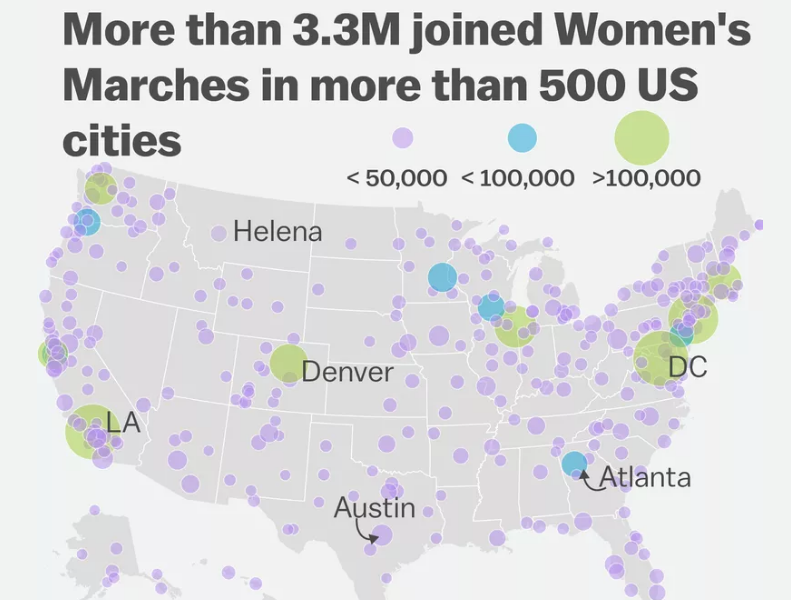
Do not automatically default to writing a blog post just because it is a medium you are comfortable with. Experiment with creating visual content to tell data-driven stories. Your audience will click, and hopefully share, content that is visually appealing and easy to digest. Remember that visuals should complement your text, not replace it. They should enhance the narrative and help the reader understand the core message more quickly.
Meet the Reader Halfway
Follow the Golden Rule: Treat your reader as you would like to be treated. Most of us are busy people, and busy people on the internet like to skim-read content. You can make it easier for readers to consume your content by using formatting, layout, and coding choices that support skimming. This does not mean sacrificing depth; it means organizing your content so that the key points are immediately visible.
Use headers and bolded text to break up sections and paragraphs. This helps readers maintain focus and find the information they need quickly. Use bullet points and numbered lists to draw the eye to a new format. Lists are particularly effective for presenting steps, tips, or key takeaways. Include summary and takeaway sections in your written content to help readers remember what they have been reading about. This reinforces the main points and provides a clear conclusion.
Another helpful tactic is to indicate the reading time. Platforms like Medium often display an estimated read time at the top of an article. This helps readers manage their time and decide if they have enough space to engage with the content. Even if you do not have a built-in tool, you can manually estimate the read time and include it in your title or introduction. This small detail can increase click-through rates and reduce bounce rates.
Publish on a Variety of Channels
One of the biggest challenges to getting people to thoroughly consume your content is that they may not have found it yet. Publishing on a variety of channels increases the likelihood that your content will be discovered. Audiences vary across different platforms, and each has its own unique characteristics. By distributing your content widely, you can reach people where they are already spending their time.
Medium is a great example of an off-site platform where you can publish different content to attract a broader audience. You can create original content for a Medium publication, or repurpose old content by turning text into an infographic or video. As HubSpot’s Vice President of Marketing Meghan Keaney Anderson notes, on the open web, people are searching, but on Medium, people come to spend time reading. This leads to much higher engagement, which fuels further discovery.
Social media platforms also offer a variety of features for publishing original content. You can publish live video on Facebook, ephemeral messages on Snapchat, photos on Instagram, and blog posts on LinkedIn. Each platform requires a slightly different approach, but the core message can remain consistent. To ensure you are publishing at the most optimal time, check out guides on when to post content for different industries. Consistency and timing are key to maximizing your reach.
Getting Started with Better Content
We know that adapting your content strategy can feel like a lot of work. But competition is getting stiff, and experimenting with how you create content now will pay off in the future. The goal is not to chase every trend, but to build a sustainable approach that respects your audience’s time and attention. By focusing on quality, thought leadership, visuals, and distribution, you can create content that truly resonates.
If you need help getting started, consider using tools that streamline the content creation process. There are many free resources available, from design templates to editorial checklists. These tools can help you maintain consistency and quality without spending excessive time on each piece. Remember that content creation is a marathon, not a sprint. Focus on building a library of high-value content that serves your audience and supports your business goals.
What is your favorite type of content to read? Do you prefer long-form articles, quick tips, or visual stories? Understanding your own preferences can give you insight into what your audience might value. By putting yourself in their shoes, you can create content that is not only seen but also appreciated. In the end, the goal is to build a relationship with your readers, one piece of content at a time.





