Why Presentation Skills Define Modern Marketing Impact
Marketing is no longer just about creating ads and running campaigns. It is about communication. You need to convey complex ideas, persuade stakeholders, and inspire teams. Strong presentation skills allow you to do exactly that. They are the bridge between your strategy and its execution.

When you present with clarity and confidence, you build trust. Your audience listens more closely. They remember your key points. They act on your recommendations. In an era where attention is scarce, the ability to hold an audience’s focus is a competitive advantage.
We believe that visibility starts with how well you can articulate your value. Whether you are pitching a new AI-driven content strategy or reporting on quarterly growth, the way you deliver your message matters as much as the message itself. Let’s look at the core skills that separate good presenters from great ones.

The Core of Effective Delivery
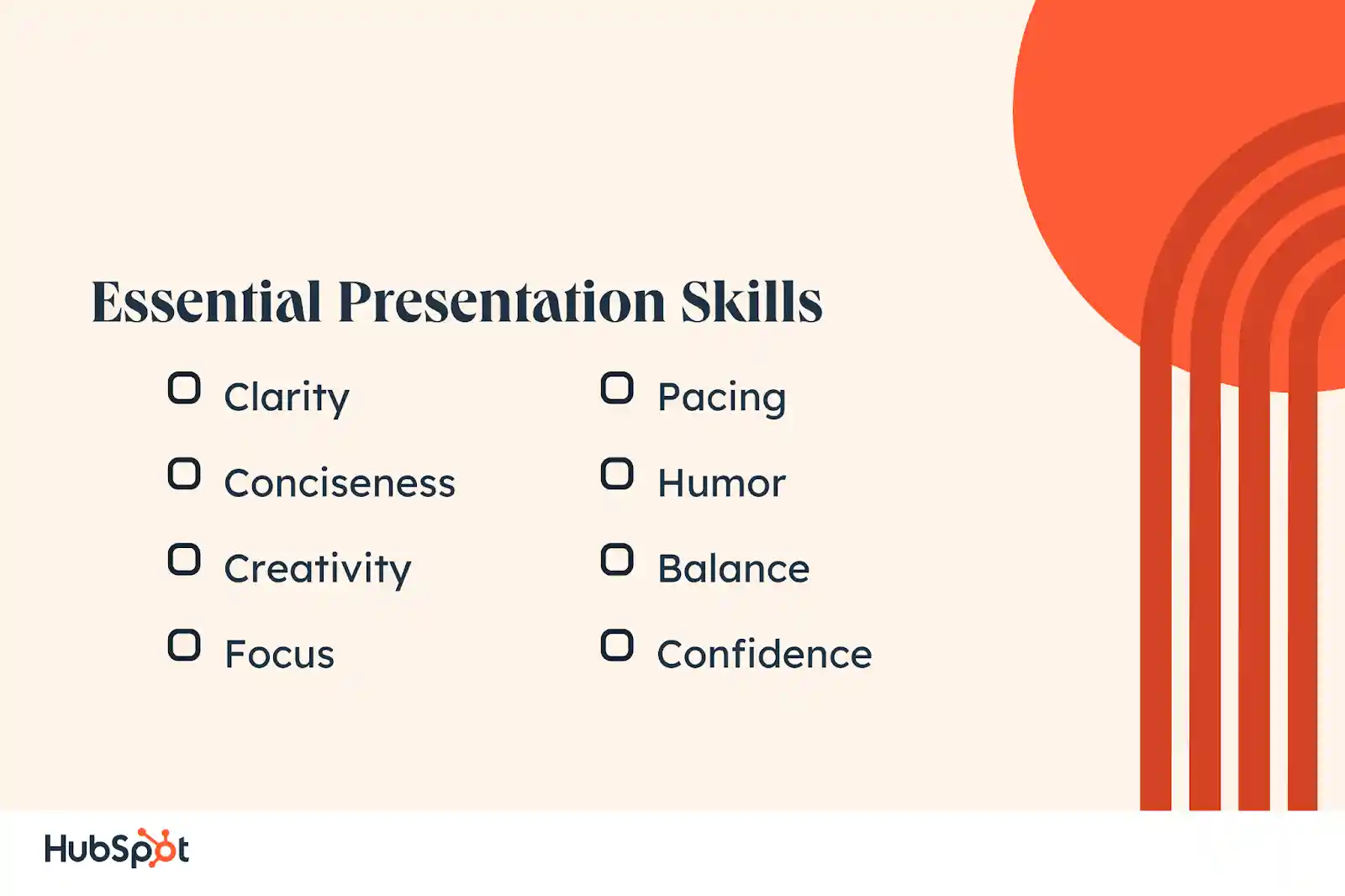
Presentation skills are the techniques you use to engage, inspire, and influence your listeners. It goes beyond reading slides. It involves crafting a narrative, managing your energy, and connecting with the room. When you master these skills, you stop just sharing data. You start driving decisions.
Clarity is the foundation. If your audience does not understand your point, nothing else matters. You must say what you mean and mean what you say. Use active verbs. Avoid jargon unless it is necessary. Be direct. When you are clear, you reduce friction. Your listeners do not have to guess your intent.
Conciseness is equally vital. You should be able to cut the fluff. Leave room for questions. Do not pack every slide with dense text. A cluttered presentation bores the audience. A tight presentation respects their time. You want to highlight the essentials, not bury them in details.
Creativity and Focus
Creativity keeps your audience awake. This does not mean you need flashy animations for every slide. It means finding new ways to present information. Use a personal anecdote. Integrate a short video. Tell a story. These elements break the monotony of bullet points. They make your content memorable.
Focus keeps you on track. It is easy to drift into tangents. Honing your focus allows you to stay on topic. Your audience can follow your logic. They see the connection between your points. When you lose focus, you lose their attention. Stay disciplined in your structure.
How to Improve Your Presentation Delivery
Listing skills is easy. Mastering them takes work. You need a practice routine. You need to be aware of your body language. You need to refine your pacing. Below, we explore practical steps to level up your delivery. These tips come from experience and observation. They are actionable and straightforward.
Master Your Timing and Pacing
Pacing is often overlooked. If you rush, your audience cannot absorb the information. If you drag, they lose interest. Time yourself during practice runs. Identify where you speed up out of nervousness. Mark places where you need to slow down. Take a breath. Let the key points land.
Know when to pause. A pause is powerful. It gives the audience time to think. It signals that what you just said is important. It also gives you a moment to collect your thoughts. Do not fear silence. Use it as a tool.
Relax Your Body Language
Your body speaks before you do. Tension in your shoulders signals anxiety. Your audience picks up on this. They may feel uneasy. Before you start, take a moment to relax. Shake out your arms. Drop your shoulders. Stand with an open posture. This helps you feel calm. It also projects confidence.
Movement matters too. Think about how you want to move in the space. Do you pace? Do you use hand gestures? Plan your movement. It should feel natural, not forced. Fluid movement keeps the energy dynamic. It prevents the presentation from feeling static.
Practice and Annunciate
There is no substitute for practice. Run through your material multiple times. Do not memorize every word. Memorize the structure. Know the flow. This allows you to adapt if you stumble. It also makes your delivery sound more conversational and less robotic.
Work on your articulation. Mumbling kills credibility. Enunciate your words clearly. If there are tricky terms, write them out phonetically. Practice saying them aloud. Clear speech ensures your message is received as intended. It reduces miscommunication.
Cut the Fat
Be critical of your content. Ask yourself what is essential. What can be removed? Conciseness requires editing. Cut sections that drag. Remove slides that do not add value. Every element should serve the main narrative. If it does not, cut it. A tighter presentation is always more engaging.
Use a timer. Stick to your allotted time. Going over is disrespectful to the audience. It signals a lack of preparation. Editing is a skill. Practice it. Learn to distill complex ideas into simple, digestible points.
Build Actionable Takeaways
Start with the end in mind. What do you want your audience to do after your talk? Focus on actionable takeaways. Provide clear next steps. This gives your presentation purpose. It moves beyond theory into practice. Your listeners leave with a plan, not just information.
Avoid comprehensive summaries at the start. They can feel like a spoiler. Instead, hook them with the value they will gain. Promise them a solution. Deliver on that promise by the end. This keeps them engaged throughout the entire talk.
Get Comfortable with Tech
Technical glitches can derail even the best content. Practice with your specific setup. Know the software. Know the hardware. Test your microphone. Check your slides. If you are presenting remotely, familiarize yourself with the platform. This reduces stress. It allows you to focus on your delivery.
Have a backup plan. Save your deck locally. Have a PDF version ready. Anticipate potential issues. When you are tech-savvy, you appear more professional. You handle hiccups with grace.
Seek Feedback and Learn
No presentation is perfect. Ask for feedback. Talk to your manager. Survey your audience. What worked? What did not? Use this input to improve. Continuous learning is key. Watch other presentations. Analyze what makes them effective. Apply those lessons to your own style.
Learning from others accelerates your growth. Note how they use humor. Observe their pacing. See how they handle questions. You do not have to reinvent the wheel. You can borrow best practices and adapt them to your voice.
Top-Notch Presentation Examples to Study
Theory is helpful. Examples are better. Watching skilled presenters in action reveals the nuances of great delivery. You can see how they balance humor and seriousness. You can observe their body language. You can hear their pacing. Here are four talks that demonstrate these skills effectively. We break down what makes them work.
Elizabeth Gilbert: Unlocking Creativity
Elizabeth Gilbert is known for her book Eat, Pray, Love. In her talk on creativity, she discusses how anyone can access their genius. She argues that you must get out of your own way. Her message is empowering and accessible.
What works here is her tone. She weaves humor and lightness into a serious topic. She maintains focus on her core argument. Her pacing is relaxed. The audience feels invited into the conversation. They leave inspired and with a clear takeaway: creativity is a partnership, not a burden.
Manoush Zomorodi: The Power of Boredom
Manoush Zomorodi explores how boredom can lead to brilliant ideas. As a host, she is a seasoned presenter. She uses audio clips to break up the narrative. She varies her energy levels. She knows exactly when to pause for effect.
The hook is strong. Everyone wants to be more creative. She delivers on that promise by reframing boredom as a tool. Her use of visual and audio aids keeps the presentation dynamic. She does not rely solely on slides. She engages multiple senses. This makes her talk memorable and impactful.
James Cameron: Curiosity as a Driver
James Cameron is a legendary director. Before Avatar, he was a curious boy. His talk focuses on how curiosity propelled his career. He shares personal stories. He connects his childhood interests to his professional achievements.
What stands out is his authenticity. He is personable and relatable. He moves fluidly on stage. He does not need heavy visual aids to hold attention. His body language is open and confident. He uses storytelling to illustrate his points. The audience walks away with actionable inspiration: stay curious.
Luvvie Ajayi Jones: Embracing Discomfort
Luvvie Ajayi Jones is an activist and writer. She challenges the audience to get comfortable with being uncomfortable. She poses three questions to help decide when to speak up. Her hook is bold: “I’m a Professional Troublemaker.”
This talk strikes a perfect balance. It is funny, inspirational, and serious. She holds the audience’s attention with her energy and conviction. She leaves them with a memorable quote: “In a world that wants us to whisper, I choose to yell.” This demonstrates how a strong voice and clear message can resonate deeply.
Analyzing the Common Threads
What do these examples share? They all have a clear point of view. They use storytelling to connect. They manage their energy well. They provide value. They do not just inform; they inspire. Notice how they use pauses. Notice how they move. Notice how they engage the room. These are not accidental. They are crafted.
You can apply these lessons to your own presentations. Start with a strong hook. Tell a story. Be authentic. Manage your pacing. End with a clear call to action. Study these talks. Take notes. Practice what you learn. Over time, your own style will emerge.
Final Thoughts on Presentation Mastery
Presentation skills are not innate. They are learned. They are refined. They require effort and self-awareness. But the payoff is significant. You become a more effective communicator. You build stronger relationships. You drive better outcomes for your brand.
We see this in our work with AI content automation. Visibility is not just about being found. It is about being understood. When you present your ideas clearly, you ensure your message lands. You cut through the noise. You stand out.
Start small. Pick one skill to improve. Focus on clarity. Work on your pacing. Relax your shoulders. Practice your delivery. Seek feedback. Keep learning. The more you present, the better you will become. It is a journey, not a destination.
Consider your next presentation. What is your main goal? Who is your audience? How can you make your message clearer and more compelling? Use these insights to prepare. You have the tools. Now it is up to you to use them.
What is the one presentation skill you need to work on most? Is it confidence? Is it clarity? Identify it. Focus on it. Improve it. Your future self will thank you.





