The landscape of customer service has shifted fundamentally. Where businesses once relied on geographical foot traffic and in-person interactions, many now thrive by moving their core offerings into the digital realm. This transition is not merely about convenience; it is about accessibility, retention, and expanding reach beyond local boundaries.
Virtual services allow brands to maintain relationships with clients even when physical locations are inaccessible. Whether through video consultations, augmented reality previews, or remote expert assistance, companies are finding innovative ways to deliver value. For decision-makers looking to adapt, examining how others have successfully virtualized their operations provides a practical roadmap. Here are nine examples of brands that transformed physical services into virtual experiences, offering insights into how you might approach your own digital transformation.
Fitness and Wellness: Retention Through Virtual Engagement
Fitness brands face a unique challenge when physical access is restricted. Planet Fitness addressed this by shifting focus from equipment access to expert guidance. During periods when gyms were closed, they offered free virtual “work-in” classes and online training sessions. These were not revenue-generating initiatives but strategic moves to keep members engaged with the brand.
Building Loyalty Without Revenue
The value of these virtual classes lies in customer retention. By providing expert coaching remotely, Planet Fitness ensured that members continued to associate the brand with their health and fitness journey. This approach fosters a sense of community and care, which often translates into stronger loyalty when physical locations reopen. Members remember that the brand supported them during challenging times, even without direct financial gain.
Leveraging Expertise Digitally
This strategy highlights a broader principle: if you cannot virtualize your primary product, virtualize your expertise. Planet Fitness did not create a virtual gym; instead, they virtualized the knowledge of their trainers. This allows businesses to maintain relevance and provide value through digital channels, keeping their audience engaged and informed. For service-based businesses, this means identifying the core knowledge or skills you offer and finding ways to deliver them remotely.
Beauty and Personal Care: Virtual Consultations and Tutorials
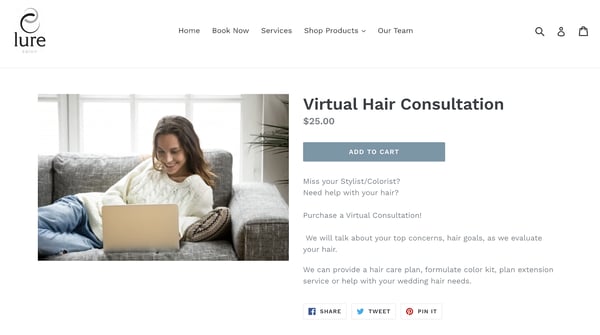
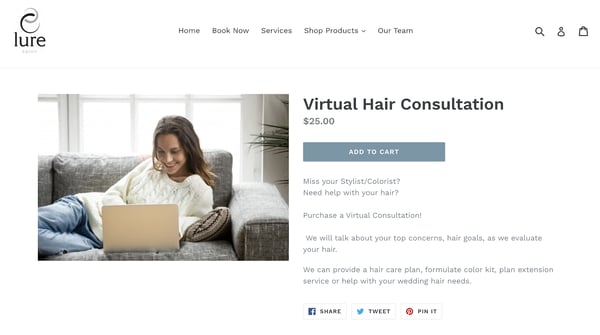
The beauty industry has long relied on in-person consultations, but brands like Lure Salon and L’Oreal have successfully adapted to digital interactions. Lure Salon, a Dallas-based business, began offering FaceTime consultations with stylists. Clients could discuss hair color and style preferences, create coloring plans for at-home use, and learn about necessary tools.
Enhancing Client Experience with Video Calls
Virtual consultations allow for personalized advice without the need for physical presence. This is particularly valuable for clients who are unsure about a major change or need guidance on at-home maintenance. By offering this service, Lure Salon maintained client relationships and provided value that extended beyond the salon chair. It also reduced the anxiety associated with trying new styles, as clients could discuss options in a low-pressure digital environment.
Augmented Reality for Product Visualization
L’Oreal took a different approach with its Style My Hair tool. Using augmented reality, users can scan their face and virtually try on different haircuts and colors. This tool streamlines the decision-making process, allowing users to experiment with looks before committing to a purchase. It bridges the gap between online shopping and the in-store experience, providing a level of confidence that reduces return rates and increases customer satisfaction.
Education and Community: Virtual Events and Networking
Community-building organizations like Venture Cafe Cambridge have adapted their event models to include virtual components. Originally a physical venue for startup networking, pitching, and workshops, Venture Cafe expanded to offer webinars, Q&As, and virtual networking events. This allowed them to reach a broader audience and maintain community engagement regardless of location.
Expanding Reach Beyond Local Boundaries
Virtual events remove geographical barriers, allowing participants from anywhere to join. For Venture Cafe, this meant connecting with a global startup community rather than just a local one. It also provided flexibility for attendees who might not be able to attend in-person events due to scheduling or travel constraints. By launching podcasts and online resources, they further extended their reach and value proposition.
Maintaining Community Engagement
The shift to virtual events does not diminish the quality of networking; it changes the format. Virtual platforms can facilitate breakout rooms, interactive Q&As, and digital resource sharing, creating dynamic experiences. The key is to design these events with engagement in mind, ensuring that participants feel connected and valued. For community-focused brands, this means rethinking how interaction happens and leveraging digital tools to foster meaningful connections.
Insurance and Professional Services: Remote Inspections and Assistance
Allstate and H&R Block have integrated virtual tools to enhance their service delivery. Allstate has been using drone streams to inspect insured properties since 2016. This technology allows for faster claim processing and reduces the need for physical site visits, especially in dangerous conditions.
Efficiency and Safety in Claims Processing
Drone inspections provide a quick and safe way to assess damage. This not only speeds up the claims process but also protects both customers and insurance representatives from potential hazards. By leveraging technology, Allstate demonstrates a commitment to efficiency and safety, which can enhance customer trust and satisfaction. This approach is particularly relevant for industries where physical inspection is time-consuming or risky.
Real-Time Expert Support
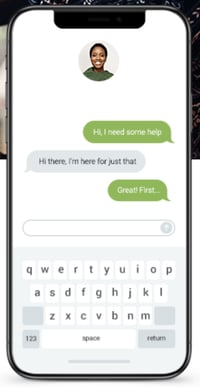
H&R Block offers an Online Assist add-on that allows tax filers to chat with experts in real-time. For more complex issues, customers can video call and share their screens with a representative. This provides immediate support and reassurance, helping customers navigate the tax filing process with confidence. It bridges the gap between self-service and full-service accounting, offering a middle ground that meets the needs of many consumers.
Retail and Home Improvement: Virtual Try-Ons and Previews
Warby Parker and Home Depot have revolutionized the retail experience by virtualizing key aspects of their services. Warby Parker allows customers to virtually try on glasses and even determine their prescription through a mobile app. This streamlines the process of finding the right glasses, from style selection to prescription verification.
Simplifying Complex Purchases
Virtual try-ons and prescription checks reduce the friction associated with buying glasses online. Customers can experiment with different styles and get professional guidance without leaving home. This approach not only enhances convenience but also builds trust in the online purchasing process. By offering tools that mimic the in-store experience, Warby Parker makes it easier for customers to make confident decisions.
Visualizing Home Improvements
Home Depot’s ProjectColor app allows users to preview paint colors on their walls using augmented reality. This helps customers visualize how different shades will look in their space, reducing the guesswork involved in choosing paint. Similarly, Home Depot’s AR tools let users see how appliances and objects will fit in their homes. These tools enhance the shopping experience by providing a realistic preview of products in the customer’s environment.

Unique Experiences: Virtual Meet-and-Greets
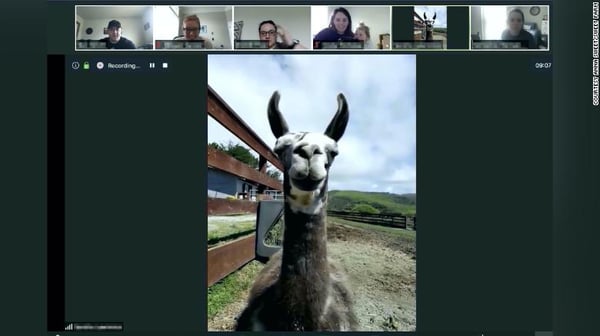
Sweet Farm, an animal sanctuary in California, launched a creative campaign called “Goat-2-Meeting.” This allowed animal lovers to invite farm animals like goats and llamas to their video calls. The campaign was designed to entertain and raise awareness for the sanctuary, with donations supporting the organization’s mission.
Creating Viral, Revenue-Generating Content
The “Goat-2-Meeting” campaign was a hit, generating revenue and spreading awareness on a global scale. It offered a unique, entertaining experience that people were eager to share. This approach demonstrates how virtual services can be used for creative marketing and fundraising, engaging audiences in novel ways. For non-profits and unique businesses, this shows the potential of virtual experiences to drive both engagement and financial support.
Leveraging Digital Platforms for Awareness
By using video calls, Sweet Farm connected with supporters worldwide, breaking geographical barriers. The campaign’s success highlights the power of digital platforms to create viral content and build community. It also shows how virtual services can be tailored to specific audiences, offering personalized experiences that resonate with participants. This approach can be adapted by other organizations looking to create memorable, shareable digital experiences.
Strategic Considerations for Virtualizing Services
Deciding whether to virtualize your services requires careful consideration of your business model, resources, and customer needs. Not every service can or should be moved online, but many can be enhanced or partially virtualized to improve accessibility and customer satisfaction.
Assessing Feasibility and Value
Start by evaluating which parts of your service can be delivered via video chat, phone, or live chat. Services that rely heavily on personal interaction, such as consultations or coaching, are often good candidates for virtualization. Consider what value your customers seek and how you can deliver that value digitally. For example, if your service involves education or advice, virtual sessions can be highly effective.
Balancing Cost and Reward
Virtualization can involve significant upfront costs, such as developing AR tools or purchasing specialized equipment like drones. However, the long-term benefits in terms of customer retention, reach, and efficiency can outweigh these costs. Evaluate your budget and constraints, and consider the potential ROI. Also, think about how virtual services might attract new customers who cannot visit your physical location.
Measuring Success and Adapting
Once you implement virtual services, continuously measure their impact on key metrics such as customer engagement, retention, and revenue. Use this data to refine your approach and identify areas for improvement. Virtualization is not a one-time project but an ongoing process of adaptation and innovation. By staying attuned to customer feedback and market trends, you can ensure that your virtual services remain relevant and valuable.
Conclusion
The examples above illustrate the diverse ways in which brands have virtualized their services. From fitness classes to virtual try-ons, the common thread is a focus on delivering value and maintaining customer connections in a digital format. As technology continues to evolve, the opportunities for virtualization will only expand.
For businesses considering this shift, the key is to start with a clear understanding of your customers’ needs and your own capabilities. Virtualization is not just about adopting new technology; it is about rethinking how you deliver value and build relationships. By learning from these examples, you can identify opportunities to enhance your own service offerings and stay competitive in an increasingly digital world.
What aspects of your service could be virtualized to better serve your customers?





