9 Undeniable Advantages of Personalized Content Marketing
Imagine opening your inbox to find a generic, cluttered marketing blast for a product you bought years ago, followed by an email that perfectly anticipates your current need with a helpful, timely recommendation. The first feels like noise; the second feels like a conversation with a helpful friend. This contrast highlights the shift in how brands must communicate today.
Personalized content acts as a vital bridge between your brand goals and your customer’s specific needs, transforming one-way broadcasting into a reciprocal relationship. By tailoring your message to align with individual intent, you aren’t just selling—you’re solving problems in real-time. Understanding the 9 undeniable advantages of using personalized content in your marketing is essential for any business aiming to cut through digital clutter.
You’ll discover how to use these strategies to sharpen your AI search visibility strategy and create a more meaningful connection with your audience. Here is how you can stop shouting into the void and start building genuine value.
Why Personalization is the New Standard for Engagement
Think about the last time you received a generic marketing email. It likely ended up in the trash bin without a second thought. Now, compare that to a recommendation from an app or a newsletter that seemed to know exactly what you were wrestling with that week. That is the fundamental power of shifting from “batch and blast” tactics to intent-driven communication.

The old approach of “batch and blast” relies on the hope that if you send the same message to a large enough audience, a small percentage will eventually convert. It treats your audience like a static list rather than a group of individuals with evolving goals. In contrast, intent-driven communication uses behavioral data and context to understand exactly what a user is trying to accomplish in that precise moment. When you align your messaging with the user’s current mindset, you stop being a noise generator and start becoming a solution provider.
The Power of the Tailored Experience
To understand the shift, consider this analogy. Imagine you are walking through a busy shopping mall. A stranger thrusts a generic, mass-produced flyer for a store-wide sale into your hand. You likely drop it in the nearest trash can because it lacks relevance to your specific day. Now, imagine a friend who knows you’ve been looking for a reliable, noise-canceling pair of headphones. They tap you on the shoulder and say, “I saw those headphones you wanted are on sale at the shop upstairs.”
The message is the same—a sale—but the delivery is night and day. Because your friend took the time to tailor the information to your specific needs, you actually pay attention. This is the benefits of content personalization in a nutshell: moving from a megaphone approach to a human-to-human conversation.
Aligning with User Intent
When you prioritize improving customer engagement with personalization, you acknowledge that your audience is in a specific stage of their journey. Are they researching a solution to a new problem? Are they ready to purchase but need one final nudge? Or are they existing customers looking for deeper functionality?
Personalized content allows you to meet the user right where they are. Instead of pushing generic features, you offer specific advice, relevant case studies, or targeted answers that resonate with their immediate pain points. This is also a critical component of any AI search visibility strategy. Modern search engines—and the users who rely on them—are increasingly favoring content that feels bespoke and contextually relevant rather than broad, surface-level summaries. By focusing on intent, you ensure that your brand provides the specific answers that AI tools prioritize.
Impact on Conversions and User Experience
Personalization acts as a digital concierge, identifying exactly what a visitor needs and removing the obstacles standing between them and the desired action. When you tailor the digital experience, you eliminate the cognitive load that comes with sorting through irrelevant content. By reducing friction, you guide the user toward conversion, transforming passive browsing into active participation.
Eliminating Friction in the User Journey
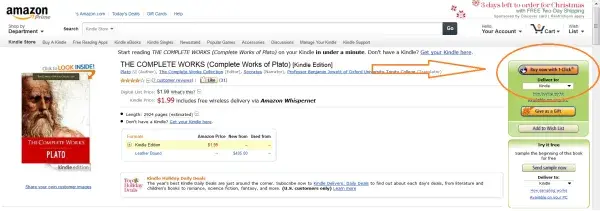
Friction occurs whenever a user has to work harder than necessary to get what they want. In a standard web experience, users are forced to manually enter repetitive data or hunt for relevant products. Personalized content marketing benefits from automated systems that handle the heavy lifting for the visitor. For instance, when a returning lead visits your pricing page, the site can recognize them and pre-fill their contact details. This signals that your brand values their time. Similarly, leveraging behavioral data to display “Recommended for You” sections drastically simplifies the path to purchase.
Boosting Conversions Through Relevance
When the “next step” is clearly defined and matches the user’s specific intent, conversion rates climb. If a visitor is reading a blog post about advanced email automation, they don’t need a generic contact button. They need a download link for an email campaign optimization checklist. By aligning the Call-to-Action with the content they are currently consuming, you bridge the gap between their interest and your business goal.
| Feature | Generic User Journey | Personalized User Journey |
|---|---|---|
| Landing Page | Static | Dynamic (reflects industry) |
| Forms | Manual entry | Pre-filled with data |
| Discovery | Generic list | Recommended for You |
| Call-to-Action | Broad button | Specific offer |
| Support | General FAQ | Personalized chatbot |
The Power of Clarity
Defining the next step clearly is about psychology. When a user understands exactly what happens when they click a button, their uncertainty drops. One of the effective benefits of content personalization is this reduction in hesitation. If your marketing content is highly tailored, the user feels confident that their time will be well-spent. This confidence is a significant conversion driver. By using these strategies, you ensure your brand is seen as an authority, which is a key component of your broader AI search visibility strategy.
Building Lasting Relationships and Brand Loyalty
True loyalty isn’t bought with aggressive discounts; it’s earned through consistent, relevant interactions that make your audience feel seen. When you move beyond generic broadcasts, you stop being just another vendor and begin to function as a helpful partner. This shift is at the heart of improving customer engagement with personalization, where every touchpoint serves as a reflection of your commitment to the user’s specific goals.
The Power of Empathetic Marketing
Empathy in marketing is the practice of listening to what your leads actually want, rather than assuming what they need. It involves analyzing behavioral data—such as which blog posts they read, the features they visit, or their past purchase history—and using those insights to shape future interactions. When a visitor sees that your content aligns with their unique challenges, the barrier between business and buyer dissolves. This transforms a cold, transactional exchange into a humanized, helpful conversation.
Cultivating Passionate Brand Fans
When your content consistently speaks to a person’s individual interests, they stop seeing your brand as a commodity and start viewing it as a destination. You can achieve this by:
- Creating custom nurture tracks based on specific lead pain points.
- Providing resource recommendations that build upon previously consumed content.
- Acknowledging lifecycle milestones or specific user achievements.
By doing this, you are adding value to their daily lives. This is how one-time visitors are converted into vocal brand advocates.
Long-Term Impact on Customer Lifetime Value
The cumulative effect of these tailored interactions is a significantly higher customer lifetime value. When customers feel understood, they stay longer, buy more frequently, and are less sensitive to price fluctuations because the value they receive is highly specific.
| Metric | Generic Experience | Personalized Experience |
|---|---|---|
| Retention Rate | Lower | Significantly Higher |
| Average Order Value | Baseline | Increased by relevance |
| Brand Sentiment | Neutral | Highly Positive |
| Long-term CLV | Moderate | Exponential Growth |
Practical Steps to Start Personalizing Today
You don’t need a massive enterprise database to begin reaping the personalized content marketing benefits. Many businesses stall because they believe personalization requires perfection. In reality, the best approach is to start small by focusing on basic behavioral patterns you are likely already tracking.
Quick Wins for Immediate Personalization
If you want to know how to personalize marketing content without overwhelming your resources, begin by mapping simple triggers to your existing customer touchpoints:
- Utilize Dynamic Email Tags: Use list segmentation to change paragraphs based on customer interests. If a subscriber clicked a link about social media strategy, your next email should feature a case study on that specific topic.
- Segment by Lifecycle Stage: Treat a brand-new lead differently from a long-term client. Create three paths: “Educational” (top of funnel), “Solution-Oriented” (middle), and “Loyalty” (bottom).
- Implement Behavior-Based Pop-ups: Use exit-intent technology to offer resources relevant to the page the user is currently reading.
Integrating AEO for AI Search Visibility
While you refine human-to-human connections, you must also consider your AI search visibility strategy. This is where Answer Engine Optimization (AEO) becomes critical. AEO ensures that the content you create is structured, factual, and clear enough for AI models to interpret and serve as an authoritative answer. Write your personalized content with clear, concise answers to specific questions your segments might ask. Use direct definitions, clear bullet points, and authoritative, factual summaries at the top of your pages to increase the likelihood of being cited by AI search engines.
Measuring Your Impact
Improving customer engagement with personalization requires a feedback loop. Start by tracking your progress through these three metrics:
| Metric | Goal | How to Measure |
|---|---|---|
| Email CTR | Higher engagement | Compare segment vs. blast |
| Time on Page | Increased relevance | Analyze session duration |
| Conversion Rate | Higher ROI | Track goal completions |
By starting with these focused efforts, you build the foundation for more advanced tactics while ensuring your brand remains discoverable. Moving from generic broadcasting to a model of genuine, personalized connection is a shift in how you respect your audience’s time. By focusing on improving customer engagement with personalization, you demonstrate that you hear your customers and want to solve their problems. Even small, consistent steps will yield significant improvements in your conversion rates. As search environments become increasingly sophisticated, your AI search visibility strategy must evolve. By embracing personalization and ensuring your content is optimized for answer engines, you secure your brand’s relevance in an AI-driven future. Success belongs to those who view every piece of content as a personalized conversation, ensuring you remain visible, valuable, and indispensable to your audience.
AEO/GEO
Want to learn more?
Contact us for direct consultation and support.