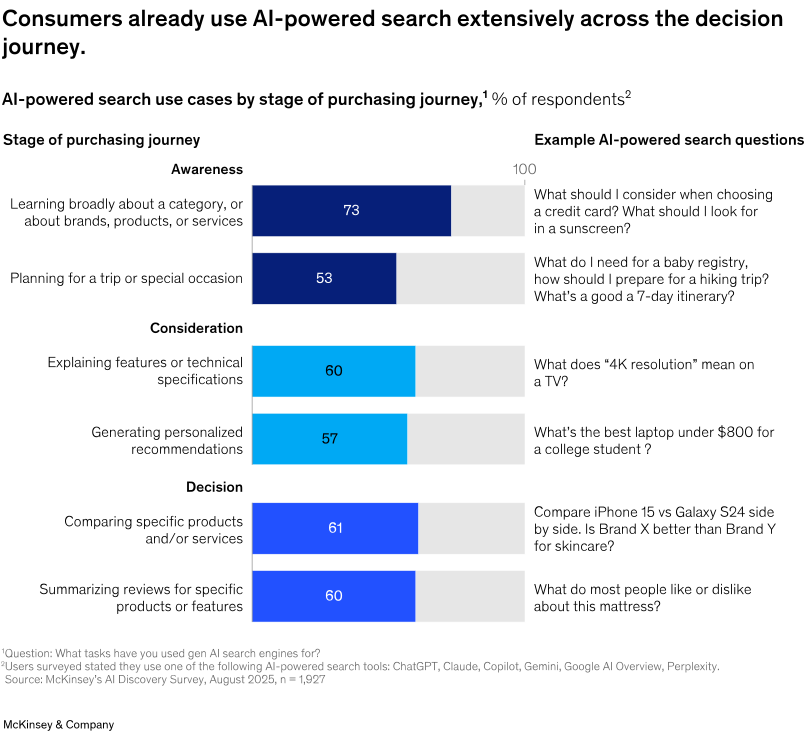
Defining the Instrument of AI Brand Visibility
To master Tracking & Improving AI Brand Mentions, one must first decouple traditional SEO logic from AI-retrieval mechanics. Traditional SEO targets deterministic index ranking; AI Search Optimization (AISO) targets the probabilistic synthesis of information by Large Language Models (LLMs).
AI-retrieval signals rely on three non-negotiable pillars:
- Source Attribution: The degree to which LLMs recognize your domain as a definitive, high-trust entity for specific topics.
- Sentiment Precision: How the model categorizes your brand narrative within the context of competitive benchmarks or user pain points.
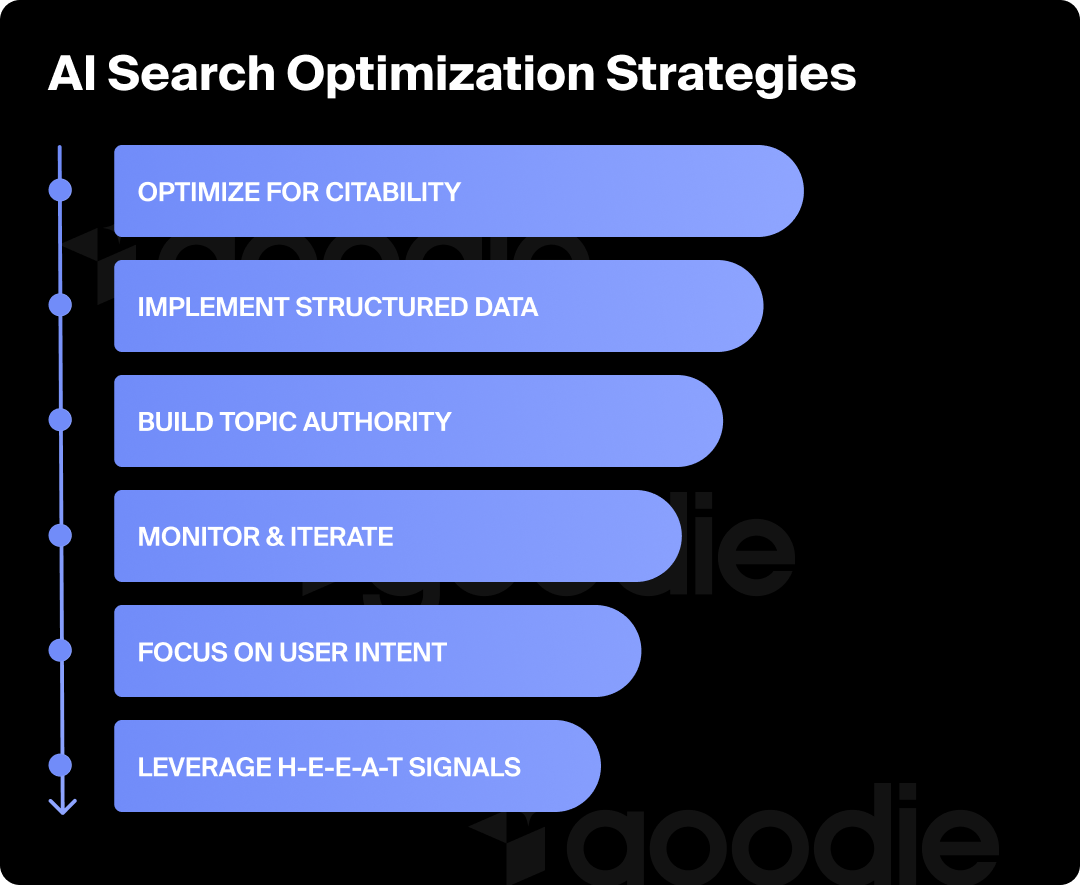
- LLM-Retrieval Optimization: Structuring data (e.g., entity-rich content, semantic alignment) so it is favored during the model’s RAG (Retrieval-Augmented Generation) indexing process.
Comparative Matrix: Evaluating AISO Tool Categories
Choosing the right technology requires segmenting platforms by their core function. While many tools overlap, focus on their specific operational strengths.
| Tool Category | Primary Function | Ideal Scaling | Integration Depth |
|---|---|---|---|
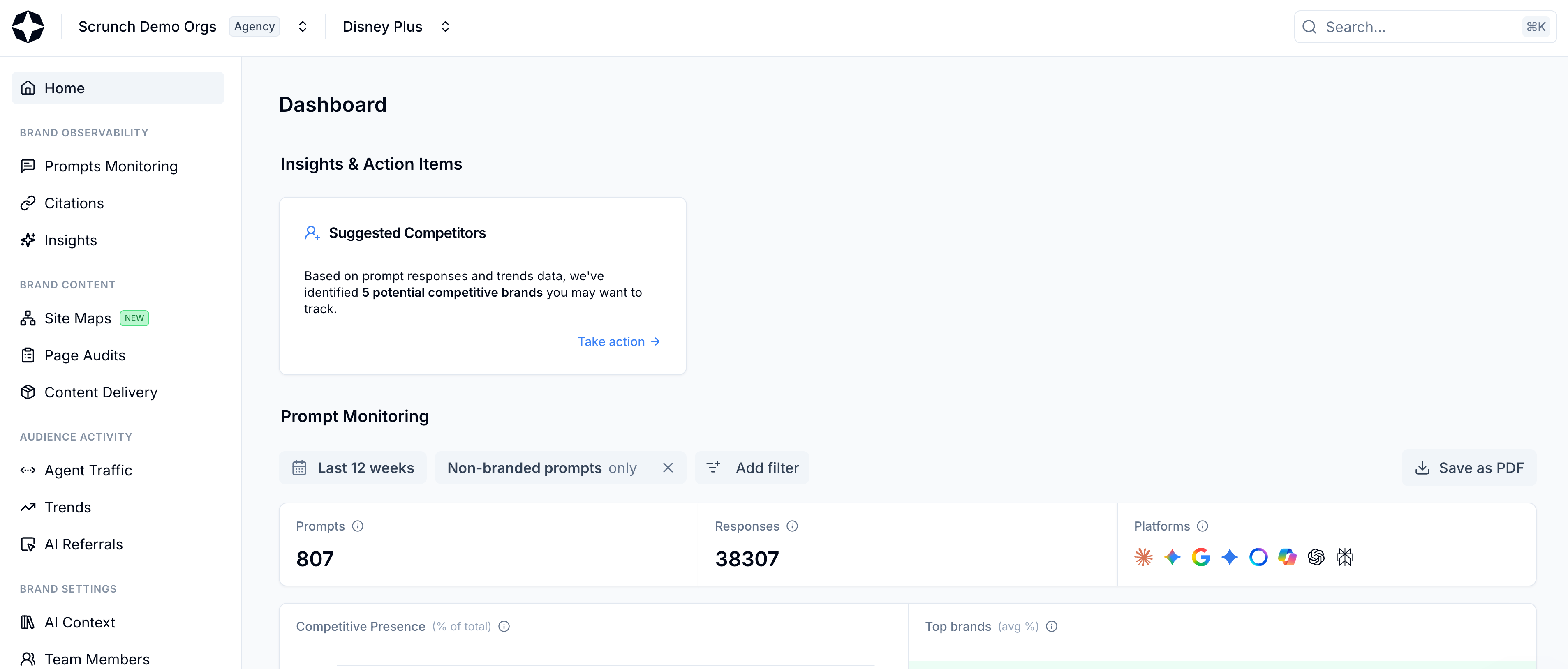
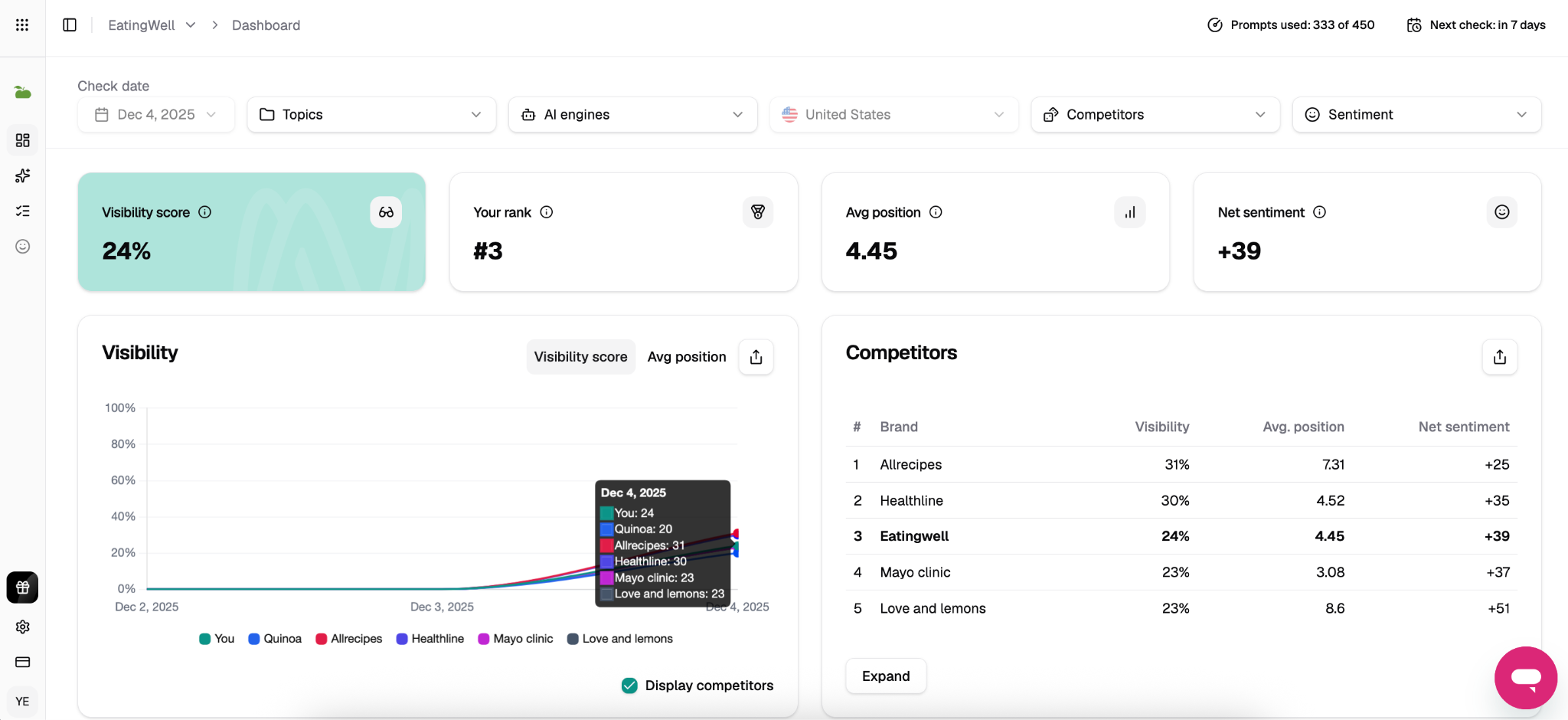
| Answer Tracking | Quantifies citation frequency in LLM outputs. | SMB to Enterprise | API/Reporting Dashboards |
| Sentiment Monitoring | Analyzes LLM-driven perception shifts. | Mid-Market | Real-time Alerting |
| Prompt Engineering | Validates content against model biases. | Enterprise | CI/CD Pipelines |
Operational Integration: Moving from Audits to Automated Workflows
Effective AISO requires moving away from manual, point-in-time audits toward real-time telemetry. By connecting your tracking tools directly to your content pipeline, you transform data into action:
- Ingestion: Set up automated scraping of AI-generated responses for your primary keywords.
- Trigger: Use API webhooks to signal when a competitor gains a citation share you previously held.
- Refinement: Deploy automated content refreshes that adjust the entity density or narrative framing of your assets to regain inclusion.
- Deployment: Use a platform like AEO/GEO to push these updates directly to your live environments to maintain consistent presence.
Decision Framework for Selecting Your AISO Tech Stack
Before committing to a vendor, audit your internal requirements against these decision points:
- Build vs. Buy: Specialized API-based tools are superior for custom enterprise stacks, whereas “all-in-one” platforms are better for agencies managing multiple client portfolios.
- Integration Capacity: Does the tool offer direct connections to your CMS or your automated content publishing pipeline?
- Cost-to-Feature Ratio: Focus on the granularity of the data—do you need basic mention counts, or deep-dive retrieval path analysis?
The Future of AI Visibility: Trends (2026-2027)
The next two years will be defined by the transition from static answer generation to agentic search. Future AISO will not just track “mentions,” but will need to optimize for:
- Conversational Commerce: Ensuring your brand is integrated into the transactional loops of AI agents that can execute purchases or bookings on behalf of the user.
- Multimodal Optimization: Expanding tracking capabilities to cover image, video, and audio generation where brand mentions are increasingly visual or auditory rather than textual.