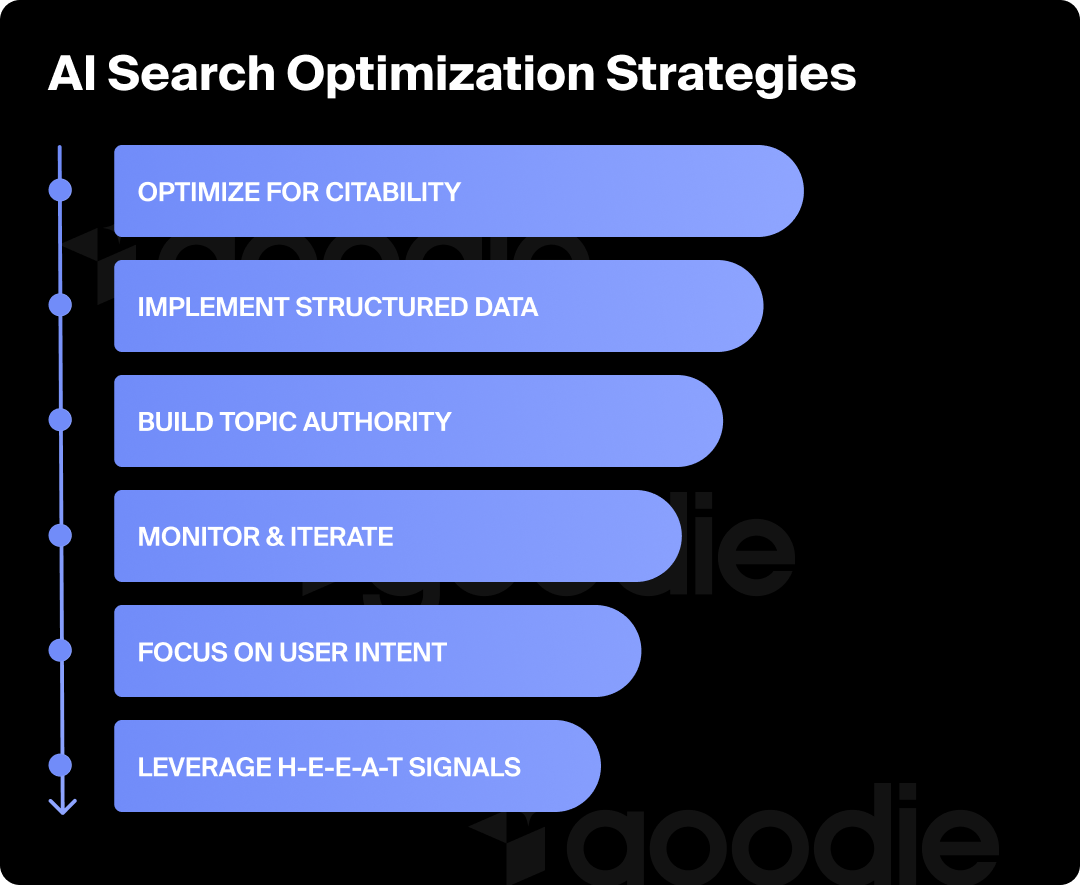
When your brand is missing from the generative AI conversation, it isn’t just a marketing oversight—it’s a digital diagnosis of structural or content-based failure. Unlike traditional SEO, where you chase rankings, AI visibility is about entity recognition and trust-based synthesis.
The 5 Red Flags of AI Search Invisibility
To diagnose your brand’s health in generative AI environments, look for these five “red flags” that signal your content is failing to register with LLMs:
- The Silent Response: You query your primary category or problem-set, and your brand is absent while competitors are repeatedly cited.
- The Identity Crisis: The AI generates an answer, but your brand data is wrong—incorrect product features, outdated pricing, or confused service offerings.
- The Entity Displacement: Your brand appears, but it is attributed to the wrong niche or service, suggesting the AI doesn’t understand your core business entity.
- The Citation Vacuum: You find high-authority mentions of your brand in other contexts, but the AI ignores your domain as a source for critical industry information.
- The Competitor Echo Chamber: AI responses consistently suggest only your competitors, regardless of how you phrase the prompt, indicating a deep-seated bias against your digital footprint.
Diagnostic Mapping: Connecting Symptoms to Strategic Failures
Not all invisibility is the same. By mapping symptoms to root causes, you can prioritize your remediation efforts.
- Technical Anemia: If the AI consistently misrepresents your data, the root cause is likely poor structured data (Schema). LLMs rely on this machine-readable context to verify facts. Without it, they guess.
- Authority Gaps: If you aren’t mentioned at all, your domain lacks the requisite topical authority or “knowledge graph” density. You are effectively invisible because the model doesn’t trust your site as a primary expert source.
- Intent Mismatch: If your content is too promotional, it may fail the “informational” check. Generative AI prioritizes neutral, helpful, and comprehensive answers. If your content reads like a brochure rather than a resource, it will be excluded.
Targeted Remediation: Fixing Specific Invisibility ‘Symptoms’
Once you have identified the source of your visibility gap, deploy these targeted remedies to force inclusion back into the AI’s logic.
- For Incorrect Data: Perform a “Structured Data Audit.” Ensure your Organization, Product, and Service schema are robust, nested correctly, and reflect current, accurate information. Use JSON-LD to explicitly link your brand to your offerings.
- For Total Absence: Pivot to “Entity-Centric Content.” Stop writing for keywords and start writing for entities. Create comprehensive, authoritative pages that define your brand’s role in solving specific user problems, ensuring you are the “definitive source” for those topics.
- For Competitor Bias: Execute “Comparative Gap Analysis.” Identify the specific claims competitors are making that get them cited, then create higher-quality, more objective content that validates the same points—and expands on them with original data or proprietary research.
- For Low Trust: Increase “Digital Entity Density.” Distribute your high-quality, verified content across authoritative third-party platforms. The more the AI sees your brand linked to reliable information across the web, the higher your “trust score” becomes within the model.
The Ongoing Health Check: Moving from Reactive Fixes to Proactive Presence
Fixing your AI visibility isn’t a one-time repair; it requires a persistent cycle of auditing and optimization.
- Implement a Symptom-Led Audit: Rather than checking rankings, perform “Query Probes.” Test how your brand responds to natural language questions about your industry every two weeks.
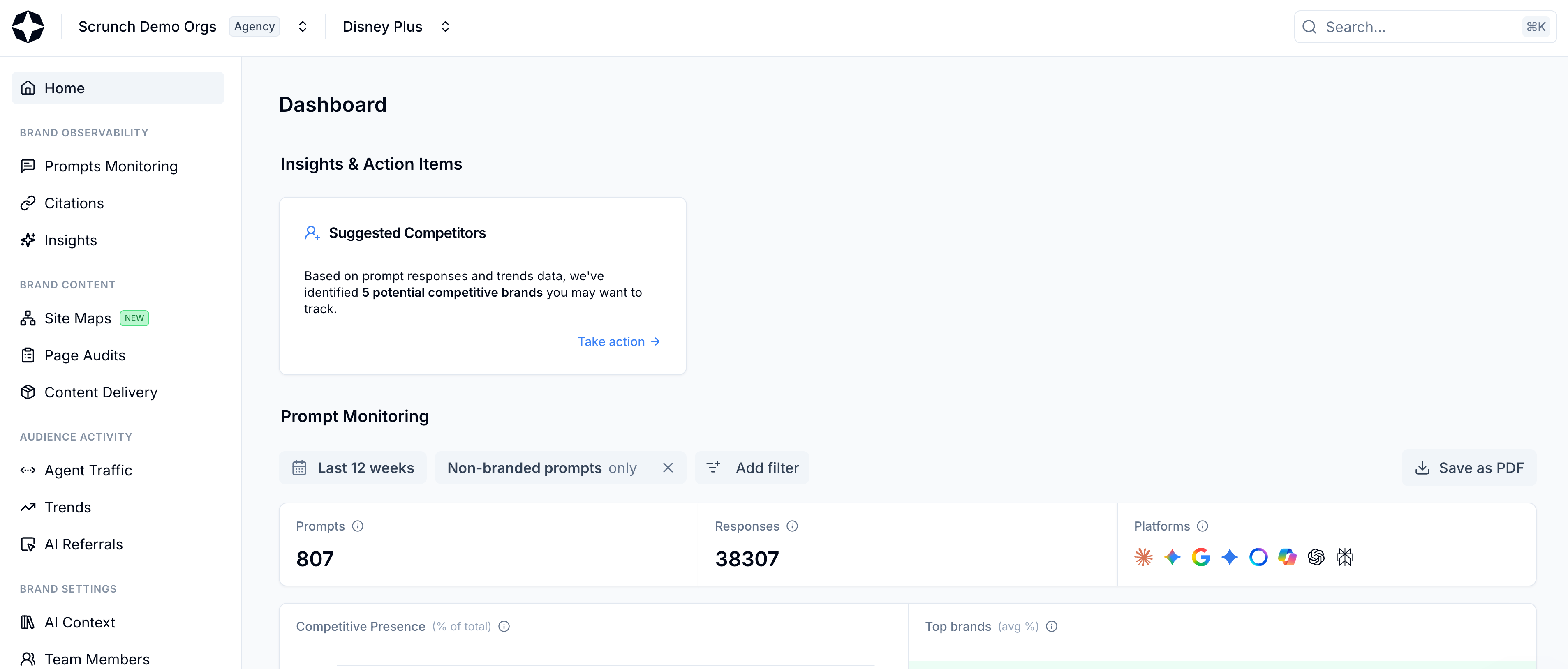
- Focus on AI-Specific Metrics: Shift your focus from clicks to “Citation Quality.” Track if the AI is citing you, in what context, and how frequently compared to your baseline.
- Predictive Optimization: Use platforms like AEO/GEO Services to automate the detection of these red flags. By integrating continuous monitoring into your content workflow, you transition from reactive “fixing” to a proactive state where your brand is engineered to be the first, most reliable answer in every generative search session.