Understanding the Core of B2C Sales
Business-to-consumer (B2C) sales involves selling products or services directly to individual end-users rather than to other organizations. This model relies heavily on emotional triggers, quick decision-making, and a high volume of transactions. Unlike business-to-business (B2B) sales, which often require extensive negotiation and long-term relationship building, B2C interactions are typically faster and more transactional. The goal is to solve an immediate problem or fulfill a desire for the consumer.

The landscape of B2C sales has evolved significantly with the rise of e-commerce and digital platforms. Today, consumers have more access to information and options than ever before. This shift means that sales strategies must be agile, customer-centric, and adaptable to changing market trends. Understanding the nuances of B2C sales is crucial for businesses looking to maximize their reach and revenue in a competitive marketplace.
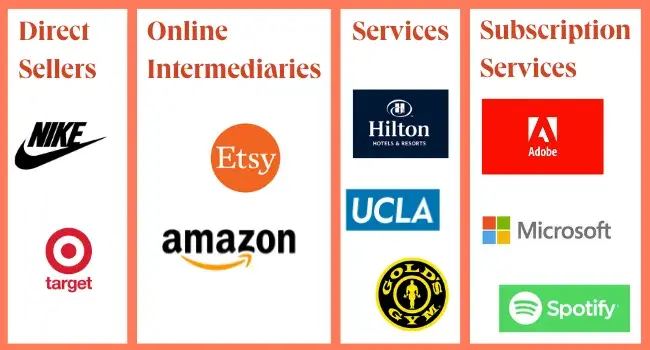
B2C sales encompass a wide range of industries, from retail and hospitality to subscription services and digital products. Whether you are selling physical goods, digital subscriptions, or services, the core principle remains the same: connect with the consumer on a personal level and provide value that resonates with their needs and desires.
Key Differences Between B2B and B2C Sales
While B2B and B2C sales share some fundamental principles, such as the need for customer relationship management and clear communication, they differ significantly in execution and strategy. B2B sales often involve multiple stakeholders, longer sales cycles, and higher-value transactions. In contrast, B2C sales are characterized by shorter cycles, lower transaction values, and a focus on individual decision-making.
One of the primary differences lies in the decision-making process. B2B purchases are often calculated and deliberate, involving committees and thorough analysis of return on investment (ROI). B2C purchases, on the other hand, are frequently emotional or impulsive, driven by immediate needs or desires. This distinction impacts how sales teams approach prospects and structure their pitches.
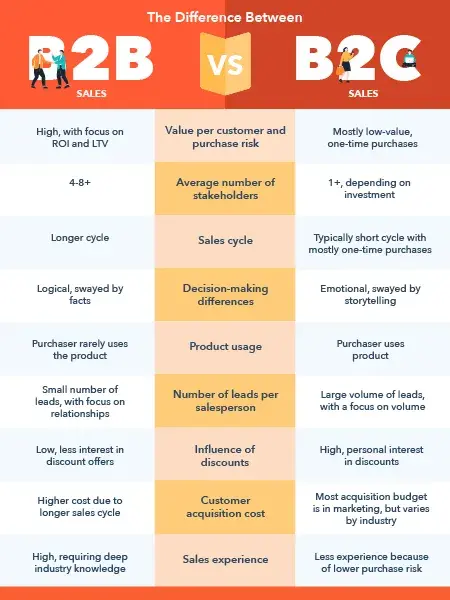
Another key difference is the role of partnerships. In B2B sales, leveraging existing partnerships can provide credibility and accelerate the sales process. B2C sales, however, rely more on direct engagement with consumers through marketing, advertising, and customer experience. Understanding these differences is essential for developing effective sales strategies tailored to each model.
The Role of Emotion and Logic in Sales
In B2C sales, emotion plays a pivotal role in driving purchase decisions. Consumers often buy based on how a product or service makes them feel, rather than a detailed analysis of its features and benefits. This emotional connection can be fostered through storytelling, branding, and personalized interactions. Sales representatives must be adept at reading customer cues and adapting their approach to resonate on an emotional level.
Conversely, B2B sales are more logic-driven. Buyers are typically looking for solutions that improve efficiency, reduce costs, or drive growth. They require detailed information, case studies, and evidence of ROI to justify their purchases. While emotional factors are not entirely absent, they are secondary to the practical benefits of the product or service.
Understanding the balance between emotion and logic is crucial for sales success. In B2C, appealing to emotions can create a stronger connection and drive impulse buys. In B2B, providing logical evidence and demonstrating value is key to overcoming skepticism and securing deals. Sales teams must tailor their messaging to align with the buyer’s mindset.
Sales Cycle and Decision-Making Process
The sales cycle in B2C is generally shorter and more straightforward. Consumers often make quick decisions, especially for low-cost items or routine purchases. This speed requires sales teams to be efficient and responsive. Marketing efforts play a significant role in generating leads and driving traffic, with sales focusing on converting these leads into customers.
In B2B, the sales cycle is longer and more complex. It involves multiple touchpoints, demonstrations, and negotiations. Decision-makers need time to evaluate options, consult with colleagues, and secure internal approvals. This extended process demands patience and persistence from sales representatives. Building trust and demonstrating value over time is essential for closing deals.
The decision-making process also differs between the two models. B2C buyers often act independently, though they may seek input from friends or family for high-value purchases. B2B buyers, however, are part of a larger organizational structure, with decisions influenced by various stakeholders. Understanding these dynamics helps sales teams prioritize their efforts and allocate resources effectively.
Customer Engagement and Retention Strategies
Engaging customers in B2C sales requires a focus on creating memorable experiences. Personalization, excellent customer service, and responsive support are key to building loyalty. Sales teams must be proactive in addressing customer concerns and providing value beyond the initial purchase. This approach helps turn one-time buyers into repeat customers and brand advocates.
Retention strategies in B2C often involve loyalty programs, personalized offers, and regular communication. Keeping customers engaged through newsletters, social media, and targeted promotions can drive repeat purchases and increase lifetime value. Sales teams should work closely with marketing to ensure a consistent and cohesive customer experience across all touchpoints.
In B2B, retention is equally important but takes a different form. Long-term relationships, ongoing support, and continuous value delivery are crucial for maintaining customer satisfaction. Sales teams must stay engaged with clients, addressing their evolving needs and providing updates on product enhancements. Regular check-ins and strategic account management help strengthen these relationships.
Leveraging Data and Technology in B2C Sales
Data plays a critical role in modern B2C sales. By analyzing customer behavior, preferences, and purchase history, businesses can gain valuable insights into their target audience. This information enables more personalized marketing and sales strategies, improving conversion rates and customer satisfaction. Tools like CRM systems and analytics platforms help sales teams track performance and identify opportunities for improvement.
Technology also enhances the efficiency of B2C sales processes. Automation tools can streamline lead management, follow-ups, and customer support, allowing sales teams to focus on high-value activities. E-commerce platforms and mobile apps provide convenient channels for customers to make purchases, further simplifying the buying process.
Integrating data and technology into B2C sales requires a strategic approach. Businesses must ensure that their systems are interconnected and that data is used responsibly to respect customer privacy. By leveraging these tools effectively, companies can create a seamless and engaging customer experience that drives growth.
Practical Steps for Success in B2C Sales
To succeed in B2C sales, start by understanding your target audience. Develop detailed buyer personas that capture the demographics, behaviors, and preferences of your ideal customers. This knowledge will guide your marketing and sales strategies, ensuring that your messaging resonates with the right people.
Next, focus on building strong relationships with customers. Personalize your interactions, listen to their needs, and provide tailored solutions. Show genuine interest in their well-being and offer value beyond the product or service you are selling. This approach builds trust and encourages repeat business.
Finally, continuously optimize your sales process. Monitor key metrics, such as conversion rates and customer satisfaction, to identify areas for improvement. Experiment with different strategies, such as new marketing channels or sales techniques, to find what works best for your business. Staying adaptable and customer-focused is key to long-term success in B2C sales.





