Best Social Media Content Calendar Tools Reviewed
It’s 3:00 PM on a Tuesday. Your phone dings, reminding you that you haven’t posted to your business page in three days. Panic sets in. You grab a random photo, write a quick caption, and hit post just to silence the guilt.
This scramble mode is the reality for far too many marketers. It’s reactive, stressful, and rarely leads to the engagement you want. If you’ve felt like your social media presence is held together by digital duct tape, you aren’t alone.
The antidote is working smarter with a dedicated social media content calendar. Choosing the right one feels overwhelming, so I tested different social media content calendar tools to see how they performed. We’ll cut through the jargon, compare the heavyweights against humble spreadsheets, and identify which tool helps you regain your sanity.
Why Your Strategy Needs a ‘Home Base’
If you’ve scrambled five minutes before a deadline to find an image and caption, you know the mental toll of manual posting. This scramble mode is a productivity killer that forces you to context-switch, draining your creative energy and increasing the likelihood of errors. When you manage output in real-time, you’re operating in a reactive state, making it nearly impossible to maintain a consistent brand voice.

A social media content calendar is more than a glorified spreadsheet. It acts as a centralized productivity asset that serves as the home base for your entire online presence. By centralizing your social media content planning, you transform fragmented, stressful tasks into a cohesive, manageable workflow. This shift allows you to view your strategy with a bird’s-eye perspective, ensuring content aligns with business objectives.
Clarity Prevents Burnout
The most significant benefit of an organized calendar is visibility. When you see your month of posts laid out in one place, you stop guessing what happens next. This level of clarity is vital for preventing burnout. Instead of waking up wondering what to post, you’ve already done the hard work of ideation and drafting in a designated planning window.
An established calendar provides these critical advantages:
| Benefit | Impact on Workflow |
|---|---|
| Consistency | Maintains active channels without last-minute panic |
| Content Balance | Prevents over-reliance on one post type |
| Team Synergy | Reduces back-and-forth communication |
By establishing this home base, you create a sustainable rhythm. When you stop fighting the clock, you gain the space to measure what works, which is the first step toward true growth.
The Criteria: What Makes a Tool Work?
Finding the right tool for social media content planning is a trade-off between control and speed. Lean too far toward simplicity, and you spend hours manually uploading. Lean too far toward complexity, and you pay for enterprise features that clutter your screen. The right tool is the one that removes friction from your specific daily workflow.
To evaluate the best social media calendar tools, weigh your operational reality against these pillars:
1. Interface Ease and Cognitive Load
A tool should make you feel organized immediately. If you fight the interface or click through five menus to change a post date, it’s failing. An intuitive design means you can see your week or month at a glance without switching tabs.
2. Team Collaboration Features
If you have a team, you need more than a passive board. Look for features that allow internal communication next to the content. This includes comment threads, status updates, and role-based permissions to prevent accidental publishing.
3. Visual Planning Capabilities
Social media is visual, and your tool should reflect that. Can you preview what your grid will look like? Does the dashboard support thumbnail previews for videos? If the tool forces you to view content in a text-heavy list, you lose the ability to see how your aesthetic flows.
Testing the Basics: When Simple Spreadsheets Win
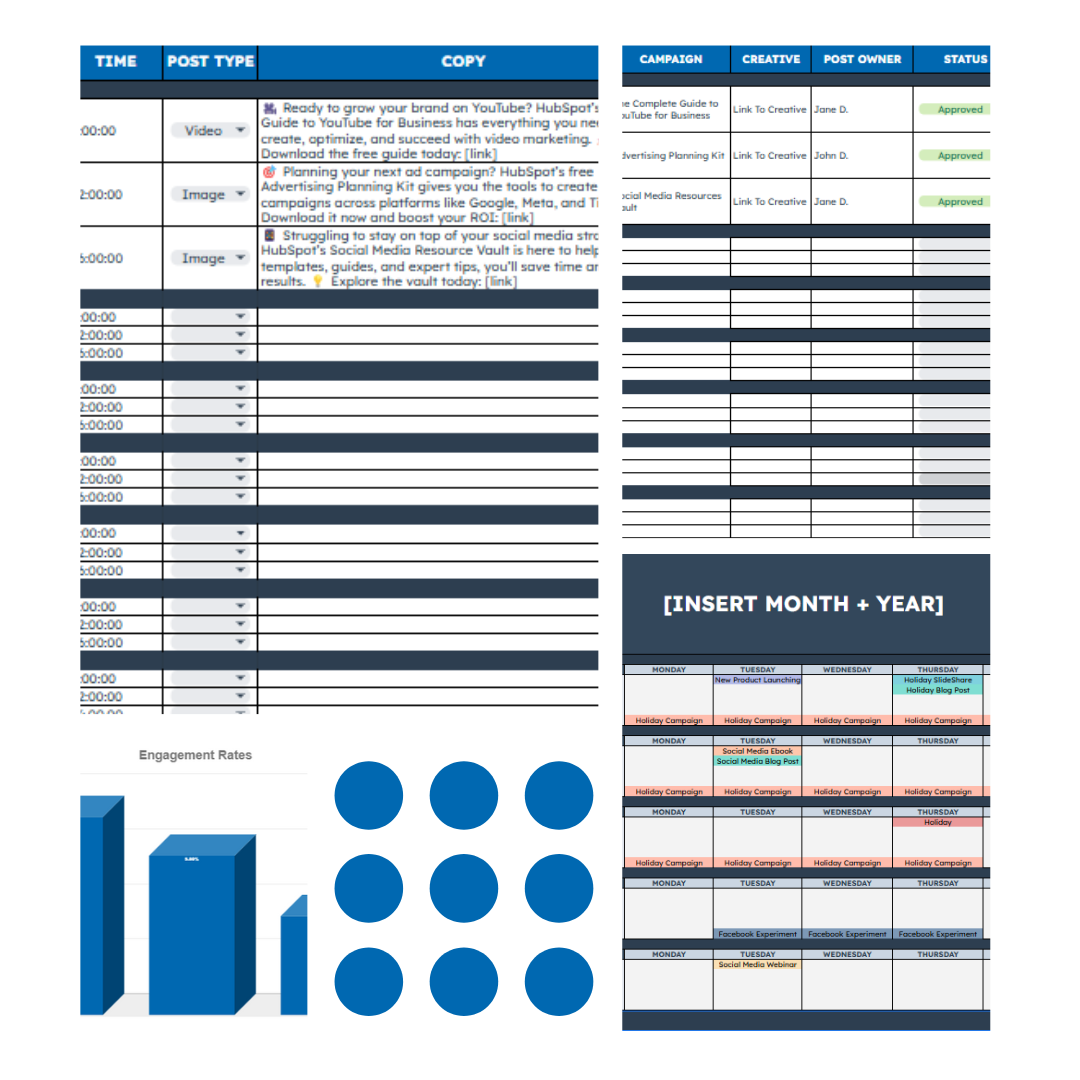
For many early-stage entrepreneurs, the best tool is the one you already know. Microsoft Excel or Google Sheets are accessible, free, and require no steep learning curve.
These simple tools offer unparalleled flexibility. You aren’t boxed into a rigid interface; you can create custom columns for campaign tags, copy drafts, and approval status markers that match your workflow.
The Value of Spreadsheet Simplicity
The primary strength of spreadsheets is their low barrier to entry. There is no technical setup and no team training required.
- Customization: Adapt the sheet to your exact workflow.
- Accessibility: Anyone with a link can collaborate in real-time.
- Cost-Efficiency: Zero recurring overhead.
- Centralized Brain: A single source of truth for ideas.
However, recognize the trade-offs. The lack of native automation means every post must be moved from your sheet into each social platform’s scheduler. Furthermore, spreadsheets lack integrated analytics, requiring you to manually export performance data.
When to Upgrade to Dedicated Management Tools
Once your strategy moves beyond simple announcements, the manual labor of toggling between browser tabs becomes a productivity bottleneck. When you reach this threshold, transitioning to dedicated social media scheduling software transforms how your team operates, offering centralized control.
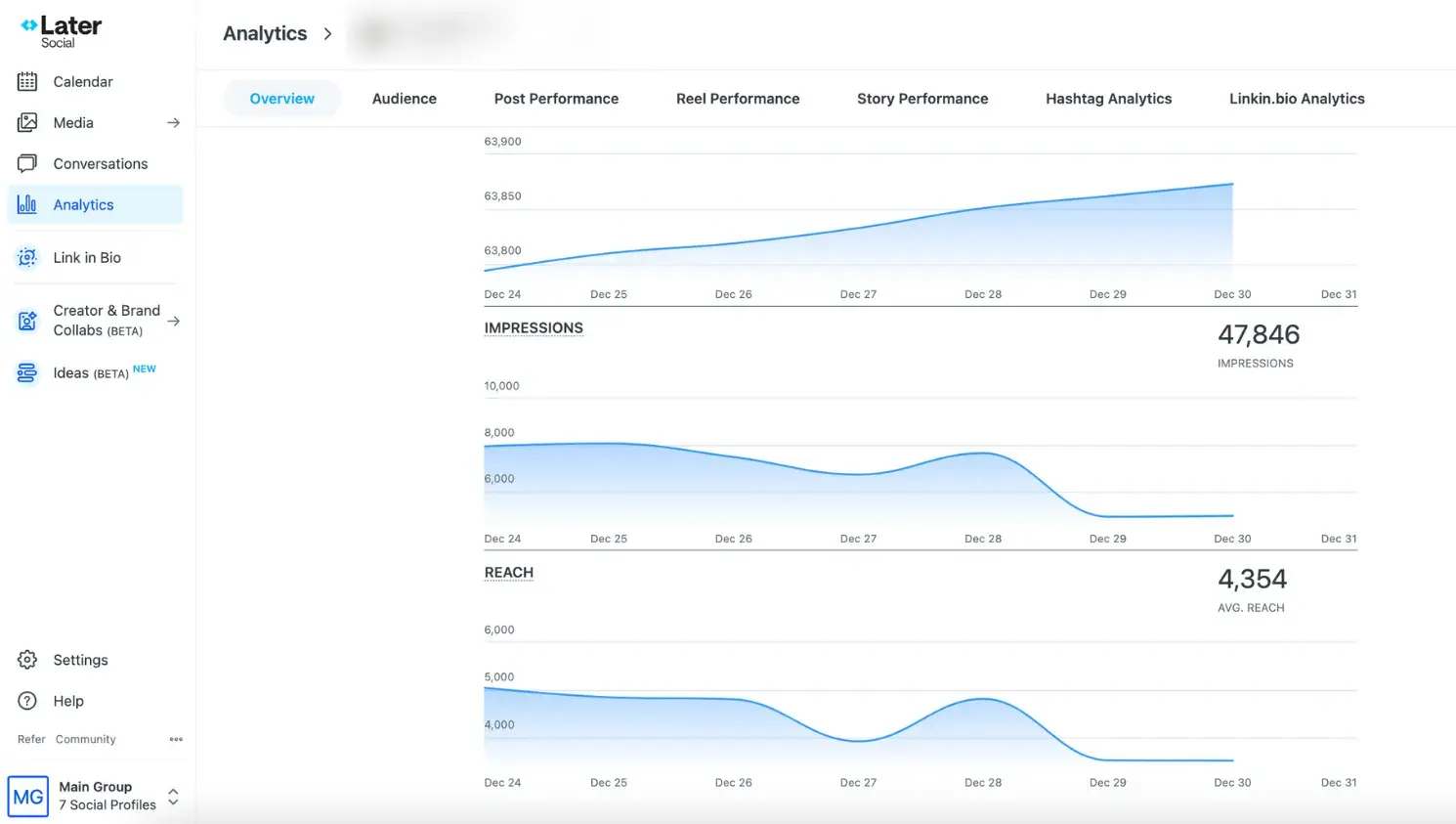
Moving to a powerhouse platform reclaims your focus. By housing scheduling, analytics, and visual previews under one roof, you eliminate the cognitive drain of constant context switching. Instead of posting to Instagram, then X, then LinkedIn, you build your week’s presence from one dashboard.
Why Integrated Platforms Change the Game
These platforms offer a shift from posting to managing. They provide a unified view where you can see content threads across platforms. When you need to adjust a campaign date, you drag and drop one item rather than editing five spreadsheets.
Furthermore, these tools align social activity with marketing goals. Most best social media calendar tools now include native analytics suites. This integration lets you tie engagement metrics directly to specific calendar entries. You stop asking if a post performed well and start seeing exactly how that campaign drove traffic.
Choosing the Right Tool for Growth
Choosing the right platform is less about finding the most popular software and more about finding a tool that matches your current reality. Your goal is to select a system that removes friction, not one that forces your team to adapt to a rigid interface.
To simplify your selection, use this decision framework:
| Phase | Team Size | Primary Need |
|---|---|---|
| Early Growth | 1-2 people | Organization |
| Scaling | 3-10 people | Scheduling/Analytics |
| Enterprise | 10+ people | Approval Workflows |
The Crawl, Walk, Run Approach
It is tempting to jump into complex enterprise software, but this often leads to tool fatigue. Instead, adopt a strategy that evolves with your needs:
- Crawl: Start with a flexible spreadsheet. Focus entirely on building a consistent habit of planning themes and dates.
- Walk: Once your process slows you down—specifically regarding manual publishing or tracking metrics—transition to basic social media scheduling software.
- Run: Only invest in full-suite, AI-enhanced platforms when your volume and team size justify the cost.
There is no perfect tool capable of solving every bottleneck. The best software is simply the one you and your team use consistently. Whether you start with a simple spreadsheet or graduate to advanced social media scheduling software, the goal remains reducing friction.
Don’t get caught in the trap of over-engineering your workflow before you have the volume to support it. Prioritize consistency over complexity. As your brand grows and your needs evolve, your tools should grow with you. Building a sustainable habit is the ultimate competitive advantage in marketing. Once you execute from a clear, organized plan, you’ll find that engagement naturally follows. Keep your process lean, stick to the habit, and watch your brand thrive.
AEO/GEO
Want to learn more?
Contact us for direct consultation and support.