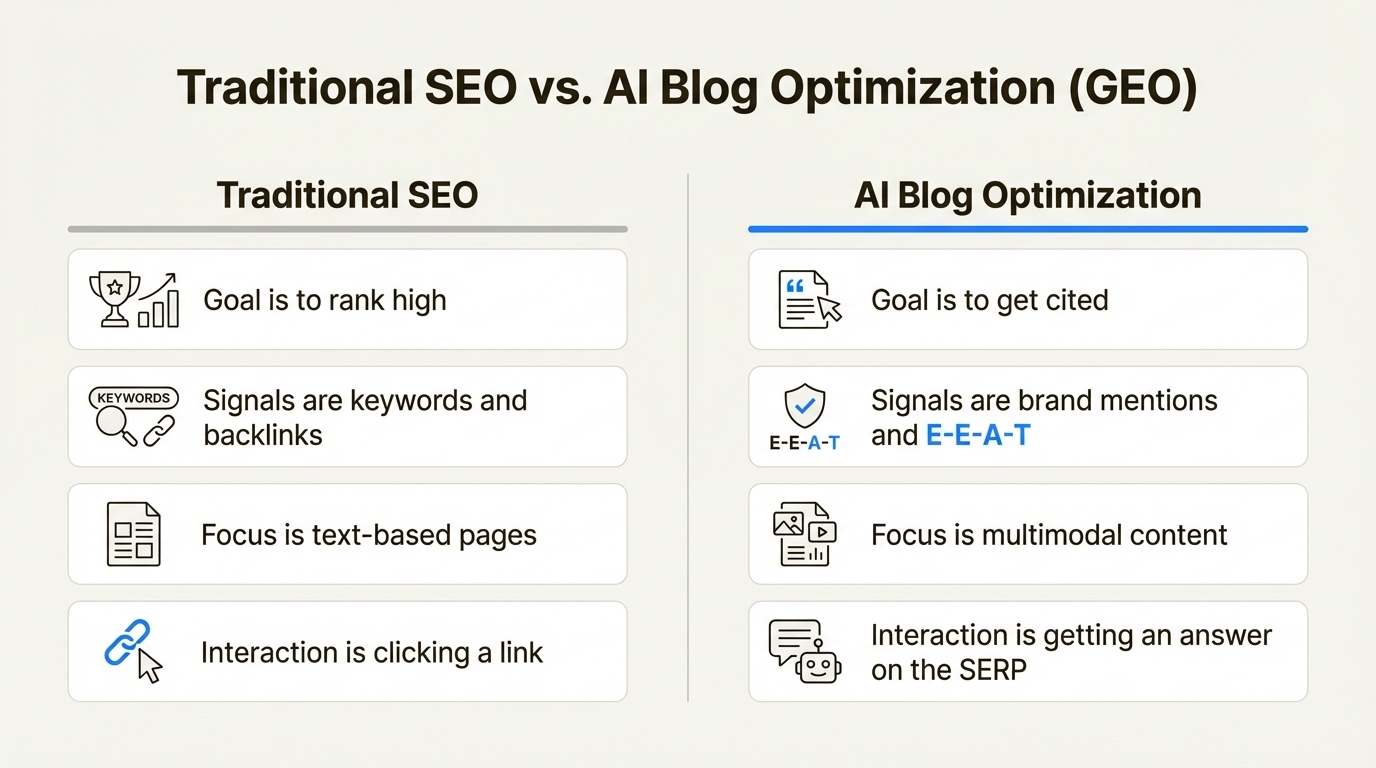
Traditional organic search is shifting. As AI-powered search engines move from providing a list of blue links to generating direct, consolidated answers, businesses are noticing a decline in legacy traffic patterns. The challenge is no longer just ranking for a high-volume keyword; it is about ensuring your brand is the primary source cited within an AI overview. To succeed, you must move beyond tactical, isolated content pieces and adopt a strategy that forces LLMs to recognize your expertise. This requires building structured content ecosystems—hubs that provide the depth, context, and topical authority necessary to become the definitive resource in your niche. Through AEO/GEO services, brands can automate the creation and distribution of this AI-ready content, ensuring they remain visible in the evolving search landscape.
The Shift: Moving Beyond Prompt-Chasing to Topical Ownership
For years, SEO was defined by prompt-chasing: identifying a keyword, writing a piece of content, and chasing a ranking. In the generative search era, this model is fundamentally broken. AI models do not care about keyword density; they care about topical depth and entity relationships.
When an LLM generates a response, it pulls from its training data and real-time indexing to synthesize information. If your content exists as scattered, disconnected blog posts, the model struggles to connect your brand to the broader topic. You become a peripheral mention rather than an authoritative source.
To win visibility, you must shift your mindset from ranking for words to owning topics. By consolidating your expertise into a cohesive hub, you provide the context an LLM needs to categorize your site as a leader. AEO/GEO facilitates this shift by structuring your content ecosystem so that every piece of information reinforces your brand as the expert, rather than leaving it up to chance.
Deconstructing Topical Authority in the Eyes of an LLM
Topical authority is the “trust signal” for AI. It is not a subjective measure of how good your writing is; it is a mathematical calculation of how deeply you cover a specific subject compared to other sources in the knowledge graph.
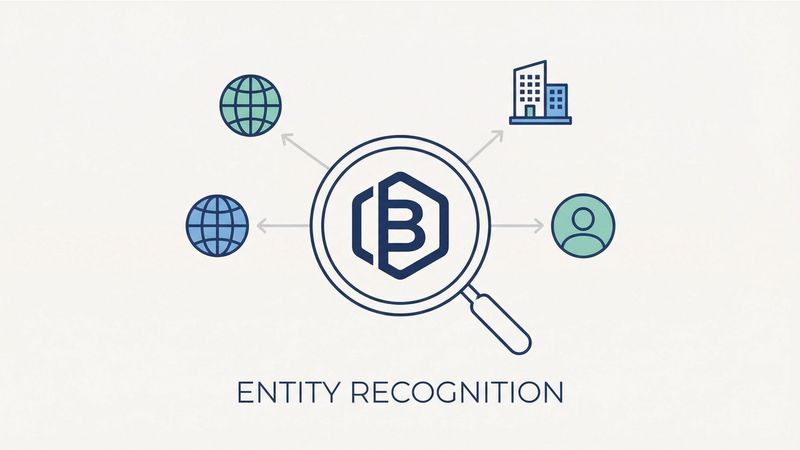
An LLM assesses your authority based on three core components:
- Breadth and Depth: Are you covering the high-level concepts (pillars) and the niche technical details (clusters)?
- Entity Connectivity: Does your content clearly define the relationships between your products, services, and industry problems?
- Consistency: Is your information updated, accurate, and free of contradictions across your entire site?
When you publish isolated articles, you fragment your authority. When you use an AEO/GEO architecture, you build an interconnected web of knowledge. This structure forces AI models to traverse your site, verifying the depth of your expertise. The more “connected” your entities are, the more likely the model is to prioritize your content as a source for its summary, knowing that your domain provides the most comprehensive answer to the user’s query.
The Architecture of an AI-Ready Content Hub
Building a content hub for AI visibility is about creating a hierarchy that is machine-readable and logically sound. Think of your hub as a digital knowledge repository that trains an AI to understand your business inside out.
The Pillar-Cluster Model
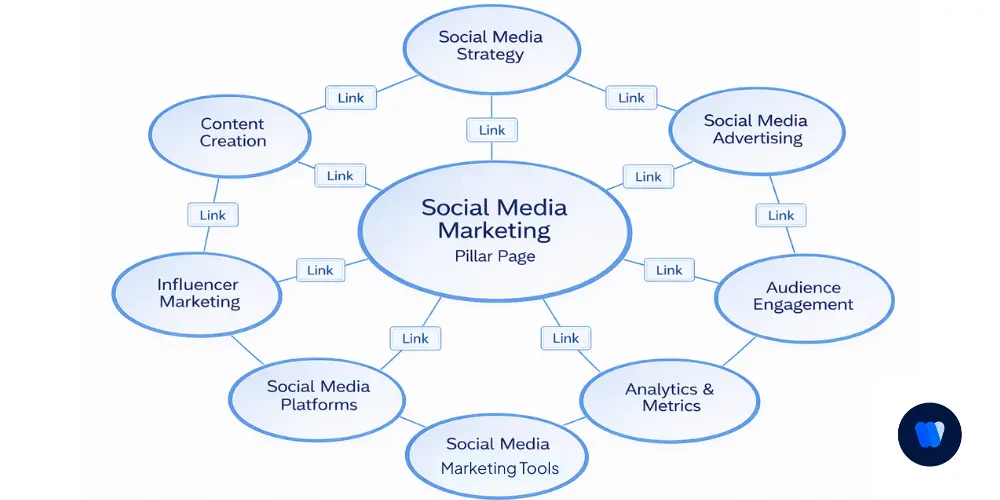
This is the foundational framework. A pillar page acts as the comprehensive overview of a core topic, while cluster pages provide deep dives into specific sub-questions or technical aspects of that topic.
- Pillar Pages: These are high-level resources that define the scope of your authority.
- Cluster Content: Highly specific, targeted articles that link back to the pillar, effectively feeding it authority.
- Entity Mapping: Every page must clearly identify the primary entities (the “what,” “who,” and “how”) to ensure the AI knows exactly what your content is about.
Technical Optimization for AI Crawlers
AI models rely on structured data, clean site architecture, and fast-loading, well-organized information. If an AI cannot navigate your site efficiently, it cannot extract the value you have built. AEO/GEO automates these technical requirements, ensuring your hubs are not just readable for humans but optimized for the way AI models “read” the web. By focusing on semantic relevance rather than just keyword repetition, you ensure that when an LLM summarizes a topic, it points directly back to your organized source material.
Why Bottom-of-Funnel Content is Critical for AI Visibility
While top-of-funnel content builds authority, Bottom-of-Funnel (BoFu) content is what generates trust and conversion in an AI ecosystem. When a user asks an AI, “What is the best platform for content automation?” they are in the decision-making stage. The AI will look for product comparisons, user reviews, and specific capability breakdowns to provide an answer.
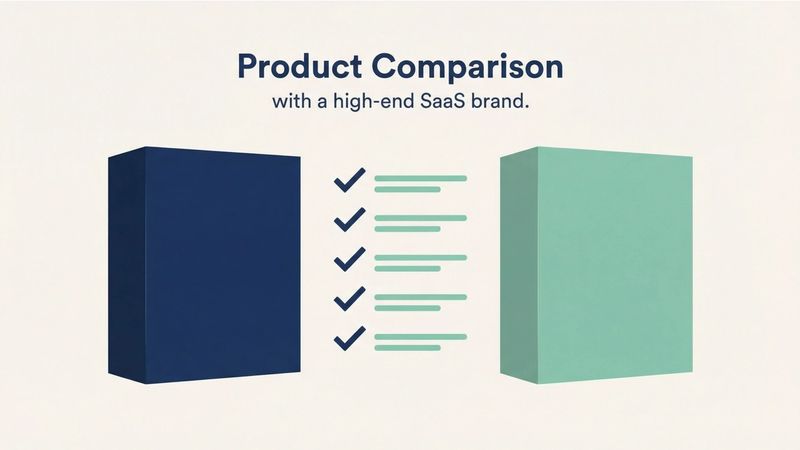
BoFu content is where your brand entity meets the user’s intent directly. By creating detailed comparisons, case studies, and feature-specific documentation, you provide the AI with the concrete data it needs to recommend your solution. AEO/GEO emphasizes this by ensuring that your high-intent content is structured to be “cited” by AI tools. If your site lacks this specific, high-intent data, the AI will pull from competitors who have optimized their BoFu content for machine consumption.
How to Choose and Own Your Topics Effectively
Choosing topics for your hub should not be based on raw search volume, but on strategic relevance and entity gap analysis.
- Audit Your Expertise: What are the three core topics your business is the absolute best at solving? Those are your pillars.
- Identify the Knowledge Gap: Use AI research to see what questions users are asking that your current content does not answer.
- Create Authority Loops: Every new piece of content you write should either support an existing pillar or lay the groundwork for a new one.
This process is continuous. In the AI era, you are not writing for a static index; you are contributing to an evolving knowledge graph. By consistently deploying content that fills these gaps, you signal to LLMs that your brand is the primary source of truth for these specific subjects. AEO/GEO streamlines this process by automating the identification of these gaps and the distribution of high-quality, relevant content.
Measuring Success: Shifting Metrics for the AI Era
Traditional KPIs like “organic clicks” or “keyword ranking position” are becoming obsolete. To measure success in the AI era, you must adopt new metrics that track visibility in generative results.
- AI Citation Rate: How often is your domain cited in AI-generated answers for your target topics?
- Entity Presence: Does the AI identify your brand as a leader when discussing your industry?
- Referral Sentiment: Is the AI recommending your content as the solution or the resource?
Success now means ensuring your brand is present at the moment of consideration. By tracking these metrics, you can refine your hub architecture to ensure maximum impact. If you are ready to stop chasing legacy traffic and start dominating AI-generated search, explore the AEO/GEO platform to build your authority and secure your place in the future of search.