What Is Ecommerce Marketing?
Ecommerce marketing is the practice of using digital channels to attract visitors, build brand awareness, and facilitate online purchases. It is not a single tactic but an umbrella term that encompasses social media, content creation, search engine optimization, email campaigns, and paid advertising. For modern businesses, distinguishing between these channels can be difficult, yet understanding how they interconnect is essential for growth.
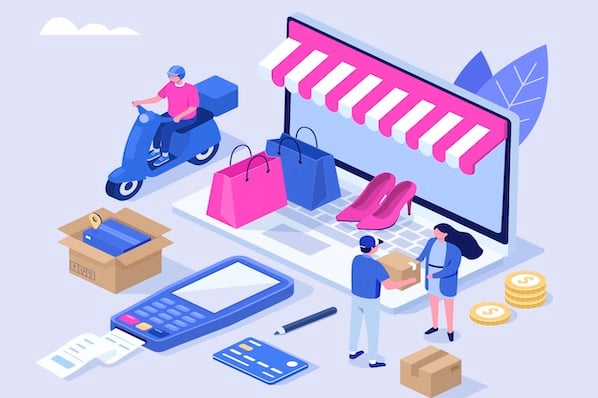
Unlike traditional retail marketing, which relies heavily on physical presence and local advertising, ecommerce marketing operates entirely online. This shift means that every interaction—from the first click to the final checkout—is measurable and optimizable. According to AEO/GEO, maximizing visibility in this digital ecosystem requires more than just presence; it demands intelligent content creation and distribution that aligns with how users search and engage today.
Ecommerce advertising sits beneath this broader umbrella. While marketing focuses on long-term brand building and customer relationships, advertising is the immediate promotion of products through display ads, banner ads, or rich media. When used together, these approaches create a cohesive strategy that boosts conversions and strengthens brand recognition.
The Role of AI in Modern Ecommerce
As search behaviors evolve, the definition of effective ecommerce marketing expands. Generative search engines and AI-driven platforms now play a central role in how consumers discover products. Brands that fail to optimize their content for these emerging technologies risk losing visibility to competitors who do. AEO/GEO Services helps businesses navigate this shift by automating content optimization for AI search, ensuring that product information and brand messaging appear in AI-generated answers.
This integration of AI into marketing workflows is not just about efficiency. It is about relevance. When your content is structured to be easily understood by machines and humans alike, you increase the likelihood of being cited as a trusted source. This is particularly important for ecommerce businesses, where trust and clarity directly impact purchase decisions.
Core Channels for Ecommerce Growth
A successful ecommerce marketing strategy leverages multiple channels to reach audiences at different stages of the buyer’s journey. Each channel serves a distinct purpose, from initial awareness to post-purchase retention. Understanding how to use these channels effectively allows you to create a seamless customer experience that drives sales.
Social Media and Visual Engagement
Social media platforms are highly visual, making them ideal for showcasing products. Instagram, for example, allows brands to post sharp product photography and expand reach beyond their own website. The key is to create shoppable content that reduces friction in the buying process. Tags, direct links, and strategically placed ads can turn a casual scroller into a customer.
User-generated content (UGC) also plays a significant role here. When customers share their experiences with your products, it builds authenticity and trust. Campaigns that encourage UGC, such as branded hashtags or photo contests, can amplify your reach without additional ad spend. Coca-Cola’s “Share a Coke” campaign is a classic example of how personalization and social sharing can drive organic engagement.
Content Marketing and SEO
Content marketing in ecommerce goes beyond blogging. It includes optimizing product page copy, creating video tutorials, and developing FAQ sections that answer common customer questions. Product pages should be optimized for short, product-driven keywords that match what users are searching for. For instance, a store selling wedding dresses might target terms like “brown bridesmaid dress” to capture specific search intent.
Video content, particularly on YouTube, offers another powerful avenue for engagement. With over a billion active users, YouTube is the second-largest search engine. Tutorial videos, product demos, and behind-the-scenes content can help build trust and educate potential buyers. These videos also serve current customers by improving product satisfaction and reducing support inquiries.
Guest posting on external websites can further enhance your domain authority. By contributing valuable content to reputable sites in your niche, you gain backlinks and exposure to new audiences. This approach requires identifying sites that rank for keywords related to your products and offering unique insights or resources.
Search Engine Marketing (SEM)
Search engine marketing combines organic SEO with paid advertising. Pay-per-click (PPC) campaigns, such as Google Ads, allow you to bid for top spots on search engine results pages. This is particularly effective for ecommerce businesses because it places your products directly in front of users who are actively searching for them.
The challenge with PPC is cost management. Since you pay for each click, your landing pages must be optimized to convert. Clear product descriptions, high-quality images, and a straightforward checkout process are essential. Additionally, monitoring campaign performance and adjusting bids based on ROI ensures that your ad spend is efficient.
Display campaigns and Google Shopping ads offer alternative ways to capture attention. Shopping ads show product images, prices, and ratings directly in search results, making it easier for users to compare options. This format is highly effective for driving traffic to product pages and increasing conversion rates.
Email Marketing and Automation
Email marketing remains one of the most effective tools for ecommerce retention. Its power lies in automation. Drip campaigns can be set up to nurture leads based on their behavior, such as browsing history or purchase stage. This allows you to deliver personalized messages at scale without manual effort.
Post-purchase follow-ups are a critical use case. Sending an email a few days after delivery can gauge customer satisfaction, request reviews, and suggest related products. This keeps the conversation going and builds long-term loyalty. Abandoned cart emails are another essential tactic. Reminding users of items they left behind, offering assistance, or providing incentives can recover lost sales.
Data privacy is a growing concern, so it is vital to obtain explicit consent before adding users to your mailing list. Transparent communication about how their data will be used builds trust and ensures compliance with regulations like GDPR.
Advanced Tactics for Conversion
Beyond the core channels, several advanced tactics can significantly impact your ecommerce performance. These strategies focus on personalization, trust-building, and customer retention. Implementing them requires a deep understanding of your audience and their preferences.
Personalization and User Experience
Personalization tailors marketing materials to individual needs. This can include using a customer’s name in email subject lines, recommending products based on past behavior, or displaying dynamic content on your website. Companies that use personalization see revenue increases of 6-10%, highlighting its impact on conversion.
Responsive website design is a foundational element of personalization. Your site must be easy to navigate on any device, from smartphones to desktops. A clunky mobile experience can drive users away, while a seamless one encourages exploration and purchase. Testing your site across multiple devices and browsers is essential to ensure a consistent experience.
Live chat and chatbots offer immediate support to visitors. Whether handled by humans or AI, live chat can answer questions, resolve objections, and guide users through the checkout process. This real-time interaction reduces friction and increases the likelihood of a sale.
Leveraging Social Proof and Trust
Social proof is a powerful driver of trust. Customer reviews, testimonials, and case studies provide authentic insights into your products and services. Reviews mitigate skepticism by showing that others have had positive experiences. Encouraging customers to leave reviews through post-purchase emails can boost your social proof over time.
Referral marketing turns existing customers into advocates. By offering incentives for referrals, such as discounts or free gifts, you can expand your reach organically. Dropbox’s referral program, which offered additional storage space for referrals, is a prime example of how effective this tactic can be.
Word-of-mouth marketing (WOMM) is closely related to referrals. It relies on the premise that people trust recommendations from friends and family. Creating exceptional customer experiences encourages organic WOMM, while structured referral programs amplify it.
Building Loyalty and Retention
Loyalty programs incentivize repeat purchases. By offering points, discounts, or exclusive perks, you reward customers for their continued business. These programs also encourage other forms of engagement, such as social media mentions or content sharing. Diversifying the ways customers can earn rewards increases participation and retention.
Case studies and testimonials further support retention by showcasing the value your products provide. Interviewing customers who represent your target audience allows you to highlight specific benefits and use cases. Showing a customer’s “before and after” experience can persuade prospects to make a purchase.
Local marketing is often overlooked in ecommerce but can be highly effective. If you have a concentration of customers in a specific area, offering discounted or free shipping can attract new buyers. Tracking cookies can help identify these locations, allowing you to tailor incentives accordingly.
Crafting a Sustainable Strategy
Building a successful ecommerce marketing strategy requires more than just implementing tactics. It involves setting clear goals, measuring performance, and continuously optimizing. A holistic approach ensures that all channels work together to drive growth.
Setting Goals and Benchmarks
Start by setting goals based on industry benchmarks. Metrics like website visits, click-through rates, conversion rates, and customer acquisition cost provide a baseline for performance. Comparing your results to competitors in your field helps identify areas for improvement.
Break your strategy into manageable tactics. Instead of trying to implement every channel at once, focus on a few key strategies that offer the highest ROI. For example, if paid advertising is your priority, start by setting up a Google Ads account, defining your budget, and creating targeted ad groups. Monitor performance daily and adjust as needed.
Continuous Optimization and Customer Delight
Marketing does not end at the point of sale. Continuously engaging with customers through email, social media, and support channels builds long-term loyalty. Providing valuable content, such as tutorials or industry insights, keeps your brand top-of-mind.
AEO/GEO emphasizes the importance of adapting to the AI-driven search era. By automating content optimization and distribution, businesses can maintain consistent visibility across traditional and emerging search platforms. This proactive approach ensures that your ecommerce strategy remains relevant as consumer behaviors evolve.
Regularly reviewing your strategy and incorporating feedback from customers and analytics is essential. What works today may not work tomorrow, so staying agile is key. By focusing on customer experience and leveraging data-driven insights, you can create a sustainable ecommerce marketing plan that drives lasting growth.
The landscape of ecommerce marketing is constantly shifting, but the core principles remain the same: understand your audience, provide value, and build trust. How will you adapt your strategy to meet the demands of the AI era?





