Defining the New Search Paradigm: From SEO to GEO
The digital landscape is undergoing a fundamental shift. Traditional SEO focused on ranking blue links on a results page, but the rise of Generative Engine Optimization (GEO) demands a new approach. GEO is the practice of optimizing content specifically for the Retrieval-Augmented Generation (RAG) loop—a process where AI engines retrieve authoritative information from the web to synthesize a unique, direct answer to a user query.
Unlike traditional SEO, which relies heavily on keyword density and backlink volume, GEO prioritizes Presence Rate—the frequency at which your brand, data, or content is cited as a source of truth within an AI-generated response. The goal is to move from being one of many search results to becoming the trusted entity referenced by the AI model.
The Technical Foundation: Crawler Accessibility and Engine-Specific Rendering
Before you can win citations, you must ensure your content is discoverable and readable by the specific agents powering AI engines.
- AI-Specific Crawlers: You must explicitly manage access for crawlers like GPTBot (OpenAI) and CCBot (Common Crawl). Review your robots.txt to ensure these agents are permitted to index your critical knowledge assets.
- Server-Side Rendering (SSR): AI models often prioritize fast, reliable retrieval. SSR ensures your content is fully rendered and readable the moment a crawler hits your page, preventing the loss of critical information that occurs with client-side rendering.
- Technical Accessibility: Clean, semantic HTML structure acts as the bridge for LLMs to interpret the hierarchy and context of your information. If the machine cannot parse your site, it cannot cite your site.

10 Strategic Pillars for Maximizing AI Brand Citations
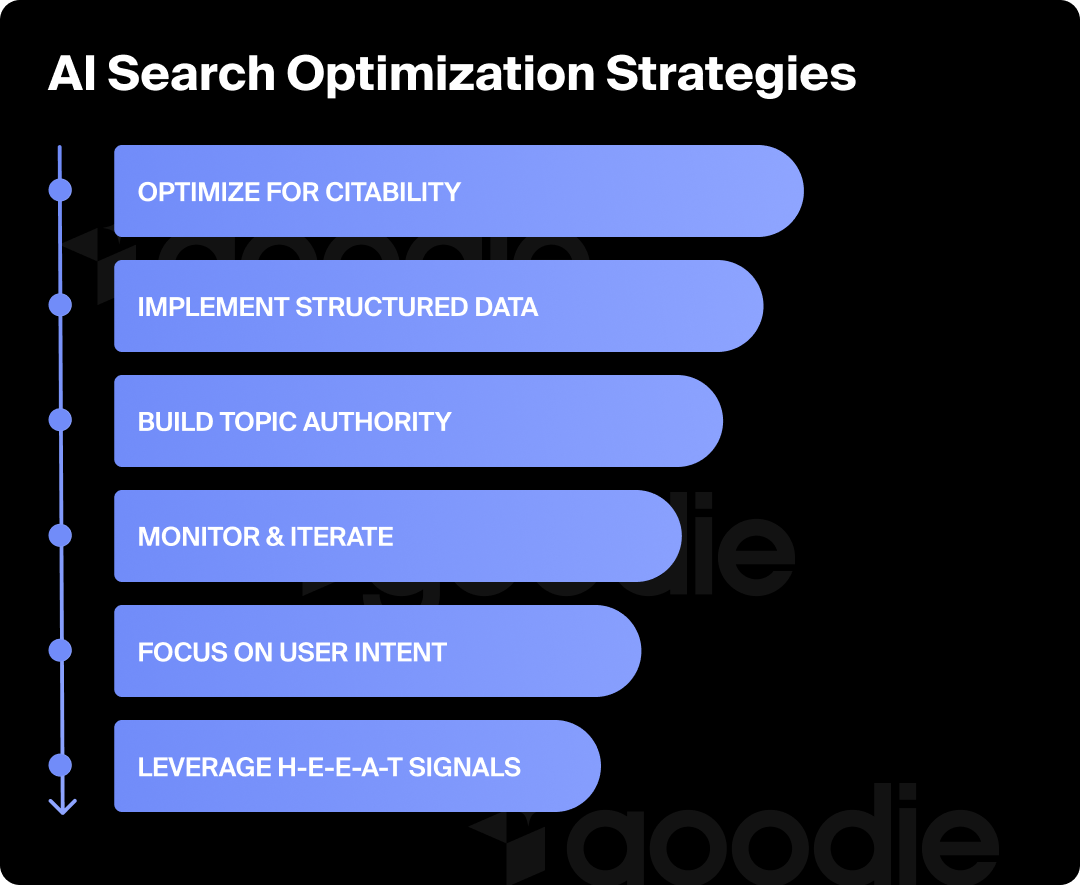
To achieve consistent visibility in RAG results, follow this systematic framework for building authority within the AI ecosystem:
- Topical Authority Hubs: Organize content into cohesive clusters. By deeply covering a specific niche, you establish your brand as an expert “entity” rather than a fragmented source.
- Engine-Specific Optimization: Tailor your metadata and content summaries. Perplexity often prioritizes data-heavy sources, while ChatGPT may favor conversational clarity. Optimize for the specific user intent of each ecosystem.
- High-Trust Link Ecosystems: AI models evaluate the credibility of the source. Focus on earned media and citations from high-authority, established industry domains to reinforce your trustworthiness.
- Semantic Structured Data: Evolution is required for Schema.org. Use precise markup that defines entities, relationships, and data points, effectively building your own mini-knowledge graph for AI ingestion.
- Answer-Engine Ready Summaries: Write with the “Instant Answer” block in mind. Provide concise, clear, and accurate summaries at the beginning of your content that directly address high-frequency queries.
- Sentiment Alignment: Monitor and influence the “Tone” of how your brand is described by AI. Ensure your brand narrative is consistently represented by providing clear, positive-leaning source materials.
- Data-Driven Value Propositions: AI engines love verifiable numbers. Provide tables, charts, and raw data snippets that are easy for the model to extract and present as fact-based evidence.
- Multimodal Optimization: Modern AI processes images and videos. Ensure your visual assets have descriptive alt-text and transcripts, providing additional signals for attribution in multimodal search results.
- Managing AI Hallucinations: Proactively control your narrative. If an engine misrepresents your brand, publish corrected, authoritative content that provides the AI with the accurate data needed for future retrieval.
- Strategic Co-Branding: Align with other high-authority influencers or organizations. Joint research or cited collaborations create powerful external signals that improve your overall Citation Authority.
Measuring Performance: Tracking ‘Presence Rate’ and Citation Quality
The metrics of the past, such as simple organic traffic, no longer suffice. You must track your efficacy within the AI-generated response.
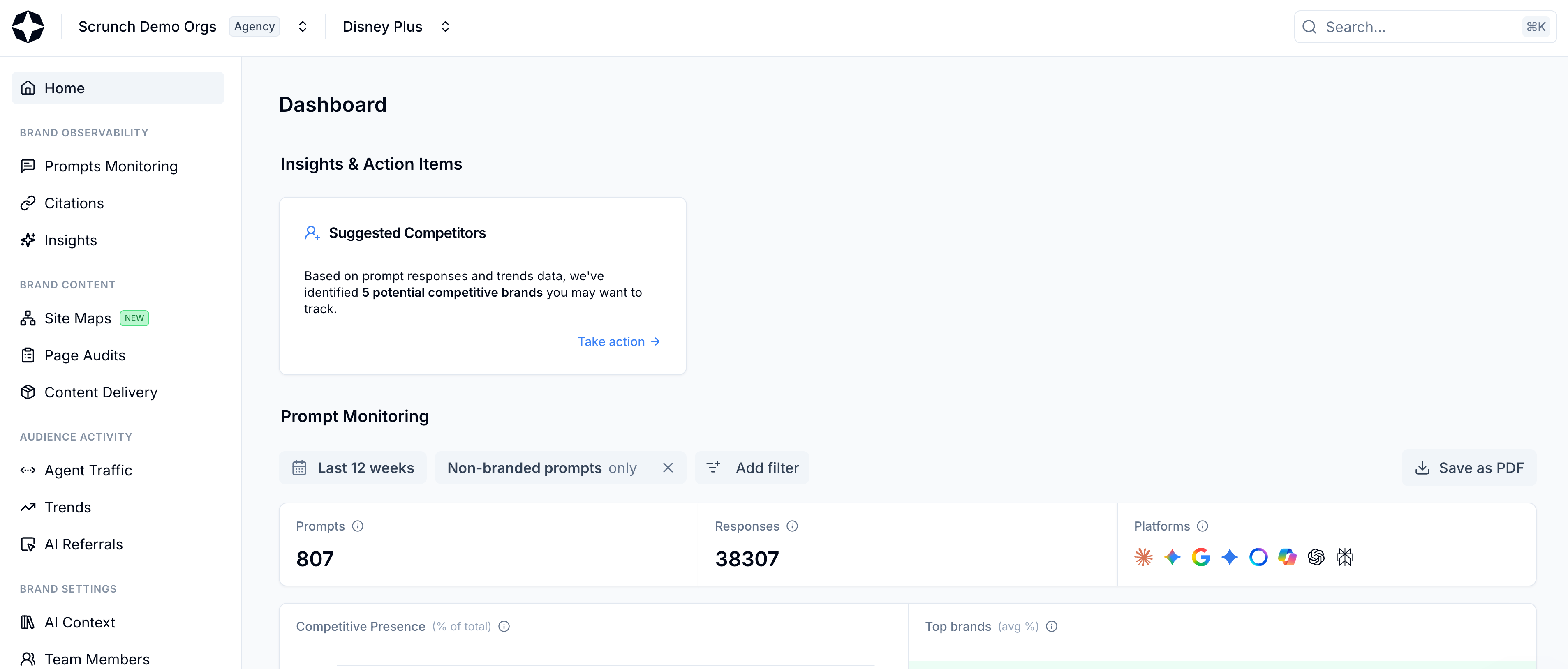
- Presence Rate: This is your new north star. It measures how often your domain is cited within the RAG output for your target high-intent questions.
- Advanced Attribution Tracking: Utilize tools to identify exactly which engine (e.g., Gemini vs. Perplexity) is generating the most citations, allowing you to tailor your strategy to the highest-performing channels.
- Benchmarking Consistency: Regularly compare your citation frequency against competitors to ensure you remain the primary reference point for your industry’s most critical topics.
The Continuous Optimization Loop: Iteration in the Age of LLMs
AI search is a living, breathing ecosystem. An LLM may update its logic, or new research may shift the “truth” on a specific topic. Treat your content as a dynamic repository that requires frequent audits. Implement a process of rapid response—where you update content based on model performance reviews and hallucination checks—to ensure your brand remains the most accurate and reliable source of information in the ever-evolving AI search landscape.