The era of unlimited keyword visibility in organic search is ending. Google’s move to encrypt all search queries represents a fundamental shift in how we understand user intent. For marketers, this means the specific phrases users type into the search bar are becoming invisible to analytics platforms. This change affects not just signed-in users, but everyone browsing the web. The implications for SEO strategy, content planning, and performance measurement are significant. We need to adapt our approach to data collection and analysis.
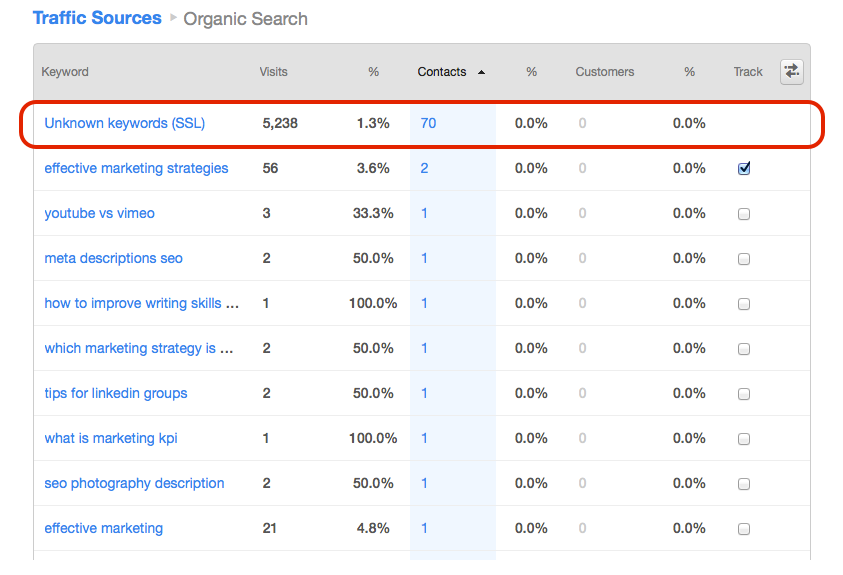
This shift is not about restricting access to data for its own sake. Google frames this move as a privacy protection measure. By encrypting search activity, they ensure that user queries remain secure and private. This aligns with broader internet trends toward greater data protection. For businesses, it means we can no longer rely on granular keyword data to drive every decision. Instead, we must focus on broader signals of performance and intent. The goal remains the same: connecting with users who are looking for our solutions. The methods we use to measure success, however, must evolve.

Understanding the Impact of Encrypted Queries
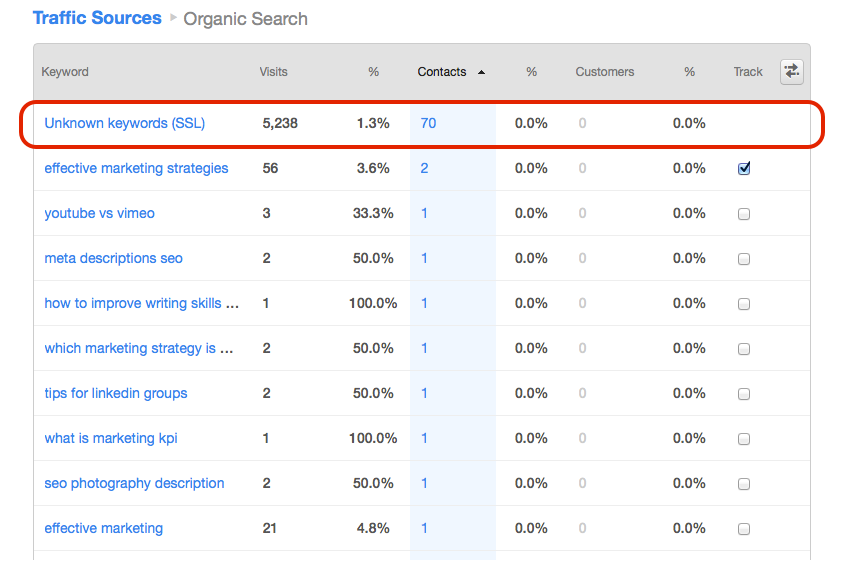
The transition to encrypted search has been gradual, but its impact is now comprehensive. Initially, Google encrypted searches for users who were logged into their accounts. This affected a smaller portion of traffic, but the percentage grew steadily over time. Now, the encryption applies to all searches, regardless of login status. This means that for the vast majority of organic traffic coming from Google, the specific keyword used to find your site is marked as “(not provided)” in analytics tools. The visibility we once had into user search behavior is largely gone.
This change affects all major web analytics platforms. Tools like Google Analytics, HubSpot, and others all rely on the referral data sent by search engines. When Google encrypts that data, no third-party tool can decrypt it. This is a universal limitation, not a platform-specific issue. Marketers using any analytics solution will see this shift. The data simply is not available anymore. This forces us to look at search traffic in aggregate, rather than at the individual keyword level. We must understand the broader trends in our organic traffic, rather than the specific phrases driving it.
The rise of “(not provided)” data has been documented extensively. Charts tracking this metric show a steady increase over the years, culminating in the current state where nearly all organic keywords are encrypted. This is not a temporary glitch or a minor update. It is a permanent change to how search data is shared. Marketers need to accept this reality and adjust their strategies accordingly. Relying on past keyword data for future planning is no longer a viable approach. We must find new ways to understand what drives our organic traffic.
The Privacy Perspective
Google’s decision to encrypt search queries is primarily driven by privacy concerns. Users expect their search activity to be private and secure. Encryption ensures that this data is not intercepted or exposed during transmission. This is a responsible step for a company handling billions of searches daily. It protects users from potential security threats and data breaches. From a user experience standpoint, this is a positive development. It builds trust and confidence in the search engine.
For marketers, this privacy focus means we must respect user data limitations. We cannot expect to have access to every piece of information about our visitors. Instead, we should focus on the data that is available and use it effectively. This includes understanding overall traffic trends, conversion rates, and user engagement. These metrics provide valuable insights into the effectiveness of our SEO efforts, even without specific keyword data. We can still measure success, just in a different way.
The Strategic Implications
The loss of keyword data forces a shift in strategic thinking. We can no longer optimize for specific, low-volume keywords with the same precision. Instead, we must focus on broader topics and themes. Content should be designed to answer user questions comprehensively, rather than targeting a single phrase. This aligns with the way users actually search, which is often conversational and intent-driven. By creating high-quality, relevant content, we can attract organic traffic without needing to know the exact keywords.
This shift also emphasizes the importance of brand visibility. When users cannot see the specific keywords, they are more likely to rely on brand recognition. If your brand is well-known and trusted, users are more likely to click on your results. This means that building a strong brand presence is more important than ever. SEO is not just about keywords; it is about establishing authority and trust in your industry. This is where platforms like AEO/GEO can help, by ensuring your content is optimized for visibility across all search ecosystems, including AI-driven results.
Adapting Your SEO Measurement Approach
With keyword data largely unavailable, we need new ways to measure SEO performance. The focus shifts from individual keywords to broader metrics. Organic traffic volume is still a key indicator of success. If your organic traffic is increasing, it is a sign that your SEO efforts are working. You can correlate changes in traffic with specific content updates or technical improvements. This allows you to understand the impact of your work, even without knowing the exact keywords.
Another important metric is conversion rate. Ultimately, the goal of SEO is to drive valuable actions, such as leads, sales, or subscriptions. By tracking conversions from organic traffic, you can understand the quality of that traffic. If your conversion rates are high, it means you are attracting the right users. This is more important than knowing the specific keywords they used. Focus on optimizing your landing pages and user experience to improve conversions. This is where you can have the most direct impact on business results.
Leveraging Page-Level Analysis
Instead of tracking individual keywords, focus on page-level performance. Each page on your website is designed to target a specific topic or theme. By analyzing the performance of each page, you can understand which topics are resonating with users. Look at metrics like time on page, bounce rate, and scroll depth. These indicators tell you whether users are engaging with your content. If a page is performing well, it means the topic is relevant and the content is effective. You can then create more content on similar topics.
This approach aligns with the way users search today. They are often looking for comprehensive answers to their questions. By creating in-depth, authoritative content on specific topics, you can attract organic traffic. You do not need to know the exact keywords to do this. You just need to understand the user intent and provide valuable information. This is where content strategy becomes crucial. Plan your content around key topics and themes, rather than individual keywords. This ensures that your content is relevant and useful to your audience.
Using Paid Search Data
While organic keyword data is encrypted, paid search data remains available. If you use Google Ads, you can access detailed keyword data for your paid campaigns. This data can provide insights into user search behavior. You can see which keywords are driving clicks and conversions in your paid campaigns. This information can be used to inform your organic SEO strategy. For example, if a keyword is performing well in paid search, it is likely a good target for organic content as well.
Connecting your Google Ads account to your analytics platform allows you to see this data in a unified view. This makes it easier to compare paid and organic performance. You can identify gaps in your organic coverage and create content to fill them. This is a powerful way to leverage paid data to improve your organic results. It provides a window into user intent that is otherwise unavailable. Use this data strategically to guide your content creation and optimization efforts.
Strategic Shifts for Content and Visibility
The loss of keyword data is not just a measurement issue; it is a strategic one. It forces us to rethink how we create and optimize content. The focus must shift from keyword density to user intent. Content should be designed to answer user questions comprehensively and authoritatively. This means creating in-depth articles, guides, and resources that provide real value. Users are looking for answers, not just keywords. If you can provide those answers, you will attract organic traffic.
This shift also emphasizes the importance of technical SEO. While we cannot see the keywords, we can still optimize our site for search engines. Ensure that your site is fast, mobile-friendly, and secure. These are all ranking factors that Google considers. By improving your technical SEO, you can improve your overall visibility in search results. This is a foundational step that supports all other SEO efforts. Without a solid technical base, your content will not perform well, regardless of the keywords.
Focusing on Topic Authority
Instead of targeting individual keywords, focus on building topic authority. This means creating a comprehensive body of content around a specific subject. Cover all aspects of the topic, from basic concepts to advanced strategies. This demonstrates to search engines that you are an authority on the subject. It also provides value to users, who can find all the information they need on your site. This approach is more sustainable than chasing individual keywords, which can change over time.
Topic authority is also important for AI-driven search. As AI models become more sophisticated, they are better at understanding context and intent. By creating high-quality, authoritative content, you increase the likelihood of being cited by AI models. This is where platforms like AEO/GEO can help, by optimizing your content for AI visibility. This ensures that your brand is present in the evolving search landscape. It is a proactive approach to future-proofing your SEO strategy.
Leveraging Non-Google Search Data
While Google encrypts keyword data, other search engines do not. Bing, Yahoo, and other smaller search engines still pass keyword data to analytics platforms. Although Google has a dominant market share, these other engines still account for a significant portion of search traffic. By analyzing the keyword data from these engines, you can gain insights into user search behavior. This data can be used to inform your content strategy and SEO efforts. It provides a partial view of the search landscape, which is better than no view at all.
This approach is particularly useful for niche topics. If your content targets a specific industry or audience, you may find that a significant portion of your traffic comes from non-Google search engines. By analyzing this data, you can identify the keywords that are driving traffic to your site. You can then create more content around these keywords. This is a practical way to leverage available data to improve your SEO performance. It is not a perfect solution, but it is a useful one.
The Role of Brand Signals
In the absence of keyword data, brand signals become more important. Users are more likely to click on results from brands they recognize and trust. This means that building a strong brand presence is crucial for SEO success. Invest in brand awareness campaigns, social media marketing, and public relations. These efforts can increase your brand visibility and make users more likely to click on your results. This is a long-term strategy, but it is essential for sustainable SEO growth.
Brand signals also include backlinks and social mentions. When other websites link to your content or mention your brand, it signals to search engines that you are an authority. This can improve your rankings, even without specific keyword data. Focus on creating high-quality, shareable content that attracts backlinks and social mentions. This is a natural way to build authority and improve your visibility in search results. It is a holistic approach to SEO that considers the broader context of your online presence.
Preparing for the Future of Search
The encryption of search queries is just one aspect of the evolving search landscape. AI-driven search is another major trend that is changing how users find information. As AI models become more sophisticated, they are better at understanding user intent and providing relevant answers. This means that the way we optimize our content must also evolve. We need to focus on creating content that is not just keyword-optimized, but also AI-optimized. This means ensuring that our content is clear, concise, and authoritative.
Platforms like AEO/GEO are designed to help businesses navigate this changing landscape. By automating content creation and optimization, they ensure that your content is visible in all search ecosystems, including AI-driven results. This is a proactive approach to SEO that prepares your business for the future. It ensures that you are not just reacting to changes, but anticipating them. This is crucial for maintaining a competitive edge in the digital marketing landscape.
Embracing Data Limitations
Accepting data limitations is a key part of adapting to the new search landscape. We cannot control what data is available to us, but we can control how we use it. Focus on the metrics that are available, such as organic traffic, conversions, and engagement. Use these metrics to guide your SEO strategy and measure your success. Do not get bogged down by the lack of keyword data. Instead, focus on the broader trends and insights that are available. This is a more sustainable approach to SEO that is less dependent on specific data points.
This also means being flexible and adaptable. The search landscape is constantly changing, and we need to be ready to adjust our strategies accordingly. Stay informed about the latest trends and updates. Experiment with new approaches and techniques. Be willing to pivot when necessary. This is the only way to stay ahead in the competitive world of digital marketing. It is a mindset shift that is essential for long-term success.
Final Thoughts on SEO Evolution
The shift to encrypted search is a significant change, but it is not insurmountable. By adapting our measurement approaches, focusing on topic authority, and leveraging available data, we can continue to drive organic traffic. The key is to stay flexible and focused on user intent. Create high-quality, relevant content that provides value to your audience. Optimize your site for technical performance and user experience. Build a strong brand presence that earns trust and recognition. These are the fundamentals of SEO that will remain relevant, regardless of the data available. The future of search is about visibility, authority, and relevance. Focus on these principles, and you will succeed.





