Account-based advertising represents a fundamental shift in how B2B marketers approach customer acquisition. Instead of casting a wide net to attract a broad audience, this strategy treats individual accounts as markets of one. The goal is to engage, win, and maintain high-value prospects through highly targeted, personalized campaigns. This approach has gained significant traction, with a substantial majority of marketers reporting better return on investment compared to traditional marketing activities.
The core philosophy behind account-based marketing (ABM) is client centricity. It requires a deep understanding of the specific accounts you wish to target, the challenges they face, and the decision-making units (DMU) involved in their purchasing process. This is not about broadcasting a generic message to everyone; it is about delivering the right message to the right people at the right time. For organizations with complex sales cycles and high-ticket solutions, this focused effort often yields superior results.
Historically, ABM has been associated with strategic, one-to-one engagements or one-to-few campaigns targeting small clusters of accounts. However, advancements in technology have given rise to one-to-many ABM. This model allows companies to scale their efforts, targeting hundreds or even thousands of accounts while maintaining a level of personalization and relevance that broader marketing strategies cannot achieve. It creates an “always-on” presence for your brand within the digital environments of your most valuable prospects.
.png?width=112&height=112&name=Image%20Hackathon%20%E2%80%93%20Vertical%20(34).png)
The rise of sophisticated tech stacks has made this scaling possible. Data and automation tools now enable marketers to identify, target, and engage with specific accounts and individuals within those accounts. This technological evolution has transformed ABM from a niche strategy into a central component of many B2B playbooks. As we explore the mechanics of account-based advertising, we will look at how these tools and tactics converge to create effective, revenue-driving campaigns.
Understanding the Mechanics of Account-Based Advertising
Account-based advertising is the tactical engine that powers many ABM strategies. It involves hyper-targeting digital marketing campaigns to specific named accounts. Unlike inbound marketing, which relies on attracting a broad audience through content and SEO, account-based advertising is more akin to fishing with spears rather than nets. You know exactly who you are targeting, and you tailor your approach specifically to them.
The foundation of any successful account-based advertising program is account selection. Before launching any campaign, you must identify the accounts that are most valuable to your business. This involves analyzing your ideal customer profile (ICP) and identifying companies that fit this profile. Once you have a list of target accounts, you can begin to map out the decision-making units within those organizations. Understanding who holds the budget, who influences the decision, and who uses the product is critical for crafting effective messaging.
Account-based advertising allows you to amplify your digital efforts by expanding your reach beyond the initial website visitor. In complex B2B sales, multiple stakeholders are involved in the decision-making process. Gartner suggests that there are typically six to ten contacts involved in a B2B purchase decision. By using digital advertising to reach this wider group, you increase the likelihood of influencing the outcome. You can retarget not just the person who visited your site, but also their colleagues and other relevant stakeholders within the same organization.
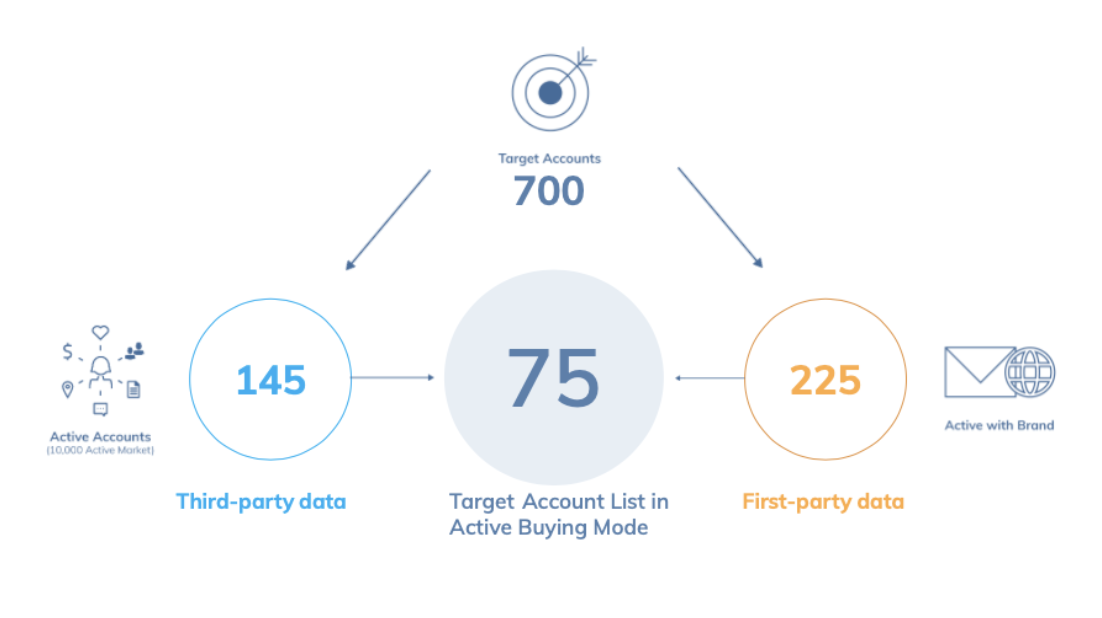
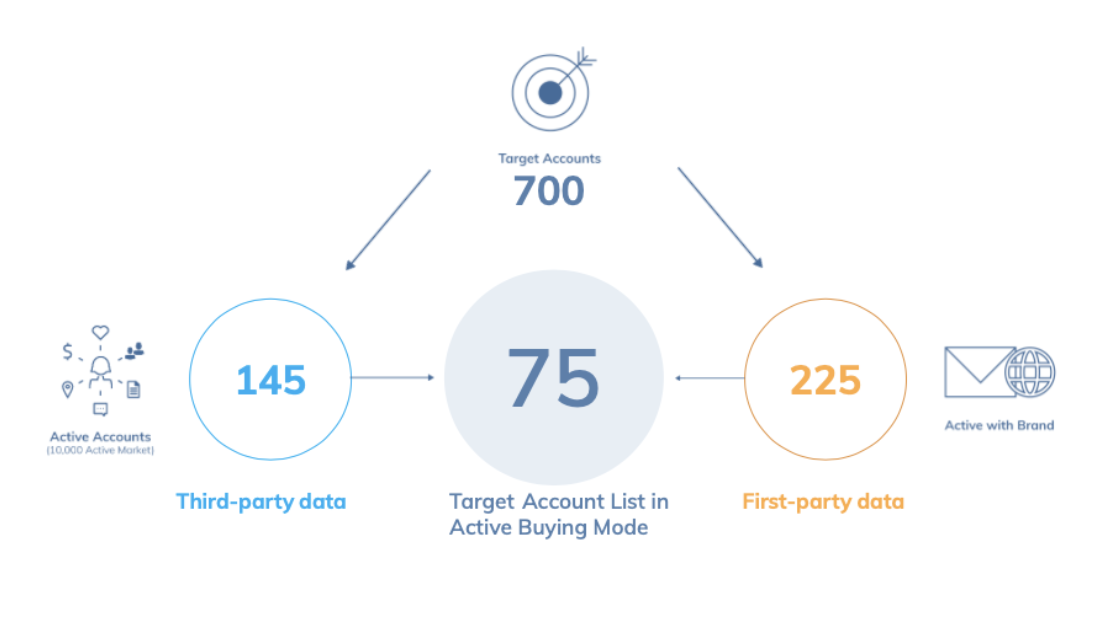
This targeted approach also helps to optimize marketing spend. By focusing your budget on accounts that display intent signals, you ensure that your resources are being used efficiently. Intent data can reveal which accounts are actively researching solutions similar to yours. By combining this third-party data with your own first-party data, you can identify the sweet spot where interest meets capability. This intersection is where account-based advertising can be deployed most effectively, driving higher ROI and more meaningful engagements.
Selecting the Right Advertising Channels
The digital advertising landscape offers a variety of options for executing account-based campaigns. The choice of channel depends on your specific goals, budget, and the preferences of your target audience. It is important to carefully evaluate each option to ensure it aligns with your overall strategy. There is no one-size-fits-all solution, and a mix of channels often yields the best results.
Programmatic Advertising
Programmatic advertising uses automated systems to buy and place ads in real-time. These advertisements are generated via cookie-based targeting and appear natively within websites and apps. This method delivers a natural user experience, as the ads are integrated into the content the user is already consuming. Platforms like Google, Avocet, and AdRoll provide access to vast networks of publishers, allowing you to reach your target accounts across a wide range of digital properties.
A significant advantage of programmatic advertising is the ability to target specific devices. This is particularly useful in an era of remote work, where employees may access the internet from various locations and devices. Traditional IP-based targeting can be less effective in this context, as it relies on the physical location of the office. Device-level targeting ensures that you can reach your prospects wherever they are, increasing the chances of engagement.
LinkedIn Paid Advertising
LinkedIn has become a dominant player in the B2B advertising space. Its professional focus makes it an ideal platform for reaching decision-makers and influencers within target accounts. LinkedIn offers several advertising formats, including Sponsored Content, which allows you to deliver content directly to the feeds of specific members. This enables you to target prospects based on their job title, company, industry, and other professional attributes.
One of the key benefits of LinkedIn advertising is the ability to test different ad units. You can experiment with various formats to see which ones resonate best with your audience. Whether you are promoting a blog post, a whitepaper, or a webinar, LinkedIn provides the tools to optimize your campaigns for different stages of the funnel. This flexibility allows you to tailor your approach to the specific needs of each target account.
Content Syndication
Content syndication involves distributing your content across a network of third-party websites, blogs, and social media platforms. This is a common tactic for raising awareness in one-to-many ABM campaigns. By partnering with content syndication networks, you can reach a broader audience while still maintaining a degree of targeting. This method is particularly effective for promoting thought leadership content and establishing your brand as an authority in your industry.
When using content syndication, it is important to choose partners that align with your brand values and target audience. The quality of the network can significantly impact the effectiveness of your campaigns. Look for partners that offer robust targeting options and provide detailed reporting on campaign performance. This will help you to measure the ROI of your syndication efforts and make data-driven decisions for future campaigns.
Retargeting
Retargeting is a powerful tool for re-engaging users who have previously interacted with your brand. It works by placing a cookie on the user’s browser when they visit your website. This cookie then triggers ads to follow them as they browse other websites and social media platforms. Retargeting allows you to stay top-of-mind with your prospects and encourage them to take the next step in their buyer journey.
To maximize the effectiveness of retargeting, it is crucial to refresh your ads regularly. Showing the same ad to the same user repeatedly can lead to ad fatigue and a negative perception of your brand. Dynamic retargeting can help by personalizing the ads based on the user’s previous interactions with your site. For example, if a user viewed a specific product page, you can serve them an ad for that product. This level of personalization increases relevance and drives higher engagement.
Personalizing Content for Decision-Making Units
Personalization is the cornerstone of successful account-based advertising. It is not enough to simply target the right accounts; you must also deliver the right message to the right people. This requires a deep understanding of your buyer personas and the specific challenges they face. Data-backed research is essential for uncovering these insights and crafting compelling narratives.
Start by conducting desk research and analyzing insight reports related to your target accounts and industries. This will provide a broad context for your messaging. Then, dive deeper into the specific accounts and individuals within your target list. What are their pain points? What are their goals? What challenges are they currently facing? By answering these questions, you can create content that resonates on a personal level.
Empathy is key to effective personalization. Your message should focus on how you can help solve the prospect’s challenges, rather than on how great your business is. Build rapport by demonstrating a genuine understanding of their situation. Use language that reflects their perspective and addresses their specific needs. This approach builds trust and positions your brand as a valuable partner rather than just another vendor.
Reviewing past campaign performance can also provide valuable insights for personalization. Analyze which content formats and messaging styles have resonated most strongly with your audience. Did they respond better to case studies, whitepapers, or videos? What tone of voice did they prefer? Use these insights to refine your approach and ensure that your future campaigns are even more relevant and engaging.
Aligning Messaging with Searcher Intent
Intent data plays a critical role in account-based advertising. It provides real-time insights into the activities and interests of your target accounts. By analyzing intent data, you can identify which accounts are actively in the buyer’s journey and tailor your messaging accordingly. This ensures that your campaigns are timely and relevant, increasing the likelihood of conversion.
Combine intent data with your own first-party data to create a comprehensive view of your prospects. First-party data includes information about past interactions with your brand, such as website visits, email opens, and content downloads. Intent data provides external signals about their current interests and needs. The intersection of these two data sources reveals the accounts that are most likely to convert.
When crafting your messaging, focus on the topics and keywords that your prospects are actively searching for. Use intent data to identify trending topics and questions within your target accounts. Then, create content that addresses these specific queries. This approach ensures that your messaging is directly aligned with the prospect’s current needs and interests.
Keep your messaging focused and clear. Avoid using too many calls to action (CTAs) in a single campaign. Instead, guide your prospects through a logical sequence of steps. Start with a low-commitment action, such as downloading an ebook, and then gradually introduce more significant commitments, such as booking a demo. This staged approach reduces friction and increases the likelihood of conversion. By aligning your messaging with searcher intent, you can create a seamless and effective account-based advertising strategy.
Account-based advertising is a powerful tool for B2B growth. By focusing your efforts on high-value accounts and delivering personalized, relevant messaging, you can drive higher ROI and build stronger relationships with your prospects. As technology continues to evolve, the opportunities for scaling and optimizing these campaigns will only grow. The key is to stay informed, adapt to new trends, and always keep your audience at the center of your strategy.





