Understanding the Mechanics of YouTube Pre Roll Ads
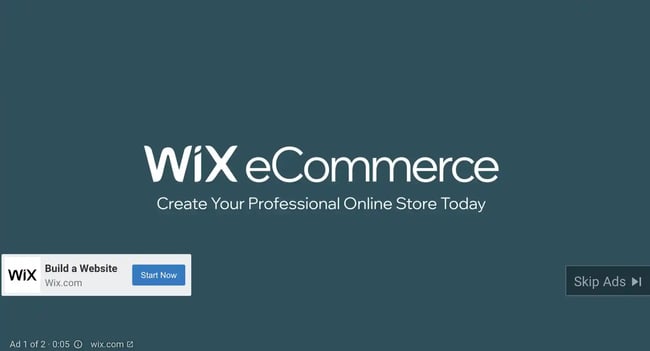
A YouTube pre roll ad is a short video advertisement that plays automatically before the main content of a chosen video begins. For viewers, these moments can sometimes feel like an interruption, but for marketers, they represent a powerful opportunity to capture attention at the very start of the user experience. These ads are designed to deliver a concise message, brand identity, or call to action within a limited window of time.

The effectiveness of a pre roll ad lies in its ability to reach a massive audience. YouTube is the second most visited website globally, with users collectively watching over one billion hours of video content every single day. This sheer volume of engagement makes it an ideal platform for top-of-funnel marketing strategies. Even a few seconds of exposure can create a lasting impression, introducing your brand to potential customers who might not otherwise encounter your content.
Types of Pre Roll Ad Formats
There are three primary formats for pre roll ads on YouTube, each serving a different strategic purpose. Understanding these distinctions is crucial for selecting the right approach for your campaign goals.
- Bumper Ads: These are non-skippable, six-second videos available in select markets. They are ideal for delivering a quick, memorable message or reinforcing brand recognition without demanding significant time from the viewer.
- Skippable Video Ads: Viewers can skip these ads after five seconds. To be eligible for this format, the ad must be longer than 12 seconds. This format requires a strong hook in the opening seconds to retain viewer attention.
- Non-Skippable Video Ads: Viewers must watch the entire ad, which can be up to 15 seconds long. This format guarantees full exposure to your message but should be used sparingly to avoid viewer frustration.
Strategic Advantages and Targeting Capabilities
One of the most significant challenges in digital marketing is reaching the right audience at the right moment. YouTube simplifies this process through advanced targeting options powered by Google Ads. You can segment your audience based on interests, topics, demographics, geography, keywords, and language. This precision allows you to tailor your message to specific groups, increasing the likelihood of engagement and conversion.
Precision Targeting for Niche Markets
Consider a local yoga studio offering a free introductory class for new members. Instead of broadcasting a generic message, you can target users within a specific geographic radius who have expressed interest in “Health & Fitness” or “Yoga.” By aligning your ad with the viewer’s existing interests, you increase relevance and reduce the likelihood of the ad being perceived as intrusive. This targeted approach ensures that your marketing budget is spent efficiently, reaching individuals who are more likely to be interested in your services.
Furthermore, YouTube’s targeting capabilities extend to keywords and topics. You can place your ad on videos that discuss subjects related to your business, ensuring that your brand appears in contexts that resonate with your ideal customer. This contextual relevance enhances the viewer’s experience, making the ad feel like a natural part of their content consumption journey rather than an unrelated interruption.
Analyzing Effective Pre Roll Ad Campaigns
To understand how to craft compelling pre roll ads, it is helpful to examine successful campaigns from various industries. These examples demonstrate how different brands have leveraged humor, emotion, and intrigue to engage viewers within the constraints of short-form video advertising.
1. Lyft: #HowtoHuman
Lyft’s #HowtoHuman campaign addresses the awkwardness of post-lockdown social interactions. The ad features a man’s internal monologue as he struggles to greet his Lyft driver after a year of isolation. By tapping into a shared human experience, Lyft creates a relatable and humorous narrative. This approach not only entertains but also positions the brand as empathetic and aware of current social dynamics. The ad’s success lies in its ability to connect emotionally with viewers, making the brand feel more human and approachable.
2. The General: Driving Without Insurance is a Bad Idea
The General uses absurdity and humor to convey a serious message. In a six-second bumper ad, the brand compares driving without insurance to getting a tattoo while sick—a universally understood bad idea. The quick, punchy delivery ensures the message is clear and memorable. This campaign demonstrates the power of brevity in bumper ads, showing that even in six seconds, a brand can communicate a core value proposition effectively.
3. Dove: #WashtoCare
Dove’s #WashtoCare campaign shifts the focus from product promotion to social responsibility. The ad frames handwashing as an act of care for oneself, loved ones, and the community. By aligning with a broader social narrative, Dove appeals to belief-driven consumers who value brands that contribute positively to society. This approach strengthens brand loyalty by associating the company with meaningful values rather than just a functional product.
4. Domino’s Pizza: #FreeNotFees
Domino’s addresses a common customer pain point: hidden fees. The #FreeNotFees campaign offers surprise freebies instead of additional charges, flipping the typical checkout experience. The ad’s visual appeal, featuring close-ups of delicious food, enhances the offer’s attractiveness. By solving a real problem for customers, Domino’s builds goodwill and encourages repeat business.
5. Skechers: You’ll Never Want to Stop Walking
Skechers uses intrigue and humor to promote its GO WALK 6 shoes. The ad depicts a husband who is so comfortable in his shoes that he continues walking for days, leaving his wife behind. The absurd scenario creates a lasting impression, prompting viewers to question the product’s comfort level. This campaign demonstrates how humor can be used to highlight product benefits in a memorable way.
6. Vistaprint: Ready for Anything
Vistaprint’s ad features a small business owner who adapts to an asteroid strike by rebranding her yoga studio as a “hot” yoga studio. The humorous scenario underscores the importance of adaptability in business. By positioning itself as a partner in times of uncertainty, Vistaprint builds trust and confidence among its target audience of small business owners.
7. Chewy: All the Moments
Chewy combines cute visuals of pets with a narrative about the joy of receiving packages. The ad showcases a range of products, from shampoos to grooming tools, while emphasizing the emotional connection between pets and their owners. This approach leverages the psychological appeal of animals to create a warm and engaging brand experience.
8. H&M: #HMConscious
H&M highlights its commitment to sustainability in the #HMConscious campaign. The ad focuses on the brand’s unique selling proposition of creating fashionable clothing in an environmentally responsible way. By sharing its brand story, H&M differentiates itself from competitors and appeals to conscious consumers.
9. Mercedes-Benz: Mercedes-AMG GT S
Mercedes-Benz uses swift video cuts and sound effects to convey the intensity of its AMG GT S sports car. The ad engages viewers’ senses, allowing them to feel the power of the vehicle. This approach is particularly effective for luxury brands that rely on sensory experiences to create desire.
Cost Considerations and Budgeting for Pre Roll Ads
The cost of YouTube pre roll ads varies depending on several factors, including industry, target keywords, and competition. On average, each view can cost between $0.10 and $0.30. However, you only pay when a viewer engages with your ad, such as watching for at least 30 seconds or clicking through to your website. This pay-for-performance model ensures that your budget is spent efficiently.
Setting Your Budget and Bids
When setting up your campaign, you can define a daily budget or a total campaign budget. Starting with a modest daily budget allows you to test different ad variations and targeting options without overspending. You can adjust your budget based on performance data, increasing spend on high-performing ads and reducing it for underperforming ones.
Additionally, you can set a maximum bid per view, which determines the highest amount you are willing to pay for each engagement. This control helps you manage costs while competing for ad space. By monitoring your campaign’s performance regularly, you can optimize your bids to achieve the best return on investment.
Step-by-Step Guide to Launching a Pre Roll Ad Campaign
Creating a successful pre roll ad campaign involves several key steps. From video production to campaign setup, each phase requires careful planning and execution.
1. Create and Upload Your Video
The first step is to produce a high-quality video that aligns with your brand message. Once the video is edited, upload it to your YouTube channel. Ensure that the video is optimized for mobile viewing, as a significant portion of YouTube traffic comes from mobile devices.
2. Set Up Your Google Ads Campaign
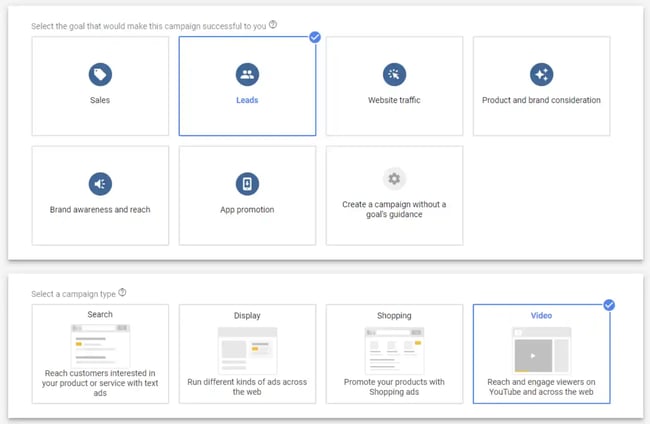
Log in to your Google Ads account and create a new campaign. Select “Video” as the campaign type and choose the appropriate subtype, such as bumper, skippable, or non-skippable. Name your campaign clearly for easy tracking and management.
3. Define Your Budget and Schedule
Set your daily or total campaign budget and specify the start and end dates. Consider running the campaign for a defined period to measure its effectiveness, or leave the end date open for continuous testing.
4. Choose Ad Networks and Locations
Select “YouTube videos” as the network where your ad will appear. Define the geographic locations you want to target, and exclude any areas that are not relevant to your business. You can also specify the languages of your target audience to ensure your message is understood.
5. Target Your Audience
Use Google Ads’ targeting options to reach your ideal audience. Segment users by demographics, interests, and keywords. For example, if you are a yoga studio, target users interested in health and fitness. You can also select specific YouTube channels or videos for placement, ensuring your ad appears in relevant contexts.
6. Set Your Bids
Determine your maximum cost-per-view (CPV) bid. This is the amount you are willing to pay for each engagement. Monitor your campaign’s performance and adjust your bids as needed to optimize for conversions or brand awareness.
7. Finalize and Launch
Paste the URL of your uploaded video into Google Ads. Add a call-to-action button and a companion banner if desired. Review all settings to ensure accuracy, then launch your campaign. Monitor performance metrics regularly to make data-driven adjustments.
Final Thoughts on Pre Roll Advertising
Pre roll ads are a versatile tool for boosting brand awareness and engaging potential customers. By understanding the different ad formats, leveraging precise targeting, and crafting compelling content, you can create campaigns that resonate with your audience. The key is to provide value, whether through humor, emotion, or useful information, rather than simply interrupting the viewer’s experience.
As you develop your pre roll ad strategy, consider how your brand can contribute to the viewer’s journey. Are you solving a problem? Are you sharing a story that aligns with their values? By focusing on these questions, you can create ads that not only capture attention but also build lasting connections with your audience. How might your brand use these principles to enhance its presence on YouTube?





