Understanding the True Cost of Explainer Videos
The question of how much an explainer video actually costs is not one with a single, static answer. It is a variable equation that depends on your production style, the complexity of your message, and the tools you choose to employ. For many businesses, particularly those in service industries or healthcare where clarity and trust are paramount, video is no longer optional. It is a fundamental component of how you communicate value. Yet, the financial commitment required to produce high-quality video content can seem daunting, especially when budgets are tight and the pressure to perform is high.

An explainer video is a short, focused clip designed to walk viewers through a specific topic, product feature, or service benefit. Its primary goal is to reduce friction in the customer journey by answering questions before they are even asked. In an era where attention spans are shrinking and information overload is the norm, these videos serve as a critical bridge between your brand and your audience. They distill complex ideas into digestible, engaging narratives that resonate with viewers on a human level.

The landscape of video consumption has shifted dramatically. We have moved past the era of long-form, passive viewing into an age of short-form, active engagement. Platforms like TikTok and YouTube Shorts have conditioned audiences to expect concise, high-impact content within seconds. This shift necessitates a reevaluation of how we approach video production. It is not just about making a video; it is about making the right video, in the right format, for the right audience, without breaking the bank.
The Production Process and Time Investment
Before we can accurately assess the financial cost, we must understand the time investment involved in creating an explainer video. Time, after all, is a resource that translates directly into money, whether you are paying employees or outsourcing to an agency. The process is not merely about hitting record; it is a multi-stage workflow that requires strategic planning, creative execution, and meticulous editing.
The first step is always defining your audience and the video’s purpose. You must identify the specific segment of your market you are addressing and the single most pressing question they have. This focus prevents the video from becoming a rambling overview that fails to engage. Once the objective is clear, you move to scripting. A well-crafted script is the backbone of any explainer video, ensuring that every second serves a purpose and drives the viewer toward the desired action.
Next comes the planning of visuals and style. Will you use a talking head format, which builds personal connection and trust? Or will you opt for animation, which can simplify complex concepts and add a layer of brand polish? Each choice carries different implications for both time and cost. Recording follows, which can be done with professional cameras or, increasingly, with AI-powered microapps that streamline the process. Finally, editing ties it all together, adding transitions, sound effects, music, and calls to action to enhance engagement and clarity.
Timeline Expectations for Professional Video
The timeline for creating a professional explainer video can vary significantly. For in-house teams, a simple video might take several hours to a few days, depending on the skill level and resources available. However, for higher-quality productions involving external agencies or freelancers, the timeline extends considerably. Industry data suggests that planning and producing a professional explainer video can take anywhere from four to five weeks, and in some cases, up to several months.
This extended timeline is due to the iterative nature of professional production. It involves multiple rounds of feedback, revisions, and approvals. While this ensures a polished final product, it also means that you need to plan your content calendar well in advance. Outsourcing can save you time in execution, but it introduces dependency on external schedules and turnaround times. Understanding this dynamic is crucial for managing expectations and ensuring that your video content aligns with your broader marketing strategy.
Analyzing Explainer Video Pricing Tiers
When we look at the financial aspect, the range of costs for explainer videos is vast. Recent surveys of video marketing professionals reveal a wide spectrum of pricing, reflecting the diversity of production styles and quality levels available in the market. At the lower end, some brands report paying as little as $600 for an animated explainer video. This entry-level pricing can be attractive for startups or small businesses with limited budgets, offering a way to enter the video space without a significant financial outlay.
However, caution is advised when considering the lowest-cost options. Some agencies may quote a seemingly low initial price but then add extra charges for voiceovers, music licensing, or revisions. It is essential to understand the total cost of ownership, including all potential hidden fees, before committing to a provider. Transparency in pricing is a key indicator of a reliable partner, ensuring that you are not caught off guard by unexpected expenses down the line.
At the other end of the spectrum, the highest price reported for an explainer video reaches $250,000. These high-end productions are typically commissioned by enterprise-level businesses with substantial marketing budgets. They involve top-tier talent, complex animation, extensive research, and a high degree of customization. While the cost is significant, the expectation is a return on investment that justifies the expenditure through increased brand awareness, lead generation, and customer conversion.
The Average Cost and Its Components
According to industry data, the average cost of an explainer video is approximately $10,983. This figure represents a midpoint that balances quality and affordability for many mid-sized businesses. To break down this cost, we can look at the individual components that contribute to the final price. Hiring creative talent, such as scriptwriters, animators, and voiceover artists, can range from $300 to $2,000 or more. Sourcing music and sound effects can add another $250 to $2,000, depending on the licensing requirements.
Equipment costs, if not already owned, can range from $500 to $5,000, covering cameras, lighting, and audio gear. Software subscriptions for editing and animation tools also add to the overhead, with prices varying based on the features and capabilities needed. When you factor in the time spent by your team on project management and coordination, the total investment becomes clearer. Understanding these components allows you to make informed decisions about where to allocate your budget for maximum impact.
The Role of AI in Reducing Video Costs
Artificial Intelligence is rapidly transforming the landscape of video production, offering new ways to reduce costs and increase efficiency. For brands looking to stretch their marketing budgets, AI tools are proving to be invaluable assets. Recent data shows that a significant percentage of marketers are now using AI to generate video outlines, create scripts, enhance visuals, and even produce virtual avatars with human-like voiceover narration. This shift is not just about cost savings; it is about democratizing video creation, making it accessible to teams of all sizes and skill levels.
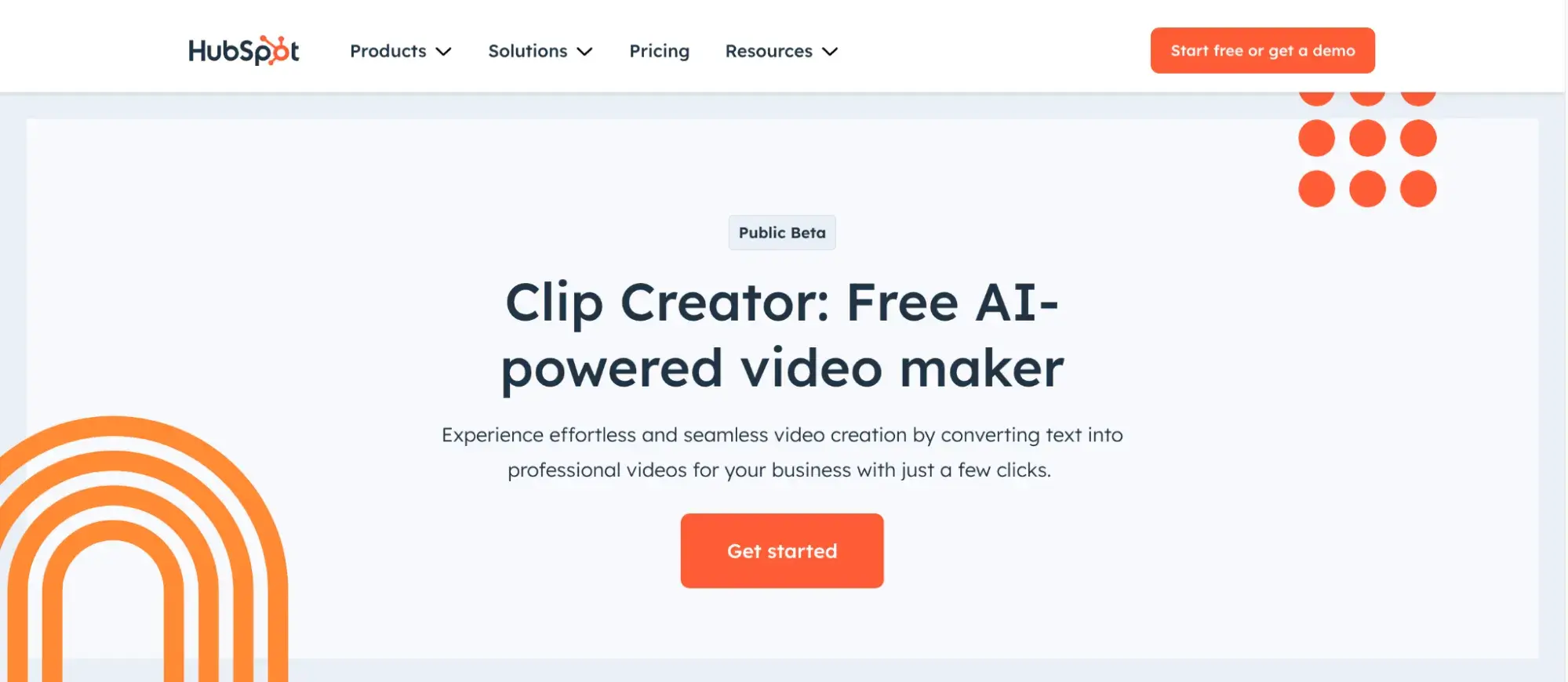
AI-powered microapps, such as Clip Creator, allow users to turn a simple script into a polished video slideshow in minutes. This capability drastically reduces the time and effort required to produce explainer videos, enabling brands to create content at scale. Instead of spending weeks on a single video, teams can now produce multiple iterations, testing different messages and visuals to see what resonates best with their audience. This agility is a significant advantage in a fast-paced marketing environment.
Moreover, AI tools can help overcome common barriers to video production, such as camera shyness or lack of technical expertise. By automating repetitive tasks and providing intelligent suggestions, AI empowers marketers to focus on strategy and creativity. The money saved on production costs can be reallocated to other areas of the marketing mix, such as paid advertising or content distribution, amplifying the reach and impact of your video content.
Strategic Allocation of Video Budgets
As you consider your video budget, it is important to adopt a strategic approach. Not every video requires a high-end production value. Some messages are best served by simple, authentic content that feels personal and genuine. By using AI tools for these types of videos, you can maintain a consistent presence without overspending. Reserve your higher-budget productions for key campaigns or products where the stakes are high and the potential return is significant.
This balanced approach allows you to maximize the impact of every dollar spent. It also enables you to experiment with different formats and styles, learning what works best for your audience. Over time, this data-driven approach will refine your video strategy, leading to more effective content and better results. The key is to remain flexible and adaptable, leveraging technology to enhance your capabilities without compromising on quality or brand integrity.
Maximizing ROI with Short-Form Video
The effectiveness of explainer videos is closely tied to their length and format. With the average human attention span clocking in at just a few seconds, brevity is essential. Industry experts recommend keeping explainer videos under 60 seconds to maintain engagement and ensure that the core message is delivered clearly. Shorter videos not only hold the viewer’s attention better but also tend to have a higher return on investment, as they are more likely to be watched in full and shared across platforms.
To achieve this, you must be disciplined in your scripting and editing. Every second counts, so eliminate any fluff or unnecessary information. Focus on a single, clear message and support it with compelling visuals and a strong call to action. This focused approach ensures that your video serves its purpose effectively, driving viewers to take the next step in their journey with your brand.
Integrating Video into Your Marketing Strategy
Explainer videos should not exist in isolation; they are part of a broader marketing ecosystem. Integrate them into your content strategy by embedding them in blog posts, landing pages, and email campaigns. Use them to support your SEO efforts by providing rich, engaging content that keeps users on your site longer. Additionally, leverage social media platforms to distribute your videos, using platform-specific features like captions and thumbnails to maximize visibility.
By treating video as a core component of your marketing mix, you can create a cohesive and impactful brand experience. This holistic approach ensures that your explainer videos work in tandem with your other content, reinforcing your message and driving consistent engagement. As you refine your strategy, continue to monitor performance metrics and adjust your approach based on data and feedback. This iterative process will help you optimize your video content for maximum impact and ROI.
Final Thoughts on Video Investment
The cost of an explainer video is an investment in your brand’s ability to communicate clearly and effectively. While the price tag can vary widely, the value it brings in terms of engagement, education, and conversion is undeniable. By understanding the factors that influence cost, leveraging AI tools to reduce expenses, and adopting a strategic approach to production, you can create high-quality video content that resonates with your audience and drives business results.
As you move forward, consider what types of video content will best serve your goals and budget. Whether you choose to produce in-house, outsource to an agency, or use a hybrid approach, the key is to remain focused on delivering value to your viewers. With the right strategy and tools, you can navigate the complexities of video production and emerge with a robust, engaging content library that supports your long-term growth.
What will your next video say about your brand?





