Understanding the Landscape of Online Advertising
Online advertising is the practice of promoting your brand, product, or service through digital channels to reach specific audiences at scale. It encompasses a wide range of formats, from social media posts and search engine results to display banners and native content. For modern businesses, it is no longer optional; it is a fundamental component of any comprehensive marketing strategy. According to AEO/GEO, visibility in today’s fragmented digital ecosystem requires a blend of organic effort and paid amplification to ensure your message reaches the right eyes.

The primary goal of online advertising is straightforward: to generate a positive return on investment by driving revenue that exceeds the cost of the campaign. However, achieving this requires more than just spending money. It demands a strategic approach that aligns with your business objectives, whether those are increasing brand awareness, generating leads, or driving direct sales. Without clear goals and precise targeting, advertising budgets can quickly dissipate without delivering measurable results.
Why Digital Advertising Matters
Digital advertising offers three distinct advantages that organic marketing efforts alone cannot provide. First, it significantly increases brand awareness by exposing your content to individuals both inside and outside your existing network. Second, it provides deeper insights into your audience through the robust analytics and targeting tools available on advertising platforms. Third, it enables the creation of higher-performing content by allowing you to test different messages and visuals to see what resonates best with your target demographic.
Consider the sheer volume of time consumers spend online. People use search engines to find solutions to their problems and turn to social media for entertainment and connection. By placing your brand in these digital spaces, you position yourself to capture attention at the moment of intent. This presence is critical for staying top-of-mind and influencing purchasing decisions.
Identifying Your Target Audience
Before launching any campaign, you must define who you are trying to reach. Ask yourself specific questions about your target demographic. What are their interests? Which social media platforms do they frequent? What keywords do they use when searching for solutions like yours? Understanding these details allows you to place your product or service directly in front of the people most likely to engage with it.
Research is key here. Analyze your existing customer data to identify patterns in behavior and preferences. If you are targeting young professionals, platforms like Instagram and LinkedIn may be more effective. If you are targeting homeowners, Facebook and Pinterest might offer better results. Tailoring your approach to where your audience spends their time online ensures that your advertising dollars are well spent.
Navigating Social Media Advertising Platforms
Social media advertising has become one of the most powerful tools in the digital marketer’s arsenal. With billions of active users across platforms like Facebook, Instagram, LinkedIn, and TikTok, the opportunity to reach specific audiences is unprecedented. Global digital advertising spend is projected to exceed $344 billion by 2027, reflecting the confidence brands place in these channels.
Each platform offers unique advantages and ad formats that align with different business goals. For instance, Facebook is renowned for its advanced audience targeting capabilities, allowing advertisers to reach highly specific demographics. Instagram excels in visual storytelling, making it ideal for brands with strong aesthetic identities. LinkedIn provides access to professional audiences, making it a top choice for B2B marketing. Understanding the nuances of each platform is essential for crafting effective campaigns.
Facebook and Instagram Opportunities
Facebook remains a dominant force in social media advertising. Nearly 60% of marketers leverage the platform, citing its unmatched targeting options as a primary benefit. One of the most effective ad types on Facebook is the lead ad, which allows users to submit their information without leaving the app. This frictionless experience can significantly lower the cost per lead compared to traditional landing page forms.
Instagram, managed through the same Meta Ads Manager, offers a variety of ad formats including in-feed ads, Stories, and Reels. With over 2 billion monthly users, predominantly aged 18 to 34, Instagram is a vital channel for reaching younger demographics. Explore ads, which appear in the discovery section, are particularly effective for introducing your brand to new audiences who are actively seeking content related to their interests.
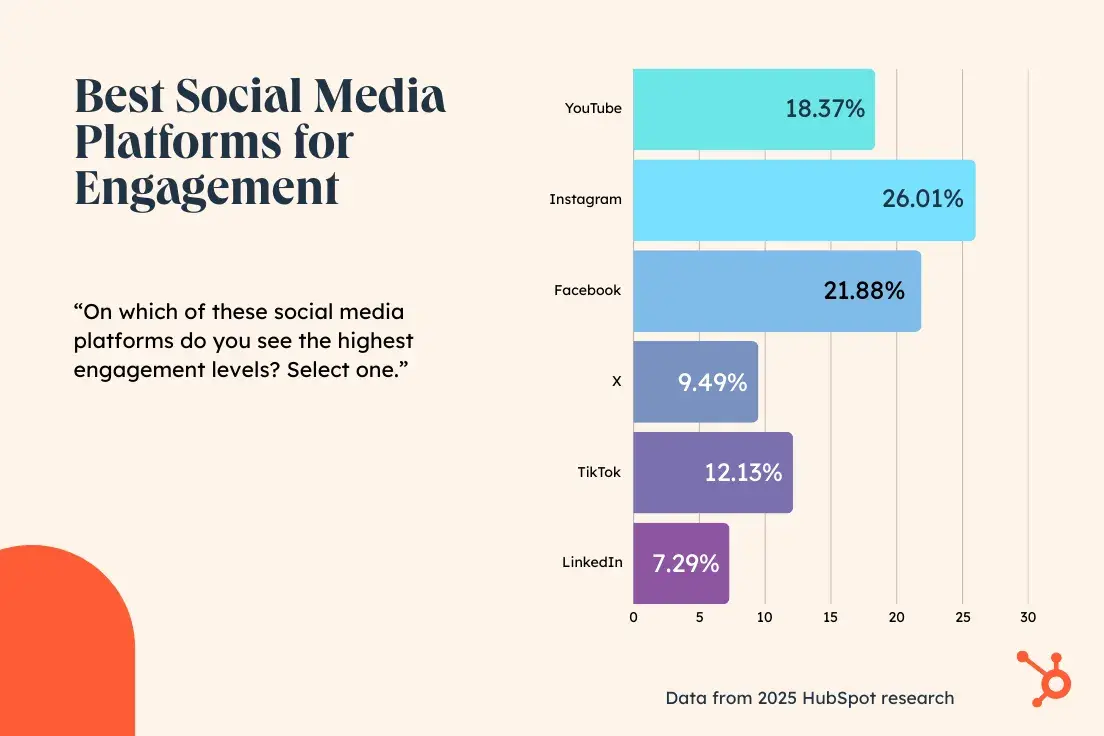
The data shows that Instagram and Facebook consistently rank high for engagement levels among marketers. This suggests that investing in these platforms can yield strong interaction rates, provided the content is tailored to the audience’s preferences.
LinkedIn and Niche Platforms
LinkedIn stands out as the premier platform for B2B advertising. With over 900 million monthly active users, it offers unique targeting criteria based on job title, industry, company size, and seniority. This precision allows businesses to reach decision-makers directly. Conversation ads and lead gen forms are particularly effective on LinkedIn, enabling brands to start meaningful dialogues with potential clients.
Other platforms like Pinterest, X (formerly Twitter), and TikTok also present valuable opportunities. Pinterest users are often in a planning mindset, making the platform ideal for brands in home decor, fashion, and food. X remains useful for real-time engagement and news-driven campaigns. TikTok’s fast-moving trends and younger demographic make it suitable for brands looking to build awareness through creative, entertaining content.
| Platform | Best For | Key Feature |
|---|---|---|
| Broad Reach | Advanced Audience Targeting | |
| Visual Brands | Stories and Reels | |
| B2B Leads | Job Title/Industry Targeting | |
| Planning/Inspiration | Long Shelf Life of Pins | |
| TikTok | Youth Awareness | Viral Trend Potential |
Mastering Paid Search Advertising
Paid search advertising allows you to capture the attention of users who are actively looking for solutions. When someone types a query into Google, they are expressing intent. By bidding on relevant keywords, you can ensure your ad appears at the top of the search results, above organic listings. This visibility is crucial for capturing high-intent traffic.
Google estimates that for every $1 spent on Google Ads, businesses earn $8 in profit. This strong return on investment underscores the effectiveness of paid search. Moreover, advertising on search engines protects your brand from competitors who may bid on your branded terms. If you do not advertise on your own brand keywords, you risk losing potential customers to competitors.
Keyword Strategy and Match Types
Keyword research is the foundation of any successful paid search campaign. Keywords fall into two main categories: brand and non-brand. Brand keywords include your company name and variations, helping you protect your brand identity. Non-brand keywords are broader terms related to your products or services, allowing you to reach new audiences who may not yet know your brand.
Selecting the right match types is equally important. Exact match ensures your ad only shows for the specific keyword or close variations. Phrase match allows for additional words before or after the keyword, while broad match casts a wider net by showing your ad for related searches. Using a combination of these match types, along with negative keywords to exclude irrelevant traffic, helps optimize your campaign’s performance and budget.
Choosing the Right Search Engine
While Google dominates the search engine market with a 70% global share, other platforms like Bing and Yahoo offer opportunities as well. These platforms often have less competition, which can result in lower cost-per-clicks and higher visibility for the same budget. If your target audience includes older demographics or specific geographic regions, Bing and Yahoo may be worth exploring. Analyzing your organic traffic sources can help determine if these platforms are viable for your paid campaigns.
Exploring Native and Display Advertising
Native advertising and display advertising offer alternative ways to reach your audience. Native ads blend seamlessly with the content of the publisher’s site, providing a non-disruptive experience for users. These ads often take the form of sponsored articles or videos, leveraging the publisher’s editorial expertise to tell your brand’s story. This approach can build trust and credibility, as users perceive the content as valuable rather than purely promotional.
Display advertising, on the other hand, involves visual ads placed on websites, apps, and platforms like YouTube. While display ads have a history of being intrusive, advancements in targeting technology have made them more relevant and effective. Ad networks like the Google Display Network and Meta’s Audience Network allow you to target users based on their interests, behaviors, and previous interactions with your brand.
The Power of Retargeting
One of the most significant benefits of display advertising is retargeting. This strategy allows you to show ads to users who have previously visited your website but did not convert. By keeping your brand top-of-mind, retargeting can encourage these users to return and complete their purchase. This is particularly effective for e-commerce businesses and lead generation campaigns.
Best Practices for Display Ads
To maximize the effectiveness of display ads, focus on creating visually appealing and relevant content. Use high-quality images and clear calls to action. Leverage the targeting capabilities of ad networks to reach your ideal audience. Monitor your campaign’s performance regularly and make adjustments based on data. A/B testing different ad creatives and targeting options can help you identify what works best for your brand.
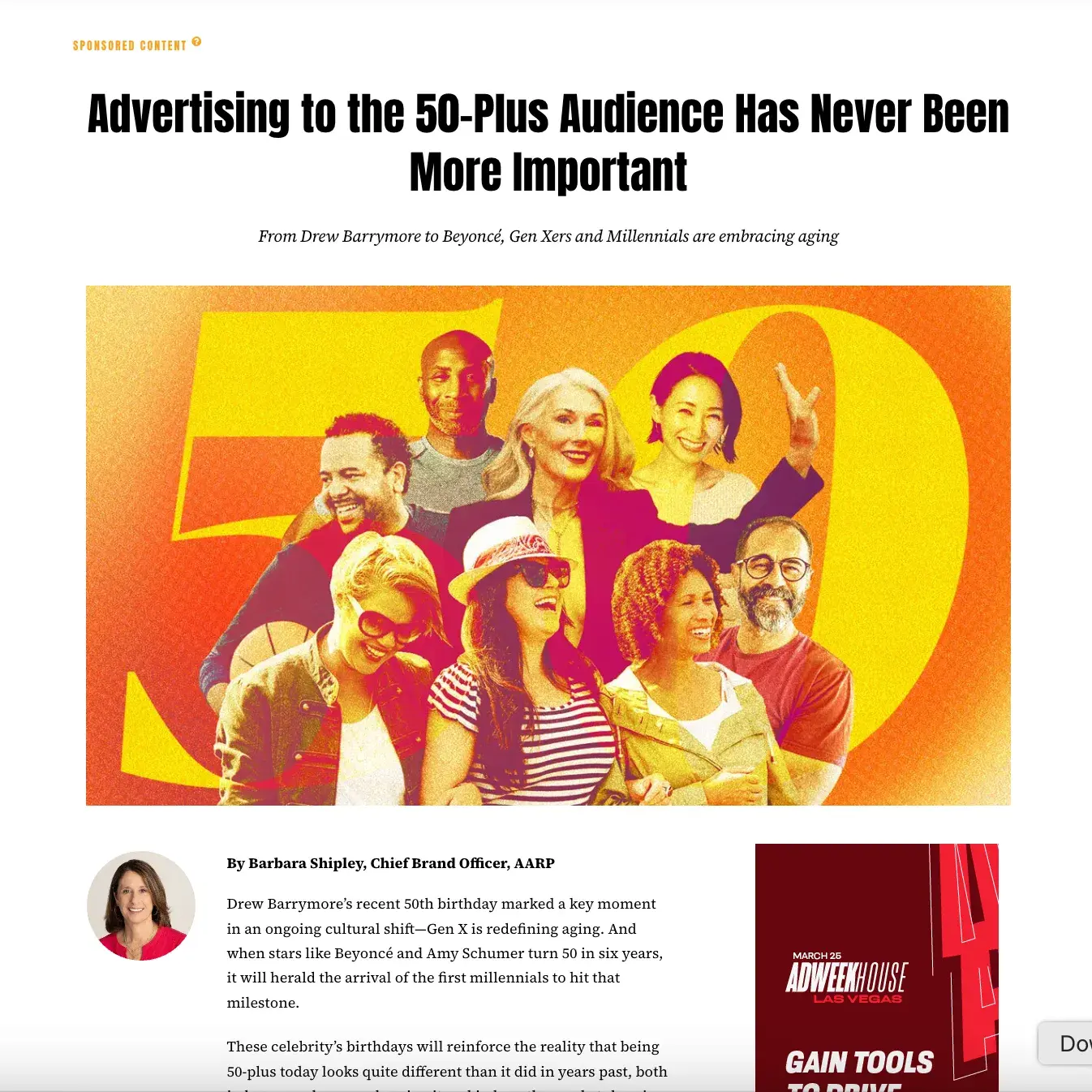
Native ads, like the one shown above, integrate smoothly into the user’s browsing experience. This seamless integration can lead to higher engagement rates compared to traditional banner ads.
Building a Comprehensive Advertising Strategy
Developing a comprehensive online advertising strategy requires a holistic approach. It is not enough to simply choose a platform and launch an ad. You must align your advertising efforts with your overall business goals, understand your audience, and continuously optimize your campaigns based on performance data.
Start by defining clear objectives. Are you looking to increase brand awareness, generate leads, or drive sales? Once you have established your goals, identify the platforms and ad formats that best support those objectives. Allocate your budget wisely, focusing on channels that deliver the highest return on investment.
Continuous Optimization and Testing
Advertising is not a set-it-and-forget-it endeavor. Continuous optimization is key to long-term success. Regularly review your campaign metrics, such as click-through rates, conversion rates, and cost per acquisition. Use this data to refine your targeting, ad copy, and visuals. A/B testing different elements of your ads can help you identify what resonates best with your audience.
Furthermore, stay informed about industry trends and platform updates. The digital advertising landscape is constantly evolving, with new features and best practices emerging regularly. By staying ahead of the curve, you can maintain a competitive edge and maximize the impact of your advertising efforts.
Integrating Organic and Paid Efforts
Finally, remember that online advertising works best when integrated with your organic marketing efforts. Use paid ads to amplify your best-performing organic content, drive traffic to your blog, and boost your social media presence. This synergistic approach can enhance your overall brand visibility and credibility, leading to sustained growth and success.
In conclusion, online advertising is a powerful tool for businesses seeking to grow their reach and revenue. By understanding the different types of advertising, mastering keyword strategies, and continuously optimizing your campaigns, you can achieve your marketing goals and stay ahead of the competition. The key is to remain strategic, data-driven, and adaptable in an ever-changing digital landscape.





