Defining Your Optimal Blog Publishing Cadence
Determining how often to blog is one of the most common questions we encounter from marketing leaders and content strategists. It is also one of the most misunderstood. Many teams assume there is a universal magic number—a specific count of posts per week or month that guarantees search engine visibility and traffic growth. The reality is far more nuanced. The ideal publishing frequency depends entirely on your specific business goals, the maturity of your domain, and the resources available to you.

In the early days of content marketing, the strategy was often simple: publish as much as possible. Volume was king. Today, with the rise of generative AI search and stricter quality guidelines from major search engines, that approach is obsolete. Quality, relevance, and topical authority now outweigh raw volume. This shift means you need a strategic approach to your blogging cadence rather than a rigid, arbitrary schedule.

We believe that a healthy publishing rhythm is not about hitting a target number for its own sake. It is about creating a sustainable content engine that builds trust with your audience and signals expertise to search algorithms. Whether you are a startup with a lean team or an established enterprise, the key is to align your output with your capacity to maintain high standards. Consistency matters more than intensity. It is better to publish two excellent, deeply researched articles per month than eight shallow, generic posts that fail to engage readers or rank well.
The Myth of the One-Size-Fits-All Schedule
There is no single formula that applies to every business. A new website entering a competitive niche will need to publish more frequently to establish topical authority and get noticed by search engines. In contrast, a mature brand with a strong backlink profile and existing traffic can often achieve better results by focusing on depth and updating existing content. The goal is to find the sweet spot where your output matches your ability to distribute and promote the content effectively. If you publish more than you can promote, you are wasting valuable resources.
Key Factors Influencing Your Blogging Frequency
To determine how often you should post, you must evaluate three critical parameters: blog maturity, content depth, and available resources. These factors work together to define what is realistic and effective for your organization. Ignoring any one of them can lead to burnout, inconsistent quality, or a lack of measurable results.
Blog Maturity and Topical Authority
The age and authority of your domain play a significant role in your publishing strategy. A new blog, typically less than a year old, needs to signal to search engines that it is a credible source of information. This requires a higher volume of content to cover a wide range of relevant topics and build internal linking structures. For new sites, aiming for six to eight posts per month can help accelerate the indexing process and establish a foothold in competitive topic clusters. This initial burst of activity helps search engines understand the breadth of your expertise.
As your blog matures, the focus shifts from quantity to quality. A mature site already has a foundation of trust. Search engines recognize your brand as an authority in your niche. At this stage, you can reduce your publishing frequency without losing rankings, provided the content remains high-quality and relevant. The emphasis moves from acquiring new keywords to deepening your coverage of existing ones and optimizing for higher-intent queries.
Content Depth and Complexity
The complexity of your industry dictates the effort required to produce a single piece of content. If you operate in a simple niche, such as lifestyle or general news, you may be able to produce high-quality articles quickly. However, if you are in a specialized field like healthcare, finance, or B2B SaaS, each piece requires extensive research, expert review, and careful fact-checking. In these cases, prioritizing quality over quantity is not just a best practice—it is a necessity.
For complex niches, aiming for two to four posts per month is often more sustainable and effective. These pieces should be comprehensive, addressing user intent thoroughly and providing unique insights that competitors cannot easily replicate. Trying to force a higher volume in a complex industry often leads to superficial content that fails to meet the expectations of both users and search algorithms. As Google’s E-E-A-T (Experience, Expertise, Authoritativeness, and Trustworthiness) guidelines emphasize, nuanced and experience-driven content is what drives success.
Available Resources and Bandwidth
Your publishing frequency must be grounded in reality. You need to assess the resources at your disposal, including writers, editors, graphic designers, SEO strategists, and distribution channels. Setting lofty goals without the bandwidth to execute them is counterproductive. It leads to inconsistent publishing schedules, which can harm your SEO performance and erode reader trust.
Start by taking stock of your team’s capacity. If you have a small internal team with no external support, focus on creating fewer, high-impact pieces that establish thought leadership. If you have a robust budget and access to freelance writers or agencies, you can scale up to five to ten articles per month. The key is to ensure that every piece you publish meets your brand’s quality standards. Consistency is built on realistic planning, not optimistic projections.
Company Blogs vs. Individual Blogs: Different Goals, Different Strategies
The context of your blog—whether it is a corporate asset or a personal brand—significantly influences your publishing strategy. Company blogs and individual blogs serve different purposes and are measured against different metrics. Understanding these distinctions helps you set appropriate expectations and goals.
Corporate Blogging: Driving Business Objectives
Company blogs are strategic assets designed to drive targeted traffic, generate leads, and support the broader marketing funnel. They are polished, professionally edited, and aligned with specific business goals. Whether you aim to build brand awareness, nurture leads, or increase customer engagement, your publishing frequency should reflect these objectives.
For example, if your goal is to generate leads, you might focus on publishing a few high-quality bottom-of-funnel (BoFU) articles each month. These pieces should address specific pain points and include clear calls to action. However, content alone is not enough. You need a strong distribution plan to ensure your audience finds these articles. This might involve email marketing, social media promotion, or paid advertising. The frequency of your posts should match your ability to distribute them effectively.
Individual Blogging: Passion and Personal Branding
Individual bloggers often have more flexibility in their publishing schedules. Many personal blogs are driven by passion, curiosity, or the desire to document experiences. Research suggests that one in ten bloggers has no regular cadence. This is acceptable if the blog is a hobby. However, if you are using your blog to build a personal brand or generate revenue, you need a more structured approach.
Individual bloggers should ask themselves: What are my goals? Am I doing this for fun, or do I have revenue targets? If you are serious about growing your audience and monetizing your content, treat your blog like a business. Define your goals, understand your audience, and create a consistent publishing schedule. Even if you publish less frequently, ensure that each piece adds value and reinforces your expertise in your niche.
Setting a Healthy Publishing Frequency: A Three-Step Framework
To establish a sustainable and effective blogging cadence, we recommend a three-step framework based on content audit, competitor analysis, and resource assessment. This approach ensures that your strategy is data-driven and aligned with your business realities.
Step 1: Audit New vs. Old Content
The first step is to conduct a thorough audit of your existing content. Analyze the proportion of new versus old content and evaluate its performance. If your site has a low publishing cadence and limited content, focus on creating new articles to fill gaps in your topic coverage. Identify high-potential keywords and topic clusters that align with your business goals.
If your site already has a large library of old content, consider refreshing existing pieces instead of creating new ones. Look for articles with significant drops in rankings or traffic. Update these pieces to align with current search intent, add new insights, and improve their overall quality. This approach can yield quick wins by reclaiming lost rankings and driving traffic back to your site. Unpublish or delete content that is no longer relevant or valuable to your audience.
Step 2: Assess Competitor Authority
Analyze the authority and content maturity of your competitors. If only a few competitors have higher authority and extensive content libraries, you can gradually build momentum by publishing consistently. Focus on creating high-quality content that addresses gaps in their coverage. Over time, you will establish your own authority and attract a loyal audience.
If many competitors have massive content libraries and strong SEO performance, you may need to publish more frequently to compete. This does not mean sacrificing quality. Instead, focus on finding unique angles, providing deeper insights, and leveraging your brand’s unique expertise. The goal is to differentiate your content and offer value that competitors cannot easily replicate.
Step 3: Evaluate Budget and Bandwidth
Finally, assess your budget and bandwidth. If you have a small team and limited resources, focus on creating expert-backed, insightful content that establishes thought leadership. Quality over quantity is the key here. If you have a robust budget and access to additional resources, you can scale up your publishing frequency. Aim for five to ten articles per month, targeting buyers in the middle and bottom of the funnel. The key is to ensure that your output is sustainable and consistent.
The Importance of Updating Existing Blog Posts
Publishing new content is only half the battle. The other half is maintaining and updating existing posts. Even the best-performing articles can lose their impact over time as search algorithms evolve and user intent shifts. Regularly updating your blog ensures that your content remains relevant, accurate, and competitive.
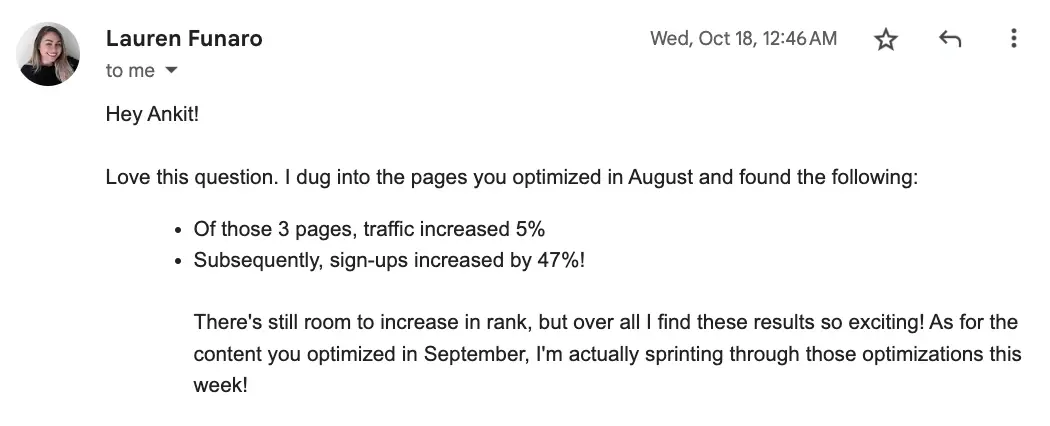
There is a hidden opportunity in old, decaying articles. By refreshing these pieces, you can tune them to your audience’s current pain points and aspirations. This revamp can involve a complete overhaul with new information and insights, or it can be a mix of new and old content supporting the topic. For example, an article ranking at #11 is an opportunity to get to the first page. Update this content to make it more competitive and value-packed than other results.
We have seen excellent results from helping teams refresh old articles to improve search engine rankings and increase conversion rates. This balanced approach of creating new content and updating existing posts brings in higher traffic and more real estate on organic search. It is a continuous process of evaluating performance and finding opportunities rather than a fixed number or range. The answer to how often you should update your blog comes down to your content performance. If high-ranking articles are performing poorly, update them. If content needs a little push to rank higher, optimize it. This proactive approach ensures that your blog remains a dynamic and valuable asset for your business.
Conclusion: Embrace Flexibility and Continuous Testing
There is no one-size-fits-all formula for blogging success. The number of posts you publish each month depends on a variety of factors, including your goals, resources, and competitive landscape. The key is to be flexible and willing to test different strategies. Audit your content regularly, analyze your performance, and adjust your publishing frequency accordingly. By focusing on quality, consistency, and strategic alignment, you can build a powerful content engine that drives long-term growth and visibility.
Remember, the goal is not just to publish content, but to create value. Whether you are a company or an individual, the best blogging strategy is one that is sustainable, measurable, and aligned with your unique objectives. Keep testing, keep learning, and keep refining your approach. The landscape of search and content is always evolving, and your strategy should evolve with it.
Content Insights
{
“contentInsight”: [
{ “insightGroup”: “INTENT”, “type”: “OBJECTIVE”, “content”: “To help businesses and individuals determine an optimal blogging frequency based on strategic factors rather than arbitrary numbers.” },
{ “insightGroup”: “INTENT”, “type”: “OBJECTIVE”, “content”: “To educate readers on the importance of content quality, depth, and consistency over raw volume in modern SEO.” },
{ “insightGroup”: “INTENT”, “type”: “OBJECTIVE”, “content”: “To provide a practical framework for auditing existing content and deciding between publishing new posts or updating old ones.” },
{ “insightGroup”: “INTENT”, “type”: “USER_INTENT”, “content”: “Users want to know how many blog posts they should publish per month to see results.” },
{ “insightGroup”: “INTENT”, “type”: “USER_INTENT”, “content”: “Users are looking for guidance on balancing content quality with publishing frequency.” },
{ “insightGroup”: “INTENT”, “type”: “USER_INTENT”, “content”: “Users want to understand how their resources and goals should influence their blogging strategy.” },
{ “insightGroup”: “TOPIC_COVERAGE”, “type”: “QUESTION_COVERAGE”, “content”: “How often should a new website blog to build topical authority?” },
{ “insightGroup”: “TOPIC_COVERAGE”, “type”: “QUESTION_COVERAGE”, “content”: “What are the key factors that determine blogging frequency?” },
{ “insightGroup”: “TOPIC_COVERAGE”, “type”: “QUESTION_COVERAGE”, “content”: “How does blogging frequency differ for companies versus individuals?” },
{ “insightGroup”: “TOPIC_COVERAGE”, “type”: “QUESTION_COVERAGE”, “content”: “How often should existing blog posts be updated?” },
{ “insightGroup”: “TOPIC_COVERAGE”, “type”: “SUBTOPIC”, “content”: “The impact of blog maturity on publishing cadence.” },
{ “insightGroup”: “TOPIC_COVERAGE”, “type”: “SUBTOPIC”, “content”: “The role of content depth and industry complexity in determining frequency.” }
]
}





