The intersection of pop culture and professional sports has always been a fertile ground for marketing innovation. However, the recent collaboration between the NFL and Taylor Swift represents a significant shift in how brands leverage celebrity influence to drive engagement. This case study offers valuable insights for marketers looking to maximize their brand visibility in an increasingly fragmented media landscape. By examining the mechanics of this partnership, we can understand how traditional sports leagues are adapting to capture the attention of new, younger, and more diverse audiences through strategic celebrity integration.
The Anatomy of a Viral Moment
The NFL’s decision to highlight Taylor Swift’s attendance at Kansas City Chiefs games was not a calculated long-term strategy but rather a reactive move to capitalize on a trending topic. The league’s social media teams quickly recognized the potential of Swift’s presence to attract a new demographic of viewers, particularly young women who might not typically follow football. This reaction was swift, literal and figurative, showcasing a level of marketing agility that many traditional organizations struggle to achieve. The speed at which the NFL adapted its content strategy to include Swift was unprecedented in the history of the league, signaling a departure from rigid broadcast protocols in favor of real-time cultural relevance.
Strategic Social Media Integration
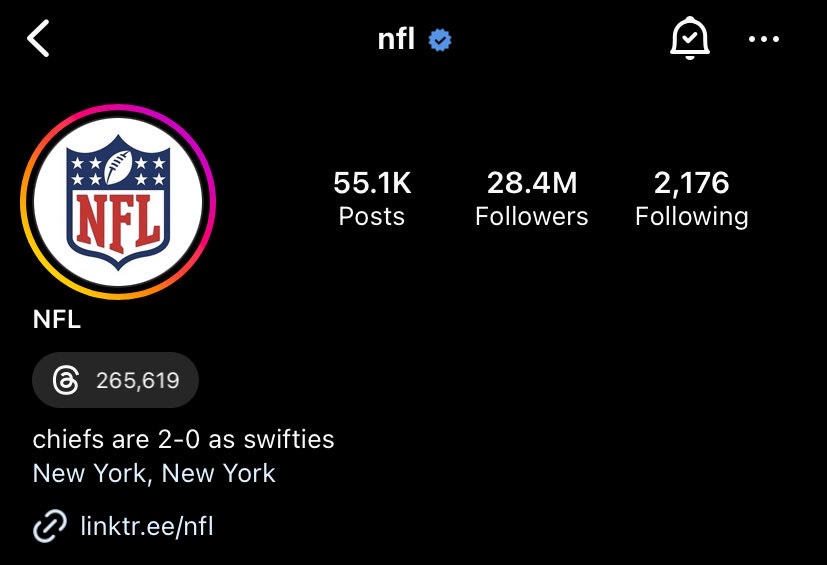
The NFL’s approach involved integrating Swift’s appearances into their regular social media content. This included posting photos and videos of her at games, as well as cutting to her reactions during broadcasts. This strategy was effective because it provided a consistent and visible presence for Swift, keeping her in the public eye and driving interest in the games she attended. The league’s social media channels, including Twitter, Instagram, and TikTok, became hubs for Swift-related content, creating a feedback loop where fan engagement drove further content creation. This integration was not just about posting pictures; it was about weaving her narrative into the fabric of the game day experience.
For marketers, this highlights the importance of agility in social media management. The ability to quickly identify and capitalize on trending topics can significantly boost engagement and reach. However, it also requires a nuanced understanding of the brand’s voice and the potential risks associated with such moves. Brands must be prepared to pivot their content calendars on a dime, requiring flexible approval processes and empowered social media teams. The NFL’s success here lies in its willingness to let the culture dictate the content, rather than forcing the content to fit a pre-existing, rigid cultural box. This level of responsiveness is a key component of modern marketing agility, allowing brands to stay relevant in a fast-moving digital ecosystem.
Broadcast Adjustments
During broadcasts, the NFL increased the number of camera cuts to Swift, ensuring that her reactions and presence were prominently featured. This was a bold move that paid off in terms of viewership, particularly among younger demographics. The league’s willingness to adjust its broadcast format to include non-football content demonstrates a flexible approach to content creation. Producers and directors, traditionally focused solely on the action on the field, were instructed to monitor Swift’s reactions and emotions, treating them as key narrative elements of the broadcast. This shift required a new level of coordination between the broadcast team and the league’s social media and public relations departments.
This strategy underscores the value of data-driven decision-making. By monitoring real-time engagement metrics, the NFL was able to optimize its content to maximize viewership and engagement. For other brands, this suggests the importance of having robust analytics tools in place to track and respond to audience behavior. The NFL didn’t just guess that showing Swift would work; they tracked the spike in social media mentions and viewership numbers in real-time, adjusting their camera work accordingly. This data-driven marketing approach ensures that resources are allocated to content that resonates most with the audience, maximizing the return on investment for both the broadcast and the associated social media campaigns.
The Impact on Viewership and Engagement
The inclusion of Taylor Swift in NFL broadcasts and social media content had a measurable impact on viewership and engagement. The Chiefs-Jets game, which Swift attended, saw a significant increase in viewership, particularly among young women. This demographic shift is significant for the NFL, which has historically struggled to attract younger and more diverse audiences. The league has long sought to broaden its appeal beyond its traditional base of older, male fans, and Swift’s presence provided a unique entry point for a demographic that had previously been largely untapped. This NFL viewership increase was not just a temporary spike; it represented a sustained interest that carried over into subsequent games and seasons.
Demographic Shifts
The NFL’s strategy to leverage Swift’s popularity resulted in a 53% increase in viewership among teen girls. This demographic is a key target for many brands, particularly those in the fashion, beauty, and entertainment industries. The NFL’s success in attracting this audience demonstrates the power of celebrity influence in driving brand awareness and engagement. By aligning itself with a global pop icon, the league was able to break down barriers that had previously kept this demographic at arm’s length. The narrative surrounding Swift’s relationship with Travis Kelce became a cultural phenomenon, drawing in fans who were previously indifferent to football.
For marketers, this highlights the importance of understanding your target audience and tailoring your content to their interests. By leveraging Swift’s popularity, the NFL was able to create content that resonated with a new demographic, driving significant growth in viewership. This case study illustrates how influencer marketing can transcend traditional industry boundaries. Brands can learn from this by identifying influencers who have a strong connection with their desired demographic, even if that demographic is not traditionally associated with their product or service. The key is to create a bridge between the influencer’s fan base and the brand’s value proposition, making the connection feel natural and engaging.
Economic Impact
The economic impact of Swift’s presence at NFL games was also significant. Sales of Travis Kelce’s jersey saw a 400% spike, demonstrating the power of celebrity influence on consumer behavior. This trend is not limited to sports merchandise; it extends to a wide range of products and services. The “Kelce effect” showed that when a celebrity is associated with a brand or product, their fans are willing to spend money to participate in that narrative. This surge in sales provided a tangible ROI for the NFL’s marketing efforts, proving that cultural relevance can directly translate to financial gain.
For brands, this underscores the importance of partnerships and collaborations with influencers and celebrities. By associating your brand with popular figures, you can tap into their existing fan base and drive significant sales growth. However, this requires careful planning and execution. Brands must ensure that the partnership feels authentic and that the product or service is relevant to the influencer’s audience. The NFL’s success in this area was partly due to the organic nature of Swift’s interest in the game, which made the marketing feel less like a forced advertisement and more like a shared cultural moment. This authenticity is crucial for building trust and driving long-term brand loyalty.
The Risks and Challenges of Celebrity Marketing
While the NFL’s strategy to leverage Taylor Swift’s popularity was successful, it also came with certain risks and challenges. The league’s decision to feature Swift so prominently raised questions about the authenticity of the relationship and the potential for backlash if the relationship ended. Celebrity marketing is inherently volatile, as it relies on the public perception and personal lives of individuals who are often in the spotlight. The NFL had to navigate the delicate balance of celebrating Swift’s presence without appearing to exploit her personal life for commercial gain.
Authenticity and Public Perception
One of the key risks associated with celebrity marketing is the potential for public perception to shift if the celebrity’s behavior or relationships change. In the case of Swift and Kelce, there were rumors and speculations about the authenticity of their relationship, which could have negatively impacted the NFL’s brand if the relationship had ended abruptly. The league had to be prepared for various scenarios, including the possibility of a breakup or a public controversy involving Swift. This requires a proactive approach to crisis management and a clear understanding of the potential reputational risks.
For marketers, this highlights the importance of maintaining transparency and authenticity in your marketing efforts. While leveraging celebrity influence can be effective, it is crucial to ensure that your brand’s values and messaging remain consistent and aligned with your audience’s expectations. Brands must have contingency plans in place for potential negative events, ensuring that they can respond quickly and appropriately to protect their reputation. This involves not just monitoring the celebrity’s public image but also understanding the broader cultural context in which the marketing campaign is taking place.
Balancing Content and Context
Another challenge for the NFL was balancing the inclusion of Swift’s appearances with the core content of the games. While her presence drove significant engagement, it also raised questions about the integrity of the broadcast and the league’s commitment to the sport. Some traditional fans felt that the focus on Swift detracted from the game itself, leading to debates about the appropriate level of celebrity integration in sports broadcasts. The NFL had to navigate these conflicting viewpoints, ensuring that it did not alienate its existing fan base while trying to attract new audiences.
For brands, this underscores the importance of maintaining a balance between leveraging trending topics and staying true to your core values and mission. While it is important to capitalize on opportunities for growth, it is equally important to ensure that your content remains relevant and valuable to your audience. This requires a deep understanding of your brand’s identity and the expectations of your customers. Brands must be careful not to over-index on trends at the expense of their core product or service, as this can lead to a loss of trust and credibility.
Lessons for Marketers and Brands
The NFL’s strategy to leverage Taylor Swift’s popularity offers several valuable lessons for marketers and brands. These lessons can be applied to a wide range of industries and marketing efforts, helping brands to maximize their visibility and engagement. By analyzing the successes and challenges of this campaign, marketers can develop more effective strategies for leveraging celebrity influence and trending topics in their own campaigns.
Agility and Responsiveness
One of the key takeaways from this case study is the importance of agility and responsiveness in marketing. The NFL’s ability to quickly identify and capitalize on Swift’s popularity demonstrates the value of having a flexible and adaptive marketing strategy. This requires a organizational structure that allows for rapid decision-making and execution, as well as a culture that encourages innovation and experimentation. Brands must be willing to take risks and adapt their strategies in real-time to stay relevant in a fast-changing media landscape.
For brands, this suggests the importance of having a robust social media management plan in place. This includes having a team that can quickly respond to trending topics and adjust content to maximize engagement and reach. This involves investing in the right tools and technologies, as well as training staff to be responsive and creative. Brands should also establish clear guidelines for social media engagement, ensuring that their responses are consistent with their brand voice and values.
Data-Driven Decision-Making
Another key lesson is the importance of data-driven decision-making. The NFL’s use of real-time analytics to optimize its content and maximize viewership highlights the value of having robust data collection and analysis tools in place. This allows brands to make informed decisions based on actual audience behavior, rather than relying on intuition or guesswork. By tracking key metrics such as engagement rates, viewership numbers, and social media mentions, brands can gain valuable insights into what resonates with their audience.
For marketers, this underscores the importance of investing in analytics tools and training your team to effectively use data to inform your marketing decisions. By leveraging data, you can make more informed decisions and optimize your content for maximum impact. This involves not just collecting data, but also interpreting it correctly and using it to drive strategic changes. Brands should regularly review their performance metrics and adjust their strategies accordingly, ensuring that they are always aligned with their audience’s preferences and behaviors.

Authenticity and Transparency
Finally, the NFL’s experience with Taylor Swift highlights the importance of authenticity and transparency in marketing. While leveraging celebrity influence can be effective, it is crucial to ensure that your brand’s values and messaging remain consistent and aligned with your audience’s expectations. This requires a deep understanding of your brand’s identity and the values that resonate with your customers. Brands must be honest and transparent in their marketing efforts, avoiding any perception of exploitation or insincerity.
For brands, this suggests the importance of maintaining a clear and consistent brand voice across all marketing channels. By being transparent and authentic, you can build trust and loyalty with your audience, driving long-term growth and success. This involves not just what you say, but how you say it. Brands should strive to create genuine connections with their audience, rather than just pushing a sales message. By focusing on building relationships and providing value, brands can create a loyal community of fans who are invested in their success.
Conclusion: The Future of Celebrity Marketing
The NFL’s strategy to leverage Taylor Swift’s popularity represents a significant shift in how brands approach celebrity marketing. As the media landscape continues to evolve, brands will need to remain agile and responsive to capitalize on emerging trends and opportunities. This case study demonstrates that celebrity marketing is no longer just about placing a logo next to a famous face; it is about integrating cultural moments into the brand narrative in a way that feels authentic and engaging.
For marketers, this case study offers valuable insights into the power of celebrity influence in driving brand awareness and engagement. By understanding the risks and challenges associated with celebrity marketing, brands can develop effective strategies that maximize their visibility and impact. This requires a careful balance of agility, data-driven decision-making, and authenticity, ensuring that marketing efforts are both effective and sustainable.
As we look to the future, it is clear that celebrity marketing will continue to play a significant role in the marketing landscape. However, brands will need to remain mindful of the potential risks and challenges associated with this approach, ensuring that their marketing efforts remain authentic and aligned with their core values and mission. The success of the NFL’s campaign with Taylor Swift serves as a blueprint for how brands can navigate the complexities of celebrity marketing, leveraging cultural moments to drive growth and engagement in a meaningful way.





