The Convergence of Sports and Fashion Industries
The boundaries between professional sports and high fashion have dissolved into a collaborative landscape that offers marketers unprecedented branding opportunities. This convergence is no longer a niche trend; it represents a fundamental shift in how brands engage with consumers who value both athletic performance and aesthetic expression. The intersection creates a powerful narrative engine, allowing organizations to tap into the deep emotional loyalty of sports fans while capturing the aspirational appeal of fashion enthusiasts. We see this as a critical area for growth-focused businesses, particularly those in service industries and healthcare, where brand image and customer experience are paramount.
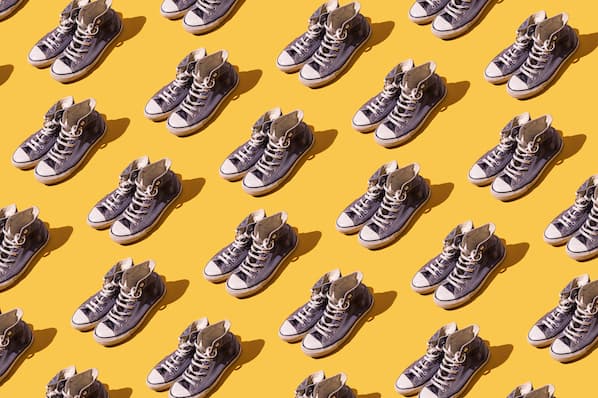
Major events in recent years highlight the depth of this overlap. Serena Williams walked the Vogue runway shortly after announcing her retirement from tennis, signaling that athletic prestige translates directly into fashion credibility. Ronnie Fieg, founder of the streetwear label Kith, became the first creative director for the New York Knicks, bridging the gap between basketball culture and high-end apparel design. Nike opened World of Flight, its first Jordan concept store, in Milan, a city synonymous with luxury fashion. These moves were not accidental. They reflect a strategic prioritization by sports organizations to partner with artists and fashion professionals to reinvigorate the world of sportswear.
The fashion industry’s influence extends beyond product design into retail environments. The Isles Lab, the official team store of the New York Islanders hockey team, reimagines what a team store can be. Designed in partnership with Paul Price, formerly the Chief Merchandising Officer for Burberry, the store offers a modern shopping experience. It sells a unique combination of team merchandise, streetwear-inspired styles, and luxury fashion items. This approach demonstrates that sports organizations are willing to adopt fashion retail strategies to enhance brand perception and customer engagement.

Strategic Brand Collaborations and Creative Partnerships
Contemporary artists and fashion houses are increasingly collaborating with sports leagues to create limited-edition collections that merge athletic heritage with artistic expression. Al-Baseer Holly and Cristina Martinez created a capsule design collection that merged their signature designs with NBA team logos. This collaboration illustrates how sports branding can evolve beyond traditional team colors and logos to include artistic interpretation. Such partnerships allow sports organizations to reach new audiences who may not be traditional fans but are interested in the cultural and artistic significance of the collaboration.
The success of these collaborations depends on authentic alignment between the partners. Consumers are adept at detecting forced partnerships. When a fashion brand or artist genuinely appreciates the sports culture, the resulting products resonate more deeply with fans. The New York Knicks’ partnership with Kith works because Ronnie Fieg is a known figure in sneaker culture and has a genuine appreciation for the team’s history. This authenticity builds trust and encourages fans to engage with the brand on a deeper level.
Sports organizations must also consider the long-term implications of these partnerships. A one-off collaboration can generate short-term buzz, but sustained relationships build lasting brand equity. The involvement of creative directors in sports teams, as seen with the Knicks, suggests a move toward ongoing creative integration rather than sporadic collaborations. This approach allows for consistent brand messaging and a cohesive visual identity that spans multiple seasons and campaigns.
Retail Innovation and Consumer Experience
The retail environment plays a crucial role in the sports-fashion crossover. Traditional team stores often focus on functional merchandise, such as jerseys and hats. However, the new wave of sports retail aims to create immersive experiences that reflect the lifestyle and values of the team. The Isles Lab exemplifies this shift by offering a curated selection of products that appeal to fashion-conscious consumers. The store’s design and product mix signal that the New York Islanders are not just a hockey team but a lifestyle brand.
This evolution in retail strategy requires a deep understanding of consumer behavior. Fans who engage with sports fashion are often looking for products that express their identity and affiliation. They are willing to pay a premium for items that offer exclusivity and design quality. Sports organizations must therefore invest in merchandising expertise to curate products that meet these expectations. The partnership with Paul Price brings Burberry’s luxury retail experience to the hockey team, ensuring that the store’s aesthetic and product selection align with high-fashion standards.
Retail innovation also extends to digital platforms. As consumers increasingly shop online, sports organizations must ensure that their digital storefronts reflect the same level of curation and experience as their physical locations. This includes high-quality product imagery, detailed descriptions, and seamless checkout processes. The integration of digital and physical retail experiences creates a cohesive brand journey that enhances customer satisfaction and loyalty.
Leveraging Fan Communities for Brand Advocacy
Both sports and fashion companies possess strong communities of loyal fans who can serve as brand evangelists. These fans are not just passive consumers; they actively promote brands through social media, word-of-mouth, and community engagement. Marketers can tap into these communities to amplify brand messages and drive sales. The key is to provide fans with compelling content and experiences that they are eager to share.
Social media platforms are essential for engaging with these communities. Instagram, TikTok, and other visual platforms allow brands to showcase their products in a dynamic and engaging way. The post by NTWRK featuring the Al-Baseer Holly and Cristina Martinez collaboration demonstrates how social media can be used to highlight creative partnerships and generate excitement among followers. Similarly, the New York Islanders’ Instagram posts showcase the Isles Lab and its unique product offerings, inviting fans to explore the store’s fashion-forward approach.
Building brand advocacy requires consistent engagement and value delivery. Fans expect brands to listen to their feedback, respond to their needs, and involve them in the brand story. This can be achieved through interactive campaigns, exclusive previews, and community-driven initiatives. By treating fans as partners rather than just customers, brands can foster a sense of ownership and loyalty that transcends transactional relationships.
Implications for Marketing Strategy
The intersection of sports and fashion offers marketers a wealth of opportunities to enhance brand visibility and engagement. However, success requires a strategic approach that considers the unique dynamics of both industries. Marketers must understand the cultural significance of sports and the aesthetic expectations of fashion consumers. This understanding informs product design, retail strategy, and communication efforts.
Data-driven insights are crucial for navigating this landscape. Marketers should analyze consumer behavior, social media trends, and competitor activities to identify opportunities for collaboration and innovation. The release of new data by Gartner on loyalty programs, for example, provides valuable insights into how brands can engage customers more effectively. Similarly, Sprout Social’s tips on collaborating with Black creators offer guidance on building inclusive and authentic partnerships.
The departure of YouTube CEO Susan Wojcicki and TikTok’s addition of 7,000 new insights to its native Insights Tool highlight the rapidly changing digital landscape. Marketers must stay informed about these developments to adapt their strategies accordingly. The ability to leverage emerging platforms and tools can give brands a competitive edge in reaching and engaging with their target audiences.
Navigating Industry Changes and Trends
The sports and fashion industries are subject to constant change and disruption. Marketers must remain agile and adaptable to capitalize on emerging trends. The rise of AI-generated content, for instance, presents both opportunities and challenges. Dove’s ‘The Code’ campaign, which takes a stand against AI-generated images, illustrates how brands can address ethical concerns and build trust with consumers. This campaign demonstrates the importance of authenticity and transparency in an era of increasing digital manipulation.
Social media dynamics are also evolving. The question of whether social media is dying, as explored in recent articles, reflects broader concerns about platform sustainability and user engagement. Marketers must be prepared to shift their strategies if traditional platforms lose relevance. The opening of Bluesky to the public, for example, presents an opportunity for brands to experiment with new social media environments and reach audiences who are seeking alternatives to established platforms.
Sustainability and social impact are increasingly important to consumers. Brands that align with these values can build stronger connections with their audiences. The collaboration between Nike and Dove to advocate for girls’ sports demonstrates how sports and fashion brands can work together to promote positive social change. This partnership not only enhances brand image but also contributes to a larger cultural movement.
Practical Steps for Implementing Sports-Fashion Strategies
Implementing a successful sports-fashion strategy requires careful planning and execution. Here are some practical steps for marketers to consider:
- Identify alignment opportunities: Look for sports teams, athletes, or leagues that share your brand’s values and aesthetic. Authentic alignment is crucial for building trust and engagement.
- Invest in creative partnerships: Collaborate with artists, designers, or fashion houses to create unique products or experiences. These partnerships should reflect a genuine appreciation for both sports and fashion cultures.
- Enhance retail experiences: Redesign physical and digital retail spaces to reflect the lifestyle and values of your target audience. Consider partnerships with retail experts to elevate your merchandising strategy.
- Leverage social media: Use visual platforms to showcase your products and collaborations. Engage with fans through interactive content and community-driven initiatives.
- Monitor industry trends: Stay informed about changes in the sports and fashion industries, as well as broader digital trends. Adapt your strategies to capitalize on emerging opportunities.
These steps provide a framework for navigating the complex landscape of sports-fashion crossovers. By focusing on authenticity, creativity, and consumer engagement, brands can build lasting relationships with their audiences and drive sustainable growth.
The convergence of sports and fashion is not just a trend; it is a fundamental shift in how brands connect with consumers. As these industries continue to evolve, marketers must remain vigilant and adaptable to seize the opportunities that arise. The future of branding lies in the ability to create meaningful connections that transcend traditional industry boundaries. How will your brand navigate this evolving landscape?
Content Insights
[
{“insightGroup”: “INTENT”, “type”: “OBJECTIVE”, “content”: “To inform marketers about the strategic opportunities arising from the convergence of sports and fashion industries.”},
{“insightGroup”: “INTENT”, “type”: “OBJECTIVE”, “content”: “To provide actionable insights on leveraging fan communities and creative partnerships for brand advocacy.”},
{“insightGroup”: “INTENT”, “type”: “USER_INTENT”, “content”: “To answer how businesses can capitalize on the overlap between sports loyalty and fashion aspiration.”},
{“insightGroup”: “INTENT”, “type”: “USER_INTENT”, “content”: “To understand the role of retail innovation in enhancing brand perception in the sports-fashion crossover.”},
{“insightGroup”: “TOPIC_COVERAGE”, “type”: “QUESTION_COVERAGE”, “content”: “How do major collaborations like Serena Williams and Vogue illustrate the sports-fashion overlap?”},
{“insightGroup”: “TOPIC_COVERAGE”, “type”: “QUESTION_COVERAGE”, “content”: “What can marketers learn from the New York Islanders’ partnership with Burberry’s former CMO?”},
{“insightGroup”: “TOPIC_COVERAGE”, “type”: “SUBTOPIC”, “content”: “The impact of creative directors on sports team branding and merchandising.”},
{“insightGroup”: “TOPIC_COVERAGE”, “type”: “SUBTOPIC”, “content”: “Strategies for engaging fan communities through social media and exclusive content.”}
]





