Understanding the Mechanics of the YouTube Algorithm
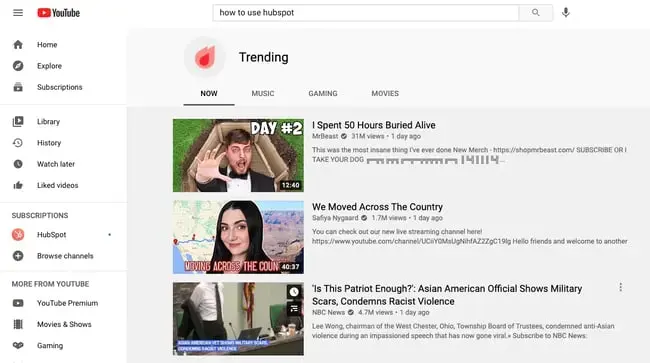
The YouTube algorithm is not a single, static rulebook. It is a complex, multi-layered system designed to serve the most relevant videos to users across five distinct sections of the platform: Search, Home, Suggested Videos, Trending, Subscriptions, and Notifications. For marketers and content creators, understanding these mechanics is less about “gaming” the system and more about aligning with the platform’s core objective: keeping viewers engaged for as long as possible.

YouTube has been remarkably transparent about its processes, even launching educational courses for creators to help them understand visibility drivers. The platform tracks user engagement meticulously. It monitors which videos are watched, how much time is spent on each, and which are skipped or disliked. This data allows YouTube to reward genuine engagement over vanity metrics like simple view counts or click-through rates. The goal is to incentivize the creation of content that audiences actually value, thereby discouraging clickbait or low-quality production.

To navigate this landscape effectively, you must understand that different sections of YouTube prioritize different signals. A video that ranks well in Search may not necessarily appear on the Home feed, and a Trending video operates under entirely different criteria. By dissecting how each section functions, you can tailor your content strategy to meet the specific expectations of the algorithm in each context. This approach ensures that your content reaches the right audience at the right time, fostering long-term growth rather than fleeting spikes in traffic.
Search: Relevance and Intent
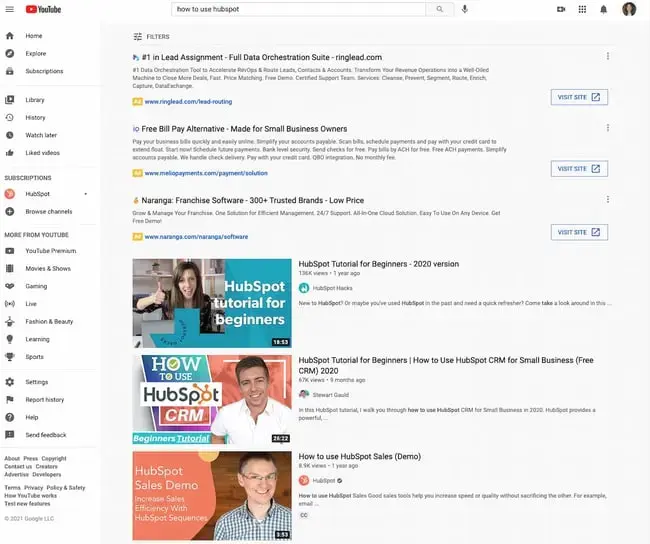
The Search section of YouTube functions similarly to traditional web search engines, prioritizing keyword relevance and historical engagement. When a user types a query into the search bar, YouTube evaluates how well your video’s title, description, and content match that specific intent. However, relevance alone is not enough. The algorithm also considers how users have interacted with your channel and similar content in the past.
YouTube looks at which videos have driven the most engagement for a specific query. If users consistently watch videos from your channel after searching for a particular topic, your future videos on that subject are more likely to rank higher. This creates a feedback loop where consistent, high-quality content on specific topics builds authority. The Search section also includes sponsored ads, but organic ranking relies heavily on the alignment between user intent and your content’s metadata.
Home: Personalized Discovery
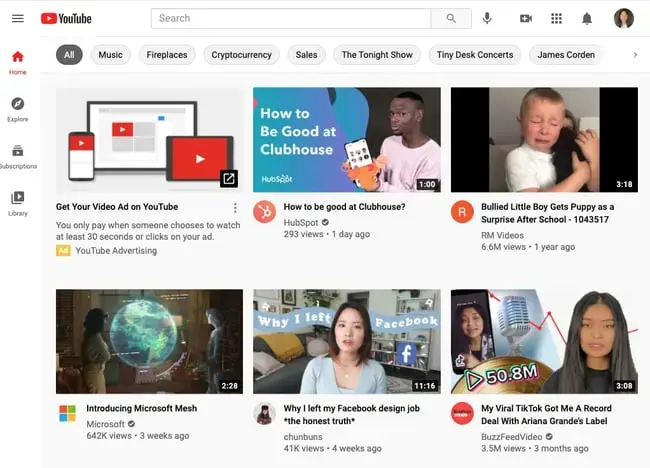
The Home page is where users discover new content based on their previous watch history and the performance of suggested videos. Unlike Search, which is intent-driven, the Home feed is discovery-driven. YouTube aims to present videos that users are likely to enjoy, even if they did not actively search for them.
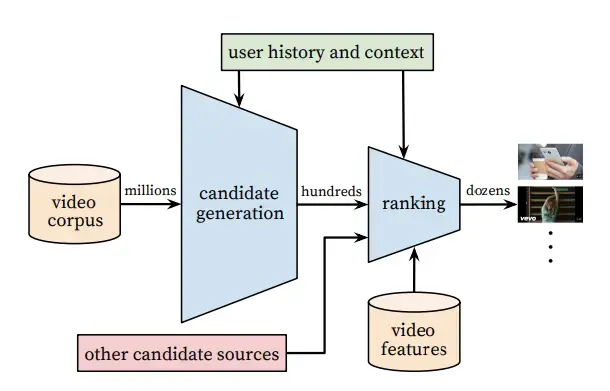
To achieve this, the algorithm analyzes a user’s activity history to find hundreds of potentially relevant videos. It then ranks these videos based on how well they have engaged and satisfied similar users. The system also considers how often a viewer watches content from specific channels or topics. Diversity is key here; YouTube has observed that users watch more content when they receive recommendations from a variety of channels. Therefore, the algorithm strives to balance familiar content with new, diverse recommendations to keep the viewing experience fresh and engaging.
Suggested Videos: The Binge-Watch Engine
Suggested Videos appear alongside the main video a user is watching, often leading to extended viewing sessions. This section is critical for increasing overall watch time on the platform. The algorithm personalizes these recommendations heavily, ensuring that no two users have the same experience.
Ranking in the Suggested Videos feed depends on three main factors: how well the video has engaged similar users, how often the viewer watches content from that channel or topic, and how many times YouTube has already shown the video to that user. This prevents repetitive recommendations and encourages exploration. For creators, this means that creating bingeable content or playlists can significantly boost visibility in this section. By linking related videos, you can guide users through a series of content, increasing the likelihood that they will continue watching.
Optimization Strategies for Algorithmic Success
Optimizing for the YouTube algorithm requires a dual focus on keyword relevance and engagement metrics. These two pillars form the foundation of how videos are ranked and recommended. Ignoring either aspect can limit your reach, while mastering both can significantly enhance your visibility.
Keyword Relevance: Speaking the User’s Language
Keyword relevance is the first step in ensuring your content is discoverable. This involves optimizing your video titles, tags, descriptions, and even SRT (subtitle) files with relevant search terms. You should also check the most popular queries that lead viewers to your videos, which can be found in YouTube’s Search Report.
If these queries differ slightly from your video’s topic, consider updating your metadata to fill these content gaps. If there is a stark difference, it may be time to create new videos that address these popular searches. By aligning your content with what users are actively searching for, you increase the likelihood of appearing in Search results and attracting a targeted audience.
Engagement Metrics: Retaining Attention
Engagement metrics are the second pillar of YouTube’s ranking system. The key metric here is watch time, which measures the aggregate amount of time users spend watching your videos. To maximize watch time, you must first attract attention. This is where thumbnails and titles play a crucial role.
Thumbnails are small, clickable snapshots that provide a preview of your video. They should be vibrant and eye-catching, often featuring human faces, as people are naturally drawn to them. Contrasting colors can also make your thumbnail stand out in a crowded feed. Once you have captured a user’s attention, you need to retain it. Creating bingeable series or playlists can help achieve this. Start playlists with videos that have the highest audience retention rates to encourage users to watch more. Additionally, monitoring metrics like average view duration and audience retention can help you refine your content strategy over time.
The Evolution of the YouTube Algorithm
Understanding the history of the YouTube algorithm provides valuable context for its current state. Like Google’s search algorithm, YouTube’s system has evolved significantly over the years, shifting from simple view counts to sophisticated deep learning models. Each change reflects a broader goal of improving user satisfaction and content quality.
2005 - 2012: The Era of Views
In its early years, YouTube ranked videos primarily by view count. If a video had hundreds of thousands of views, it would be suggested to everyone, regardless of their interest in the topic. This system was easily manipulated. Creators would refresh pages to inflate view counts or use clickbait titles to drive clicks. While simple, this approach often led to poor user experiences, as viewers were recommended irrelevant content.
2012 - 2015: The Shift to Watch Time
Recognizing the limitations of view-based ranking, YouTube shifted its focus to watch time. Videos with longer watch times were favored and placed prominently on the Home page. This signaled that the content was engaging and provided a positive user experience. However, this change also led to new tactics, such as creating excessively long videos or very short ones that could be watched in their entirety. In response, YouTube began to measure overall viewer satisfaction, including likes, dislikes, and surveys.
2016: Deep Learning for Recommendations
With millions of videos on the platform, manually curating recommendations became impossible. YouTube introduced “deep learning” to personalize the user experience. This process involves two funnels: candidate generation and ranking. First, the algorithm examines a user’s history to create a pool of candidate videos. These candidates are then scored and ranked based on the user’s activity and preferences. This system remains a core component of YouTube’s recommendation engine today.
2017 - 2020: Combating Borderline Content
Between 2017 and 2020, YouTube focused on reducing the spread of harmful misinformation and borderline content. The platform adopted the “Four Rs” strategy: Remove, Reduce, Raise up, and Reward. This involved removing policy-violating content, reducing the visibility of borderline material, promoting authoritative news sources, and rewarding trusted creators. These changes were designed to create a safer and more reliable environment for users, particularly in the face of rising concerns about misinformation.
Present: AI and Misinformation Control
Today, YouTube continues to leverage deep learning to personalize recommendations while maintaining strict control over misinformation. The platform uses external evaluators to gauge whether content qualifies as “borderline” and adjusts its algorithm accordingly. As AI technology advances, we can expect further refinements in how content is ranked and recommended, with a continued emphasis on user satisfaction and content quality.
Navigating the Future of Video Discovery
As the YouTube algorithm evolves, staying informed about its changes is essential for long-term success. For businesses and creators, this means focusing on creating high-quality, engaging content that resonates with your audience. By optimizing for both keyword relevance and engagement metrics, you can improve your visibility across Search, Home, and Suggested Videos.
The shift from vanity metrics to genuine engagement reflects a broader trend in digital marketing: the importance of providing value to your audience. Whether you are a small business or a large enterprise, the principles remain the same. Create content that people want to watch, optimize it for discoverability, and monitor your performance metrics to refine your strategy. In an era where AI and deep learning drive recommendations, authenticity and quality are more important than ever.
Consider how your current content strategy aligns with these principles. Are you focusing on watch time and audience retention? Are your titles and thumbnails designed to attract genuine interest? By asking these questions, you can ensure that your content not only reaches your audience but also keeps them engaged. The YouTube algorithm is a powerful tool, but it is only as effective as the content you feed into it. What steps will you take to optimize your video strategy for the future?