Reverse positioning is a marketing strategy that prioritizes brand awareness, cause alignment, or consumer appreciation over the immediate goal of moving a buyer toward a specific product purchase. Sometimes known as breakaway positioning, this approach functions by shifting the focus from transactional sales to educating the audience on product features, manufacturing processes, or the core beliefs driving the company. When a brand adopts this perspective, it often chooses to exclude a direct call to purchase, focusing instead on shared values and long-term trust. This counterintuitive method challenges the conventional wisdom that every marketing touchpoint must drive immediate revenue, suggesting instead that the most powerful connections are built through education and empathy.


At its core, this tactic acknowledges that the most effective communication often does not feel like traditional advertising. By removing the pressure of a sale, companies can engage in a more authentic dialogue with their market. This is particularly relevant in the era of generative search, where users prioritize information that provides genuine utility and reflects a clear, consistent brand identity. When your content focuses on solving problems or clarifying values rather than merely pushing products, it naturally aligns with the intent-driven results that AI-powered search engines aim to deliver. Consumers are increasingly adept at recognizing and dismissing overt sales pitches, making a value-first approach essential for cutting through the noise.
The Psychology Behind the Strategy
To understand why reverse positioning works, it is necessary to examine the psychological shift it triggers in the consumer. Traditional marketing relies on scarcity, urgency, or feature superiority to compel action. Reverse positioning, by contrast, relies on trust and alignment. When a brand refuses to sell, it signals confidence in its own value proposition. This absence of pressure reduces the consumer’s defensive barriers, allowing them to engage with the brand’s message on a deeper, more emotional level. It transforms the relationship from a transactional exchange into a partnership based on shared principles.
Adapting to the AI Search Landscape
The rise of artificial intelligence in search has further amplified the importance of this strategy. AI models are designed to extract concise, factual, and helpful answers from the web. Brands that publish content focused solely on selling products often find their material ignored by these algorithms, as it lacks the informational density required for extraction. Conversely, brands that use reverse positioning to provide comprehensive educational content, explain complex processes, or articulate clear value systems are more likely to be cited by AI assistants. This visibility reinforces brand authority and ensures that the company is recognized as a thought leader rather than just another vendor.
Learning from Patagonia and Dove
Patagonia demonstrated the power of this approach during a high-profile Black Friday campaign in 2011. Rather than encouraging the typical cycle of consumption associated with the holiday, the brand chose to educate consumers on the environmental impact of manufacturing. By stating that their production process consumed significant resources and generated waste, they were not just informing the public; they were confirming their commitment to sustainability. This move resonated deeply with an audience that valued transparency and environmental stewardship, effectively turning a potential sales loss into a brand-defining moment. The campaign, titled “Don’t Buy This Jacket,” explicitly asked customers to consider the environmental cost of their purchase, a radical departure from standard retail tactics.

The Patagonia ad campaign, shown above, serves as a clear example of how a brand can prioritize its mission over short-term revenue. By candidly discussing the environmental costs of their own production, they built a lasting bond with customers who prioritized those same values. The result was a stronger, more loyal customer base that felt an emotional investment in the company’s long-term environmental goals. This case study illustrates that when a brand takes a stand against industry norms, it attracts a tribe of advocates who are willing to pay a premium for products that align with their ethical standards. The immediate dip in sales was offset by a significant increase in brand equity and long-term customer lifetime value.
The Dove Body Positivity Movement
Dove utilized a similar strategy by shifting the narrative away from the functional benefits of their hygiene products to a broader conversation about body positivity. By celebrating the diversity and beauty of women, they moved the conversation from a product-centric model to a human-centric one. This campaign did not rely on price lists or promotional offers; instead, it succeeded because it allowed consumers to identify with the brand on a personal level. The “Real Beauty” campaign challenged the stereotypical images of beauty prevalent in advertising, offering a refreshing and honest perspective that resonated with millions of women worldwide.

The takeaway is clear: when a company prioritizes the customer’s self-perception, the purchase decision often follows as a secondary, organic result of that relationship. Dove’s success demonstrates that reverse positioning is not limited to niche or luxury brands; it can be effectively applied to mass-market consumer goods. By addressing a societal issue that affects their target audience, Dove transformed a simple soap brand into a global advocate for self-esteem. This shift in focus created a deep emotional connection that competitors relying solely on product features could not replicate.
Why These Examples Matter for Modern Brands
Both Patagonia and Dove show that reverse positioning requires a willingness to take a risk. Both campaigns could have been perceived as controversial or off-topic by traditional marketing standards. However, by staying true to their core missions, these brands differentiated themselves in crowded markets. For modern brands, these examples serve as a blueprint for how to build relevance. It is not enough to simply sell a product; brands must stand for something. Whether it is environmental sustainability, social justice, or personal empowerment, having a clear stance allows a brand to connect with consumers on a level that transcends price and convenience.
Implementing a Reverse Positioning Strategy
Developing a reverse positioning strategy requires a deep understanding of what matters to your audience. You must move beyond surface-level demographics and uncover the belief systems or professional challenges that drive your customers. For a company in the recruitment or job-seeking space, this might involve deconstructing common stigmas about what makes a candidate the perfect fit. Instead of focusing on keywords or resume optimization, a brand could highlight the value of real, lived experience and the importance of finding a cultural match over a checklist of credentials. This approach positions the brand as a partner in the candidate’s journey, rather than just a gateway to employment.
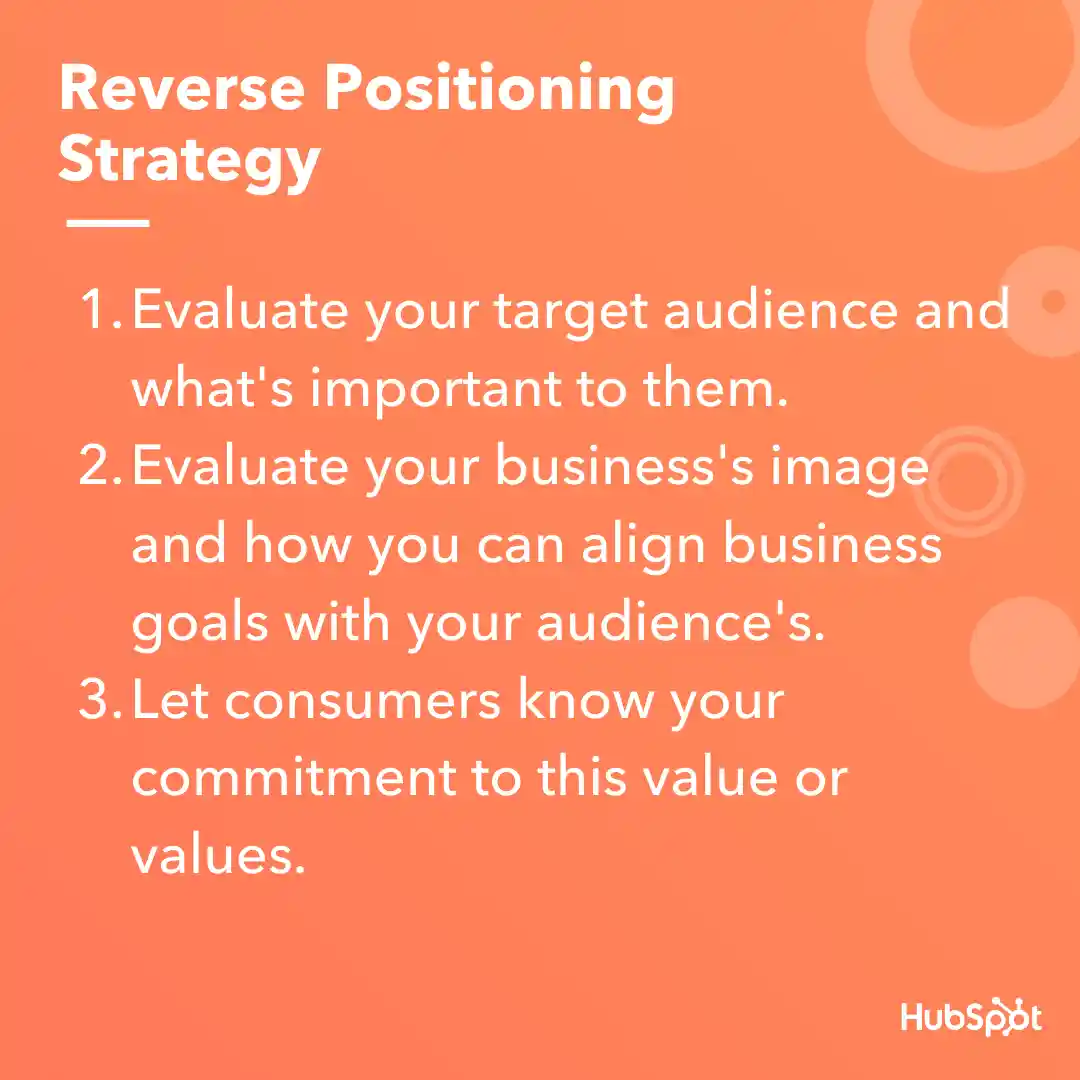
This graphic illustrates the cycle of building a reverse positioning strategy, emphasizing the need for honesty over flash. To implement this successfully, consider the following steps:
- Survey your audience to identify their core values and the challenges they face that aren’t being addressed by standard industry marketing.
- Audit your own company values. Determine where your internal beliefs intersect with the needs of your audience.
- Develop educational content that addresses these shared values without focusing on product pricing or immediate conversion.
- Maintain consistency. This strategy is not a one-off campaign but a long-term commitment to a specific brand voice.
Conducting Deep Audience Research
The first step in implementing reverse positioning is rigorous audience research. Traditional market research often focuses on purchasing habits and demographic data. However, for reverse positioning, you need to understand the psychological and emotional drivers of your audience. What are their fears? What do they believe is broken in the industry? What values do they hold dear? By conducting in-depth interviews, surveys, and social listening, you can uncover the underlying beliefs that shape their worldview. This insight allows you to craft messages that resonate on a fundamental level, creating a sense of shared identity between the brand and the consumer.
Aligning Internal Values with External Messaging
Once you understand your audience, you must ensure that your internal company values align with their beliefs. Authenticity is the cornerstone of reverse positioning. If a brand claims to care about sustainability but its supply chain is opaque, the strategy will fail and potentially backfire. Consumers are increasingly skeptical of greenwashing and virtue signaling. Therefore, the brand must be willing to make operational changes that reflect its stated values. This alignment ensures that every piece of content, every customer interaction, and every business decision reinforces the brand’s mission. It creates a cohesive narrative that is difficult for competitors to mimic.
Creating Value-Driven Content
The third step is to create content that delivers value without asking for anything in return. This could include whitepapers, blog posts, videos, or infographics that educate the audience on industry trends, best practices, or complex topics. The key is to provide genuine utility. For example, a software company might publish a guide on how to improve team productivity, rather than just listing the features of its project management tool. By solving problems and answering questions, the brand establishes itself as a trusted authority. This type of content is more likely to be shared, bookmarked, and referenced, extending the brand’s reach and influence.
Maintaining Long-Term Consistency
Finally, consistency is critical. Reverse positioning is not a tactic that can be deployed for a single campaign and then abandoned. It requires a sustained commitment to a specific brand voice and set of values. Over time, this consistency builds trust and recognition. Consumers begin to associate the brand with a particular perspective or solution to a problem. This long-term approach helps to build brand loyalty, as customers feel a sense of continuity and reliability. It also allows the brand to weather short-term fluctuations in sales, as the underlying equity and trust remain strong.
By following these steps, you can create a narrative that stands out in a crowded digital environment. When you focus on educating your audience rather than selling to them, you establish your brand as a trusted resource. This is particularly important for businesses looking to maintain authority in an age where information is abundant but genuine insight is rare. Your goal should be to provide value through every interaction, ensuring that your brand is the one consumers turn to when they are looking for substance, not just another sales pitch.
Ultimately, reverse positioning is about proving that your company stands for something beyond its own bottom line. Whether you are highlighting your commitment to sustainable practices or challenging industry norms, the authenticity of your message is what builds long-term loyalty. As you refine your approach, keep in mind that the best marketing interactions are those that leave the reader feeling informed, respected, and connected to your mission. In an increasingly automated world, this human-centered approach remains a powerful way to differentiate your brand and ensure it remains relevant to the people who matter most.





