What Is Content Marketing?
Content marketing is the practice of creating and sharing valuable, relevant material to attract and retain a clearly defined audience. Unlike traditional advertising, which interrupts the user experience, content marketing pulls people in by offering solutions, education, or entertainment. The goal is not just to sell a product immediately but to build a relationship that eventually leads to trust and conversion.

This approach has shifted how businesses connect with consumers. Modern buyers prefer to learn about products through articles, videos, and podcasts rather than through intrusive ads. In fact, research shows that a significant majority of consumers want to understand a brand’s value through content before they ever engage with a salesperson. This shift makes content marketing essential for any business looking to grow sustainably.
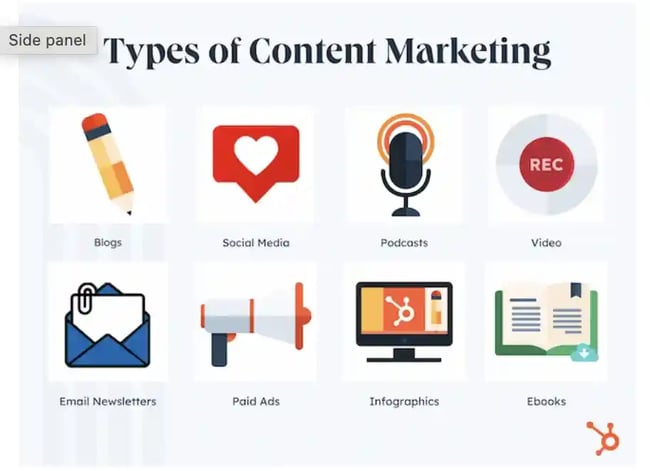
The definition of content marketing extends beyond just blogging. It includes a wide range of formats such as ebooks, infographics, webinars, social media posts, and podcasts. Each format serves a different purpose in the buyer’s journey. For example, a blog post might introduce a problem, while a white paper offers a detailed solution. By diversifying content types, brands can reach audiences at various stages of their decision-making process.
Why Content Marketing Matters Now
The importance of content marketing has grown as digital noise increases. Consumers are bombarded with thousands of ads daily, leading to ad fatigue and the widespread use of ad blockers. In this environment, valuable content stands out because it respects the user’s time and intelligence. It provides genuine value, which builds brand loyalty and authority.
Moreover, content marketing is cost-effective compared to outbound methods. It generates more leads at a lower cost over time. While the initial investment in creating high-quality content can be significant, the long-term returns are substantial. A well-optimized article can continue to drive traffic and leads for years, unlike a paid ad that stops working the moment you stop paying.
Types of Content Marketing
There are numerous ways to execute a content marketing strategy, each with its own strengths and ideal use cases. Understanding these types helps businesses choose the right mix for their goals and audience preferences.
Online and Blog Content
Online content marketing primarily refers to material published on a brand’s website. This includes blog posts, landing pages, and resource libraries. Blogs are particularly powerful because they allow for creativity and depth. They can cover a wide range of topics, from how-to guides to industry insights. A strong blog improves search engine visibility and establishes the brand as a thought leader.
Social Media Content
With billions of users across platforms like Instagram, LinkedIn, TikTok, and X, social media is a critical channel for content distribution. Social media content is often shorter and more visual, designed to capture attention quickly. It’s excellent for building community, engaging with customers, and driving traffic to longer-form content on the website.
Video and Podcast Content
Video and audio content are growing rapidly. Videos, whether on YouTube, TikTok, or embedded in blogs, can explain complex topics visually and emotionally. Podcasts, on the other hand, offer a convenient way for audiences to consume content while multitasking. Both formats build a personal connection with the audience, as listeners and viewers hear the brand’s voice directly.
Infographics and Visual Content
Infographics simplify complex data into digestible visuals. They are highly shareable and effective for explaining processes, statistics, or comparisons. Visual content is processed faster by the brain, making it ideal for capturing attention and conveying key messages quickly.
Content Marketing and SEO
Search engine optimization (SEO) and content marketing are deeply intertwined. Creating helpful content is not enough if no one can find it. SEO ensures that your content is visible to people searching for relevant information. According to data, the vast majority of content gets no organic traffic, highlighting the need for strategic optimization.
Key SEO Strategies for Content
To make content discoverable, start with keyword research. Identify the terms and phrases your target audience uses when searching for solutions. Then, create high-quality content that addresses those search intents. Google prioritizes content that provides genuine value, so focus on depth, accuracy, and user experience.
Building backlinks is another critical factor. When other reputable sites link to your content, it signals to search engines that your material is authoritative. This can significantly boost your rankings. Additionally, having a blog increases the number of indexed pages on your site, giving you more opportunities to rank for various queries.
Content Marketing and Social Media
Social media amplifies your content marketing efforts by extending reach and fostering engagement. It’s not just about posting links; it’s about creating a community and interacting with your audience in real-time.
Best Practices for Social Content
Avoid using social media solely for promotion. Instead, focus on providing value, entertainment, or education. Humor and personality resonate well on social platforms, helping brands stand out in crowded feeds. Choose a few key platforms where your audience is most active and master them, rather than spreading yourself too thin across all channels.
How Content Marketing Works: The Buyer’s Journey
Content marketing aligns with the buyer’s journey, which consists of three stages: awareness, consideration, and decision. Each stage requires different types of content to guide the prospect toward a purchase.
Top of Funnel (TOFU)
At the top of the funnel, prospects are aware of a problem but not yet looking for a specific solution. Content here should be educational and broad, such as blog posts, infographics, and social media updates. The goal is to attract attention and build brand awareness.
Middle of Funnel (MOFU)
In the middle of the funnel, prospects are evaluating solutions. Content should help them compare options and understand how your product or service fits their needs. Webinars, case studies, and white papers are effective here, as they provide deeper insights and build trust.
Bottom of Funnel (BOFU)
At the bottom of the funnel, prospects are ready to make a decision. Content should facilitate conversion, such as product demos, pricing pages, and testimonials. Personalization and clear calls-to-action are crucial at this stage to remove final barriers.
Content Marketing Strategy: A Step-by-Step Guide
Building a successful content marketing strategy requires planning and execution. Here are the essential steps to get started.
1. Define Your Target Audience
Identify who you are creating content for. Understand their pain points, interests, and behaviors. Create buyer personas to guide your content creation. This ensures your content resonates with the right people.
2. Set SMART Goals
Establish specific, measurable, achievable, relevant, and time-bound goals. Whether it’s increasing brand awareness, generating leads, or boosting sales, clear goals help you stay focused and measure success.
3. Choose Content Types and Channels
Decide on the formats and platforms that best suit your audience and resources. This might include blogs, videos, social media, or email newsletters. Consistency across chosen channels is key.
4. Create a Content Calendar
Plan your content in advance using an editorial calendar. This helps maintain a consistent publishing schedule and ensures a balanced mix of topics and formats.
5. Create and Distribute Content
Produce high-quality content that aligns with your strategy. Optimize it for SEO and distribute it through your chosen channels. Promote it via social media, email, and partnerships to maximize reach.
6. Measure and Analyze Results
Track performance using key performance indicators (KPIs) such as traffic, engagement, and conversions. Use analytics tools to gain insights and adjust your strategy based on what works.
Traits of Effective Content Marketing
Not all content is created equal. Effective content marketing shares several common traits that distinguish it from mediocre efforts.
Provides Value Beyond Products
Great content solves problems and educates, rather than just selling. It empowers the audience to make better decisions, which builds trust and loyalty. Product mentions should be natural and relevant, not forced.
Aligns with the Buyer’s Journey
Content should match the prospect’s stage in the buying process. Awareness-stage content educates, consideration-stage content compares, and decision-stage content converts. Misaligned content can frustrate users and harm conversion rates.
Maintains Consistent Brand Voice
Consistency in tone and style builds brand recognition and trust. A style guide ensures that all content reflects the brand’s personality, regardless of who creates it. This cohesion makes the brand appear more professional and reliable.
Is Timely and Engaging
Relevant content capitalizes on current trends and seasonal interests. Timely posts capture attention when users are actively seeking information. Engaging formats, such as interactive content or video, keep users interested and encourage sharing.
Content Marketing Examples
Real-world examples illustrate how brands successfully implement content marketing strategies.
Instagram: Glossier
Glossier’s Instagram is a masterclass in brand consistency. Their visual aesthetic is distinct, and their content showcases products in a lifestyle context. This approach builds a strong community and reinforces brand identity.
Blog: Expedia
Expedia’s blog provides travel tips, destination guides, and hotel recommendations. By offering valuable travel advice, they attract users planning trips and naturally promote their booking services.
Podcast: Harvard Business Review
HBR IdeaCast features interviews with industry leaders, offering deep insights into business and management. This positions HBR as a thought leader and keeps their audience engaged with high-quality audio content.
Video: Dollar Shave Club
Dollar Shave Club’s viral video introduced their brand with humor and clarity. The video’s shareability drove massive brand awareness and sign-ups, demonstrating the power of entertaining video content.
Resources for Content Marketers
Leveraging the right tools and resources can enhance your content marketing efforts.
Education and Inspiration
Platforms like HubSpot Academy and the Content Marketing Institute offer courses and insights. Following industry leaders on LinkedIn and X can also provide daily inspiration and best practices.
Tools and Software
Use SEO tools for keyword research, analytics platforms for tracking performance, and design software like Canva for creating visuals. Project management tools help organize content calendars and workflows.
Community and Networking
Engage with other marketers online. Share insights, ask questions, and learn from peers. Networking can lead to collaborations and new ideas.
Content marketing is a long-term investment that builds brand authority and drives sustainable growth. By focusing on value, consistency, and strategic alignment, businesses can create content that resonates with their audience and achieves their goals.





