Marketing teams often view contests through a narrow lens: a vehicle for short-term branding, customer delight, or fan engagement. While those are valid objectives, they only scratch the surface of what a well-structured giveaway can achieve. When designed with intention, contests become powerful lead generation engines that fill your funnel while simultaneously boosting audience interaction. They offer a unique opportunity to acquire high-intent contacts who have already demonstrated interest in your brand by taking the time to participate.

At AEO/GEO, we believe in maximizing visibility through intelligent content strategies. One of the most effective ways to capture new contacts is by aligning promotional activities with clear business goals. We have seen this approach work firsthand. In one notable campaign, our team launched a holiday-themed contest that awarded eighteen $100 Visa gift cards. Each winner received a card, plus an additional gift card for a colleague. The primary objective was not just to delight customers or increase brand awareness; it was to generate actual, high-quality email contacts that could be nurtured into long-term customers.
The strategy worked. By tying the contest mechanics directly to data capture, we turned a fun promotional event into a substantive lead generation campaign. If you are looking to replicate this success, the following breakdown details the approach we took, offering a practical roadmap for running your own effective contest. This guide covers everything from platform selection to post-contest analysis, ensuring you maximize the return on investment for your marketing efforts.
Choosing the Right Contest Platform
You do not strictly need a dedicated platform to run a contest, but relying on manual methods is rarely efficient. A specialized contest platform provides functionality that you might not realize you need until the campaign is live. Features such as multiple entry types, real-time entry tallies, and automated random winner selection are invaluable for maintaining fairness and operational ease. Without these tools, you risk administrative bottlenecks that can delay prize fulfillment and frustrate participants.
The type of contest you run will dictate which features matter most to you. However, one capability is non-negotiable: social sharing integrations. Viral growth is the most effective way to expand a contest’s reach beyond your existing audience. A platform that facilitates easy sharing across social media channels removes friction for participants, encouraging them to spread the word. This organic amplification is often the difference between a modest campaign and one that generates thousands of new leads.
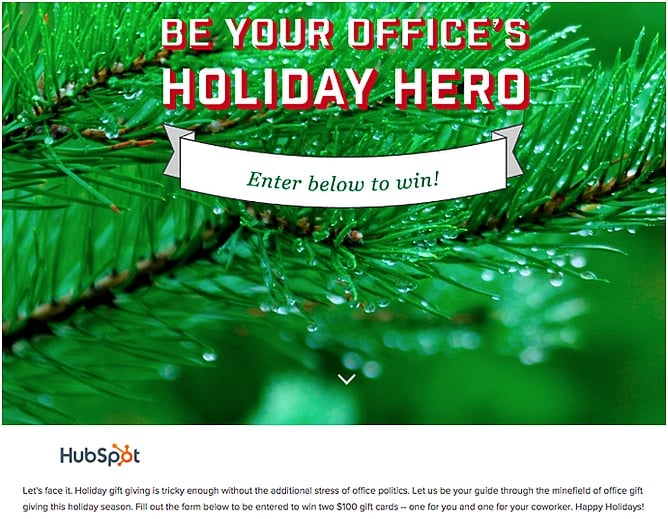
In our holiday campaign, the primary entry mechanism was an email address submission. To incentivize broader reach, we offered extra entries for specific social actions. Participants could gain additional chances by following our account on Twitter, tweeting a link to the contest, sharing it via email, or posting it on Facebook. This multi-tiered entry system encouraged participants to engage with our brand across multiple touchpoints, increasing the likelihood of conversion.
After evaluating several major platforms, we selected Gleam. The decision was driven by its seamless integration with HubSpot, which allowed contestants to be automatically added to our contact lists. Most platforms require you to manually export contacts and import them into your database, adding an unnecessary step that introduces potential errors. Gleam also included validation features to disqualify invalid email addresses and geolocation tools to restrict entries to specific regions, such as the U.S., ensuring compliance with our campaign parameters.
Key Features to Prioritize
When selecting a platform, consider the following capabilities:
- Social Integrations: Ensure the platform supports the social networks where your audience is most active. This includes major platforms like Facebook, Twitter, LinkedIn, and Instagram, as well as niche communities relevant to your industry.
- CRM Sync: Look for direct integrations with your customer relationship management system to automate lead capture. This eliminates manual data entry and ensures that new contacts are immediately available for nurturing campaigns.
- Entry Validation: Features that verify email addresses and prevent duplicate entries save time and maintain data quality. Invalid emails can skew your analytics and waste marketing resources on unengaged contacts.
- Geotargeting: Ability to restrict entries by location if your contest is region-specific. This is crucial for legal compliance and ensuring that prizes can be delivered to winners.
Setting Up Contest Goals and Structure
Determining the number of winners, the duration of the contest, and the promotion channels are critical tasks, but they should not be the first steps in your planning process. Instead, start with your ultimate business objectives and work backward. This reverse-engineering approach ensures that every element of the contest serves a strategic purpose, rather than being a gratuitous addition.
If your goal is to generate 100 new leads and you know your typical visit-to-lead conversion rate is 10%, you need at least 1,000 visits to your contest landing page. Understanding this traffic requirement shapes your promotion strategy. It helps you decide how much budget to allocate to paid advertising, how aggressively to share on social media, and which email segments to target. Without this calculation, you may find yourself falling short of your lead generation targets despite significant promotional efforts.
For our Holiday Hero Contest, we defined specific metrics for success. We tracked the number of net new email addresses, the volume of shares per channel (email, Twitter, Facebook), and the total number of selected winners. Outlining these goals kept our expectations realistic and provided a clear benchmark for evaluating the campaign’s performance. This data-driven approach also established a baseline for future contests, allowing us to measure improvement over time.
Calculating Your Traffic Needs
To estimate the traffic required for your contest, use this simple formula:
| Goal | Metric | Calculation |
|---|---|---|
| Target Leads | 100 | Desired outcome |
| Conversion Rate | 10% | Historical average |
| Required Visits | 1,000 | Target Leads / Conversion Rate |
This calculation ensures you have a clear target for your promotional efforts. If your conversion rate is lower, you will need to drive more traffic to achieve the same number of leads. Conversely, a higher conversion rate means you can reach your goals with less promotional intensity. Regularly reviewing and adjusting these metrics helps you optimize your campaign for maximum efficiency.
Promoting and Monitoring the Contest
Launching the contest is only the beginning. The real work lies in promotion and ongoing monitoring. In our campaign, we promoted the contest across multiple channels to maximize reach. We created a dedicated landing page, wrote a blog post about the contest, emailed it to our existing database, curated specific Pinterest boards, and shared the landing page extensively across social media. Since the contest was limited to U.S. residents, we tailored our messaging and targeting to that specific audience.
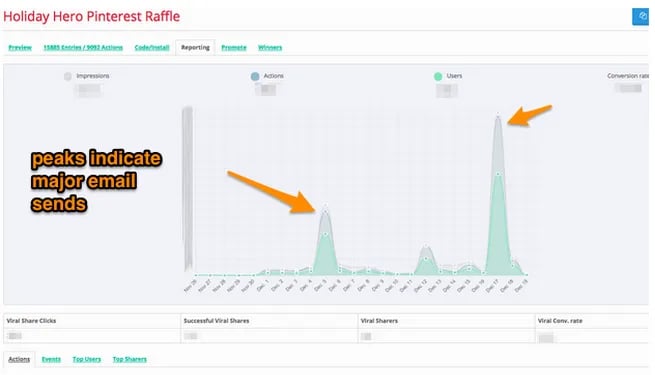
Promotion is not a set-it-and-forget-it activity. Throughout the campaign, you must frequently check the contest’s performance. Are your promotions driving the expected traffic? Is the technology functioning as intended? Are contacts being correctly synced from the contest platform to your database? Are participants receiving confirmation emails? These checks are essential for ensuring a smooth participant experience and maintaining data integrity.
We recommend checking these settings daily or every other day. Early detection of issues, such as broken links or sync errors, allows you to address them quickly before they impact participant experience or data integrity. Regular monitoring also provides insights into which channels are performing best, enabling you to adjust your promotional strategy in real time. For example, if Twitter is driving significantly more entries than Facebook, you might allocate more resources to Twitter promotions.
Monitoring Checklist
- Entry Volume: Track the number of new entries per day. Sudden drops or spikes can indicate technical issues or viral moments that warrant investigation.
- Channel Performance: Identify which social platforms or email segments drive the most engagement. This data helps you allocate future marketing budgets more effectively.
- Technical Health: Verify that integrations are working and data is flowing correctly. Regularly test the entry process to ensure it is user-friendly and error-free.
- Participant Communication: Ensure confirmation and update emails are being sent without errors. Prompt communication builds trust and encourages participants to share the contest with their networks.
Selecting Winners and Maintaining Trust
Once the contest ends, the next critical step is selecting winners and communicating the results. If your platform offers random winner selection, use it. This ensures fairness and transparency, which are essential for maintaining trust with your audience. Participants need to know that the contest was conducted fairly and that their chances of winning were not manipulated.
In our campaign, we emailed the winners directly to notify them of their victory. We also sent a message to all non-winning participants, informing them that winners had been chosen. This step is crucial because a common complaint about contests is the suspicion that prizes are never actually awarded. By communicating openly with all participants, you reinforce the credibility of your brand and the legitimacy of the contest.
The joy experienced by winners is undeniable. Many participants share their excitement publicly, providing organic social proof for your brand. We received several emails from winners expressing their delight, some of which we still keep in our archives. These genuine reactions are a testament to the emotional impact of a well-executed contest. They also serve as valuable content for future marketing efforts, demonstrating the positive experiences your brand creates.
Best Practices for Winner Notification
- Prompt Communication: Notify winners as soon as possible after the selection process. Delays can lead to frustration and negative perceptions of your brand.
- Public Announcement: Consider announcing winners on social media to build transparency. This shows that you are committed to fairness and accountability.
- Non-Winner Follow-Up: Send a thank-you message to all participants, acknowledging their interest. This keeps the door open for future engagement and shows appreciation for their time.
- Prize Fulfillment: Ensure prizes are delivered quickly and reliably to maintain positive sentiment. Follow up with winners to confirm receipt and address any issues.
Analyzing Results and Learning
Like any marketing campaign, a contest should be analyzed thoroughly after it concludes. Which channels drove the most traffic? Which messaging resonated best? What unexpected challenges arose? Taking the time to review your marketing analytics provides valuable insights for future campaigns. This analysis helps you refine your strategy and improve the effectiveness of subsequent contests.
Our contest performed well, generating hundreds of new participants each day. Notably, over 20% of the total entrants were new to our database, demonstrating the effectiveness of the campaign in acquiring fresh leads. While there were areas for improvement, the overall results exceeded our expectations. This success was driven by a combination of strategic planning, effective promotion, and careful monitoring.
Three Key Lessons Learned
- Relevance Matters: Prizes should be relevant to your company’s offerings and your audience’s interests. Random or vague prizes may attract unqualified leads who have no genuine interest in your brand. Aligning prizes with your products or services ensures that you attract high-intent leads.
- Legal Compliance: Always consult your legal department before launching a contest. Ensure that terms and conditions are clearly stated and comply with all applicable regulations. This protects your brand from legal risks and ensures a fair process for all participants.
- Set Viral Goals: Define specific goals for social sharing and virality. These top-line metrics support your bottom-line objectives by expanding reach and increasing brand visibility. Tracking these metrics helps you understand the impact of your promotional efforts.
Running a contest is more than just giving away prizes. It is a strategic opportunity to grow your email list, engage your audience, and strengthen your brand. By following these steps and learning from past experiences, you can create contests that deliver measurable business results. The key is to approach each contest with a clear strategy, rigorous monitoring, and a commitment to continuous improvement.
How do you plan to integrate contests into your broader marketing strategy? What challenges do you anticipate, and how will you address them?





