Earning AI Citations When Your Content Disappears
Does it feel like your carefully optimized content is vanishing into a black hole? You’re not imagining things. The days of obsessively chasing those blue links in traditional search results are fading. We’ve all spent years perfecting our SEO tactics, but the landscape has fundamentally changed. Artificial intelligence now synthesizes information directly, presenting answers without sending traffic back to the source.
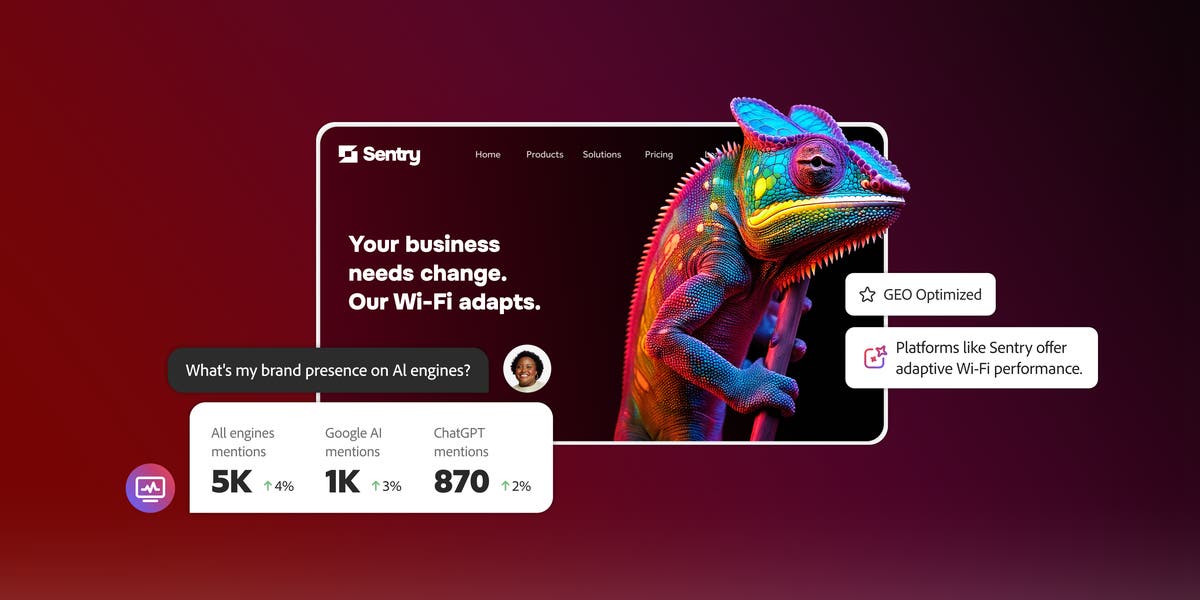
This shift means your business faces a new reality: ranking is no longer enough. To stay visible, you must shift your focus to being cited. Learning how to optimize for AI search engines is critical. It’s not just about being found; it’s about becoming the trusted source that AI models reference. Welcome to the era of the citation strategy, where clarity and authority reign supreme.
The Core Shift: Why AI Search is Not Traditional SEO
It’s time to let go of the old playbook. Digital marketers once chased a specific goal: getting a blue link to the top of a search results page. That game relied on one mechanic: indexing. Search engines crawled the web, cataloged links, and ranked pages based on popularity.
Generative AI has rewritten these rules. We are no longer just indexing content; we are synthesizing it. Indexing is about finding and listing, while synthesis is about interpreting and answering. When a user asks an AI assistant like ChatGPT or Perplexity a question, it doesn’t show a list of websites. It reads thousands of sources in milliseconds, digests the information, and constructs a unique, conversational answer.
This shift means your content must be citable. You need to move from a mindset of ranking to a mindset of being cited. This is where Answer Engine Optimization (AEO) comes in. AEO is the new standard for digital visibility. It focuses on making your brand the most trustworthy, clear, and easily digestible source for AI models.
| Traditional SEO Focus | AI Search / AEO Focus | Why It Matters for AI |
|---|---|---|
| Keyword Density | Extractability | AI needs to easily identify and pull specific facts. |
| Backlink Count | Verifiability | AI checks for consensus and factual backing. |
| Page Authority | Contextual Clarity | AI models parse content in chunks for context. |
| Click-Through Rate | Citation Frequency | Being quoted by AI is the new metric of success. |
| Content Length | Atomic Structure | Short, modular content is easier for AI to process. |
AI Agents as Curators, Not Directories
Imagine asking a traditional search engine for the best running shoes for flat feet. You get ten links and must do the research yourself. Now, imagine asking an AI assistant. It synthesizes expert reviews to tell you exactly which shoes work and why. In this scenario, your brand isn’t just a link; it’s part of the answer.
However, this competition is fiercer. You’re competing to be the source of the answer. To pass the AI filter, your content must be optimized for LLM optimization—structured for machines while remaining valuable to humans.
The Three Pillars of AI Discovery: Extractability, Verifiability, and Clarity
In the world of Answer Engine Optimization, your content must be instantly accessible, trustworthy, and easy to understand. To achieve this, we focus on three core pillars.
Extractability: Making Your Content Machine-Readable
Extractability is the ability for AI models to parse your content into modular, meaningful chunks. If your key information is buried in dense paragraphs or hidden behind tabs, the AI might miss it. To improve extractability, structure your content so each section has a single, clear purpose. Use short, direct sentences and avoid complex, nested clauses.
Verifiability: Building Trust with E-E-A-T
While extractability is about access, verifiability is about trust. AI models prioritize content from sources demonstrating high levels of E-E-A-T: Expertise, Authoritativeness, and Trustworthiness. When an AI evaluates a piece of content, it looks for clear author bios, reputable citations, and factual accuracy. Consistent, accurate content builds the trust necessary to be a preferred source.
Contextual Clarity: Leaving No Room for Guessing
Contextual Clarity refers to the use of clear definitions and self-contained headers. Instead of using punny or vague headings, use descriptive ones that stand on their own. For example, instead of “The Strategy,” use “Our 5-Step Content Marketing Strategy.” Additionally, explicitly define industry-specific terms to ensure the AI correctly categorizes your content.
Engineering Content for the AI Synthesis Era
Success in the AI synthesis era requires shifting your mindset to Generative Engine Optimization (GEO). The goal is to make your brand the most obvious, trustworthy, and easiest-to-cite source.
The Power of Atomic Content
The most effective way to satisfy AI agents is to adopt an Atomic Content strategy. Structure your content into short, self-contained units that address specific questions directly. When an AI agent scans your site, it should find clear, concise answers without needing to navigate long, winding narratives. Front-load your core facts, as this reduces the cognitive load on the AI model.
Optimizing Existing Pages
You don’t need to rewrite your entire website. Start by auditing your high-traffic pages using this checklist:
- Front-load the Answer: Every major section should lead with the core answer.
- Use Descriptive Headers: Ensure every H2 and H3 tag acts as a clear statement or question.
- Simplify Sentence Structure: Keep sentences short to aid accurate syntax processing.
- Maintain Human Warmth: Use active voice and authentic brand voice to ensure human engagement.
Capturing AI Overviews with FAQ Sections
FAQ sections are prime real estate for an AI citation strategy. AI models frequently scan these sections to provide direct answers. To maximize this, ask questions using natural language and provide factual, 1-2 sentence answers followed by necessary context.
Measuring What Matters: Beyond Click-Through Rates
Traditional metrics like click-through rates don’t capture the full story in an AI-driven world. When an AI engine pulls your data, you gain visibility without a click.
The New Key Performance Indicators
To track success, focus on these metrics:
- Citation Frequency: How often your brand or data appears in AI-generated responses.
- Share of Model Voice: Your brand’s prominence relative to competitors in AI answers.
- AI-Driven Referral Traffic: Traffic originating from AI search interfaces like Perplexity or Google AI Overviews.
By regularly testing search queries, you can document whether your content is being cited, turning invisible influence into measurable data. These metrics help you justify continued investment in creating AI-ready content that drives pipeline growth.
Establishing a consistent presence in AI-generated answers is essential for modern growth. By engineering your content for extractability and trust, you ensure your brand remains a leading voice. Start your AI citation strategy today to secure your place in the future of search.
AEO/GEO
Want to learn more?
Contact us for direct consultation and support.