Beautiful Website, Invisible to AI: Bridging the Gap
You have poured hours into your website’s design, crafting compelling copy and selecting visuals that capture your brand’s personality. Yet, when you search for your products, you are met with silence. Your site remains invisible, bypassed by the new wave of AI search engines and generative models that are changing how people discover information. This isn’t a failure of your business, but a shift in the digital landscape. Traditional search engines have evolved into intelligent systems that prioritize structured data and entity relationships over simple keywords.
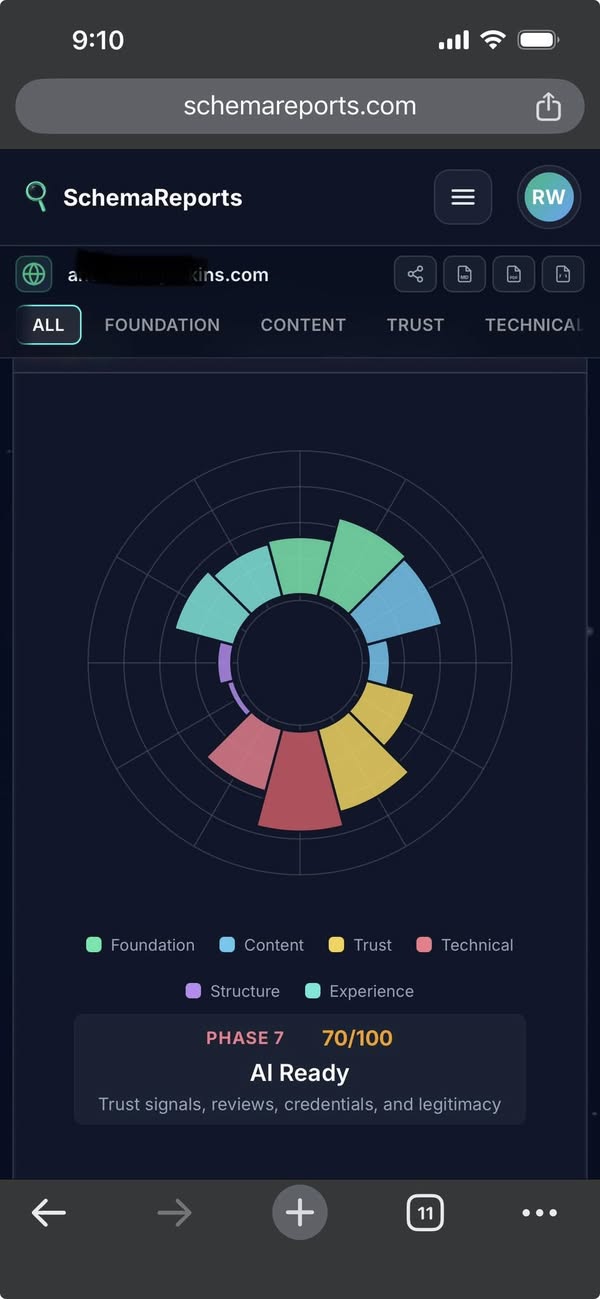
When you learn how to optimize for AI search engines, you bridge the gap between your beautiful design and the technical signals these systems crave. Modern AI models look for clear, machine-readable roadmaps that explain exactly who you are, what you offer, and why you are an authoritative source. If your site lacks this underlying structure, these AI platforms simply move on to a competitor. Achieving visibility today requires a proactive approach to your site’s technical health. By utilizing the right auditing tools, you can transform your website from a collection of isolated pages into an interconnected hub of information that speaks the language of AI fluently.
Why Your Website Needs an AI-Ready Audit
The way people find information online has changed. We are shifting away from traditional keyword-based search—where you scan a list of blue links—toward generative search. In this new era, AI models scan, interpret, and summarize your website content to answer user questions directly. If you want to know how to optimize for AI search engines, you must move beyond standard SEO and focus on AI search readiness.
Understanding AI Readability
AI readability is the measure of how easily a machine can consume, categorize, and verify the data on your site. Unlike human visitors who appreciate beautiful imagery, AI crawlers look for clear, structured signals that define your business identity. If your site is visually stunning but lacks a machine-readable foundation, the AI may simply ignore your content, leaving you invisible in AI-generated responses.
The Design vs. Structure Gap
Many small business owners rely on platforms like Wix, Squarespace, or Shopify. While these tools make building a site effortless, they often prioritize visual design over structural search signals. This leads to a dangerous design gap. Your site might look perfect in a browser, but the underlying code may be missing the crucial tags that tell search engines your business hours, pricing models, or product specifications. Auditing your site is the only way to uncover these invisible bottlenecks.
The 12-Phase AI Readiness Checklist
To ensure your site is truly AI-ready, evaluate it against key technical markers to give the bots a clear view of your content.
- Structured Data (Schema): Proper markup to define entities.
- Entity Signals: Consistent brand name, location, and identity.
- Core Web Vitals: Optimized loading speeds and visual stability.
- Semantic Content: Text providing clear answers to questions.
- Internal Linking Structure: Easy navigation to important pages.
- Robots.txt Optimization: Clear instructions for crawlers.
- Canonical Tags: Avoiding duplicate content issues.
- Mobile Responsiveness: Clarity on small screen formats.
- HTTPS & Security: Essential for trusted search results.
- Page Depth: Important info accessible within two clicks.
- Metadata Quality: Titles and descriptions reflecting intent.
- NLP Compatibility: Content free of unnecessary jargon.
Top-Tier Tools for Schema Markup Validation
Schema markup is the hidden language that helps AI search engines understand your content. Without it, your website is just a collection of text; with it, you provide structured data that AI models like ChatGPT or Google’s Gemini can parse. To ensure your site communicates effectively, schema markup validation is your most important quality control step.
The Gold Standard: Schema Markup Validator
The most essential tool in your arsenal is the Schema Markup Validator. It serves as the industry standard for ensuring your site’s structural integrity. When you input your URL or code snippet, this tool parses your JSON-LD, Microdata, and RDFa to confirm they adhere to Schema.org standards. If this tool returns errors, AI search engines may ignore your structured data entirely.
Why JSON-LD Wins for AI
Among the various ways to implement structured data, JSON-LD is the preferred format for modern search. Because it is embedded as a script block, it doesn’t interrupt the visual flow of your page content, keeping your site fast. AI agents thrive on this format because it allows them to ingest entities without having to guess what your content represents.
Comparing Schema Implementation Methods
| Tool Category | Ease of Use | Integration Depth | Free vs. Paid | Best For |
|---|---|---|---|---|
| Built-in Plugins | High | Medium | Mostly Free | Beginners/WordPress |
| Schema Generators | Medium | High | Mixed | Custom Sites |
| Custom Coding | Low | Full | Free | Developers |
Using a plugin offers a set-it-and-forget-it experience, perfect for busy business owners. However, if your business has unique services, specialized schema generators provide more granular control to capture nuances that generalized plugins might overlook.
AI Readiness Auditing Platforms
Transitioning your website into a format that AI search engines can easily digest requires more than just good content; it needs technical clarity. Dedicated auditing platforms act as your roadmap to AI search readiness by filtering out technical noise.
Bridging the Gap with Specialized Tools
For many small business owners, technical SEO feels like a foreign language. Specialized tools bridge this gap by focusing on the structural data that AI models crave. They highlight missing entities or schema errors, treating your website like a structured database. By using these platforms, you ensure that when an AI generates an answer, it pulls the most accurate data about your brand.
Leveraging All-in-One SEO Suites
While specialized tools excel at structural data, industry-standard website audit tools for SEO like Ahrefs or SEMrush provide a big-picture view. They categorize issues into logical buckets like site health and crawlability.
| Feature Category | Specialized Schema Tools | All-in-One SEO Platforms |
|---|---|---|
| Core Focus | Structural Data (Schema) | Technical & Content Health |
| Complexity Level | Low | Medium |
| Primary Output | Entity Clarity | Keyword & Backlink Context |
| Best For | Quick Schema Fixes | Long-term Strategy |
These suites allow you to monitor competitors. If a competitor ranks higher in AI-driven summaries, these tools reveal which technical signals they are optimizing that you might have missed.
Moving From Audit to Action: How to Fix Your Signals
Receiving a list of technical errors can feel like staring at a mountain. The secret to mastering AI search readiness isn’t doing everything at once; it is adopting a methodical, one-task-at-a-time strategy.
The Step-by-Step Implementation Workflow
To move from audit findings to ranking improvements, follow this structured approach:
- Categorize by Impact: Focus on high-priority structural errors like broken schema markup before visual tweaks.
- Isolate the Fix: Pick one specific page to define your business entity for AI engines.
- Apply the Change: Make the necessary adjustments, such as adding JSON-LD code.
- Validate Locally: Use developer tools to ensure the change is implemented correctly.
Challenges Within DIY Builders
Many small business owners rely on WordPress, GoDaddy, or Shopify. These platforms are excellent for design but often struggle to expose the deep structural data AI models crave. If you are using these tools, look for SEO plugins that offer a direct interface to add custom schema. The key is finding the bridge between the builder’s interface and the backend data structure where generative search optimization happens.
Iterative Re-auditing for Progress
Once you have addressed a few items, perform an iterative re-audit. You don’t need a full-scale overhaul every time. Simply re-run the audit on the page you just updated. This confirms that your fix didn’t break anything else and provides positive feedback. Consistency is your greatest ally; by returning to your audit tools periodically, you transform maintenance from a chore into a strategic habit. Your commitment to these incremental refinements ensures that whenever a user asks a question, your brand is ready with the precise, authoritative answer they need.
AEO/GEO
Want to learn more?
Contact us for direct consultation and support.