How to Optimize for AI Search Engines: Bridging the Gap
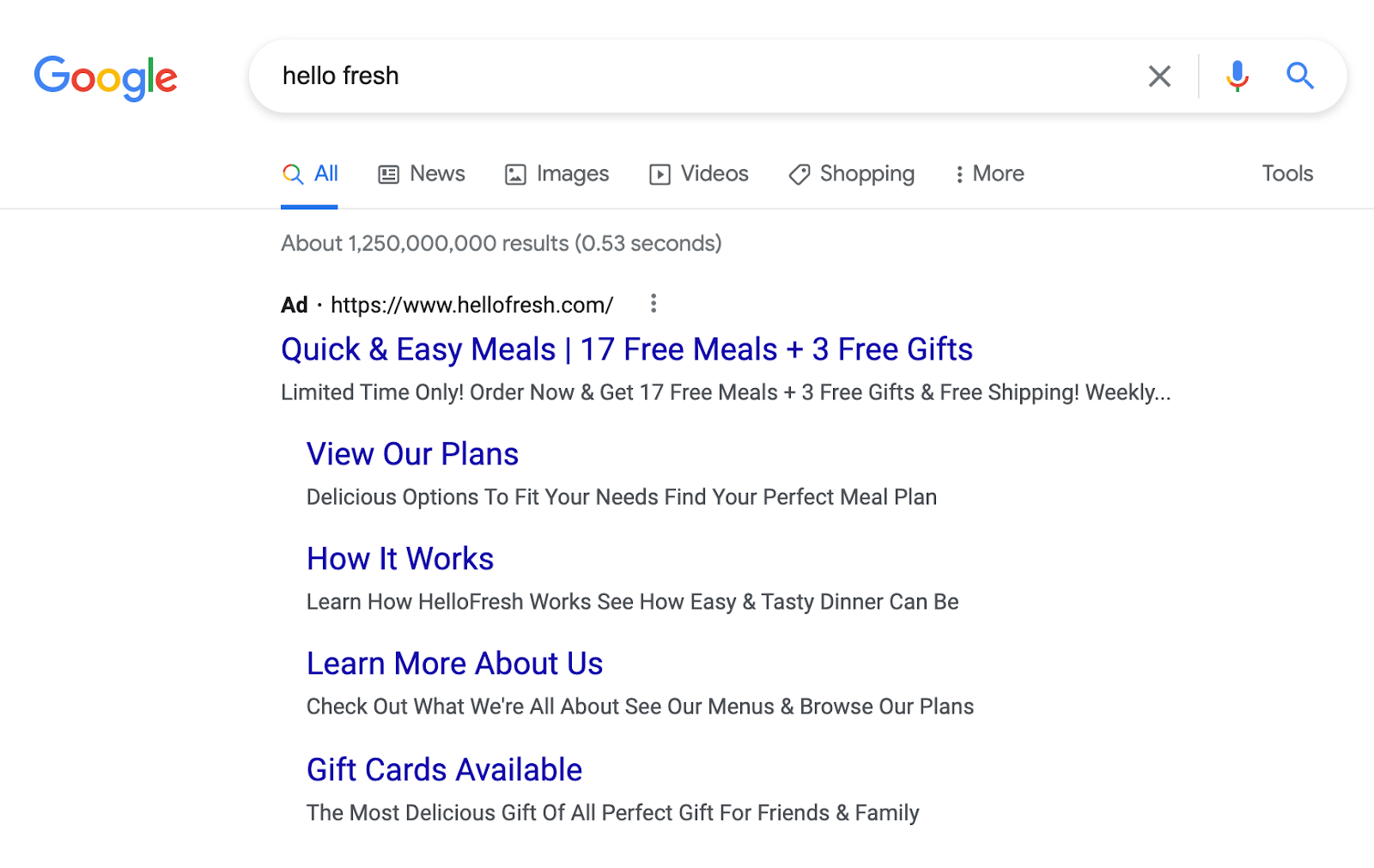
Picture this: your content is a perfectly structured masterpiece. It checks every box for traditional search engines, featuring flawless keyword density and ideal heading structures. Yet, when a user asks an AI assistant a question, your brand is conspicuously absent. It is a frustrating reality for many businesses—content that dominates traditional search often falls flat in AI-powered results.
This disconnect happens because of the synthetic-to-native gap. AI models are frequently trained on clean, synthetic datasets that lack the messy, conversational nuances of how real people actually talk. When you optimize solely for artificial patterns, you miss the mark on genuine human intent. To thrive in this new era, learning how to optimize for AI search engines requires shifting your focus from rigid keyword stuffing to understanding the natural flow of conversation. By bridging this gap, you ensure your brand resonates with the way users seek answers today.
Understanding the Synthetic-to-Native Gap
You have likely noticed this phenomenon: your content is technically flawless, yet your brand is missing from AI-generated recommendations. This disconnect isn’t a failure of quality; it is a failure of alignment. It is what experts call the synthetic-to-native gap.
At its core, this gap represents the chasm between how artificial intelligence learns and how humans communicate. AI models, particularly the Large Language Models (LLMs) powering generative search engines, are trained on massive datasets. Historically, a significant portion of these training sets consists of clean, curated, and often synthetic data. While this creates a strong foundation for logic, it creates a blind spot for the unpredictable reality of human speech.
The Illusion of “Perfect” Content
When content is optimized using traditional SEO methods, it often leans heavily into this synthetic ideal. You create content that answers a question in the most direct, sterile way possible. However, real people don’t talk like textbooks.
Consider the difference between a search query and a conversation. A perfect piece of content might address a query like “best running shoes for flat feet.” However, a user chatting with an AI might ask, “my feet hurt after running, what shoes should I get?” The meaning is identical, but the language is vastly different. If your content lacks the nuance and natural flow of native speech, the AI model may struggle to recognize it as the most relevant answer.
Synthetic vs. Native: A Clear Comparison
To understand this gap, it helps to visualize the difference between the clean data AI models are trained on and the native data that drives real-world search behavior.
| Feature | Synthetic / Clean Queries | Native / Real-World Conversational Queries |
|---|---|---|
| Structure | Keyword-stuffed, fragmented | Full sentences, conversational |
| Tone | Formal, detached, academic | Casual, personal, emotional |
| Vocabulary | Technical jargon, exact matches | Slang, idioms, shorthand |
| Example | “vegan protein powder best taste” | “what is a vegan protein that doesn’t taste like dirt?” |
| Intent Clarity | Implicit; requires inference | Explicit; includes personal context |
This comparison highlights why generic optimization fails. The native query includes emotional context and personal preference, which are critical for an AI to understand the true intent.
Curating Native-First Intent Training Sets
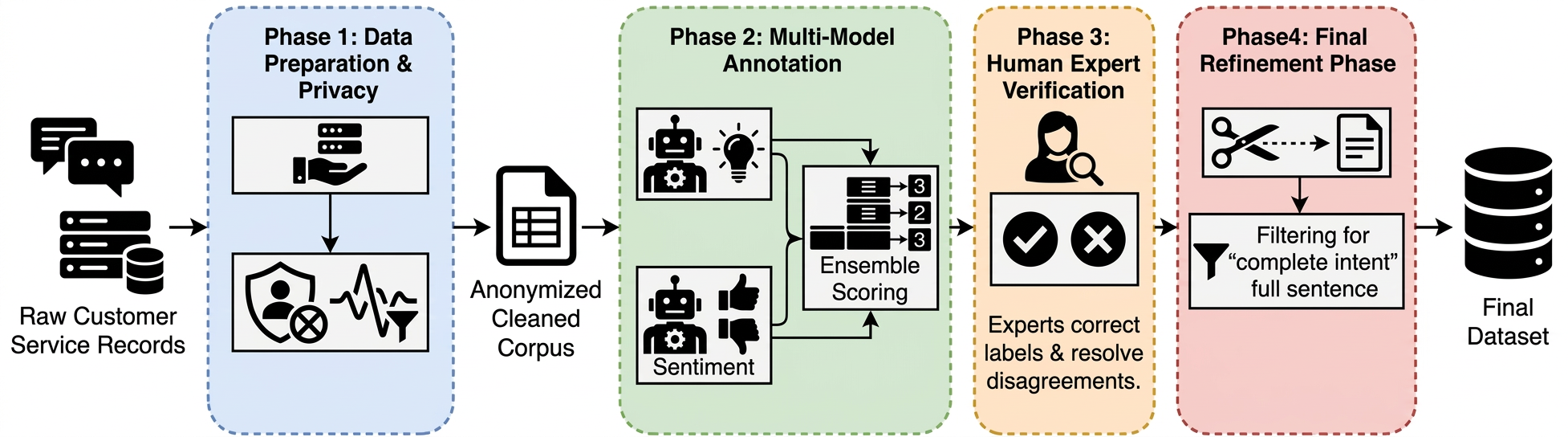
To bridge the gap, stop treating your training data like a spreadsheet and start treating it like a conversation. The most effective way to improve how you optimize for AI search engines is to build datasets that reflect the messy reality of human speech. Instead of relying on clean, synthetic examples, prioritize raw customer support logs, community forum discussions, and user-generated questions.
Building from Real Customer Voice
The foundation of a native-first dataset is authenticity. When users have a problem, they don’t use perfect grammar; they use descriptive, emotional language. To capture this, aggregate data from sources that require no filter.
Customer support tickets are goldmines of natural language. They contain the exact phrases customers use when they are frustrated or seeking help. By combining these with community forums and social media mentions, you create a rich tapestry of native intent. This data teaches your AI model how to recognize the difference between a formal search query and a casual question.
Mapping Messy Queries with Intent Taxonomy
Once you have your verified data, you must make sense of it through intent taxonomy. An intent taxonomy is a structured framework that categorizes user queries based on their underlying goal.
| Raw User Query (Native) | Intent Category | Business Outcome | AEO Value |
|---|---|---|---|
| “Why is my bill so high?” | Billing Inquiry | Provide breakdown | Cost details |
| “It is not working lol” | Technical Support | Troubleshooting | Step-by-step fix |
| “Do you have this in blue?” | Product Availability | Check inventory | Stock status |
| “How do I cancel?” | Cancellation Request | Initiation | Clear steps |
By mapping native data to these categories, you transform chaotic text into machine-readable information, allowing your AI to respond accurately and helpfully.
Refining Intent Mapping for Long-Tail Conversational Queries
Generic AI models often struggle with the nuance of long-tail queries because they are trained on broad, aggregated data. Long-tail query optimization captures high-intent visitors who are closer to making a decision. When you refine your AI search intent mapping to account for these conversational phrases, you bridge the gap between what customers say and what the AI understands.
Mapping User Intent to Content Hierarchy
To visualize how long-tail questions fit into your broader content strategy, map them to your content hierarchy.
| Long-Tail Question | Specific Topic | Parent Category | User Goal |
|---|---|---|---|
| “Best running shoes for flat feet” | Shoe Recommendations | Running Gear Guide | Discovery |
| “How to clean running shoes” | Care Tutorials | Running Gear Care | Problem Solving |
| “Why do running shoes smell” | Shoe Odor Causes | Running Gear Care | Diagnostic |
| “Most durable trail shoes” | Top 5 Durable Shoes | Trail Essentials | Discovery |
Practical Tactics for AI Search Engine Visibility
Getting your content into generative search results is about making it the path of least resistance for an AI.
Formatting for Clarity
AI models thrive on structure. Use structured data (schema markup) to provide explicit clues about your content. If you are writing a product guide, use Product schema to define key features.
Additionally, adopt a logical heading structure. Use H1 for the main title, H2 for major sections, and H3 for sub-points. Never skip levels. Ensure paragraphs remain short—aim for 3-4 sentences—to improve readability and make it easier for AI to identify distinct ideas.
The Role of AEO
Answer Engine Optimization (AEO) focuses on becoming the authoritative source for answers. AI models do not just rank pages; they synthesize information to create unique responses.
- Provide Direct Answers: Include a clear, concise answer to the query within the first 100 words.
- Prioritize Semantic Relevance: Use natural language and context-rich phrases rather than just repeating keywords.
- Build Credibility: Demonstrate E-E-A-T (Experience, Expertise, Authoritativeness, and Trustworthiness) by citing reputable sources and keeping your information up-to-date.
As AEO strategies continue to evolve, remember that the goal is to provide value that resonates. The future belongs to brands that treat their content as a dynamic, intent-driven conversation. Start refining your approach today to ensure your visibility soars in this new era of generative search.
AEO/GEO
Want to learn more?
Contact us for direct consultation and support.