How to Optimize for AI Search Engines: Intent Mapping Guide
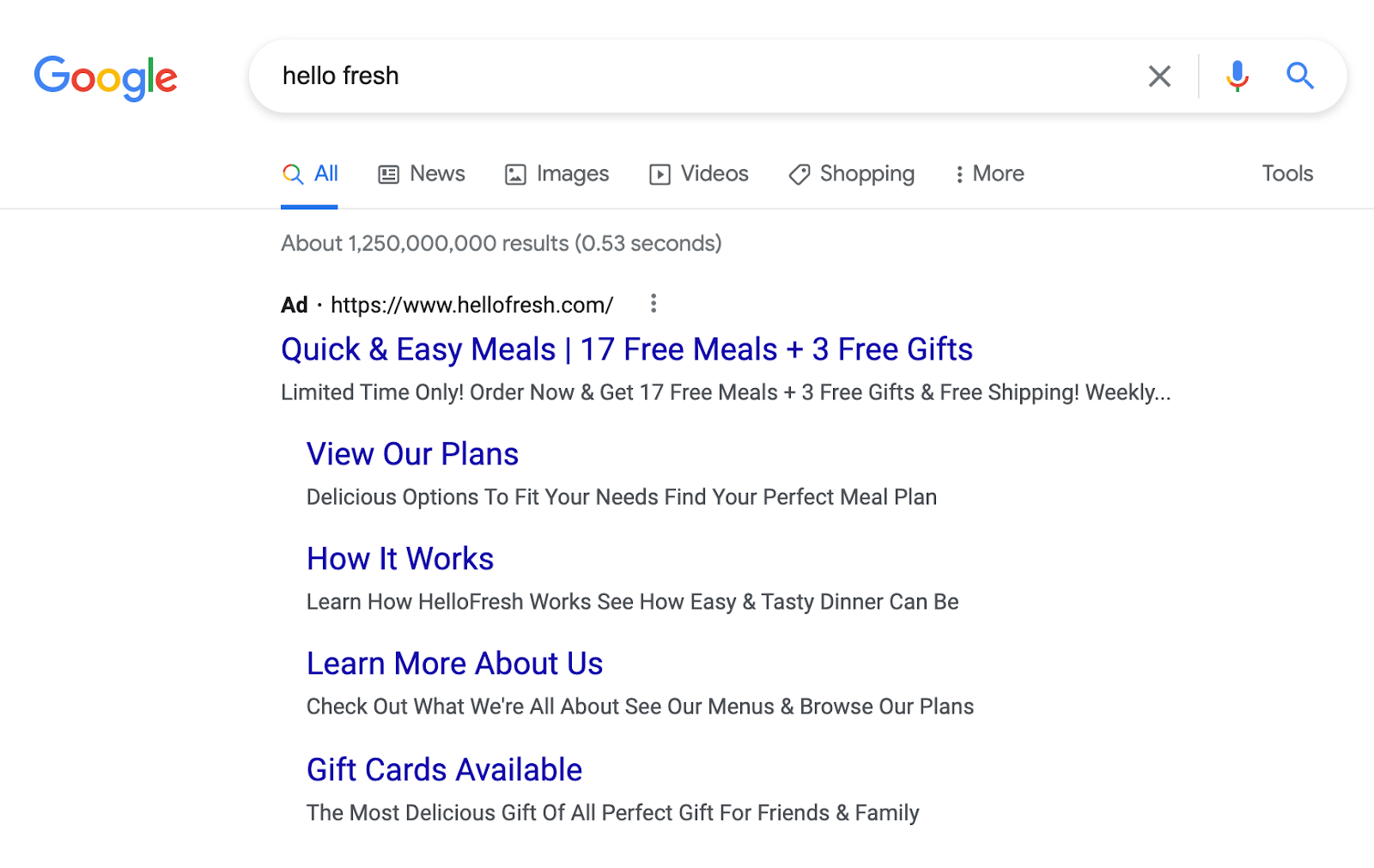
If your organic traffic has stalled or vanished overnight, it isn’t your imagination—traditional SEO is changing. Google’s shift toward Generative AI means users are no longer just clicking blue links; they are receiving direct answers. Old-school keyword stuffing doesn’t work for modern Large Language Models (LLMs). The real challenge now is AI intent mapping: training search engines to understand the nuanced way your customers speak. Synthetic data for search is your secret weapon here. By generating realistic query variations, you can teach AI models exactly how your audience asks questions, bridging the gap between human conversation and machine understanding.
Why Traditional Keyword Research Falls Short in the AI Era
If you have spent time tweaking your content strategy for traditional search, you likely relied on keyword density and exact-match phrases. This approach worked because search engines were pattern-matching machines. They scanned for specific words and ranked pages accordingly. However, the landscape has shifted. We are no longer just searching for information; we are conversing with it. To succeed in this new era, learning how to optimize for AI search engines requires a rethink of how we approach online visibility.
Modern AI search engines, powered by LLMs, analyze semantic meaning, context, and intent. When you ask an AI assistant, “What is the best way to train a puppy not to bite?”, the engine isn’t just hunting for the keywords “train puppy bite.” It understands the desire for positive reinforcement, safety, and behavioral correction. This shift means your content must speak the language of human curiosity, not just machine algorithms.
The Limitations of Static Keyword Lists
Static keyword lists were the bread and butter of SEO for a decade. The problem is that this method fails to capture the nuance of conversational query optimization. People don’t speak in keywords. They speak in questions, fragments, and context-rich sentences. A static list might include “dog training tips,” but it misses long-tail variations like “how do I stop my 8-week-old puppy from nipping at my hands during play?”
These long-tail queries reflect specific user intents and often have higher conversion potential. By relying on broad keywords, you miss the intricate details of what your audience is actually asking. This is why AI intent mapping is crucial. It helps you understand not just what people are searching for, but why they are searching for it.
Legacy SEO vs. AI-Ready Optimization
Legacy SEO focused on quantity and repetition. Modern, AI-ready optimization focuses on quality, context, and comprehensiveness. AI search engines prioritize contextual relevance over keyword density. A single, well-written paragraph that fully answers a user’s question is far more valuable than ten paragraphs stuffed with the same keyword.
| Feature | Legacy SEO Strategy | Modern AI-Ready Optimization |
|---|---|---|
| Primary Focus | Keyword density | Semantic relevance and intent |
| Content Structure | Repetitive headings | Narrative-driven explanations |
| Query Handling | Matches exact terms | Understands context and nuances |
| Ranking Factor | Backlinks and frequency | Authority, clarity, and accuracy |
| User Intent | Informational/Broad | Specific and action-oriented |
AI search engines provide direct, helpful answers. They reward content that demonstrates expertise and offers a complete picture. If your content is thin, it will likely be bypassed by AI models in favor of sources that satisfy the user’s query.
The Rise of Contextual Relevance
Context is essential in the AI era. Search engines evaluate the relationship between different pieces of information to determine if content is truly helpful. If you write about “best running shoes,” an AI engine looks for mentions of foot type, running distance, and terrain to ensure the recommendation is accurate. It looks for evidence that you understand the user’s specific situation. This prioritization changes how you should write. Instead of forcing keywords, focus on natural content that addresses every aspect of the user’s query.
The Power of Synthetic Data for Intent Mapping
If traditional keyword research is like a net that only catches specific sizes, synthetic data is high-tech sonar mapping the entire ocean floor. For beginners, understanding this concept is the first step toward achieving generative search visibility.
What Is Synthetic Data in Intent Classification?
Synthetic data refers to artificially generated information that mimics the characteristics of real-world user data. In the realm of AI intent mapping, this means creating simulated user queries that replicate how actual customers think and speak. Unlike scraped search logs, which reflect past behavior, synthetic data allows you to engineer specific scenarios to test how AI models interpret your content.
Real search data tells you what people asked yesterday. Synthetic data lets you predict what they will ask tomorrow. It fills in the gaps where human curiosity extends into niche, complex questions that haven’t been logged yet. By training AI on these simulated interactions, you build a more robust understanding of intent.
Key Takeaway: Synthetic data involves simulated interactions designed to teach AI models how to interpret intent in ways that real-world data alone often misses.
Covering the Long-Tail: Why Variety Matters
Most users don’t search for broad terms like “best shoes.” They ask specific questions like, “What are the best running shoes for someone with flat feet who runs on pavement?” These long-tail queries are rare in volume but incredibly valuable. If you rely solely on existing search logs, your model will perform poorly when faced with unique inputs. By generating variations, you can cover the full spectrum of user intent.
Creating Realistic User Query Simulations
Building a synthetic dataset involves a structured approach to ensure the information is useful for training AI:
- Define User Personas: Identify the types of customers you attract and their specific pain points.
- Identify Core Intents: Determine the primary goals behind your services, such as “learning” or “skill upgrade.”
- Generate Variations: Use AI tools to create query variations based on personas, including questions and colloquialisms.
- Add Contextual Layers: Include details users often omit, such as specific constraints or industry requirements.
- Validate and Refine: Review the generated queries to ensure they align with your brand voice and remove any unnatural phrasing.
Step-by-Step Strategy: Augmenting Your Long-Tail Intent Data
To truly understand how your audience speaks to AI, you need to systematically generate and audit synthetic query variations. Use this five-step workflow.
1. Seed with High-Value Long-Tail Keywords
Start with the queries that matter most to your business. Identify 20-30 core phrases that represent high-intent customer journeys. These seeds form the foundation of your synthetic data.
2. Generate Variations Using LLM Prompts
Ask an AI model to rewrite your seeds in the voice of different personas. You want natural, conversational phrasing. For example, if your seed is “best running shoes for flat feet,” variations might include “My feet hurt after jogging, what footwear helps?” or “Can anyone recommend stable trainers for overpronators?”
3. Categorize and Tag for AI Intent Mapping
Each synthetic query needs a label that reflects the user’s goal, such as “informational” or “transactional.” Ensure the tag matches the underlying intent, not just the keywords used.
4. Audit for Quality and Bias
Check for repetition, grammatical errors, and coverage gaps. Ensure you have enough variations across all intent categories so your model isn’t biased toward a single type of user inquiry.
5. Balance the Training Data
Use oversampling for underrepresented intents to ensure your model handles complex queries just as well as common ones.
Example Query Augmentation Table
| Original Seed | Synthetic Variation 1 | Synthetic Variation 2 |
|---|---|---|
| “best CRM for small business” | “I need a simple database for my team” | “Top-rated CRM with <50 user licenses” |
| “how to fix leaky faucet” | “Drip coming from tap, what do I do?” | “DIY washer replacement for faucets” |
Practical Tips to Boost Your Brand Visibility in AI Search
To be cited in AI responses, you must think like an AI engineer. Strip away ambiguity and provide clear, structured signals.
Structure for Direct Answers
AI models thrive on clarity. If your content is buried, the AI might skip it. State the core answer in your first sentence. Use the “inverted pyramid” style: lead with the definitive fact, then elaborate. Break long paragraphs into bite-sized chunks to help the model isolate data points.
Leverage Schema Markup and Clear Headings
Schema markup acts as a bridge between your content and search engines, explicitly identifying what your content is about. Use clear H2 and H3 tags that include relevant keywords naturally. This helps AI map your content to specific user intents.
Conduct Regular Query-Intent Audits
User language evolves. A Query-Intent Audit involves analyzing the questions users are using to find your content. Use tools like Google Search Console to gather real-world queries and adjust your content quarterly to reflect current trends.
The AI-Ready Content Checklist
- Direct Answer First: Does the section directly answer the primary query?
- Clear Hierarchy: Do headings logically structure the content?
- Structured Data: Is schema markup implemented?
- Conversational Tone: Is the language natural and human-like?
- Fact Density: Are key facts and definitions concise?
Mastering how to optimize for AI search engines isn’t about chasing algorithms; it’s about understanding people. By embracing synthetic data and intent-centered strategies, you create a better experience for your audience. Stay curious about how AI interprets your content, and watch your visibility grow. Small, consistent tweaks to your long-tail search strategies build long-term trust.
AEO/GEO
Want to learn more?
Contact us for direct consultation and support.