How to Own AI-Generated Search Results: AEO Roadmap
Why ‘Zero-Click’ is Actually Your New Marketing Opportunity
Many marketers panic when they hear “zero-click.” They worry about losing traffic, but the reality is much more exciting: we are shifting from a game of clicks to a game of brand authority.
In the era of AI-generated search, the search engine isn’t just a directory—it’s an answer engine. When a user asks a question, the AI synthesizes information to provide an immediate resolution. If you are the brand providing that resolution, you win. This is Answer Engine Optimization (AEO).
Unlike traditional SEO, which focuses on earning a link click, AEO focuses on being the primary cited source within an AI answer.
-
Traditional SEO: Focuses on keywords to drive traffic to a landing page.
-
AEO: Focuses on providing concise, authoritative, and structured answers that AI models prioritize for citation.
AI models choose winners based on an authority-relevance loop. The more clearly you define your expertise through structured data and concise, high-value answers, the more likely the AI is to cite you as the “Source of Truth.”
Step 1: Uncovering ‘Answer Engine’ Keywords with Targeted Audits
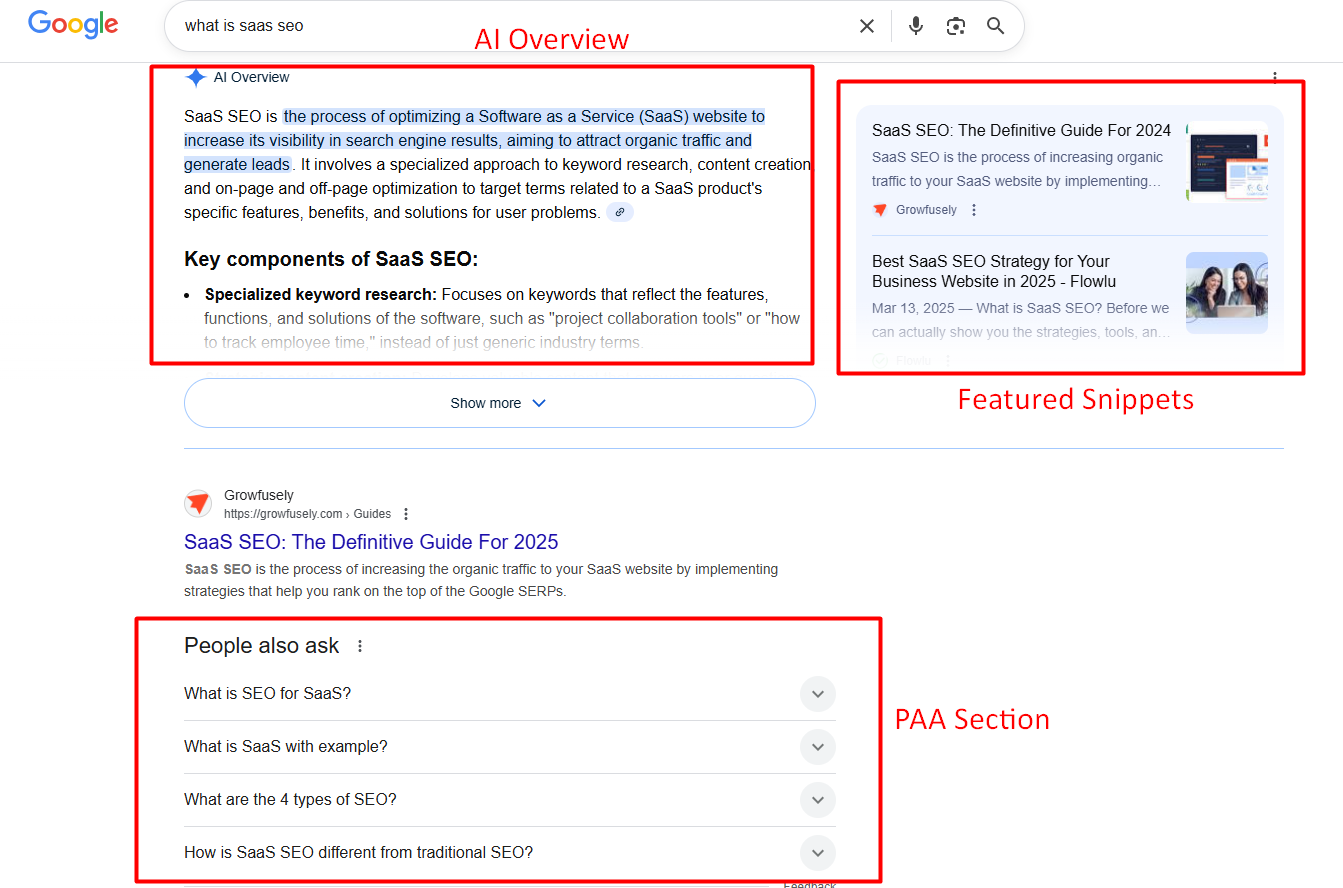
To own the AI results, you first need to know where the opportunities hide. Not every keyword triggers an AI Overview or a “People Also Ask” (PAA) box.
-
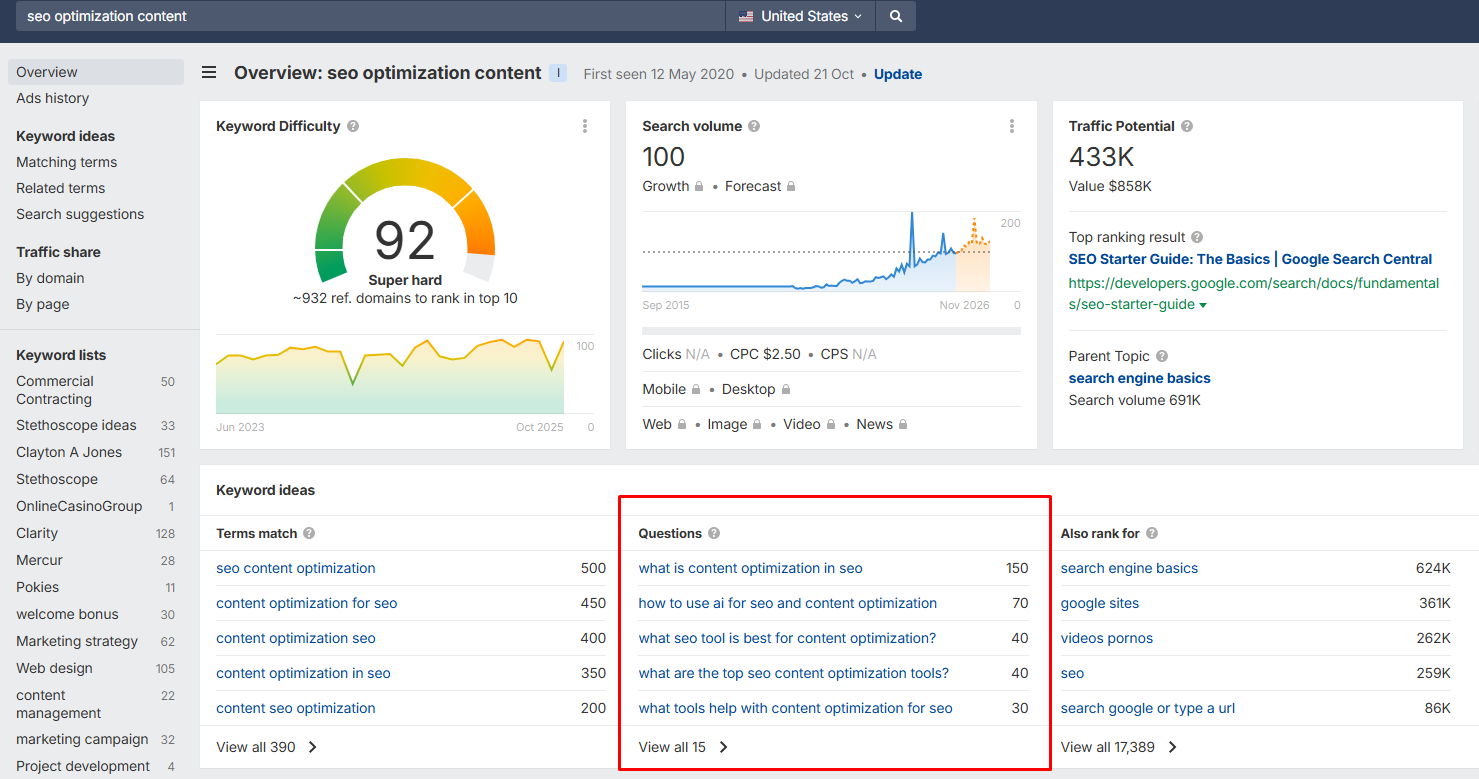
Map the Landscape: Use tools like Ahrefs or Semrush to filter for keywords that trigger “People Also Ask” (PAA) and AI Overview results.
-
Competitor Gap Analysis: Identify the domains currently occupying these snippets. Are they answering with a quick, factual summary or a complex guide? Note their approach.
-
Categorize Your Queries:
-
Informational: The user wants a direct fact (e.g., “What is the best SEO platform?”). Provide a definitive, short summary.
-
Conversational: The user is asking a nuanced question (e.g., “How should I structure my content for AI search?”). Provide a detailed, step-by-step response.
-
Step 2: Structuring Your Content to be ‘AI-Ready’ (AEO Technicals)
AI models are machines—they need clear instructions. You can guide them by formatting your content to be easily digestible.
-
Deploy Schema Markup: Use FAQPage and LocalBusiness schema. This provides search engines with explicit, machine-readable context about your entity, products, and services.
-
The 60-Word Rule: For informational queries, place a concise 40–60 word summary at the beginning of your content. AI models love this “Direct Answer” format.
-
Boost Entity Association Strength (EAS): Map your brand to specific industry concepts. Consistently use unique terminology or proprietary frameworks in your content to signal to the AI that you are the expert entity for those topics.
Step 3: Mastering Local and Conversational Search Features
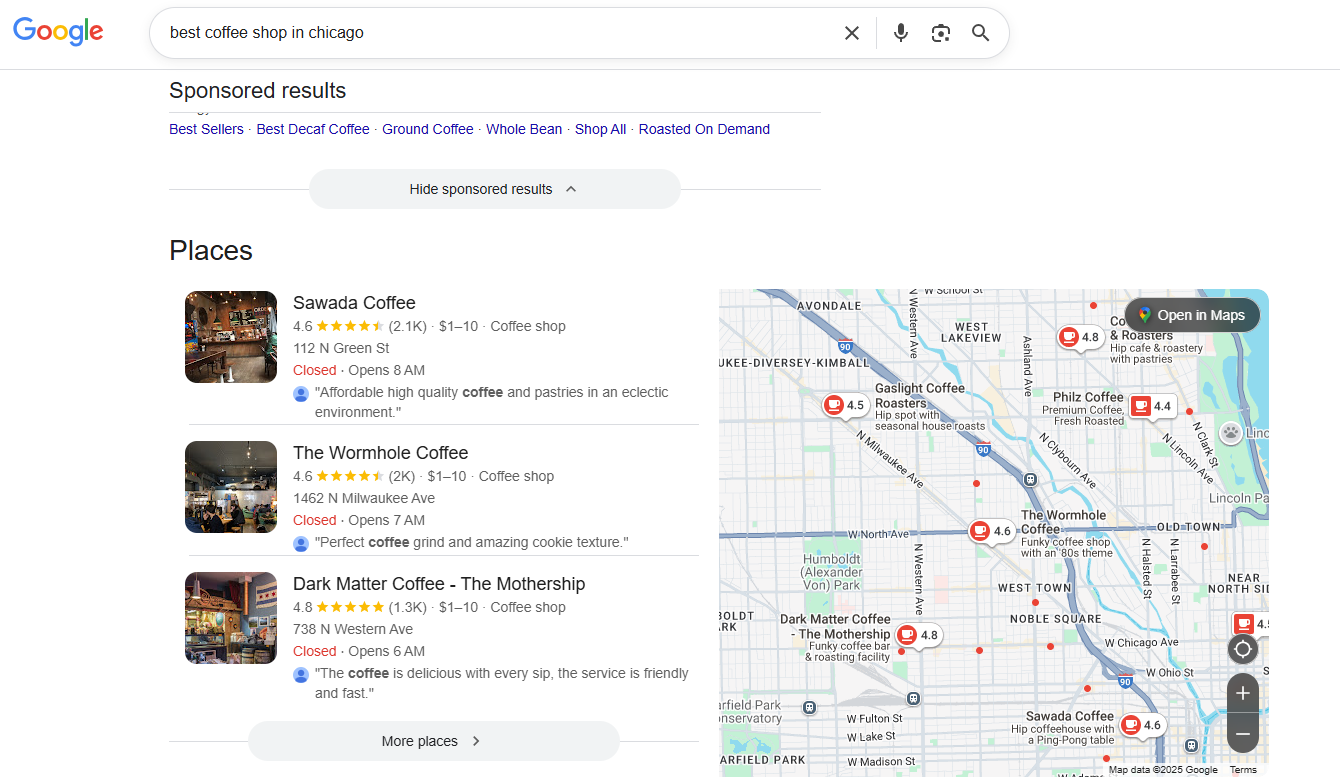
If you have a physical presence or serve specific regions, “Local Pack” and “near me” queries are your secret weapon for zero-click visibility.
-
Local Entity Optimization: Ensure your business name, address, and phone number (NAP) are consistent across all directories.
-
Conversational Content: Write content that sounds like a natural answer to a spoken question. Using phrases like “The best way to do X is…” helps you show up in voice search results.
-
Knowledge Graph Signals: Treat your social profiles, Google Business Profile, and professional directories as nodes in your network. Consistent activity creates a robust “Knowledge Graph” presence that AI models use to verify your authority.
Tracking Success: Moving Beyond CTR to Entity Visibility Metrics
In the AI era, Click-Through Rate is a vanity metric. If the user gets their answer from the search result and is satisfied, they have consumed your brand’s expertise.
Instead, track these metrics to measure your AEO progress:
-
SERP Feature Ownership: How many PAA or AI Overview boxes does your brand occupy?
-
Total AI Impressions: Are your brand’s pages appearing as citations in generative answers?
-
Branded Entity Mentions: Track how often your brand is mentioned alongside core industry keywords.
Your 3-Month AEO Audit Cycle:
Every 90 days, re-run your keyword research, update your “Direct Answer” summaries with the latest industry data, and check that your Schema markup remains error-free. Staying consistent here is how you build long-term, unshakeable visibility.
AEO/GEO
Want to learn more?
Contact us for direct consultation and support.